Kansas Disabled Veteran Free Fishing License Rules
It can be incredibly frustrating to have served our country, returned home with service-connected disabilities, and then navigate a confusing maze of regulations just to enjoy a simple pleasure like fishing. Many disabled veterans in Kansas find themselves wondering if they qualify for a free fishing license and, if so, how on earth to actually get one without a headache. This comprehensive guide is here to cut through the confusion, clearly outlining the specific rules, eligibility criteria, and step-by-step process for Kansas disabled veterans to obtain their free fishing license, so you can spend less time on paperwork and more time enjoying the tranquility of Kansas's beautiful waterways.
Understanding Kansas's Commitment to Disabled Veterans
Kansas recognizes the profound sacrifices made by its service members, particularly those who sustained injuries or illnesses in the line of duty. Providing access to recreational activities like fishing is just one small way the state attempts to give back and promote the well-being of its veteran community.
The Spirit Behind the Exemption
This free fishing license isn't just another bureaucratic form; it's a tangible expression of gratitude. The Kansas Department of Wildlife, Parks and Tourism (KDWP) administers this program with the understanding that outdoor recreation can be incredibly therapeutic, offering peace, challenge, and connection to nature. For many disabled veterans, the quiet solitude of a fishing trip, or the camaraderie of sharing a boat with a friend or family member, can be a vital part of managing physical and mental health. It’s about acknowledging that service-connected disabilities should not be a barrier to enjoying the state's natural resources. This initiative aims to remove one potential financial burden and administrative hurdle, making it easier for veterans to embrace the outdoors that many fought to protect. It aligns with a broader state-wide effort to support veterans in various aspects of civilian life, ensuring they feel valued and integrated into their communities.
General Eligibility Overview for Disabled Veteran Benefits
While the intent is broad, the eligibility for a free disabled veteran fishing license in Kansas is quite specific. It's not a blanket exemption for all veterans. Generally, "disabled veteran" in this context refers to individuals who have a significant, service-connected disability rating from the U.S. Department of Veterans Affairs (VA). The key here is "service-connected" – meaning the disability was incurred or aggravated during military service. Without official VA documentation confirming this status and a specific percentage of disability, the free license cannot be issued. Many veterans might have various health issues, but for this specific benefit, the VA's official determination is paramount. This is where many can get tripped up, assuming their general veteran status is enough. It's crucial to understand that the KDWP relies on federal VA determinations, not local or state medical assessments, to verify eligibility for this particular license.
Specific Eligibility Criteria for the Free Fishing License
Let's dive into the nitty-gritty of what you need to qualify. Misunderstanding these details is often where the frustration sets in, so we'll break it down thoroughly.
Percentage of Disability Requirements
To qualify for a free resident fishing license in Kansas as a disabled veteran, you must have an official service-connected disability rating of 30% or more from the United States Department of Veterans Affairs. This isn't just any disability; it has to be directly linked to your military service by the VA. The VA will provide a letter or official documentation stating your service-connected disability rating. This document is your golden ticket, so keep it safe and accessible. For instance, if you have a 20% service-connected rating for a knee injury and a separate 10% non-service-connected rating for a back issue, you would not meet the 30% service-connected threshold. It must specifically be 30% or more that the VA has identified as a direct result of your time in uniform.
This specific percentage is a benchmark used by many state agencies to ensure that benefits are directed to those with more significant service-connected challenges. It's a way of recognizing the greater impact these disabilities can have on a veteran's daily life and ability to engage in activities, making fishing a more accessible and beneficial pastime.
Residency Requirements and Proof
Another critical component of eligibility is being a bona fide resident of Kansas. The free fishing license is specifically for Kansas resident disabled veterans. You can't be a resident of Missouri or Oklahoma and expect to get this particular Kansas benefit, no matter your disability status. For non-residents, there are separate Kansas Nonresident Fishing License Guide options available, but they do come with a cost.
Proof of residency typically includes:
- A valid Kansas driver's license or state ID.
- Utility bills or lease agreements in your name, showing a Kansas address.
- Voter registration cards.
The KDWP needs to see clear evidence that Kansas is your primary, permanent home. If you've recently moved to Kansas, be prepared to provide a combination of documents to establish your residency. For example, a veteran recently relocated to Wichita might need to show their Kansas driver's license alongside a recent utility bill for their home in Wichita to establish their residency. The KDWP takes residency seriously to ensure the benefits are truly going to Kansans.
Other Potential Exemptions and Considerations
While the disabled veteran free fishing license is a fantastic benefit, it's essential to understand that it typically covers the base annual fishing license only. This means that certain specialized permits or stamps, such as a Kansas Trout Permit Guide or a paddlefish snagging permit, are usually not included and would still need to be purchased, even if you hold the free disabled veteran license. The cost for these additional permits is often nominal, but it's a detail that can easily be overlooked. Always check the current KDWP regulations for any activity that goes beyond standard rod-and-reel fishing for general species.
Similarly, if you plan to fish in certain state park areas, you might still need a Kansas State Park Fishing Permit Rules or a vehicle permit to enter the park, even if your fishing license is free. The KDWP website or a quick call to a local KDWP office can clarify these nuances. It's also worth noting that Kansas has other Kansas Fishing License Exemptions for certain age groups or circumstances, but they are separate from the disabled veteran exemption. For example, individuals over the age of 65 may qualify for a Kansas Senior Annual Fishing License at a reduced cost, but that's distinct from the disability benefit.
The Application Process: Step-by-Step Guide
Now that you understand the "who" and "what," let's tackle the "how." Getting your license is usually straightforward once you have your ducks in a row.
Gathering Your Essential Documentation
The most critical step in applying is having all your paperwork in order before you even start the application. This saves immense time and frustration. You will absolutely need:
- Your official VA disability rating letter: This letter must clearly state your service-connected disability percentage (30% or greater). Make sure it's the most current version. If you don't have a copy, you can usually obtain one through your eBenefits account on the VA website or by contacting your local VA office. It’s an official document, so screenshots from a portal might not cut it; a printed letter or a PDF version is best.
- Proof of Kansas residency: This could be your valid Kansas driver's license, a Kansas state ID, or other official documents like utility bills or property tax statements showing your current Kansas address.
- A government-issued photo ID: This is usually your driver's license or state ID, but it's important to have it for identity verification.
Imagine you're preparing for a big fishing trip to Milford Lake. You wouldn't leave home without your tackle box, right? Think of these documents as your essential tackle for the application process. Having them organized in a folder, whether physical or digital, makes the next steps much smoother.
Submitting Your Application
The KDWP offers several convenient ways to apply for your disabled veteran fishing license:
Online Application
This is often the quickest and easiest method for many.
- Visit the KDWP Website: Head to the official Kansas Department of Wildlife, Parks and Tourism website (ksoutdoors.com).
- Create an Account or Log In: If you don't already have one, you'll need to create a customer account. This usually involves providing your personal information, including your date of birth and social security number for verification.
- Navigate to License Purchase: Look for sections related to licenses and permits. You'll specifically be looking for the "Disabled Veteran Fishing License" option.
- Upload Documents: The online system will prompt you to upload digital copies of your VA disability letter and proof of Kansas residency. Make sure these are clear, legible scans or photos.
- Complete the Application: Fill out any remaining required fields. While the license itself is free, there might be a very small processing fee for online transactions, so be prepared for that possibility.
- Submit: Review all your information carefully before submitting.
Mail-In Application
If you prefer not to use the online system, you can apply by mail.
- Download the Form: Find and download the appropriate application form for a disabled veteran fishing license from the KDWP website.
- Fill Out Completely: Print and fill out the form by hand, ensuring all information is accurate and legible.
- Include Copies of Documents: Make photocopies of your VA disability letter and proof of Kansas residency. Do not send original documents through the mail.
- Mail to KDWP: Send the completed form and copies of your documents to the address provided on the application form, typically the KDWP office in Pratt, Kansas.
In-Person Application
For those who prefer face-to-face interaction or need assistance, you can apply in person.
- Locate a KDWP Office or Authorized Vendor: You can find a KDWP regional office or some authorized license vendors (like certain county clerks or sporting goods stores) that can process these applications. Check the KDWP website for a list of locations or search for "Where to Buy a Kansas Fishing License".
- Bring All Original Documents: When applying in person, bring your original VA disability letter, proof of Kansas residency, and photo ID. The staff will verify these documents and may make copies.
- Complete the Form: Staff will assist you in filling out the necessary paperwork.
After submitting, whether online, by mail, or in person, your application will be reviewed. Many vendors, like those found through an Amazon search for local outdoor retailers, might not be equipped to handle the initial disability verification process, so it's always best to go through the KDWP directly for the first application.
What to Expect After Applying
Once your application is submitted, there's a processing period.
- Processing Times: Online applications are often processed fastest, sometimes within a few business days. Mail-in applications can take a few weeks.
- Checking Status: If you applied online, you can usually check the status of your application through your KDWP customer account. For mail-in applications, you might need to contact the KDWP directly if you haven't heard back within a reasonable timeframe.
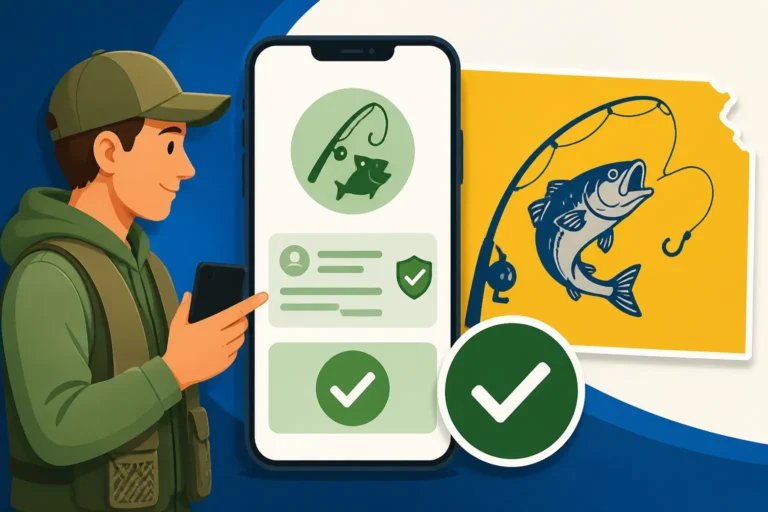
- Receiving Your License: Once approved, your license might be available digitally through your KDWP account, which you can often display on your phone. A physical license may also be mailed to you. Make sure you understand the rules for displaying your license; some jurisdictions require a physical copy or a printed digital copy. If your application encounters issues or is denied, the KDWP will typically contact you to explain the reason. This usually boils down to insufficient documentation or not meeting the exact eligibility criteria. If you face a denial, carefully review their explanation and see if you can provide the missing information. For instance, if your VA letter didn't clearly state "service-connected," you might need to get an updated letter from the VA.
Important Details and Practical Advice for Anglers
Getting the license is one thing, but using it correctly and staying compliant is another. Here are some essential tips.
Carrying Your License and Proving Eligibility
When you're out on the water, whether you're casting lines for walleye at Cheney Reservoir or catfishing on the Kansas River, it is absolutely crucial to have your fishing license with you. This can be your physical card or a digital version displayed on your smartphone, as long as it's clearly legible. Game wardens in Kansas regularly conduct checks, and not having your license on your person can lead to fines, even if you are legitimately licensed. It’s akin to driving without your driver's license – you might be licensed, but if you can't prove it on the spot, you're in violation. Always keep your license accessible in your wallet, tackle box, or a waterproof phone case. Beyond the license itself, it's vital to be familiar with all Kansas Fishing Regulations Explained, including daily creel limits, length limits, and approved fishing methods, as your free license does not exempt you from these rules.
Renewal Process and Staying Up-to-Date
The free disabled veteran fishing license is typically valid for a specified period, often annually, just like standard licenses. While it's free, it still needs to be renewed to remain active. The KDWP usually sends out reminders for renewals, often via email if you provided one when setting up your online account. The renewal process is generally simpler than the initial application, as your disability status is likely already on file. You'll usually log into your KDWP account and follow the renewal prompts.
It's a good habit to proactively check the KDWP website annually, perhaps around the beginning of the year, to ensure your license is up-to-date and to verify any changes in regulations. The KDWP website is the ultimate authority for current rules. Sometimes regulations change, or new requirements are introduced, so staying informed is key. You can also find a lot of essential gear and resources, from new fishing line to innovative lures, on platforms like Amazon, but always double-check state-specific regulations before making purchases that might conflict with local laws. This due diligence ensures you're always fishing legally and responsibly.
Beyond the License: Enjoying Kansas Waters
Receiving your free disabled veteran fishing license opens up a world of opportunity to enjoy Kansas's abundant fishing resources. From the mighty Milford Lake, known for its incredible walleye and striped bass, to smaller, peaceful community lakes perfect for panfish, there's a spot for every angler. This license is more than just a piece of paper; it's an invitation to find peace, challenge, and connection in the great outdoors. Consider exploring diverse locations listed in a guide like Best Fishing Lakes in Kansas. Many veterans find camaraderie in fishing clubs or enjoy teaching younger generations the joy of angling.
Remember, while the base fishing license is free, if you plan to target specific species like trout, you will need to purchase a Kansas Trout Permit Cost and Season, as these specialized permits are separate from the general fishing license. Also, always ensure you have any necessary state park vehicle permits if you're accessing KDWP properties. Embrace the opportunity to explore Kansas's diverse fisheries, and enjoy the well-deserved time on the water.
Disclaimer
Please note that fishing regulations and license requirements in Kansas are subject to change. While this guide provides comprehensive and up-to-date information at the time of publication, it is always recommended to verify the latest rules directly with the Kansas Department of Wildlife, Parks and Tourism (KDWP) through their official website or by contacting them directly before engaging in any fishing activities. This content is for informational purposes only and should not be considered legal advice.