Does Kansas Fishing Season Ever Close?
Kansas fishing season for popular game fish species offers year-round access managed by the Kansas Department of Wildlife and Parks.
Match the method to the moment.
Seasonal patterns, proven tactics, rigging and presentation basics, bait choices, and how to adapt as conditions change.
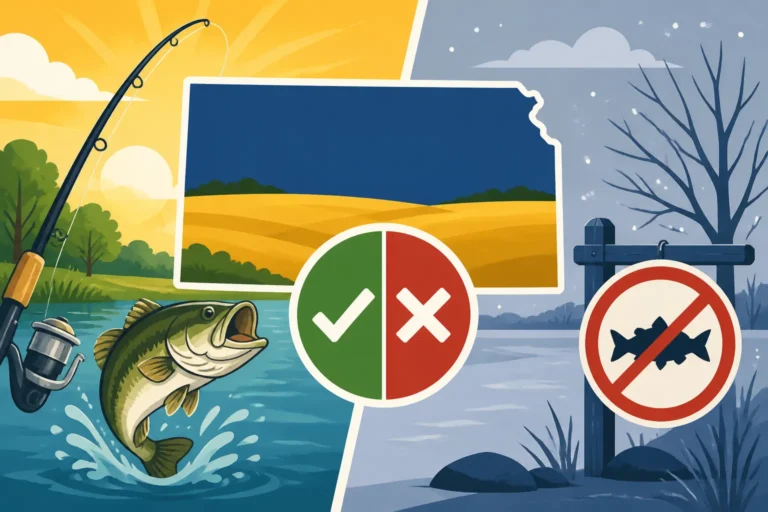
Kansas fishing season for popular game fish species offers year-round access managed by the Kansas Department of Wildlife and Parks.
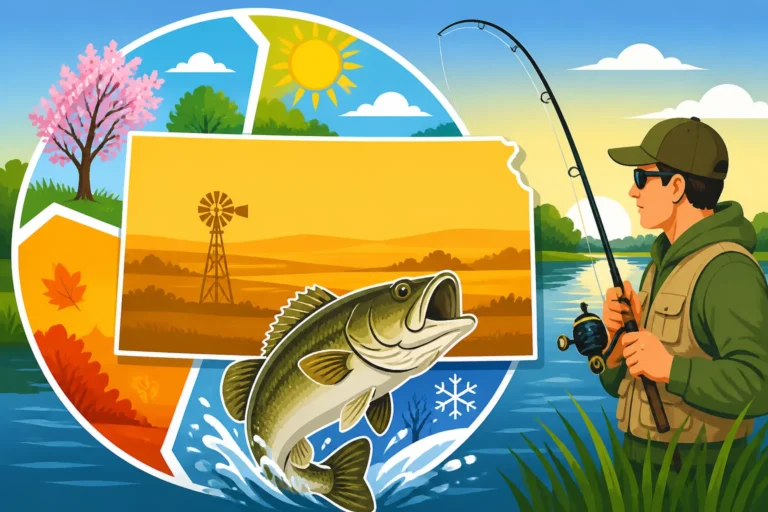
Kansas fishing seasons remain open year-round for most species, relying on specific regulations rather than statewide closures.
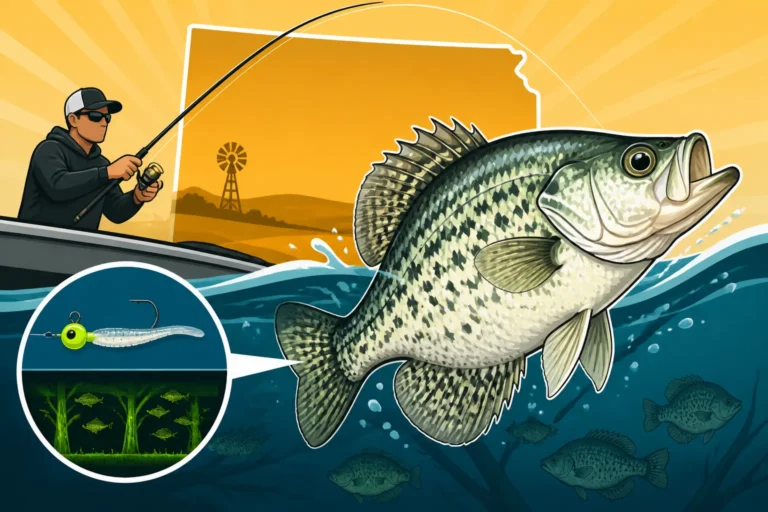
Targeting trophy crappie in Kansas reservoirs requires fishing deep brush piles and creek channels with shad or minnows.
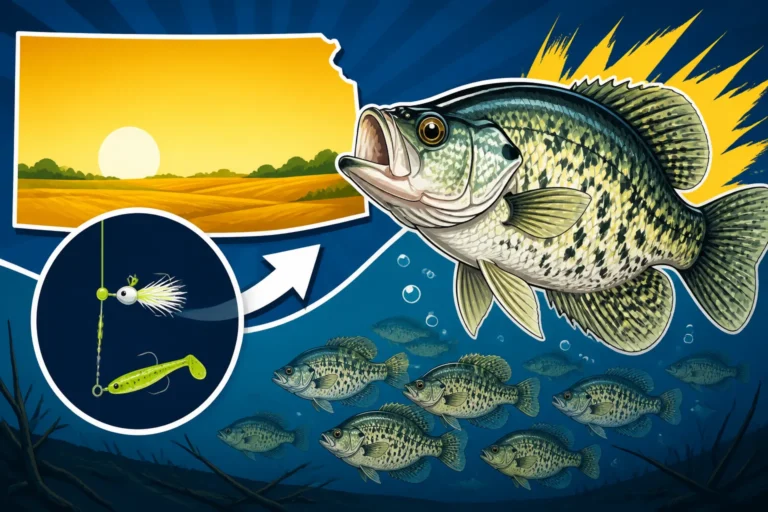
Crappie seasonal movements, holding structures, and spider rigging techniques help Kansas anglers catch high numbers of fish.
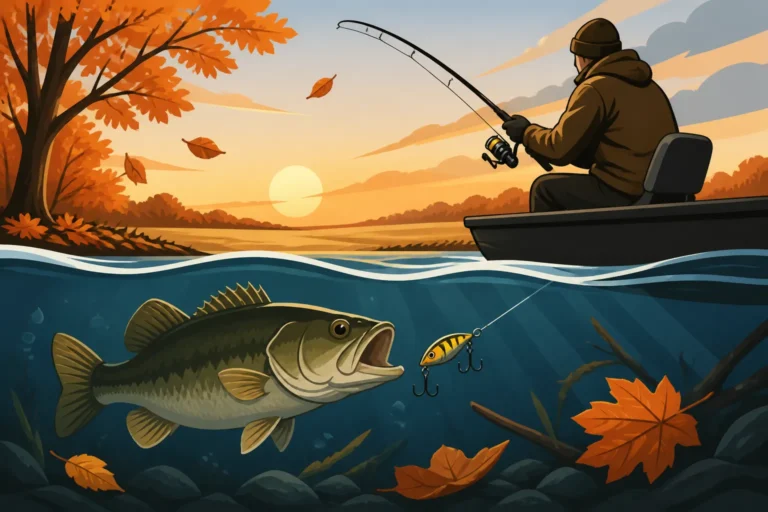
Late fall fishing in Kansas requires slower techniques because dropping water temperatures make walleye, crappie, and catfish sluggish.
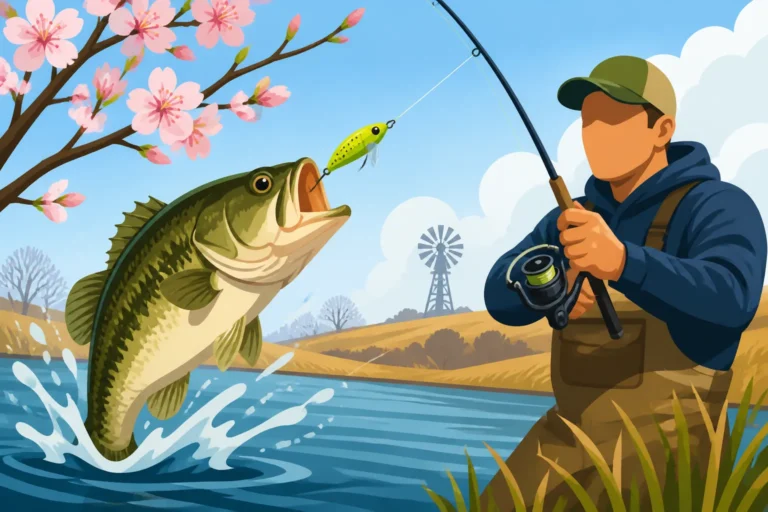
Early spring fishing in Kansas explains water temperature effects, weather swings, and how crappie behave in shallow water.
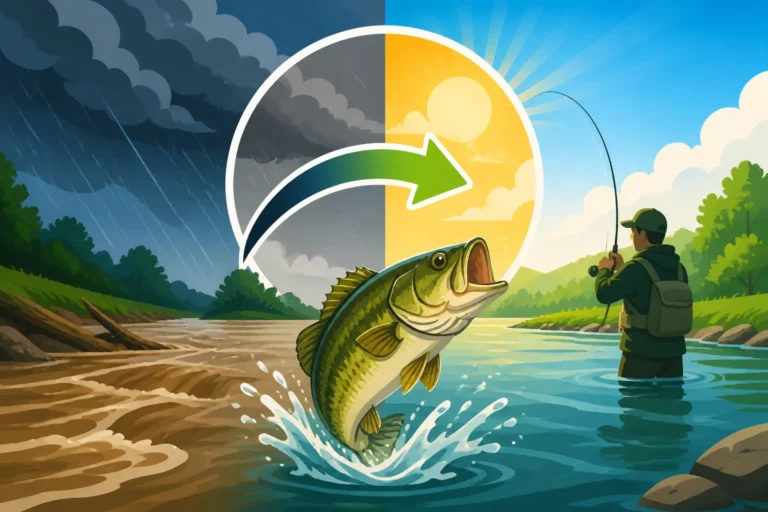
Kansas river fishing after rain requires timing water levels, current dynamics, and turbidity to catch fish successfully.
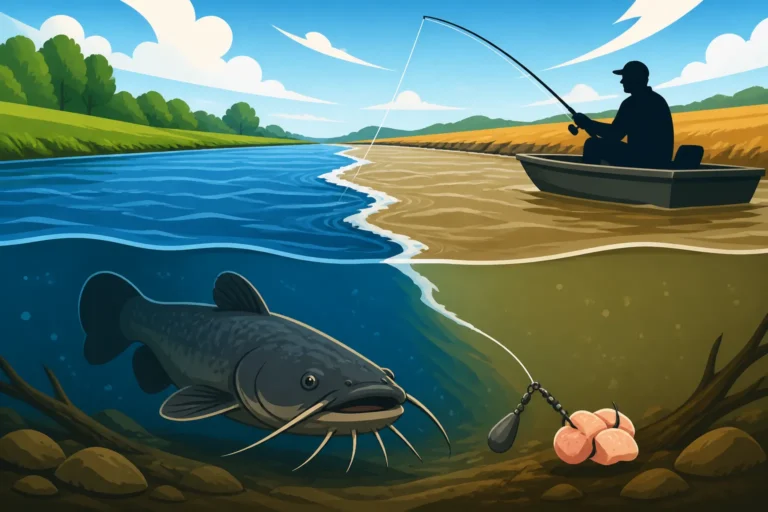
Kansas river current seams help anglers locate channel cats, blue cats, and flatheads by offering ideal rest and food zones.
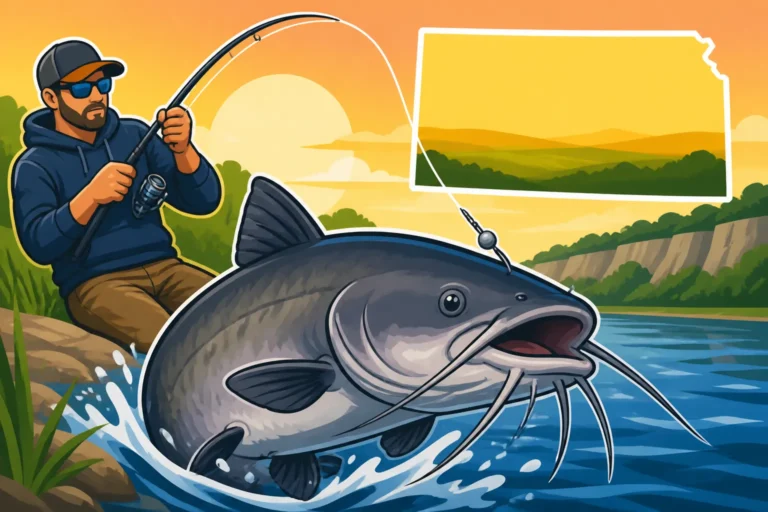
Kansas river catfishing strategies help anglers successfully target channel, blue, and flathead species in local waters.
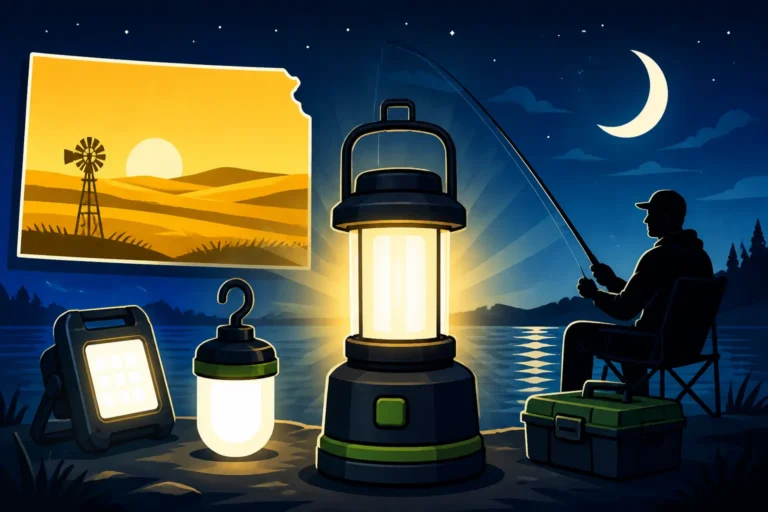
Proper lantern setups on Kansas lakes help anglers see safety hazards, avoid boat collisions, and attract fish like crappie and catfish.