Big Hill Lake Fishing Spots in Kansas
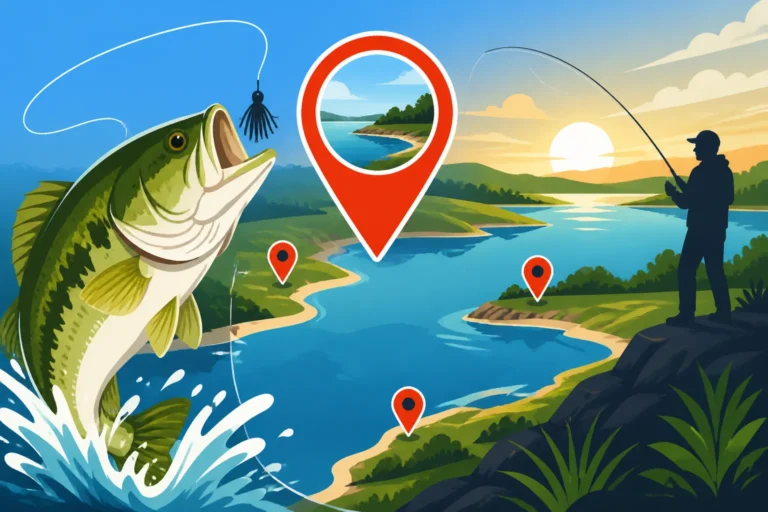
It’s a common frustration, isn't it? You pack up your gear, head out to a new lake like Big Hill, and suddenly you’re faced with miles of water, wondering where on earth to even drop a line. No one wants to spend their precious fishing time guessing, especially when the fish are calling! This comprehensive guide is designed to cut through that uncertainty, pinpointing the best fishing spots on Big Hill Lake in Kansas and giving you the insider tips you need to truly make the most of your time on the water.
Discovering Big Hill Lake’s Unique Charm for Anglers
Big Hill Lake, nestled in southeast Kansas near the town of Cherryvale, isn't just another body of water; it's a gem with a distinct personality that makes it a favorite among local anglers. Managed by the U.S. Army Corps of Engineers and the Kansas Department of Wildlife and Parks (KDWP), it's a relatively smaller lake compared to some of Kansas's sprawling reservoirs, covering about 1,240 acres at its conservation pool. But don't let its size fool you; Big Hill punches above its weight when it comes to diverse fishing opportunities and scenic beauty.
What truly sets Big Hill apart is its exceptionally clear water, a feature not always common in Kansas impoundments. This clarity, combined with its unique geology of rocky bluffs, standing timber, and abundant submerged brush piles, creates a rich and varied habitat for a multitude of fish species. It's an environment that challenges and rewards anglers, offering everything from shallow-water bassin' action to deep-water crappie havens. Understanding these characteristics is the first step in unlocking Big Hill's angling potential.
A Glimpse into Big Hill Lake's Formation and Layout
Big Hill Lake was impounded in 1981, making it one of Kansas's newer federal reservoirs. It was primarily constructed for flood control, water supply, and recreation, including fishing. The lake's basin was once the valley of Big Hill Creek, and its submerged structure still reflects that original creek channel, which often serves as a key highway for fish movement.
The lake’s layout features a main body with several fingers and coves extending off, providing countless points, secondary coves, and sheltered areas that are crucial for fish. On the west side, you’ll find Big Hill Lake State Park, offering ample access, camping, and amenities. The eastern shore is also accessible, though perhaps with a bit less development, maintaining a more rustic feel in some areas. The varying depths, from shallow flats to deep creek channels reaching up to 30-40 feet, contribute to a dynamic fishing experience throughout the seasons.
Amenities and Access Points for Anglers
For anglers looking to hit the water, Big Hill Lake offers excellent facilities. You'll find several well-maintained boat ramps, ensuring easy launch and retrieval for boats of all sizes. The main ramps are located at Big Hill Lake Marina (a great spot to grab bait, tackle, and fuel), and within the state park areas like Cherryvale and Mound Valley. These ramps typically have plenty of parking, making it convenient even on busy weekends.
Beyond boat ramps, there are numerous public access points for bank anglers. Picnic areas, designated fishing piers, and open shoreline around the state park are fantastic for those who prefer to fish from solid ground. Many of these areas are wheelchair accessible, ensuring that everyone can enjoy the tranquility and excitement of fishing at Big Hill Lake. Before you head out, make sure you've got your Kansas fishing license guide handy, as regulations apply to all public waters.
Dominant Fish Species and Prime Fishing Seasons
Big Hill Lake is a fantastic fishery because it boasts a healthy population of several popular game fish. Knowing what's biting, and more importantly, when they're biting, can make all the difference in planning a successful trip. The lake is particularly renowned for its crappie, largemouth bass, and catfish, with decent opportunities for sunfish as well.
Each species has its peak seasons and preferred habitats, largely dictated by water temperature and their spawning cycles. Understanding these patterns is key to putting more fish in your boat or on your stringer. It's not just about showing up; it's about showing up at the right time for the right fish.
Crappie Fishing at Big Hill Lake
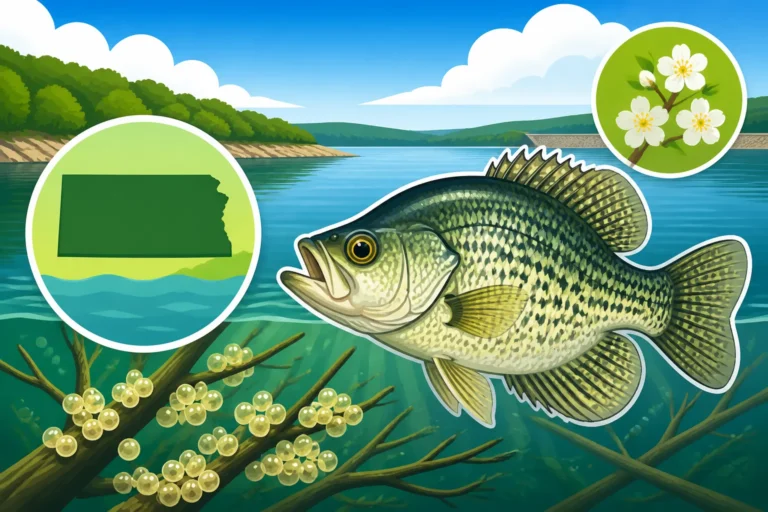
If there's one fish that consistently draws anglers to Big Hill Lake, it's the crappie. Both white and black crappie thrive here, often reaching impressive sizes. The clear water and abundant structure, including brush piles and standing timber, provide ideal habitat for these popular panfish.
Spring (March-May): This is prime time for crappie as they move into shallower waters for their spawn. Look for them in coves, around submerged brush, and along rocky banks in depths of 3-8 feet. Small jigs (1/32 to 1/8 ounce) tipped with minnows or soft plastics in chartreuse, white, or black/blue are incredibly effective. A great strategy is to slowly vertical jig around visible cover or cast small Road Runner jigs. Knowing your Kansas spring crappie fishing tips will give you a significant edge during this period.
Summer (June-August): As temperatures rise, crappie retreat to deeper, cooler waters. They'll often be found suspended over the old creek channel or relating to deeper brush piles and timber in 15-25 feet of water. Spider rigging with multiple rods, presenting minnows or jigs at various depths, is a common and productive technique. Look for schools on your fish finder, especially during early morning or late evening hours.
Fall (September-November): Crappie become very active again in the fall as water temperatures cool, feeding aggressively in preparation for winter. They'll often move back shallower, though not as shallow as the spring, targeting structure at 8-15 feet. This is another excellent time for jigging or using minnows.
Winter (December-February): While tougher, crappie can still be caught in winter, often holding tight to deep cover or suspended over the creek channel. Patience is key, and slow presentations with small jigs or live minnows are essential.
Largemouth Bass Opportunities
Big Hill Lake is a fantastic destination for largemouth bass enthusiasts. The clear water means that sight fishing can be an option at times, but it also means the bass can be more wary, requiring a stealthier approach. The abundance of submerged structure, rocky points, and timber makes for excellent bass habitat.
Spring (March-May): Similar to crappie, bass move shallow for their spawn. Target them in protected coves, around submerged cedar trees, and along rocky shorelines. Soft plastics like Texas-rigged worms or Senkos, spinnerbaits, and shallow crankbaits are highly effective. Look for beds in clearer areas. This is when the bass are often most aggressive and easiest to find in numbers.
Summer (June-August): During the heat of summer, largemouth bass will relate to deeper cover. Focus on points, creek channel edges, and submerged timber in 10-20 feet of water. Topwater action can be great during low-light conditions early mornings and late evenings, but during the day, switch to deep diving crankbaits, jigs, or Carolina rigs. Fishing around the dam area can also produce larger bass.
Fall (September-November): As temperatures drop, bass become highly active, feeding heavily on shad and other baitfish. They’ll chase schools of bait into shallower pockets and along main lake points. Crankbaits, jerkbaits, and chatterbaits are excellent choices for covering water and triggering reaction strikes. This is often when you can catch some of the heaviest bass of the year.
Winter (December-February): Bass activity slows significantly in winter. Focus on deep humps, creek channel bends, and vertical structure. Slow-moving baits like jigs, Alabama rigs, or suspending jerkbaits fished meticulously can still coax bites from lethargic bass. For more in-depth knowledge, consider our guide on the Kansas Bass Fishing Guide.
Catfish Abundance
Big Hill Lake offers excellent catfishing opportunities, primarily for channel catfish and flathead catfish. The lake's rocky substrate and creek channels provide perfect homes for these whiskered predators.
Channel Catfish: These are widely distributed and can be caught year-round.
- Spring/Early Summer: Look for them in shallower areas, especially around riprap or rocky banks, as they prepare to spawn. Cut bait, worms, and stink baits are very effective.
- Summer: They'll be found throughout the lake, often in deeper holes during the day and moving to shallower flats and points at night to feed. Chicken livers, shad, and prepared baits are always good bets.
- Fall/Winter: Channel cats can still be caught, often in deeper areas, though their activity slows.
Flathead Catfish: These larger, more elusive cats prefer live bait.
- Summer is prime time: Focus on the main lake points, rocky bluffs, and the deeper creek channel bends, especially at night. Live perch, bluegill, or shad are irresistible to flatheads. Use heavy gear and be prepared for a fight!
For more on different species, refer to our Kansas Catfish Species Guide. You can often find local guides specializing in catfishing, and platforms like FishingBooker can connect you with experienced captains who know the best spots on Big Hill for trophy cats.
| Fish Species | Prime Season | Best Location Types | Recommended Bait/Lures |
|---|---|---|---|
| Crappie | Spring, Fall | Brush piles, timber, rocky coves | Small jigs, minnows, soft plastics |
| Largemouth Bass | Spring, Fall | Coves, points, submerged timber | Soft plastics, crankbaits, spinnerbaits |
| Channel Catfish | Spring, Summer, Fall | Rocky banks, creek channels, flats | Cut bait, worms, stink bait |
| Flathead Catfish | Summer | Deep channels, rocky bluffs, timber | Live perch, bluegill, shad |
| Sunfish | Spring, Summer | Shallows, docks, vegetation | Worms, small jigs, crickets |
Prime Fishing Hotspots and Access Points
Now for the real meat of it – where exactly should you cast your line? Big Hill Lake, while not massive, has distinct areas that consistently produce fish. Knowing these hotspots can save you hours of searching and put you right on the fish. From specific coves to prominent points, each location offers something unique for different species and fishing styles.
It’s always a good idea to scout an area before you fish it extensively, looking for signs of baitfish or structure. Sometimes, the most inconspicuous spots can hold the biggest surprises!
The Old Creek Channel and Its Tributaries
The submerged old creek channel that winds through Big Hill Lake is perhaps the most important topographical feature for anglers. It acts as a major highway and holding area for fish, especially during periods of transition or extreme weather. Fish use the channel for travel, feeding, and seeking refuge in deeper water.
Targeting the Channel:
- Main Channel Bends: Pay close attention to the bends in the old creek channel, particularly where it runs close to main lake points or merges with secondary creek beds. These areas create natural ambush points for bass and catfish. For crappie, look for brush piles or standing timber along the channel edges.
- Tributary Inflows: Where smaller creeks or runoff streams enter the main channel, especially after a rain, can be goldmines. These inflows bring in nutrients and baitfish, attracting game fish. The mouth of Big Hill Creek itself, where it enters the lake, is a prime example of such an area.
- Transition Zones: Fish often position themselves along the edges where the channel drops off into deeper water. Using a good fish finder to locate these subtle depth changes and any associated structure (like stumps or rocks) is incredibly valuable. Drift fishing with live bait or slow-trolling crankbaits along these breaks can be very productive for walleye, crappie, and catfish.
Rocky Bluffs and Main Lake Points
Big Hill Lake is known for its dramatic rocky bluffs, particularly on the western side. These bluffs extend underwater, creating steep drops, ledges, and rocky cover that are irresistible to several species.
Fishing the Bluffs:
- Vertical Jigging: For crappie and bass, vertical jigging alongside the bluff walls can be effective. Fish often hug these sheer faces, particularly when they're seeking shade or deeper water.
- Crankbaiting: Running deep-diving crankbaits parallel to the bluffs, especially those with scattered rocks or submerged timber at their base, can draw aggressive strikes from bass.
- Catfish Havens: Flathead catfish often lurk in the crevices and deeper holes along these rocky banks, particularly at night. Drop live bait right against the rock face for the best chance at a trophy flathead.
Main Lake Points: These are natural congregation areas for fish, acting as feeding lanes and staging areas.
- Submerged Points: Many points extend far out into the lake, creating submerged structure that is not always visible from the surface. These are excellent for bass, crappie, and even walleye. Fan-cast spinnerbaits or crankbaits across the tops of these points, or slow-roll jigs down their slopes.
- Wind-Blown Points: Points that are regularly hit by the wind tend to stack up baitfish, which in turn attract predators. Fish the windy side of these points with reaction baits like crankbaits or chatterbaits.
Coves and Submerged Brush Piles
Big Hill Lake has numerous coves, particularly on the state park side, which offer sheltered waters and diverse habitats. Many of these coves are loaded with submerged brush piles, either naturally occurring from fallen timber or intentionally placed by the KDWP to enhance fish habitat.
Exploring the Coves:
- Spawning Grounds: In spring, the shallow backs of many coves, especially those with warmer water and mud bottoms, become prime spawning grounds for crappie and largemouth bass. Target them with jigs, soft plastics, and shallow-running crankbaits.
- Year-Round Cover: Brush piles provide excellent cover for crappie, bass, and sunfish throughout the year. Use your electronics to pinpoint these underwater brush hotels. Vertical jigging small jigs or minnows directly into and around the cover is the most effective way to extract crappie.
- The Big Hill Lake State Park coves (like the ones accessible from the Cherryvale and Mound Valley areas) are particularly good for finding brush piles and shallower spawning flats. These spots are also great for those looking for easy bank access and plenty of room to cast.
Remember, if you're ever struggling to locate these hidden treasures, or just want to maximize your time, consider hiring a local guide. Many professional guides, often found through services like FishingBooker, specialize in Big Hill Lake and know exactly where the fish are hiding, which can be an invaluable shortcut to success.
Recommended Techniques for Big Hill Lake
Successfully fishing Big Hill Lake means adapting your techniques to its clear water and varied structure. What works well on a muddy, shallow impoundment might not be as effective here. Precision, stealth, and a good understanding of fish behavior in clear water are often the keys to success.
Whether you're fishing from the bank or a boat, having a repertoire of effective techniques for Big Hill's common species will greatly increase your catch rates. It's about presenting your bait naturally and efficiently in the right zone.
Bank Fishing Strategies
For those without a boat, Big Hill Lake still offers fantastic bank fishing opportunities, especially around the state park areas.
- Fishing Piers: Utilize the designated fishing piers. These are often strategically placed near old creek channels or artificial brush piles. They're great spots to soak a bait for catfish or jig for crappie.
- Rocky Shorelines: Target the numerous rocky shorelines and riprap areas, especially in spring. Cast small jigs or minnows for crappie, or use worms and cut bait for channel catfish.
- Shallow Coves: In spring and fall, walk the banks of shallow coves. Use a lightweight spinning rod to cast small spinnerbaits, soft plastics, or small crankbaits for bass and crappie. The clear water here means a stealthy approach is crucial – stay low, wear subdued colors, and make long casts.
- For more detailed advice on fishing from shore, check out our guide on Best Bank Fishing Spots in Kansas.
Boat Fishing Tactics
Having a boat on Big Hill Lake opens up the entire body of water, allowing you to access deeper structure, isolated points, and offshore brush piles.
- Electronics are Key: A good fish finder is almost essential for boat fishing on Big Hill's clear waters. Use it to locate the old creek channel, submerged brush, depth changes, and most importantly, schools of baitfish and game fish.
- Vertical Jigging: This is a highly effective technique for crappie and sometimes bass, especially when they are holding tight to vertical structure like timber or brush piles. Position your boat directly over the structure and drop small jigs or minnows.
- Trolling: For crappie and walleye (though walleye are less common here), slow trolling with small crankbaits or jigs can be very productive. Target the creek channel edges or main lake flats. Adjust your speed and depth until you find the fish.
- Casting to Structure: For bass, cast crankbaits, spinnerbaits, jigs, or soft plastics to rocky points, submerged humps, and the edges of timber lines. In clearer water, fluorocarbon line can give you an edge due to its low visibility. Our Kansas Walleye Fishing Techniques guide has some crossover tips that can be applied to bass and crappie in similar structures.
Bait and Lure Selection
Choosing the right bait and lure for Big Hill Lake depends heavily on the species you're targeting and the time of year.
- Live Bait: Minnows are king for crappie, especially when suspended or in deep cover. Worms are excellent for sunfish and channel catfish. Live bluegill or shad are the go-to for trophy flathead catfish.
- Jigs: Small jigs (1/32 to 1/8 ounce) with plastic bodies (tubes, grubs, tiny paddle tails) are versatile for crappie and smaller bass. Colors like chartreuse, white, black, and natural shad patterns are consistent producers.
- Crankbaits: Both shallow and deep-diving crankbaits are effective for bass, especially those mimicking shad or crawfish. For walleye, lipless crankbaits can also work. Refer to our guide on Best Lures for Kansas Walleye for more ideas.
- Soft Plastics: Texas-rigged worms, Senkos, creature baits, and finesse jigs are excellent for targeting bass around timber, brush, and rocky areas. Stick with natural colors like green pumpkin, junebug, or black and blue in the clear water.
- Topwater Lures: During low-light conditions in warmer months, topwater baits like poppers, walking baits, and buzzbaits can provoke explosive strikes from largemouth bass.
- Catfish Baits: For channel cats, prepared stink baits, cut shad, chicken livers, and nightcrawlers are reliable. For flatheads, as mentioned, live bait is paramount. Learn more about the Best Bait for Kansas Catfish in our detailed article.
Essential Tips for a Successful Big Hill Lake Fishing Trip
A great fishing trip isn't just about knowing where to cast; it's also about being prepared and understanding the nuances of the environment. Big Hill Lake offers a fantastic experience, but a few key considerations can elevate your success from a good day to an unforgettable one.
From understanding the local regulations to being mindful of weather, every detail contributes to a smoother, more enjoyable, and productive outing. Think of these as the finishing touches to your fishing strategy.
Navigating Regulations and Permits
Kansas has specific fishing regulations that apply to all public waters, including Big Hill Lake. These regulations cover everything from license requirements to length and creel limits for various species. It’s absolutely critical to be familiar with these rules before you go.
- Fishing License: Anyone 16 years of age or older needs a valid Kansas fishing license. You can purchase these online, at most KDWP offices, or at many bait and tackle shops. Be sure to check out our Kansas Fishing License Guide for all the details.
- Creel and Length Limits: Big Hill Lake often follows statewide regulations for species like crappie (usually a 10-inch minimum length and 50 fish daily creel limit) and bass (often a 15-inch minimum for largemouth). However, always double-check the current Kansas Fishing Regulations Explained summary from the KDWP, as special regulations can apply to specific lakes.
- Trout Permit: While Big Hill isn't primarily a trout lake, if KDWP conducts winter trout stockings (check their schedule), you'll need a separate trout permit if you intend to fish for or possess trout.
Weather and Water Conditions
Big Hill Lake, like any body of water, is heavily influenced by weather and water conditions. Paying attention to these factors can dramatically impact your fishing success.
- Water Clarity: As a clear-water lake, changes in turbidity (cloudiness) can affect fish behavior. After heavy rains, the water might become murky in certain areas, pushing fish closer to cover or shallower where they can ambush prey more easily. In clear conditions, a stealthier approach with natural baits and lighter lines is usually best.
- Wind: Wind can be a friend or foe. A gentle breeze can create a 'walleye chop' or ripple effect that breaks up the surface, making fish less wary. Wind also pushes baitfish, concentrating them on certain banks or points, which in turn attracts game fish. However, excessive wind can make boat control difficult and create unsafe conditions.
- Temperature: Water temperature dictates fish metabolism and activity levels. Use a thermometer to find optimal temperature ranges for your target species. For example, crappie become active in the high 50s to low 60s for spawning.
- Barometric Pressure: A stable or rising barometer often correlates with active fish, while a rapidly falling barometer before a storm can trigger a feeding frenzy, followed by a post-front lull.
Essential Gear and Safety
Beyond your rod and reel, having the right gear and prioritizing safety can make your trip much more enjoyable.
- Sun Protection: With the clear skies common in Kansas, sun protection is paramount. Wide-brimmed hats, sunglasses, and sunscreen are non-negotiable.
- First-Aid Kit: Always carry a basic first-aid kit for minor cuts, hook punctures, or scrapes.
- Navigation: While Big Hill isn't enormous, having a map (physical or on your phone) and knowing how to read channel markers is helpful, especially if you're exploring new areas.
- Life Jackets: If boating, ensure everyone has a properly fitting life jacket. Kids under 13 must wear one at all times while underway. Even for adults, it's wise to wear it, especially in colder weather or if you're not a strong swimmer. Check out the Kansas Life Jacket and Boating Safety Guide for full details.
- Hydration and Snacks: Long days on the water require plenty of water and snacks to stay energized and hydrated.
- Appropriate Clothing: Dress in layers, as Kansas weather can change rapidly, even during a single day.
- Communication: A fully charged cell phone or marine radio is vital for emergencies.
By considering these aspects and combining them with your knowledge of Big Hill Lake's hotspots and species, you're set for a truly rewarding fishing experience. Don't forget, the thrill of discovery is part of the fun – sometimes, the best spots are the ones you find yourself!
Disclaimer
The information provided in this guide is for general informational purposes only and is not intended as legal, financial, or professional advice. Fishing regulations and conditions can change rapidly. Always consult the official Kansas Department of Wildlife and Parks (KDWP) website or publications for the most current regulations, licensing requirements, and safety guidelines before engaging in any fishing activities. Adhere to all local, state, and federal laws. Fishing inherently carries risks; always prioritize safety and exercise caution while on or near the water.