Accessible Fishing Piers for Disabled Anglers in Kansas
Finding truly accessible fishing spots can feel like a real challenge, can't it? It's frustrating to arrive at a beautiful lake, only to discover that the path to the pier is gravel, the railing is too high, or there's simply no easy way to get your gear to the water's edge. This guide is all about cutting through that frustration, helping disabled anglers and their companions discover the best, most genuinely accessible fishing piers and opportunities across Kansas, ensuring everyone can enjoy the peace and thrill of a good catch.
Understanding Accessible Fishing Piers and Their Importance
For many anglers, fishing is more than just a hobby; it's a profound connection to nature, a source of peace, and a chance to create lasting memories. However, for individuals with mobility challenges, visual impairments, or other disabilities, simply getting to a fishing spot can present a significant hurdle. Not every pier advertised as "accessible" truly meets the diverse needs of all anglers, and that’s where the real frustration often sets in.
What Makes a Fishing Pier Truly Accessible?
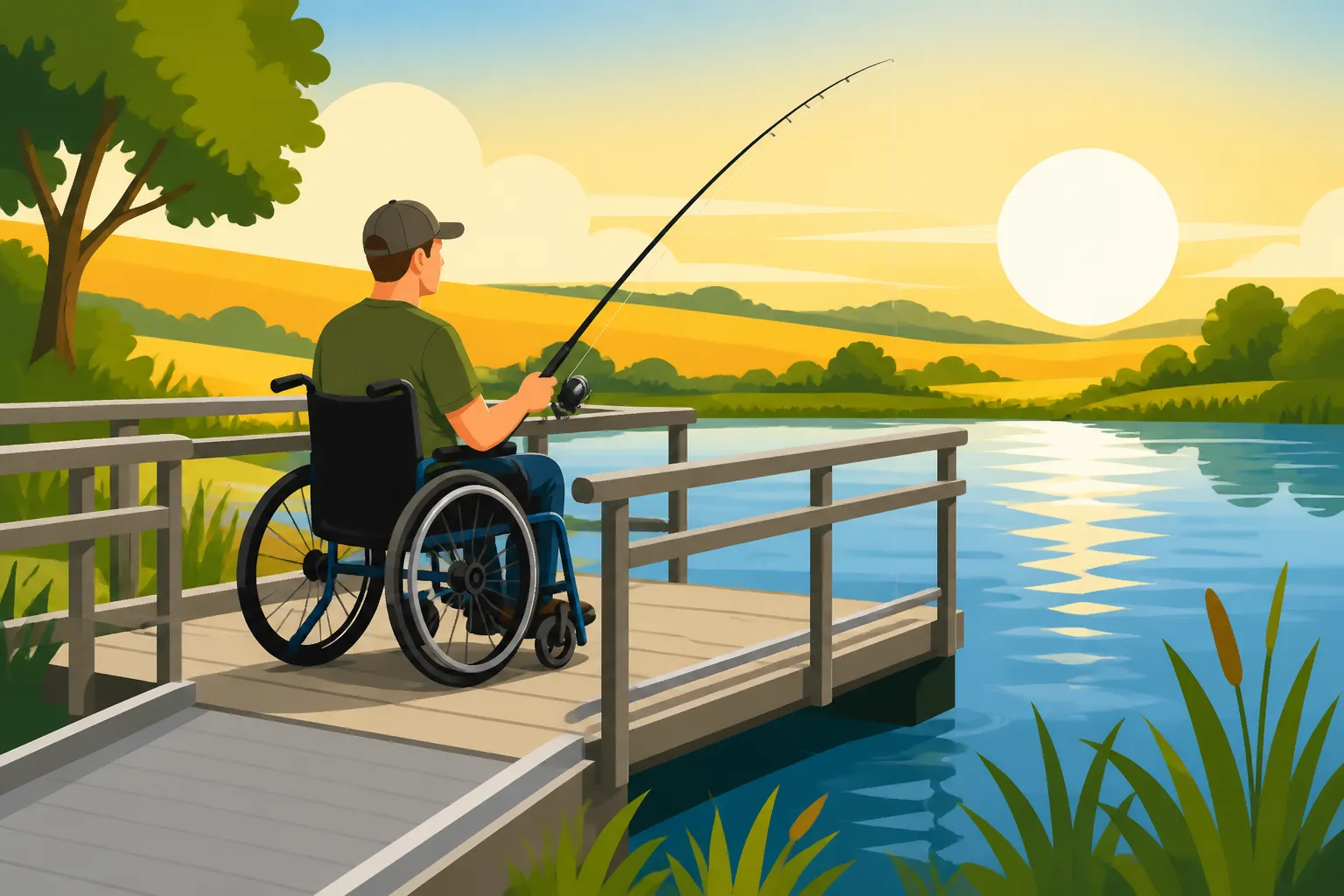
When we talk about an accessible fishing pier, we're looking beyond just a ramp. A truly inclusive design considers the entire experience from arrival to casting. Imagine pulling up to a designated accessible parking spot, then smoothly navigating a paved or hard-packed gravel path that's wide enough for a wheelchair or scooter. The pier itself should offer ample space for maneuvering, often wider than standard piers, with lowered sections of railing or open areas that allow for comfortable casting from a seated position. These thoughtful touches make all the difference, transforming a potential barrier into an inviting opportunity.
Beyond the physical structure, accessible piers often incorporate other critical features. These might include accessible restrooms nearby, shaded areas for comfort during long days, and perhaps even adaptive equipment stations in some more advanced facilities. It's about minimizing obstacles and maximizing independence, ensuring that the focus remains on the fishing itself, not on overcoming unnecessary challenges. The Kansas Department of Wildlife, Parks and Tourism (KDWPT) has made significant strides in upgrading facilities, but knowing what to look for helps you choose the right destination.
The Benefits of Designated Accessible Spots
The advantages of accessible fishing spots extend far beyond convenience. For disabled anglers, these locations offer a sense of freedom and inclusion that might be hard to find elsewhere. It’s not just about catching fish; it’s about participating fully in a beloved pastime, sharing moments with family and friends, and experiencing the therapeutic benefits of being outdoors. These spots foster a welcoming environment, encouraging more people to engage with Kansas's natural resources.
Moreover, these accessible sites often come with additional amenities that enhance the overall experience for everyone. Well-maintained paths, sturdy railings, and clean facilities benefit all visitors, making the location more enjoyable for families with strollers, elderly individuals, or anyone simply looking for a more comfortable outing. Investing in accessibility is an investment in community and the universal love of fishing. It allows families to make memories together without unnecessary stress, reinforcing the idea that the outdoors is truly for everyone.
Top Accessible Fishing Piers and Locations in Kansas
Kansas boasts a growing number of lakes, reservoirs, and community ponds that have made admirable efforts to enhance accessibility. While it's always wise to call ahead to confirm current conditions or specific needs, several locations consistently receive high marks for their commitment to disabled anglers.
Major Reservoirs with Accessible Options
Many of Kansas's largest reservoirs understand the importance of accessibility and have invested in robust facilities. These bigger lakes not only offer space and amenities but also provide fantastic fishing opportunities for various species.
Milford Lake (Junction City/Geary County): As the largest lake in Kansas, Milford Lake offers several accessible features. The South Access Area near the dam, for example, often has paved paths leading to fishing platforms or designated bank fishing areas. The Milford State Park office can provide up-to-date information on the most accessible spots. Anglers here can target walleye, crappie, and catfish. You might even find some accessible docks near the marinas. Check with the park staff, as specific accessible piers or areas can change or be improved over time. Accessing these state park areas might require a Kansas State Park Fishing Permit Rules in addition to your fishing license.
Cheney Reservoir (Pretty Prairie/Kingman County): Located west of Wichita, Cheney Reservoir is another popular spot known for its walleye and wiper fishing. Several day-use areas and campgrounds around Cheney have accessible amenities, including pathways to fishing docks. The KDWPT maintains several accessible points, often near main boat ramps or picnic areas. When planning your trip, consider visiting the West or East Shore areas, which typically have better infrastructure. Remember that even on a beautiful sunny day, strong winds can make things challenging, so checking weather conditions is always a good idea.
El Dorado Lake (El Dorado/Butler County): El Dorado Lake, known for its bass and crappie fishing, also offers a variety of accessible facilities. The Bluestem Point area is often cited for its accessible fishing pier, offering a wide, stable platform and railings designed for easy access. The lake's modern facilities and ample parking make it a comfortable destination. These locations are designed to provide clear, unobstructed access to the water, which is particularly beneficial for those using wheelchairs. You can expect to find a diverse range of fish here, making it a rewarding experience.
Community Fishing Lakes and Urban Ponds
Beyond the massive reservoirs, many smaller community fishing lakes and urban ponds across Kansas have excellent accessible facilities, often closer to populated areas. These spots are fantastic for a quick trip or for introducing new anglers to the sport, offering a more intimate fishing experience.
Sedgwick County Park (Wichita): This park is a prime example of urban fishing done right. With multiple ponds, many areas feature smooth, paved paths and easily accessible shoreline fishing spots, often with flat, stable surfaces. Some of these ponds even have specially designed fishing stations that cater to anglers with mobility needs. It's a fantastic place for channel catfish, bluegill, and even some largemouth bass. These community lakes often get stocked regularly, which means more consistent action.
Shawnee Mission Park Lake (Shawnee/Johnson County): In the Kansas City metro area, Shawnee Mission Park Lake offers several accessible features. Paved trails lead to accessible fishing docks and jetties, providing good access for anglers. The lake is regularly stocked with trout during the winter months, in addition to bass, crappie, and catfish, offering diverse fishing throughout the year. The well-maintained parks and facilities make this a top choice for a convenient, accessible fishing trip. The ease of access makes it a perfect spot for families or individuals looking for a peaceful outing without a long drive.
Lake Shawnee (Topeka/Shawnee County): Lake Shawnee is another excellent choice, providing accessible fishing piers and well-maintained bank access. The lake is a popular destination for a variety of species, including wipers, channel catfish, and largemouth bass. Its large size and numerous amenities, including accessible restrooms, make it a comfortable and enjoyable spot for a full day of fishing. This lake, like many others, might have specific rules, so it’s always a good idea to check the Kansas Fishing Regulations Explained before you go.
Here's a quick overview of some accessible spots:
| Location | City/County | Primary Accessible Features | Common Fish Species Targeted | Notes |
|---|---|---|---|---|
| Milford Lake (South Access) | Junction City/Geary County | Paved paths, some accessible platforms | Walleye, Crappie, Catfish | Check with Milford State Park for specific pier conditions. |
| Cheney Reservoir | Pretty Prairie/Kingman County | Accessible pathways to docks/shoreline | Walleye, Wiper, Catfish | Several day-use areas offer good access. |
| El Dorado Lake (Bluestem) | El Dorado/Butler County | Wide, stable accessible fishing pier | Largemouth Bass, Crappie, Striped Bass | Good parking and modern facilities. |
| Sedgwick County Park | Wichita/Sedgwick County | Paved paths, accessible shoreline spots | Channel Catfish, Bluegill, Largemouth Bass | Urban fishing, regularly stocked ponds. |
| Shawnee Mission Park Lake | Shawnee/Johnson County | Paved trails, accessible docks/jetties | Trout (winter), Bass, Crappie, Catfish | Great for quick trips in the KC metro. |
| Lake Shawnee | Topeka/Shawnee County | Accessible piers, well-maintained banks | Wipers, Channel Catfish, Largemouth Bass | Large lake with diverse fishing and amenities. |
| Clinton Lake (Overlook) | Lawrence/Douglas County | Accessible parking & paved access | Walleye, Crappie, Catfish, White Bass | Scenic views with accessible routes to fishing spots. |
Tips for a Successful Accessible Fishing Trip
Planning is paramount when you're seeking a genuinely accessible fishing experience. A little forethought can make the difference between a frustrating outing and a wonderfully rewarding day on the water.
Planning Your Accessible Outing
Before you even load your gear, do some research. Start by visiting the KDWPT website, which often provides details on accessible facilities at state parks and public lands. Many local park and recreation departments also list accessible features for their community ponds. Don't hesitate to call the park office or local bait shop directly. They can offer real-time information about conditions, construction, or temporary closures that might affect accessibility. This personal contact can save you a lot of grief. Ask about the type of surface on the paths, the height of railings, and the proximity of accessible restrooms.
Consider the time of year and day. Crowds can make navigating tight spaces more difficult. Weekdays or early mornings are often less busy. Also, be mindful of weather conditions; a sudden downpour can turn a manageable dirt path into a muddy mess, and extreme heat can be dangerous without proper shade. Pack essentials like water, snacks, sunscreen, and any personal mobility aids you might need. If you’re looking to purchase adaptive equipment, reputable online retailers like Amazon offer a wide selection of specialized rod holders, grip aids, and comfortable seating options that can enhance your fishing comfort and independence. Having the right setup can make a huge difference in your enjoyment.
Adaptive Fishing Techniques and Equipment
Accessible fishing isn't just about the location; it's also about adapting your approach and equipment to maximize comfort and success. There's a wealth of innovative gear out there designed to assist anglers with various needs. For instance, specialized rod holders can attach to wheelchairs or boat railings, allowing hands-free fishing or easy manipulation of the rod. Long-handled landing nets can make it easier to retrieve your catch without bending or overreaching.
For baiting and unhooking, consider tools with larger grips or extended handles. There are even electric reels available for those with limited hand strength, making reeling in a fish much less strenuous. For anglers who struggle with fine motor skills, pre-tied rigs and easily attachable lures can simplify the process. Many helpful accessories are readily available through online stores like Amazon, from simple rod rests to more complex adaptive devices. Don't be afraid to experiment and find what works best for you. Learning Kansas Fishing Techniques for Beginners can be a great starting point, and then adapting those techniques to your specific needs.
Essential Gear and Resources for Disabled Anglers
Having the right gear and knowing where to find additional support can significantly enhance your accessible fishing adventures. It's about empowering yourself with knowledge and tools.
Recommended Adaptive Fishing Gear
Beyond the standard rod and reel, several pieces of gear can specifically benefit disabled anglers.
- Rod Holders: These are probably the most crucial adaptive items. Whether they clamp onto a wheelchair, a boat railing, or stand independently on a pier, a good rod holder frees your hands and allows you to rest while waiting for a bite. Look for models that are easily adjustable for angle and height. Many sturdy and versatile options are available on platforms like Amazon.
- Accessible Seating: While many piers have benches, bringing your own comfortable, stable, and easily portable chair can make a world of difference, especially if you plan on extended fishing sessions. Some chairs offer lumbar support or wider bases for extra stability.
- Long-Handled Nets: Landing a fish can be tricky, especially from a seated position. A net with an extended handle allows you to reach further out from the pier or bank, ensuring you can safely scoop up your catch without straining.
- Grip Aids and Adaptive Tools: For those with limited hand dexterity, products like universal cuff holders can secure baiting tools or even a fishing rod. Magnetic hook removers and fish holders can also simplify the process of handling fish.
- Fishing Carts: Even on accessible paths, getting all your gear from the car to the pier can be a workout. A sturdy fishing cart or wagon with large, all-terrain wheels can transport your tackle box, cooler, and other essentials with ease.
- Waterproof and Sun-Protective Clothing: Kansas weather can be unpredictable. Layers of comfortable, quick-drying clothing, a wide-brimmed hat, and polarized sunglasses are always a good idea. Polarized sunglasses, often found through retailers like Amazon, can also help cut glare on the water, making it easier to spot fish.
Remember, the goal is to enhance your comfort and independence, so choose gear that genuinely addresses your specific needs. You can explore a wide range of options in a Kansas Fishing Gear Guide to find what suits you best.
Connecting with Local Resources and Communities
You're not alone in your passion for fishing, and there are many organizations and communities dedicated to supporting disabled anglers.
- Kansas Department of Wildlife, Parks and Tourism (KDWPT): The KDWPT website is your primary resource for information on regulations, licenses, and specific accessible facilities. They often publish guides or lists of accessible areas, and their staff can answer specific questions. You can find information on everything from Kansas Fishing License Cost by Type to specific lake details.
- Local Fishing Clubs and Organizations: Many local fishing clubs are incredibly welcoming and can offer advice on local accessible spots, share adaptive techniques, or even provide mentorship. Connecting with fellow anglers can open up new opportunities and friendships.
- Adaptive Sports Programs: Some community centers or non-profit organizations offer adaptive sports programs that include fishing clinics or outings specifically for individuals with disabilities. These programs can be a fantastic way to learn new skills, try out different equipment, and meet like-minded people.
- Online Forums and Social Media Groups: Online communities dedicated to disabled anglers can be invaluable. Here, you can ask questions, get recommendations for gear and locations, and share your experiences with a supportive audience. A quick search can often reveal a wealth of localized information and peer support.
By tapping into these resources, you can not only find suitable fishing locations but also build a supportive network that enhances your entire fishing journey. Don't forget that programs like Kansas Children's Lifetime Fishing License and Kansas Fishing License Exemptions can also make fishing more accessible for various groups, so always check eligibility.
Disclaimer
Fishing regulations and accessible facilities can change. While this guide aims to provide accurate and up-to-date information, it is always recommended to consult the official Kansas Department of Wildlife, Parks and Tourism (KDWPT) website or contact local park authorities directly before planning your trip to confirm current rules, conditions, and accessibility features.