Do Kids Need a Fishing License in Kansas?
One of the most common questions I hear from parents looking to introduce their children to the wonderful world of angling in Kansas is, "Do kids actually need a fishing license?" It's a completely valid concern. You want to make sure you're following the rules, but you also don't want to jump through unnecessary hoops or spend money if it's not required, especially when you're just trying to spark a love for the outdoors. This guide will meticulously break down the Kansas Department of Wildlife, Parks and Tourism (KDWP) regulations, clarify age requirements, and offer practical advice for getting your young ones hooked on fishing without any licensing headaches.
The Age Question: When Does a Kansas Fishing License Become Necessary for Kids?
It’s easy to get caught up in the details of regulations, especially when it comes to something as specific as fishing licenses for minors. Parents often worry about accidentally breaking a rule or missing an important step that could dampen a fun family outing. Thankfully, Kansas has made it quite straightforward to get younger children involved in fishing, with clear guidelines designed to encourage participation.
No License Needed Under 16: The Good News for Young Anglers
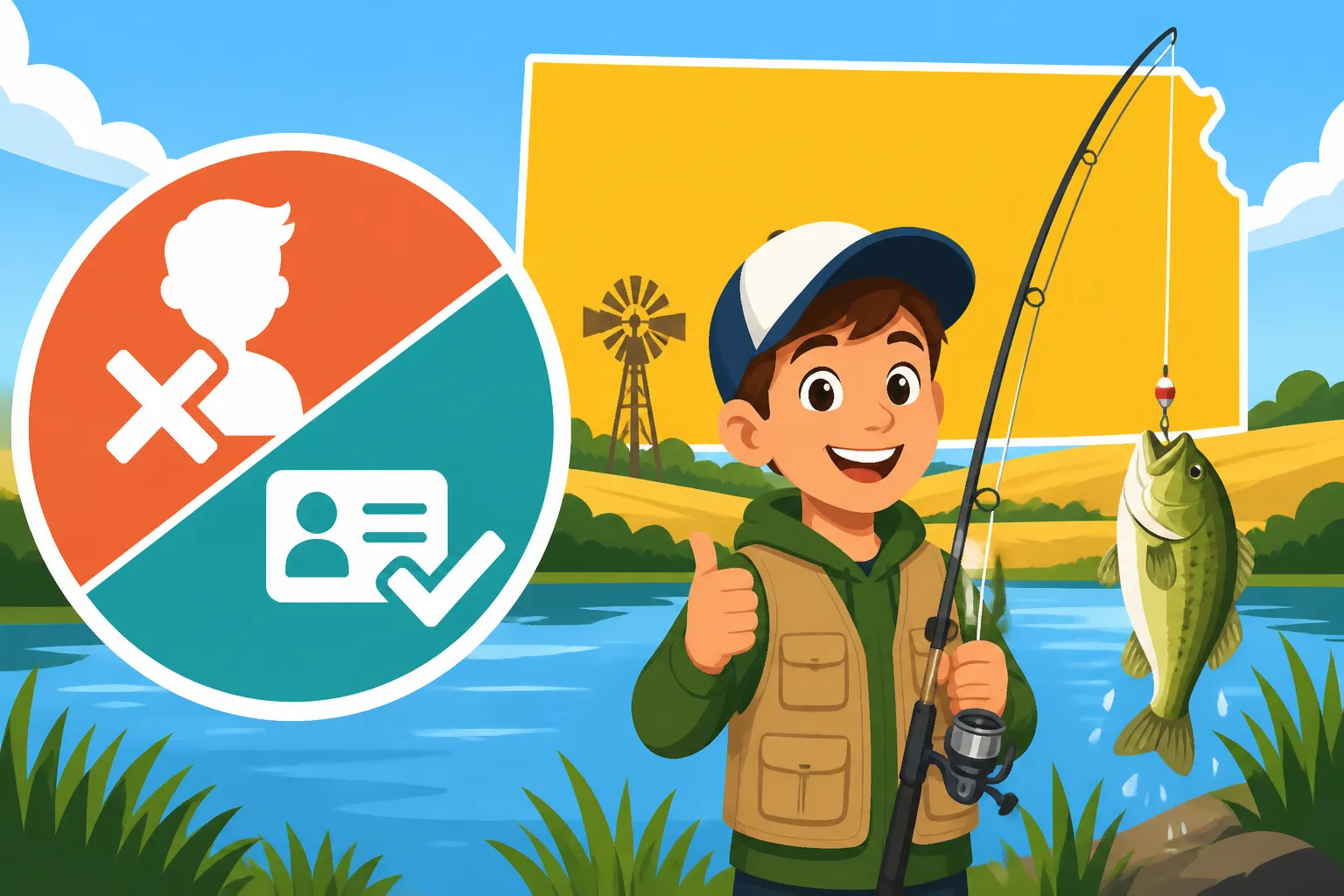
Let's cut right to the chase with the best news for parents and guardians: children under the age of 16 do not need a fishing license to fish in Kansas. This is a fantastic policy that genuinely encourages families to get out on the water and experience the joys of fishing together. Imagine planning a weekend trip to a spot like Lake Shawnee near Topeka or even a larger reservoir like Milford Lake. If your kids are 15 or younger, you can pack up your gear, grab some bait, and head out without a second thought about buying them a separate license. This exemption is universal, applying whether your family resides in Kansas or is visiting from out of state. It removes a significant barrier for many who might otherwise hesitate to try fishing.
This age cutoff means that for those crucial formative years, when kids are just discovering the tug on the line and the excitement of a catch, there’s one less thing for you to worry about. It allows parents to focus on teaching proper techniques, identifying fish species, and simply enjoying quality time outdoors. This inclusive approach is detailed further in guides like Fishing License Age Requirements in Kansas, which outlines all the age-related rules. It’s a policy rooted in the understanding that fostering a love for nature and outdoor recreation in children is paramount. So, go ahead and let your little ones cast away; the Kansas waters are open to them without a general license.
The Transition at 16: What Changes for Teen Anglers
While the freedom of license-exempt fishing is wonderful for younger kids, there comes a point where every budding angler in Kansas steps into the realm of adult responsibilities: their 16th birthday. Once a young person turns 16, they are legally considered an adult in the eyes of the KDWP when it comes to fishing licenses. This means that from that day forward, they will need to purchase a valid Kansas fishing license to legally fish in public waters. This transition is a significant milestone, marking their entry into the broader community of licensed anglers who contribute directly to the conservation efforts that make Kansas fishing so great.
The good news is that obtaining a license is relatively simple. A 16-year-old can purchase an annual resident fishing license, which currently costs around $25. They can do this easily online through the KDWP website, at a local license vendor like Walmart, or even at many bait and tackle shops across the state. It's a rite of passage, really, and an opportunity to teach them about their role in sustaining Kansas's natural resources. While it might seem like a small fee, it directly supports fish stocking programs, habitat improvements, and enforcement efforts that benefit all anglers. For more information on the costs associated with becoming a licensed angler, you might find articles like Kansas Resident Annual Fishing License Costs $25 incredibly helpful, along with a comprehensive guide on Where to Buy a Kansas Fishing License. Preparing your teenager for this transition ensures they continue to enjoy fishing responsibly for years to come.
Beyond the Basic License: Special Permits and Free Opportunities for Youth
While the general fishing license rules for kids are quite clear – under 16, no license needed – Kansas has a few nuances and some fantastic programs designed to further encourage youth participation. It’s not just about avoiding penalties; it’s about making fishing accessible and enjoyable for every age group, and these special considerations are key to achieving that goal.
Navigating Trout Permits for Younger Anglers
Here's where things get a little bit specific, so it’s important to pay attention to this detail: while your child under 16 doesn't need a general fishing license, they will need a trout permit if they are between the ages of 10 and 15 and plan to fish in designated trout waters during the specific trout season. This often comes as a surprise to parents, as the general "under 16" rule is so widely known. Kansas's trout program is special; these are typically put-and-take fisheries, meaning rainbow trout are stocked by the KDWP for anglers to enjoy, often in urban community ponds or specific lake areas. The cost of stocking these fish is partially defrayed by the sale of these permits.
For example, if your 12-year-old wants to try their hand at catching rainbow trout at a stocked pond like Vic's Lake in Wichita during the winter trout season, they would need a Kansas Youth Trout Permit. This permit, which is separate from a general fishing license, currently costs around $7. Kids under 10 are completely exempt from both a fishing license and a trout permit. This distinction is crucial for anyone targeting trout with their junior anglers. You can find detailed information on these requirements in our Kansas Trout Permit Guide or check out specifics on Kansas Youth Trout Permit Costs $7. Understanding these specific regulations ensures that your special trout fishing adventure remains completely above board and enjoyable for everyone involved.
Leveraging Kansas Free Fishing Days and Community Lakes
Beyond the standard licensing structure, Kansas offers fantastic opportunities that make fishing even more accessible, especially for families and new anglers. One of the absolute best ways to introduce kids of any age, including those who are 16 and older or even adults new to the sport, is through Kansas Free Fishing Days. Usually held during the first weekend in June, these days allow anyone, regardless of age, to fish public waters without a license. It’s the perfect, no-pressure environment to try out fishing for the first time or to bring along relatives who might not fish regularly. Imagine a beautiful summer day at Lake Wilson, with everyone casting lines and enjoying the experience, knowing that no one needed to buy a license. This wonderful initiative is highlighted in our Kansas Free Fishing Days Guide, and you can specifically confirm if Do You Need a License on Kansas Free Fishing Days? for those dates.
Another invaluable resource for family fishing is the network of Kansas Community Fishing Lakes. These lakes, often located near urban centers, are specifically managed by the KDWP to provide convenient, family-friendly fishing opportunities. They are frequently stocked with a variety of popular species like catfish, crappie, and bass, and many have excellent amenities like accessible fishing piers, paved trails, and picnic areas. While general license rules still apply (under 16 free, 16 and older need a license), these lakes are often ideal learning grounds. The accessibility and consistent stocking make them fantastic places for kids to actually catch fish, which is crucial for building enthusiasm. You can learn more about these welcoming spots in the Kansas Community Fishing Lake Rules guide, which details specific regulations that might apply to these local gems. Utilizing these programs and locations makes it easier than ever to foster a lifelong love for fishing in your children.
Equipping and Educating Your Next-Generation Kansas Angler
Getting kids interested in fishing is about more than just licenses and regulations; it's about making it fun, engaging, and educational. Equipping them with the right gear and, more importantly, instilling a sense of responsibility and conservation, lays the groundwork for a lifetime of enjoyment on Kansas's beautiful waters.
Choosing the Right Gear for Little Hands
When you’re introducing a child to fishing, the right gear makes all the difference. You don't need to break the bank or get anything overly complicated. In fact, simpler is often better. Look for a kid-specific rod and reel combo that is durable, easy to cast, and appropriately sized for small hands. Many sporting goods stores like Cabela's or even large retailers offer beginner combo kits that come pre-spooled with line and might even include a small tackle box with basic essentials. You can also find a fantastic selection of these on Amazon, making it easy to compare options and read reviews from other parents. A 4 to 5-foot spinning rod with a small, easy-to-use reel is usually perfect.
Beyond the rod and reel, think about the basics. A handful of small hooks (size 6 or 8), a few bobbers, some split-shot weights, and a small pair of pliers or a hook remover are really all you need. Live bait, like worms or crickets, is often the most successful and exciting for kids, as they get to interact with it before it goes on the hook. Alternatively, soft plastic grubs or small spinners can also work well. The goal is to maximize their chances of catching something, because that initial success is what truly ignites their passion. For more specific recommendations, take a look at our guides on Best Youth Fishing Rod for Kansas Ponds and Best Gear for Kids Fishing in Kansas, which offer great insights into making smart choices for your junior angler's first setup.
Instilling Responsibility: Regulations, Safety, and Conservation
Introducing children to fishing is a golden opportunity to teach them about respect for nature, responsible outdoor practices, and the importance of rules. Beyond just the license requirements, it's crucial to explain why we have fishing regulations in the first place. Talk to them about catch-and-release practices for certain species, the concept of length limits to protect spawning fish, and daily creel limits to ensure sustainable populations. A brief overview of the Kansas Fishing Regulations Explained can be a great starting point for both you and your aspiring angler. Similarly, discussing Kansas Daily Creel Limits by Species helps them understand what fish they can keep and how many.
Safety on the water is non-negotiable. Always ensure your child wears a properly fitting life jacket, especially if you’re fishing from a boat, near deep water, or if they're not strong swimmers. There are many comfortable and kid-friendly personal flotation devices (PFDs) available, and places like Amazon offer a wide variety of sizes and styles. Teach them how to handle hooks safely, both when baiting and when releasing a fish. Sun protection – hats, sunscreen, and appropriate clothing – is also vital for long days outdoors. Finally, instill the "pack it in, pack it out" philosophy. Emphasize leaving no trace, picking up any trash (even if it's not yours), and protecting the beauty of Kansas's fishing spots. These lessons are far more valuable than any fish they'll ever catch.
Planning Your Family Fishing Adventures in Kansas
Fishing with kids isn't just about the act of catching fish; it's about the entire experience. It's the journey to the lake, the snacks packed, the stories told, and the memories made. To ensure these adventures are positive and successful, a little planning goes a long way.
Finding Family-Friendly Fishing Spots
Kansas is blessed with a wealth of fishing opportunities, from vast reservoirs to serene community ponds. When planning a trip with kids, prioritize accessibility and amenities. Many Kansas State Parks, like Clinton Lake State Park or El Dorado State Park, offer fantastic bank access, fishing piers, restrooms, and sometimes even playgrounds. Urban community fishing lakes, often located within city limits, are specifically designed for ease of access and usually have a high success rate for catching panfish or catfish, which are perfect for young anglers. These smaller, often calmer waters are less intimidating than the vastness of a large reservoir.
Before you go, do a little scouting. Check the KDWP website for recent stocking reports or fishing forecasts for your chosen location. Look for areas with shade, picnic tables, and safe, stable banks. The goal is to find a spot where your child feels comfortable and has a good chance of getting a bite. Remember, proximity to home can also be a huge factor; a shorter drive means less "are we there yet?" and more fishing time.
What to Expect: A Realistic Look at Fishing with Kids
Let’s be real for a moment: fishing with kids isn't always picturesque. Sometimes it's tangled lines, lost bait, and short attention spans. But that's perfectly okay! The key to a successful family fishing trip is managing expectations and prioritizing fun over a trophy catch. Bring plenty of snacks and drinks, as hunger and thirst can quickly derail an outing. Pack other activities, like a small ball or a sketchbook, for when their interest in fishing wanes. Remember, a half-hour of focused fishing followed by exploring the shoreline or playing in the grass can be more impactful than forcing them to sit still for hours.
Celebrate every success, no matter how small – a nibble, a lost fish, or even just a successful cast. If the fish aren't biting, don't sweat it. Focus on the scenery, the wildlife you might spot, and the simple joy of being outdoors together. The goal isn't to create a professional angler overnight, but to foster an appreciation for nature and create lasting family memories. The quiet moments, the shared laughter, and the excitement of even the smallest catch will be the things they remember most, far more than any specific license requirement.
Disclaimer
Please note that fishing regulations in Kansas can change. While this guide provides accurate information as of its publication, it is always your responsibility to consult the official Kansas Department of Wildlife, Parks and Tourism (KDWP) regulations or website (ksoutdoors.com) before heading out. This content is for informational purposes only and does not constitute legal advice.