Age Cutoff for Free Kids Fishing in Kansas
One common question that pops up for families heading out to the beautiful lakes and rivers of Kansas is, "At what age do my kids need a fishing license?" It can be confusing trying to figure out when a fun, free outing suddenly requires some paperwork and a small fee. This guide is here to clear up all that uncertainty, so you can focus on making memories on the water without worrying about breaking any rules.
Understanding the Free Fishing Age Cutoff in Kansas
It's a fantastic feeling to take a child fishing, watching their eyes light up with excitement as they reel in their first catch. Kansas makes it easy for families to introduce their youngsters to the joys of angling by offering free fishing for a significant portion of their childhood. However, like all good things, it eventually comes with an age limit.
The Magic Age: When a License Becomes Necessary
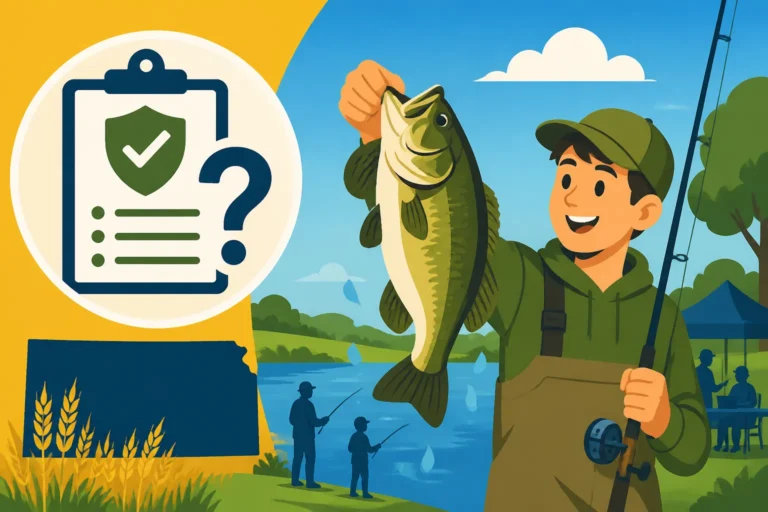
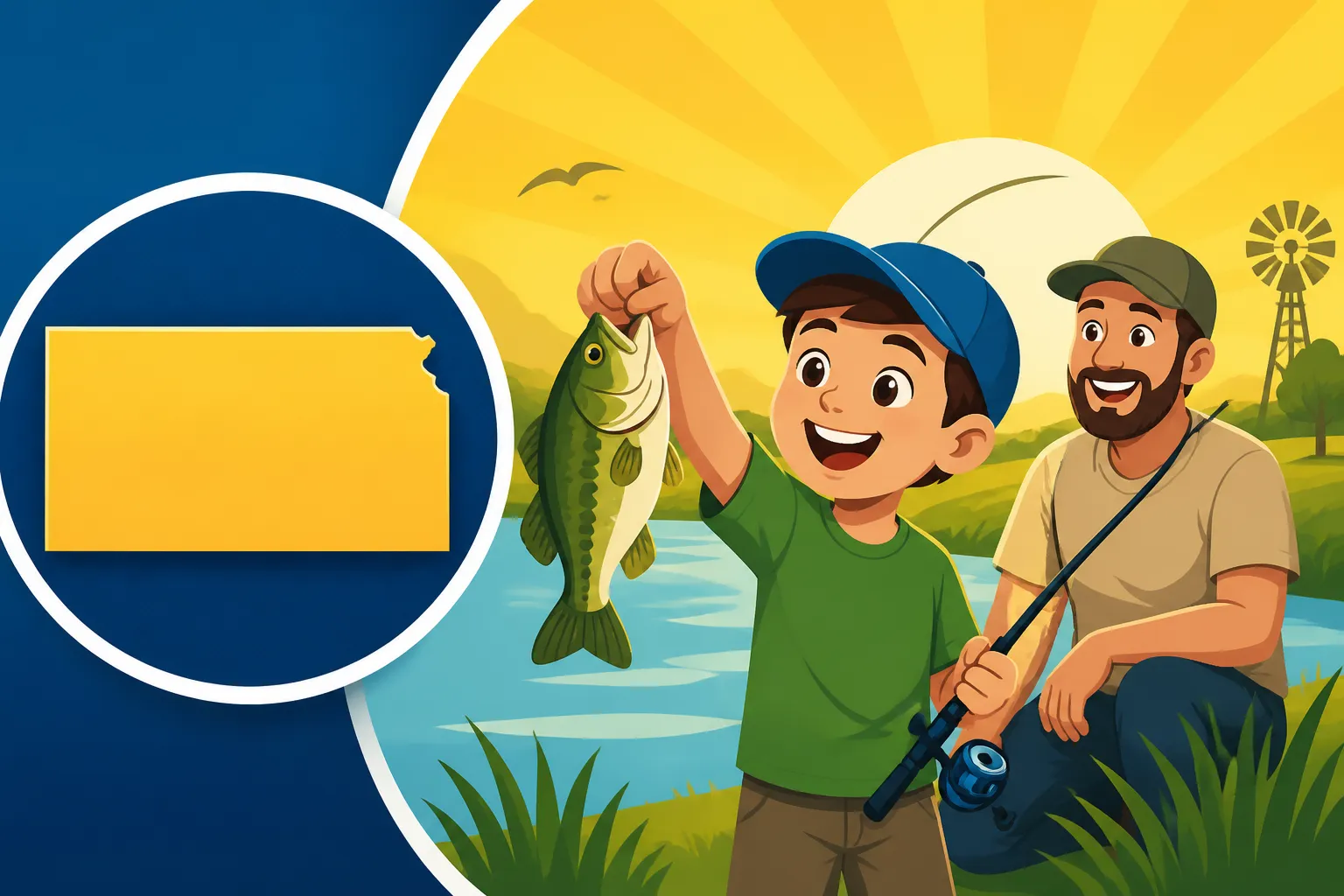
In Kansas, children can enjoy fishing absolutely free of charge up until they reach their 16th birthday. That's right, if your child is 15 years old or younger, they do not need a fishing license to cast a line in Kansas waters. This exemption is a wonderful initiative by the Kansas Department of Wildlife and Parks (KDWP) to encourage youth participation in outdoor activities and foster a love for fishing from a young age. It means years of stress-free fishing trips for the little ones, allowing them to experience the thrill without any upfront cost or bureaucratic hurdles.
This age cutoff is pretty standard across many states, aiming to balance encouraging youth involvement with revenue generation for conservation efforts. It's a system designed to support family outings and provide an accessible entry point into the sport. Many parents and grandparents appreciate this window of free fishing, as it lowers the barrier to entry significantly, especially for families with multiple young children.
What Happens When Your Child Turns 16
The day your child turns 16, they are officially considered an adult angler in the eyes of the KDWP. On their 16th birthday, or any day thereafter, they will need to purchase an adult fishing license to continue fishing legally in Kansas. It's not uncommon for a family to forget this transition, especially if they've had years of simply showing up to the lake. But it's a crucial detail to remember.
This transition marks a new chapter in their fishing journey. It's a moment when they become active contributors to the conservation efforts that help maintain the fish populations and habitats they've enjoyed for so long. Explaining this to them can be a great way to instill a sense of responsibility and stewardship. Encourage them to see it not as a burden, but as their direct contribution to keeping Kansas fishing vibrant for future generations. Just like adults need a permit, this is their step into adult angling responsibility.
Navigating Specific Fishing Scenarios with Kids
While the general rule for kids' fishing licenses is straightforward, Kansas has a few additional regulations and opportunities that are important to understand, especially concerning special permits or designated fishing areas.
Fishing with an Adult and Special Permits
It's common for younger anglers to fish alongside a parent, grandparent, or guardian. When a child under 16 is fishing with a licensed adult, the adult's license covers them for general fishing activities. However, it's vital to note that this exemption typically covers the basic fishing license. If you're planning on participating in specialized fishing, like trout fishing, additional permits might be required, even for kids.
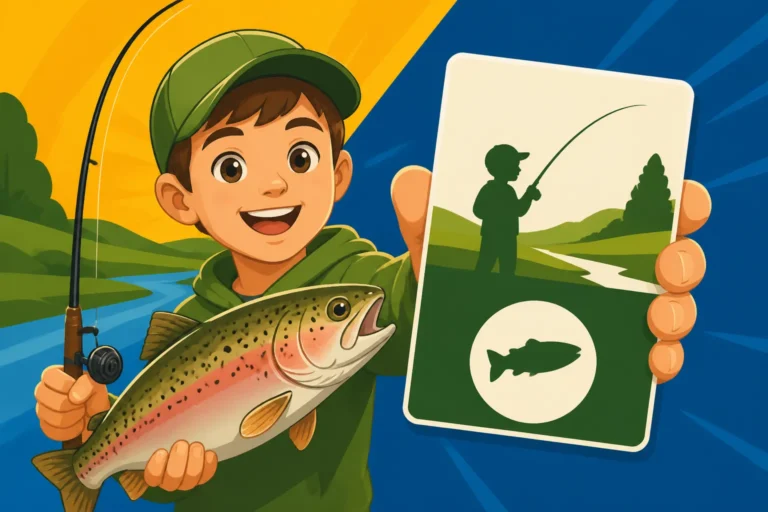
For instance, the KDWP annually stocks various lakes and ponds with rainbow trout during the cooler months. To fish for these stocked trout, nearly all anglers, regardless of age, need a separate Trout Permit. This is a common point of confusion. So, while your 10-year-old doesn't need a general fishing license, they will need a Kansas Trout Permit Guide if they want to reel in a rainbow trout from a designated stocking location. It's a small fee, but it directly supports the stocking program. Always double-check the specific regulations for the type of fish you're targeting and the body of water you're visiting. You can find detailed information in the Kansas Fishing Regulations Explained on the KDWP website.
Free Fishing Days and Community Fishing Lakes
Kansas offers special "Free Fishing Days" each year, typically in June, where everyone, residents and non-residents alike, can fish without needing a license. These days are fantastic opportunities for families to try fishing without any financial commitment for licenses, providing a perfect trial run for new anglers of any age. Even adults who might not fish regularly can join their kids without buying a license on these specific days. You can learn more about these special events in our Kansas Free Fishing Days Guide.
Furthermore, Kansas has a wonderful network of "Community Fishing Lakes" – smaller ponds and lakes often located within city limits, specifically managed for easy public access and good fishing. Many of these lakes, while falling under general state regulations, are often the first place kids wet a line. The age exemption for licenses still applies at these locations, making them ideal spots for a quick, convenient family fishing trip. The KDWP does a great job of keeping these areas well-stocked and accessible. For specifics on these local gems, check out our Kansas Community Fishing Lake Rules.
Preparing for a Successful Youth Fishing Trip
Taking kids fishing is about more than just catching fish; it's about creating an enjoyable experience that fosters a love for the outdoors. Proper preparation can make all the difference, especially when you're dealing with varying attention spans and comfort levels.
Essential Gear for Young Anglers
Getting the right gear for kids is crucial for making fishing fun and not frustrating. You don't need to break the bank, but investing in kid-friendly equipment can prevent meltdowns and encourage participation.
Here's a breakdown of what to consider:
- Rod and Reel Combo: For young children, a spin-cast rod and reel is often the easiest to learn. These typically have a push-button release that simplifies casting and minimize tangles. Brands like Zebco often make excellent beginner combos that are durable and easy to use. For slightly older kids (around 10-15), a lighter spinning rod and reel might be a good progression, offering more control and sensitivity. Finding the right gear can make all the difference, and online retailers like Amazon offer a fantastic selection. From kid-sized rods and reels to tackle boxes brimming with colorful bobbers and safe hooks, you can find almost anything you need on Amazon.
- Tackle Box: A small, lightweight tackle box filled with essentials like bobbers, sinkers, hooks (size 6-10 is usually good for panfish), and perhaps a few simple lures (like small spinners or jigs) is perfect. Keep it simple; too many options can be overwhelming.
- Bait: Live bait like worms or minnows are almost always a hit with kids and often the most effective for catching various species. PowerBait or small pieces of hot dog can also work well for catfish or panfish.
- Comfort Items: Don't forget sunscreen, bug spray, hats, sunglasses, and plenty of water and snacks. A small cooler can keep drinks and bait fresh. Comfortable seating, like a portable chair, can also make a long wait more bearable.
Remember, the goal is enjoyment. If the gear is too complicated or heavy, it can quickly turn a fun outing into a chore. For those just starting out, a simple spinning rod and reel combo is perfect, and you can often find great beginner kits on Amazon that include a small tackle box and a few basic lures.
Teaching Conservation and Responsibility
Fishing is a fantastic opportunity to teach children about environmental stewardship and responsible outdoor ethics. This includes understanding catch-and-release practices, proper handling of fish, and the importance of not littering. Even if they're not yet old enough to need a license, they can learn the value of taking care of the natural resources that provide such enjoyment.
Discuss topics like why there are length limits on certain fish (like walleye or crappie) or why we only keep what we plan to eat. Explain how their future license fees will contribute to stocking programs and habitat restoration. These conversations help connect them to the bigger picture of conservation and ensure they grow up to be responsible anglers. Reviewing the Kansas Fishing License Guide together can be a fun way to introduce them to the rules of the road.
Making Every Trip Fun and Educational
Keep fishing trips with kids relatively short, especially for younger ones, to prevent boredom or frustration. Focus on the experience rather than just the catch count. Point out wildlife, talk about the types of fish you might catch, or even identify different plants along the shore. Let them help with setting up gear, baiting hooks (if they're comfortable), and reeling in fish.
If the fish aren't biting, have a backup plan. Bring a small net for catching minnows, a pair of binoculars for birdwatching, or even a book about local fish species. The key is to make it an adventure, fostering curiosity and appreciation for nature, regardless of how many fish end up in the cooler. It’s all part of building those lasting memories.
Transitioning to a Paid License: What to Expect at 16
The shift from free fishing to needing a license is an important milestone. When your child turns 16, it’s time to ensure they understand their new responsibilities and how to get their own license.
Where and How to Purchase a Kansas Fishing License
Once your child hits that 16-year mark, getting their first license is simple. The easiest and most common way to purchase a Kansas fishing license is online through the KDWP website. It’s a quick process where they can select the appropriate license type, provide their information, and print out a temporary license immediately. They can also save it on their phone to show to a game warden if needed. This convenience means you can get a license even at home right before a trip!
Alternatively, licenses can be purchased in person at various KDWP offices or authorized vendors throughout the state, including many bait and tackle shops, sporting goods stores, and even some Walmart locations. This can be a great option if you prefer a physical card or want to ask specific questions. For a comprehensive list of places, check out our guide on Where to Buy a Kansas Fishing License.
Understanding the Cost and License Types
The cost of a Kansas resident annual fishing license for someone 16 and older is quite reasonable, currently around $25. This fee contributes directly to the KDWP’s efforts in fish stocking, habitat management, public access, and law enforcement, ensuring quality fishing opportunities for everyone. There are various license types available, including annual, multi-year, and combination hunt/fish licenses.
For example, a standard Kansas Resident Annual Fishing License Costs $25. If your child is also interested in hunting, they might consider a Kansas Combination Hunt-Fish License, which can offer savings over purchasing both separately. It's important to choose the license that best fits their fishing habits and other outdoor interests. Remember, an additional permit like the Trout Permit will still be needed if they plan on fishing for trout, even with a general fishing license.
The Importance of Compliance
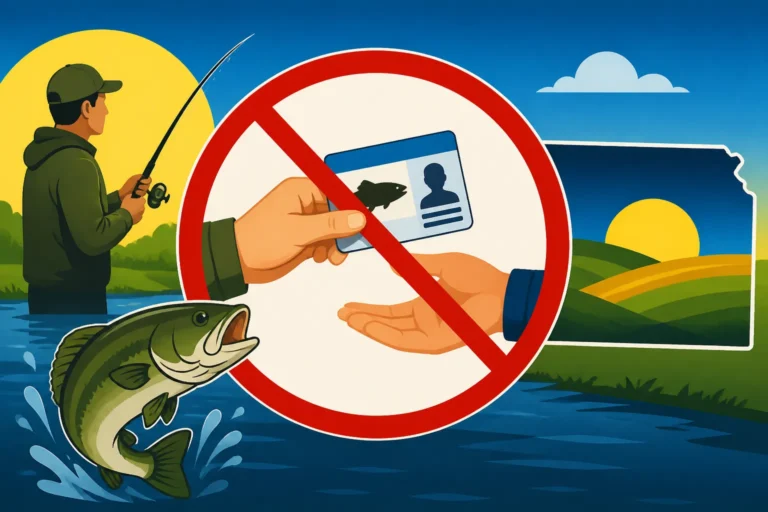
Fishing without the proper license once an angler turns 16 can lead to penalties, including fines. Kansas game wardens are dedicated to protecting the state's natural resources and ensuring everyone follows the rules. It’s a good idea to ensure your child understands these rules and the consequences of not having a valid license. This also reinforces the importance of their contribution to conservation. For more details on the repercussions, you can refer to Kansas Fishing Law Enforcement and Penalties.
| Age Group | Fishing License Required | Trout Permit Required (for trout) | Notes |
|---|---|---|---|
| 0-15 years old | No | Yes | Exempt from general fishing license; encourages youth participation |
| 16 years and older | Yes | Yes | Standard adult licensing applies; contributes to conservation |
| Free Fishing Days | No | No | Specific dates announced annually; great for trying out fishing |
Disclaimer
The information provided in this guide is intended for general informational purposes only and may not cover all specific regulations or situations. Fishing regulations, license requirements, and fees are subject to change by the Kansas Department of Wildlife and Parks. Always consult the official KDWP website or their current fishing regulations summary for the most accurate and up-to-date information before planning your fishing trip.