Kansas Fishing License Guide
Navigating the world of fishing licenses can feel like trying to untangle a stubborn knot in your fishing line – confusing, frustrating, and often leaving you wondering if you've done it correctly. Many anglers in Kansas, whether they're seasoned veterans or just starting out, often find themselves scratching their heads over which license they need, where to get it, or if they even need one at all. This comprehensive guide is designed to unravel all that confusion, giving you a crystal-clear understanding of the Kansas fishing license system so you can spend less time worrying about regulations and more time enjoying the beautiful waters of the Sunflower State.
Understanding the Importance of a Kansas Fishing License
It might seem like just another piece of paper or a digital file, but your Kansas fishing license is far more significant than a mere permit. It's a cornerstone of responsible angling and plays a critical role in the health and future of Kansas's aquatic ecosystems. Thinking of it as simply a bureaucratic hurdle misses the much larger picture of conservation and sustainable recreation.
Why Licensing Protects Our Waterways
When you purchase a fishing license, you're directly contributing to the extensive efforts of the Kansas Department of Wildlife, Parks, and Tourism (KDWP). These funds aren't just tossed into a general budget; they're specifically earmarked for crucial projects that directly benefit the fish populations and the waterways we all enjoy. Imagine the impact if no one contributed – monitoring fish health, managing invasive species, and ensuring water quality would all suffer. Your license fee helps keep our lakes, rivers, and streams vibrant and healthy.
For instance, KDWP biologists are constantly studying fish populations in places like Milford Lake or Cheney Reservoir, tracking their numbers, growth rates, and overall health. This data helps them make informed decisions about stocking programs, fishing limits, and habitat improvements. Without the steady revenue from license sales, these vital scientific endeavors, which are the backbone of a thriving fishery, would be severely hampered, leading to declines in both fish numbers and the quality of the fishing experience.
Funding Conservation Efforts
Beyond just direct fish management, your license fees support a broader spectrum of conservation initiatives across Kansas. This includes the restoration and protection of critical aquatic habitats, which are essential nurseries and feeding grounds for many fish species. Wetlands, riparian zones along rivers, and underwater structures in reservoirs all benefit from these funded programs. It’s not just about putting fish in the water; it’s about ensuring they have healthy places to live and reproduce naturally.
These funds also contribute to public access improvements, such as maintaining boat ramps, creating accessible fishing piers, and developing new fishing spots. Think about those well-maintained facilities you use at places like El Dorado Lake or Tuttle Creek Lake; a significant portion of their upkeep is supported by angler contributions. Furthermore, a portion of license sales often helps fund educational programs for young anglers and adults alike, promoting ethical fishing practices and fostering a deeper appreciation for nature. It's a holistic approach, ensuring that current and future generations can continue to experience the joy of fishing in Kansas.
The Legal Ramifications of Fishing Without One
Let's be blunt: fishing without a valid license in Kansas isn't just frowned upon; it's against the law. KDWP game wardens are out there actively patrolling our waters, and they take these regulations seriously. The consequences of being caught can range from a significant fine to the confiscation of your fishing gear, and potentially even court appearances. It's simply not worth the risk. The small cost of a license pales in comparison to the potential penalties you could face if you're found to be in violation.
Imagine planning a relaxing weekend trip, driving all the way to Wilson Lake, only to have your day cut short and your wallet emptied because you overlooked this crucial detail. It's an avoidable hassle that can turn a pleasant outing into a very stressful experience. Always ensure you have your license on your person, whether it's a physical copy or easily accessible on your phone, because ignorance of the law is not an acceptable defense. For a deeper dive into the repercussions, check out our guide on Kansas Fishing Law Enforcement and Penalties.
Who Needs a Kansas Fishing License?
One of the most common questions anglers have is whether they specifically need a license. It seems straightforward, but there are nuances based on age, residency, and even certain special circumstances. Understanding these distinctions is key to staying compliant and avoiding any unexpected issues on the water.
Age Requirements for Anglers
In Kansas, the rules regarding age are quite clear, but it's often a point of confusion for families. Generally, if you're 16 years of age or older and plan to fish, you need a license. This applies to both residents and nonresidents. Children under 16 years old are usually exempt from needing a general fishing license, which is fantastic news for encouraging young anglers to get involved in the sport without an initial financial barrier.
However, there can be exceptions, particularly for certain special permits. For instance, while a general license isn't required for younger kids, if they want to participate in certain specialized fishing activities, like trout fishing in designated waters, they might still need a Kansas Youth Trout Permit Costs $7. Always double-check the specifics if you're planning a unique fishing adventure with the little ones. The idea behind these age exemptions is to make fishing accessible and enjoyable for youngsters, fostering a love for the outdoors from an early age.
Resident vs. Nonresident Definitions
Kansas law defines residents and nonresidents differently for licensing purposes, and this distinction significantly impacts the cost of your license. A Kansas resident is generally someone who has resided in the state for 60 days immediately prior to applying for a license. This means you need to have established a domicile here, not just passed through. College students attending a Kansas institution can often qualify as residents even if their permanent home state is elsewhere, provided they meet specific criteria.
Nonresidents, on the other hand, are individuals who do not meet the Kansas residency requirements. This often includes people visiting from neighboring states like Missouri, Oklahoma, or Nebraska for a fishing trip. The fees for nonresidents are typically higher than for residents, reflecting the idea that residents contribute to the state's tax base year-round. It's crucial to correctly identify your residency status to ensure you purchase the appropriate license. Trying to pass as a resident when you're not can lead to serious fines and legal trouble. For more detailed information, our Kansas Nonresident Fishing License Guide provides an in-depth look.
Specific Exemptions You Might Qualify For
While most adults need a license, there are several exemptions that could apply to you. These are put in place for various reasons, including encouraging participation, recognizing service, or providing access during specific events. For instance, Kansas holds annual Kansas Free Fishing Days Guide where anyone, resident or nonresident, can fish without a license for a specific period, usually a weekend in June. These days are a fantastic opportunity for newcomers to try fishing or for families to enjoy an outing without the added cost of licenses.
Other exemptions include certain landowners or tenants fishing on their own property, individuals who are legally blind, and some disabled veterans who may qualify for a free or reduced-cost license. It's important to remember that even if you're exempt from the general fishing license, you might still need to adhere to other regulations, like possessing a special permit for specific species or locations, or adhering to length and creel limits. Always verify your specific situation with the KDWP if you believe you qualify for an exemption, as the rules can be nuanced. Our guide on Kansas Fishing License Exemptions details many of these situations.
Types of Kansas Fishing Licenses Available
Kansas offers a variety of fishing licenses designed to fit different needs, from a casual one-day trip to a lifelong commitment. Choosing the right one can save you money and ensure you're covered for all your angling adventures. It's not a one-size-fits-all situation, and understanding the options is crucial.
Annual, Multi-Year, and Short-Term Options
For many anglers, the most common choice is the annual fishing license. This license is valid for a full calendar year from the date of purchase, or sometimes from January 1st to December 31st, depending on the specific type. For a Kansas resident, the Kansas Resident Annual Fishing License Costs $25, which is a very reasonable price for a year of access to fantastic fishing opportunities. This is perfect if you plan on fishing regularly throughout the year, even if it's just a few times a month.
If you're an avid angler who knows you'll be fishing in Kansas for the foreseeable future, a multi-year option like the Kansas Resident Five-Year Fishing License Costs $100 can be a smart financial move. It locks in your rate and saves you the hassle of annual renewals. For those visiting or just trying out fishing, short-term licenses are ideal. Nonresidents can opt for a Kansas Nonresident One-Day Fishing License Costs $10 or a five-day license, which is great for a fishing vacation. Similarly, residents have options like the Kansas Resident One-Day Fishing License Costs $3.50 for a quick outing. These short-term licenses offer flexibility without requiring a full annual commitment.
Combination Licenses for the Multi-Sport Enthusiast
For those who enjoy more than just fishing, Kansas makes it convenient with combination licenses. If you're someone who likes to hit the woods for hunting as well as the water for fishing, a combination license can streamline your permits and often save you a bit of money compared to buying them separately. This is particularly appealing for individuals who partake in both deer season and the spring white bass run.
The Kansas Combination Hunt-Fish License covers both activities, meaning you only have one license to keep track of. It's a popular choice for active outdoorsmen and women who split their time between different pursuits. Before purchasing, it's wise to compare the cost of the combination license against buying individual fishing and hunting licenses to ensure it truly offers a savings for your specific situation. This option simplifies compliance and encourages broader participation in Kansas's diverse outdoor recreational opportunities.
Special Permits and Endorsements
Beyond the general fishing license, certain fishing activities or species require additional permits or endorsements. The most common of these is the trout permit. If you plan to fish for trout in any designated trout waters, such as the winter trout stocking program at certain community lakes, you absolutely need a Kansas Trout Permit. This applies even if you have a valid general fishing license. The Kansas Adult Trout Permit Costs $14.50 and is essential for participating in these specialized fisheries.
Other situations might require different permits. For instance, if you're fishing from a boat at certain state parks, you may need a State Park Vehicle Permit in addition to your fishing license. While not strictly a fishing permit, it's often a necessary cost associated with accessing prime fishing locations. Always check the KDWP regulations for the specific body of water you plan to visit, especially if it's a state park or a specialized fishery, to avoid any surprises. These permits help manage specific resources and ensure that popular, managed fisheries remain sustainable.
How to Purchase Your Kansas Fishing License
Getting your Kansas fishing license is generally a straightforward process, thanks to modern technology and a network of vendors. Gone are the days when you had to drive miles out of your way just to find a licensing agent. Now, convenience is truly at your fingertips, whether you prefer digital or a more traditional approach.
Buying Your License Online
For many, the easiest and quickest way to acquire a Kansas fishing license is online. The Kansas Department of Wildlife, Parks, and Tourism (KDWP) website offers a user-friendly portal where you can purchase licenses, permits, and even renew existing ones from the comfort of your home. This digital convenience means you can get your license at any time of day or night, ensuring you're ready to hit the water whenever the urge strikes.
To purchase online, you'll typically need to create an account or log in with existing credentials. Have your personal information, like your driver's license number, date of birth, and address, readily available. Once purchased, you'll usually receive a digital copy of your license via email, which you can then print or store on your smartphone. Many wardens are equipped to accept digital licenses shown on your phone, making it super convenient. If you're looking for detailed steps, our guide on Kansas Fishing License Online Renewal walks you through the process.
In-Person Retailers and Agents
While online purchasing is popular, many anglers still prefer to buy their licenses in person. This is especially true if you like to chat with local experts, pick up some last-minute bait or tackle, or simply prefer a physical receipt. KDWP partners with numerous vendors across the state, including many sporting goods stores, bait shops, and even some Wal-Mart locations. These agents are equipped to process your license application on the spot.
When visiting an in-person retailer, remember to bring a valid form of identification, such as your driver's license. The staff will guide you through the process, inputting your information and printing your license right there. This method is great for those who might have questions about different license types or who appreciate the immediate physical copy. You can often find a list of authorized vendors on the KDWP website by searching for "Where to Buy a Kansas Fishing License."
What Information You'll Need
Regardless of whether you purchase your license online or in person, you'll need to provide some basic personal information. This is standard procedure for any official documentation and helps ensure the integrity of the licensing system. Generally, you'll be asked for:
- Full Legal Name: As it appears on your identification.
- Date of Birth: To verify age requirements and for demographic tracking.
- Residential Address: Crucial for determining your residency status (resident vs. nonresident).
- Driver's License or State ID Number: This is a primary form of identification for verification.
- Height, Weight, Eye Color: Sometimes requested for identification purposes on the license itself.
Having all this information ready before you start the purchase process will make it much smoother. If you're a nonresident, you'll typically use your home state's driver's license. The KDWP uses this data not just for enforcement but also for critical demographic studies, which inform future conservation and management strategies. Making sure your information is accurate is essential for a valid license.
Kansas Fishing License Costs: A Detailed Breakdown
Let's talk money, because for many, the cost of a fishing license is a significant factor in their outdoor budget. Kansas offers a tiered pricing structure that accounts for residency, age, and the duration of your fishing plans. Understanding these costs upfront helps you choose the most economical and appropriate license for your angling needs.
Resident License Pricing Structure
For Kansas residents, the state aims to keep fishing affordable and accessible. The most popular option is the annual license, which, as mentioned, is quite economical. Beyond that, there are options that cater to different life stages and preferences:
| License Type | Cost | Duration | Notes |
|---|---|---|---|
| Annual Resident Fishing | $27.50 | 1 Year | Valid from date of purchase to next March 31. This is a common renewal window, sometimes slightly past a full year. |
| Five-Year Resident Fishing | $102.50 | 5 Years | A great value for consistent anglers. |
| Lifetime Resident Fishing | $502.50 | Lifetime | One-time purchase, no renewals ever! |
| Resident One-Day Fishing | $8.50 | 1 Day | Perfect for a spontaneous trip. |
| Resident Senior Annual Fishing | $15.00 | 1 Year | For residents 65 years and older. |
| Resident Disabled Veteran | Free | Varies | Specific eligibility requirements apply. |
| Resident Combination Hunt/Fish | $47.50 | 1 Year |
(Note: Prices can fluctuate slightly and often include small processing fees on top of the base cost. The prices listed above reflect common rates as of late 2023/early 2024.)
As you can see, the annual resident license is generally budget-friendly for most adults. The five-year option provides a slight discount and convenience, saving you from yearly renewals. For seniors, a discounted rate is a thoughtful gesture acknowledging their continued passion for the sport. And of course, the lifetime license is the ultimate investment for dedicated anglers, meaning you never have to think about buying another fishing license again after that initial purchase.
Nonresident License Pricing Structure
For those visiting Kansas from out of state, the license fees are naturally higher, reflecting the short-term use of state resources without the ongoing tax contributions of residents. However, Kansas still offers flexible options to accommodate weekend trips, week-long vacations, or even a full year of nonresident fishing if you're a frequent visitor.
| License Type | Cost | Duration | Notes |
|---|---|---|---|
| Annual Nonresident Fishing | $52.50 | 1 Year | For nonresidents planning to fish multiple times a year. |
| Nonresident One-Day Fishing | $14.50 | 1 Day | Ideal for a quick stop or a single day of fishing. |
| Nonresident Five-Day Fishing | $28.50 | 5 Consecutive Days | Great for a longer fishing vacation. |
| Nonresident Combination Hunt/Fish | $142.50 | 1 Year | Covers both hunting and fishing for nonresidents. |
(Note: Prices can fluctuate slightly and often include small processing fees on top of the base cost. The prices listed above reflect common rates as of late 2023/early 2024.)
The nonresident annual license is a good value if you plan multiple trips to Kansas throughout the year. For shorter stays, the one-day or five-day options are perfectly tailored, allowing you to pay only for the time you'll be actively fishing. It’s always best to calculate which option makes the most sense for your planned visits. For more information, consult our comprehensive Kansas Nonresident Fishing License Cost guide.
Special Permit Costs
In addition to the general fishing license, specific activities might require extra permits. The most common of these is the trout permit, which is mandatory for anyone fishing in designated trout waters, regardless of age or residency (unless exempt from a general license and specifically exempt from the trout permit, which is rare for adults).
- Adult Trout Permit: Typically costs around $14.50. This is an annual permit.
- Youth Trout Permit: For anglers under 16, this permit is often around $7.00.
These specific permits help fund the specialized stocking programs and management efforts that create unique fishing opportunities. For example, the KDWP actively stocks rainbow trout and even golden rainbow trout in various community lakes during the cooler months, creating a distinct fishery that requires these dedicated funds. Without the trout permit, these programs wouldn't be financially viable, and anglers would miss out on these exciting cold-water fishing experiences. Our Kansas Trout Permit Cost and Season article details all you need to know about these special endorsements.
Key Regulations and Endorsements to Know
Getting your license is the first step, but being a responsible angler in Kansas also means understanding the nuances of certain regulations and additional endorsements. These aren't just arbitrary rules; they're in place to manage fish populations, protect sensitive habitats, and ensure fair and safe angling for everyone.
Understanding the Kansas Trout Permit Guide
As mentioned earlier, if you're planning to target trout in Kansas, a separate trout permit is almost always required, even if you already hold a valid general fishing license. This permit is crucial because trout are not native to most Kansas waters and require specific stocking and management programs. The KDWP typically stocks trout in designated "trout waters" during the cooler months, usually from December through March. These locations are often community lakes or specific sections of rivers.
A trout permit helps cover the significant costs associated with purchasing, transporting, and stocking these fish. Without it, these special winter fisheries, which provide a unique angling experience in Kansas, wouldn't exist. So, if you're gearing up for some cold-weather action, be sure to grab your trout permit. You can find more specific details on where and when these stockings occur, along with all permit requirements, in our in-depth Kansas Trout Permit Guide. Make sure to check the exact dates for the Kansas Trout Season Runs December 1 to March 31 each year.
Other Important Permits
Beyond the fishing license and trout permit, there are a few other permits or regulations that might apply to your Kansas fishing adventure, especially depending on where you plan to fish or what type of gear you use.
One common additional requirement relates to state parks. If you plan to drive into a Kansas State Park to fish, you often need a valid Kansas State Park Vehicle Permit displayed on your vehicle. This permit contributes to the upkeep of the park facilities, including boat ramps, access points, and campgrounds, which directly benefit anglers. While not a fishing license itself, it's an access requirement for many popular fishing destinations like Clinton Lake State Park or Cross Timbers State Park at Toronto Lake.
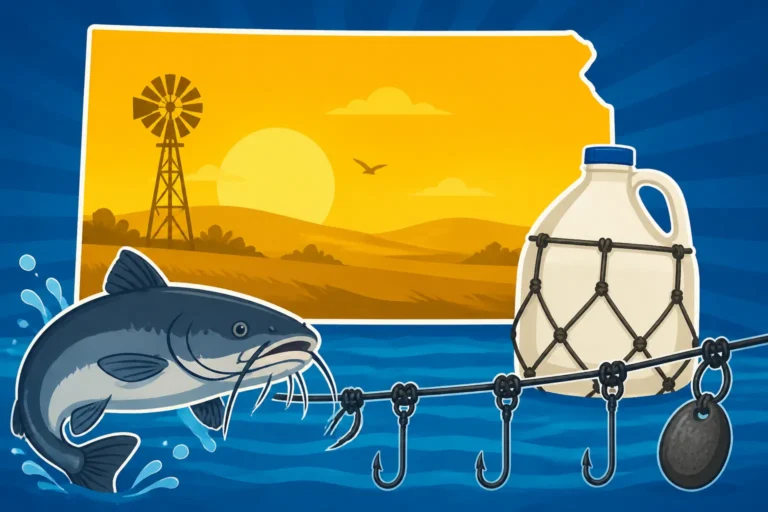
Another consideration is for specialized gear or techniques. While a standard fishing license covers rod and reel fishing, if you plan on using methods like trotlines or jug fishing for catfish, specific regulations and sometimes additional tags or permits might be in place. Always consult the official Kansas Fishing Regulations Summary for details on these less common techniques to ensure full compliance. This document is usually available online from the KDWP website or at license vendors.
Displaying Your License and Carrying ID
It might seem old-fashioned in this digital age, but it's still essential to have your fishing license readily available while you're actively fishing. Whether it's a printed copy or a digital version on your phone, you must be able to present it to a KDWP law enforcement officer upon request. They're not just being nosy; they're performing their duty to ensure everyone is adhering to the regulations that protect our fisheries.
Along with your license, it's also a good idea to carry a valid photo ID, such as your driver's license. This helps confirm your identity and verifies the information on your fishing license, especially if there's any ambiguity about residency or age. Many anglers keep their printed license tucked into their wallet or tackle box, while others rely on digital access via the KDWP app. Just make sure your phone battery isn't dead when a warden asks to see it! Being prepared makes for a smooth interaction and allows you to get back to enjoying your fishing trip without unnecessary delays.
Common Questions and Troubleshooting Your License
Even with the best intentions, questions and unexpected situations can arise regarding your fishing license. Knowing how to handle these common scenarios can save you a lot of headache and ensure your angling plans stay on track.
Replacing a Lost or Damaged License
We've all been there – that sinking feeling when you realize your wallet is missing, or your paper license has somehow disintegrated after an unexpected dunk in the lake. Losing or damaging your fishing license is a genuine frustration, but thankfully, getting a replacement in Kansas is relatively easy. You don't have to go through the entire purchase process again.
The quickest way to replace a lost or damaged license is often online through the KDWP licensing portal. If you purchased your original license online, your information is already in the system, and you can usually print a duplicate for a small replacement fee. This digital access is incredibly convenient. Alternatively, you can visit any authorized license vendor in person, provide your identification, and they can look up your record and issue a replacement. While there's a small fee involved, it's far less than purchasing a brand new license. Our Kansas Fishing License Replacement Process in Kansas guide offers step-by-step instructions.
Understanding License Expiration Dates
One of the most frequent points of confusion for anglers is knowing exactly when their license expires. Unlike some states where licenses might expire on your birthday, Kansas fishing licenses typically follow a consistent cycle. For annual licenses, they usually expire on March 31st of the following year, regardless of when you purchased them in the preceding year. This means if you buy an annual license in August, it will still expire on March 31st of the next year, not the following August.
It's crucial to be aware of this specific expiration date. Many anglers often forget and find themselves fishing illegally in April or May, thinking their license is still valid. To avoid this common pitfall, mark your calendar, set a reminder on your phone, or sign up for email notifications from KDWP if they offer that service. Renewing promptly ensures continuous coverage and prevents any unintentional violations. Knowing When a Kansas Annual Fishing License Expires is key to uninterrupted angling enjoyment.
What Happens If You Fish Without a License in Kansas?
Fishing without a license in Kansas is considered a misdemeanor and carries real consequences. It's not just a polite suggestion; it's a legal requirement. When a KDWP game warden discovers someone fishing without a valid license, they typically have a few courses of action, none of which are pleasant for the angler.
First, you'll likely receive a citation, which means you'll either have to pay a fine or appear in court. The Fine for Fishing Without a License in Kansas can vary but often starts in the range of $100-$300, plus court costs. This is significantly more expensive than the actual license itself! In some cases, especially for repeat offenders or in conjunction with other violations, your fishing equipment might even be confiscated. It's a sobering reminder that the rules are there for a reason, and ignoring them comes at a cost. The best way to avoid this unpleasant experience is simply to buy your license and carry it with you. There's no good excuse, especially with how easy it is to purchase one online or at numerous retailers.
Why Your Fishing License Matters Beyond Just the Law
While we've touched on the legal and financial aspects, it's important to reiterate the broader impact of your fishing license. It's more than just a piece of plastic or paper; it's a tangible commitment to the future of fishing in Kansas. Every license sold contributes to a legacy of conservation that benefits both the environment and the angling community.
Sustaining Kansas's Natural Resources
The funds generated from fishing license sales are indispensable for maintaining the ecological balance and health of Kansas's diverse waterways. This isn't just about fish stocking; it's about comprehensive habitat management, water quality monitoring, and protecting sensitive aquatic species. Think about all the rivers, streams, and lakes that make Kansas an angler's paradise, from the vast expanses of Milford Lake to the winding Kansas River. These natural resources require constant attention and significant investment to remain productive and pristine.
Your license fees literally help pay for scientists to study disease outbreaks in fish populations, manage aquatic vegetation that can harm or help fisheries, and work with landowners to improve stream banks to reduce erosion. It's a continuous, often unseen effort that ensures the fishing grounds we enjoy today will be there for future generations. Without this critical funding stream, the health of these vital natural resources would quickly deteriorate, leading to fewer fish and poorer quality fishing experiences for everyone.
Investing in the Future of Angling
Beyond the immediate environmental benefits, your fishing license is an investment in the culture and future of angling in Kansas. A portion of the funds supports educational programs, youth fishing derbies, and outreach initiatives designed to introduce new anglers to the sport. This is vital for ensuring that fishing remains a popular and cherished outdoor activity. When you purchase a license, you're helping to cultivate the next generation of conservationists and outdoor enthusiasts.
Consider programs like the "Hooked on Fishing" events at various community lakes, where kids can learn basic fishing techniques in a safe and supportive environment. These programs often rely on KDWP resources, which are, in turn, funded by license sales. By contributing, you're not just securing your own right to fish; you're actively supporting the growth of the sport, helping to pass on the traditions, skills, and ethics of angling to young people. This ensures that the joy of casting a line on a beautiful Kansas morning will continue for decades to come. Even looking for gear on Amazon can be part of introducing new people to the sport, as getting the right equipment is a huge first step.
Supporting Economic Growth
Finally, it's worth noting the economic ripple effect that fishing license sales and the broader angling community have on Kansas. When anglers buy licenses, they also buy bait, tackle, fuel for their boats, food, and sometimes even spend money on lodging. These expenditures support local businesses, create jobs, and contribute significantly to the state's economy, especially in rural areas near popular fishing destinations. Every time you buy a lure or some nightcrawlers at a local bait shop, you're supporting that small business owner.
This economic impact is substantial. A thriving fishing industry, bolstered by responsible anglers who purchase licenses and follow regulations, translates into more resources for communities across Kansas. From small towns that rely on tourism to larger cities where sporting goods stores flourish, fishing plays an often-underestimated role in economic vitality. So, when you get your Kansas fishing license, you're not just gearing up for a great day on the water; you're also playing a part in a much larger system that benefits both nature and the economy of the Sunflower State.
Disclaimer
The information provided in this guide is intended for general informational purposes only and does not constitute legal advice. While we strive to provide accurate and up-to-date information, fishing regulations and license requirements can change. Always consult the official Kansas Department of Wildlife, Parks, and Tourism (KDWP) website or their current regulations summary for the most precise and legally binding information before engaging in any fishing activities.