Kansas Bowfishing Season and License Rules
It can be incredibly confusing to figure out the ins and outs of fishing regulations in Kansas, especially when you're looking at a specialized technique like bowfishing. You just want to enjoy your time on the water, but the last thing you need is to inadvertently break a rule and face a fine. This guide is here to untangle the specifics of Kansas bowfishing season, licensing, and other critical regulations so you can hit the water with confidence and enjoy your unique angling adventure.
Understanding Kansas Bowfishing Regulations
Bowfishing offers an exhilarating blend of archery and angling, allowing you to harvest fish with a bow and arrow. But unlike traditional rod-and-reel fishing, it comes with its own distinct set of rules and considerations in Kansas. It's crucial to understand these nuances before you even string your bow.
What Exactly is Bowfishing in Kansas?
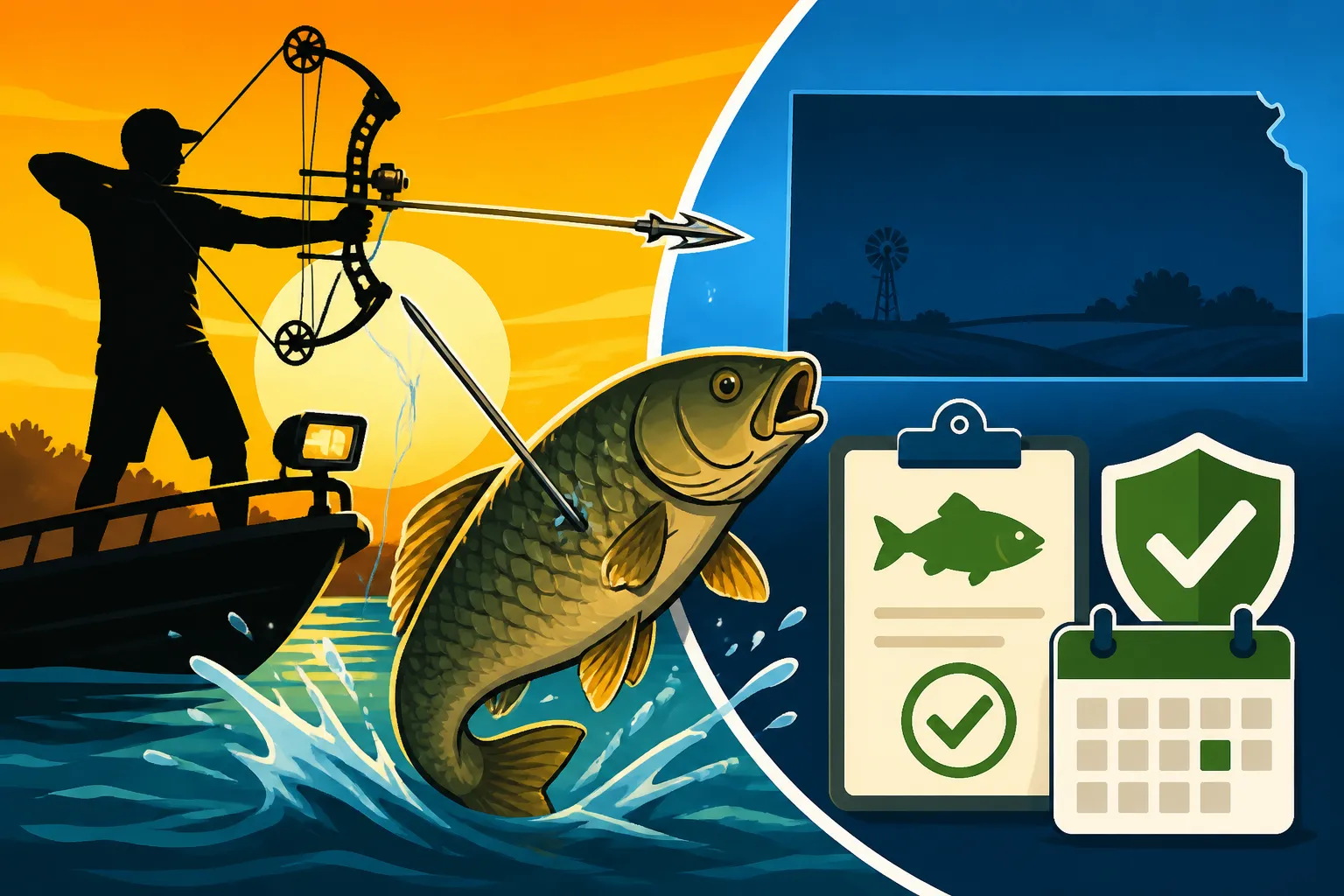
At its heart, bowfishing is a method of taking fish by shooting them with an arrow attached to a fishing line, typically from a bow. This isn't your average target practice; it's a dynamic, often nocturnal pursuit that targets specific species in shallow waters. The gear usually consists of a specialized fishing bow, often a compound or recurve, equipped with a reel (either bottle-style or spincast) and heavy, solid fiberglass arrows that are designed to penetrate water effectively. Many anglers also mount bright lights on their boats for night bowfishing, which is a popular and often highly effective way to spot fish in the shallows.
What makes bowfishing different is its active, visual nature. You're not waiting for a bite; you're actively hunting your quarry, aiming below the surface to account for light refraction. This method requires a good eye, quick reflexes, and an understanding of fish behavior, especially how they react to light and shadows. Kansas recognizes bowfishing as a legal method of harvest, but like all fishing, it's subject to strict guidelines to ensure sustainable practices and prevent conflicts with other water users.
Legal Species for Bowfishing in Kansas
One of the most important aspects of bowfishing in Kansas is knowing what you can legally shoot. Unlike traditional angling where you might catch and release a variety of game fish, bowfishing is primarily directed at what are often referred to as "rough fish" or "non-game fish." This is a critical distinction that many newcomers miss, and it's where most violations tend to occur if anglers aren't careful.
In Kansas, the primary species legal for bowfishing include various carp species (Common Carp, Grass Carp, Bighead Carp, Silver Carp), gar (Longnose Gar, Shortnose Gar, Spotted Gar), buffalo (Bigmouth Buffalo, Smallmouth Buffalo), and drum (Freshwater Drum). These species are often abundant, reproduce quickly, and can sometimes be detrimental to sportfish populations or aquatic ecosystems if left unchecked. You might also find suckers and shad on the list of legally harvestable species.
It is absolutely vital to remember that game fish are generally NOT legal for bowfishing in Kansas. This means species like walleye, crappie, bass, channel catfish, blue catfish, and flathead catfish are typically off-limits. Accidentally shooting a game fish can lead to serious penalties, so positive identification before shooting is non-negotiable. If you're unsure, don't shoot. The Kansas Department of Wildlife and Parks (KDWP) provides detailed guides on species identification, and it's always a good idea to review them before heading out. For a broader overview of the species you might encounter, check out our Kansas Fish Species Guide.
When and Where You Can Bowfish
The beauty of bowfishing in Kansas is its accessibility and often generous seasons. Generally, bowfishing is permitted year-round in many public waters across the state. This means you can pursue these exciting species through all four seasons, as long as ice conditions allow in winter.
When it comes to location, most public lakes, reservoirs, and navigable rivers in Kansas are open to bowfishing. Popular spots often include the shallow coves and creek arms of major reservoirs like Milford Lake, Cheney Reservoir, or Wilson Lake, especially during the spring and early summer when fish are spawning in these shallower areas. River systems, particularly the Kansas River and parts of the Arkansas River, also offer excellent opportunities, especially for species like gar and various carp. However, it's always wise to consult specific lake or park regulations, as some areas might have special rules or restrictions. For instance, certain smaller community fishing lakes might have specific guidelines, or even prohibit bowfishing altogether. You can often find specific rules for these areas in our guide on Kansas Community Fishing Lake Rules.
Night bowfishing is incredibly popular, especially during warmer months. The use of artificial lights to attract and illuminate fish is perfectly legal and often highly effective, as many rough fish move into the shallows to feed after dark. Just remember to be courteous to other water users and abide by all boating navigation light requirements if you're on the water at night.
| Species for Bowfishing | Typical Locations | Best Season | Time of Day |
|---|---|---|---|
| Common Carp | Shallows, coves | Spring-Fall | Day/Night |
| Grass Carp | Vegetated areas | Spring-Fall | Day/Night |
| Bighead/Silver Carp | Open water, surface | Spring-Fall | Day/Night |
| Longnose/Spotted Gar | River backwaters, shallow bays | Spring-Fall | Day/Night |
| Buffalo Species | Muddy bottoms, channels | Spring-Fall | Day/Night |
| Freshwater Drum | Deeper channels, ledges | Spring-Fall | Day/Night |
Note: Always verify specific length and creel limits with the current KDWP regulations, as these can change.
Navigating Kansas Bowfishing License Requirements
Just like any other form of fishing, if you plan to go bowfishing in Kansas, you're going to need a fishing license. This isn't just a suggestion; it's a legal requirement that helps fund conservation efforts across the state. Skipping this step can lead to hefty fines, which nobody wants.
Who Needs a Bowfishing License?
The general rule in Kansas is that anyone age 16 through 74 must possess a valid Kansas fishing license to fish, and that includes bowfishing. There are some specific exemptions, of course. For example, if you're fishing on your own land, or land contiguous to it, you might be exempt. However, for the vast majority of anglers heading to public waters, that license is non-negotiable.
If you're a Kansas resident, you'll be looking for a resident fishing license. Non-residents, even if they're just passing through or visiting for a weekend bowfishing trip, will need a Kansas Nonresident Fishing License Guide to ensure they're properly licensed. There are different types of licenses available, from annual licenses to multi-year options, which can sometimes offer cost savings. Children under 16 generally don't need a license, making bowfishing a fantastic activity to introduce to younger aspiring anglers. Our Kansas Youth Fishing License Rules guide provides more details on age-specific requirements.
It's also worth noting that Kansas offers special free fishing days each year, usually in June. On these days, residents and non-residents alike can fish without a license. While a great opportunity to try out bowfishing, these days are limited, and normal license rules apply outside of these specific dates.
Obtaining Your Kansas Fishing License
Getting your Kansas fishing license is surprisingly straightforward these days. The most convenient way for many is to purchase it directly online through the KDWP website. You can do this from your computer, tablet, or even your phone, and often print a temporary license immediately so you can head straight to the water. This online portal makes it incredibly easy to manage your licenses and permits.
If you prefer a more traditional route, you can also purchase a license in person. Authorized vendors across the state, including many bait shops, sporting goods stores like Cabela's or Bass Pro Shops, and even some county clerk offices, sell Kansas fishing licenses. When you purchase in person, you'll typically receive a physical license card on the spot. Make sure to keep your license with you while bowfishing, as you'll need to present it if requested by a KDWP law enforcement officer.
There are several types of fishing licenses to consider, depending on your needs:
- Annual Resident Fishing License: Valid for one calendar year. This is the most common choice for regular Kansas anglers.
- Five-Year Resident Fishing License: A great option for committed anglers, offering convenience and often a slight long-term discount.
- Annual Nonresident Fishing License: For those visiting Kansas who plan to fish for an extended period.
- Nonresident Five-Day Fishing License: Perfect for a shorter bowfishing trip if you're just visiting the state.
For specific pricing and a detailed breakdown of all available options, our Kansas Fishing License Cost by Type provides all the information you need to make the best choice for your bowfishing adventures.
Additional Permits and Considerations
While a standard Kansas fishing license covers bowfishing for legal species, there might be other permits or considerations depending on where and how you plan to bowfish.
For instance, if you plan to launch a boat for your bowfishing excursion, you'll need to ensure your vessel is properly registered with the KDWP. This is a separate process from your fishing license. You can find all the details on requirements and fees in our guide on Kansas Boat Registration for Anglers. Beyond that, there aren't typically "bowfishing specific" permits in Kansas, but it’s always good practice to check for any special area permits, such as those sometimes required for state park access, though these are usually vehicle permits rather than fishing-specific ones.
Always double-check the current Kansas Fishing Regulations Explained before each season, or even before heading to a new water body. Regulations can change, and staying informed is your responsibility as an ethical angler.
Essential Gear and Safety for Kansas Bowfishing
Equipping yourself correctly and prioritizing safety are paramount for an enjoyable and successful bowfishing experience. It's not just about having the right bow; it's about understanding the entire setup and practicing responsible habits.
Recommended Bowfishing Equipment
The world of bowfishing gear has evolved, offering specialized equipment that makes the sport more efficient and fun. Here's a breakdown of what you'll typically need:
- Bow: While you can use a traditional hunting bow, many dedicated bowfishers opt for specialized bowfishing bows. These are often recurves or compound bows with lower draw weights (usually 30-50 lbs) that are easier to shoot repeatedly. Brands like Cajun Bowfishing, AMS Bowfishing, and Muzzy Bowfishing offer excellent dedicated rigs. You can find a wide array of options and accessories for these on platforms like Amazon.
- Reel: There are primarily two types:
- Bottle/Drum Reels: These are basic, reliable reels where the line is hand-wrapped onto a bottle or drum. They're simple, durable, and less prone to mechanical issues.
- Spincast Reels: Similar to those on a spinning rod, these are mounted to the bow and allow for faster retrieval of the arrow. Look for heavy-duty models designed for the stress of bowfishing.
- Arrows: Bowfishing arrows are distinct. They are heavy, solid fiberglass, don't have fletchings, and feature a specialized tip designed to penetrate fish and hold them securely. The tips are usually barbed or have expandable blades to prevent the fish from slipping off.
- Line: You'll need strong, abrasion-resistant line, typically 100-200 lb test braided line. This is crucial for retrieving fish, especially larger ones, and for pulling arrows free from snags.
- Lights (for night bowfishing): High-power LED lights are essential for night bowfishing. These are typically mounted on the boat, illuminating the shallow water where fish are found. Look for bright, submersible lights that can withstand the elements. Many bowfishers build custom setups, but portable options are also available. You might find a good selection of durable marine lighting on Amazon.
- Boat: While you can bowfish from shore in some areas, a shallow-draft boat (like a jon boat or flat-bottom boat) is ideal for accessing prime bowfishing spots. A trolling motor is also a huge asset for silently maneuvering into position.
When assembling your gear, consider quality and durability. Bowfishing can be tough on equipment, with arrows hitting submerged logs or rocks, and fish fighting hard. Investing in reliable gear, perhaps even finding good deals on Amazon, will save you headaches in the long run.
Safety Practices and Responsible Bowfishing
Safety should always be your top priority. Here are some key practices to keep in mind:
- Positive Target Identification: As mentioned earlier, this is paramount. Only shoot at fish you can positively identify as a legal species. When in doubt, don't shoot.
- Backstop Awareness: Always know what's behind your target. An arrow can travel a considerable distance, even after passing through water or a fish. Be aware of other boats, homes, people, or structures.
- Line Management: Keep your line clear of your bow and body before shooting. An improperly spooled line or one wrapped around your arm can cause serious injury (known as "bowfishing slap" or "line slap").
- Handling Fish: Be cautious when handling harvested fish, especially gar with their sharp teeth and scales, or carp that can thrash vigorously. A good pair of gloves and a large landing net can be invaluable.
- Boating Safety: If bowfishing from a boat, adhere to all Kansas Boating Safety Equipment Requirements and wear your life jacket, especially when moving or in unfamiliar waters. Many bowfishing excursions occur at night, which adds another layer of safety considerations.
Responsible bowfishing also extends to ethical practices. Harvest only what you can use, and properly dispose of any fish you don't intend to consume or utilize. Don't leave dead fish on the bank or in the water.
Transporting Your Catch and Cleaning Regulations
Once you've successfully harvested your fish, knowing the rules for possession and transport is important. Kansas regulations state that legally harvested fish can be transported, but they must be kept in a condition that allows for species and length verification until you reach your final destination (like your home or a processing facility). This generally means you can't completely fillet fish until you're off the water and back home, especially if there are length limits in place for that species. However, for most bowfished species, strict length limits are less common than for game fish, but it’s always best to check the Kansas Daily Creel Limits by Species for specific information.
When cleaning your fish, remember to properly dispose of the remains. Don't simply discard carcasses back into the water or on public land, as this can attract pests and create unsanitary conditions. Many anglers process their bowfished carp or buffalo into fertilizers for gardens, or even into baits for catfishing. Others choose to smoke or grill certain species. The key is to be respectful of the resource and the environment.
Common Misconceptions and Troubleshooting
Bowfishing, being a bit different from conventional angling, often comes with its own set of myths and misunderstandings. Clearing these up can save you a lot of grief and ensure you have a smooth experience.
Dispelling Myths About Bowfishing Rules
One of the biggest misconceptions we hear is that "all rough fish can be shot anywhere, anytime." While regulations for rough fish are generally more lenient than for game fish, it's not a free-for-all. For example, while many species like common carp are open year-round, you still need a valid fishing license. Also, certain private ponds might have their own rules. Just because a landowner says you can fish their pond, it doesn't automatically mean you can bowfish without a license if you're not exempt. Our guide, Is a License Required to Fish Farm Ponds in Kansas?, can help clarify these situations.
Another common myth is that you can't fish at night with lights. As we covered, night bowfishing is not only legal but extremely popular and effective in Kansas. The bright lights used to illuminate shallow waters are perfectly permissible. However, always ensure your boat also adheres to standard navigation light requirements for safe operation after dark.
Finally, some anglers mistakenly believe that if they "accidentally" shoot a game fish, it's okay because they didn't intend to. This simply isn't true. Ignorance of the law is not an excuse. It is your responsibility to identify your target positively before releasing an arrow. The KDWP takes the protection of game fish seriously, and accidental takes can still result in penalties.
What Happens If You Break the Rules?
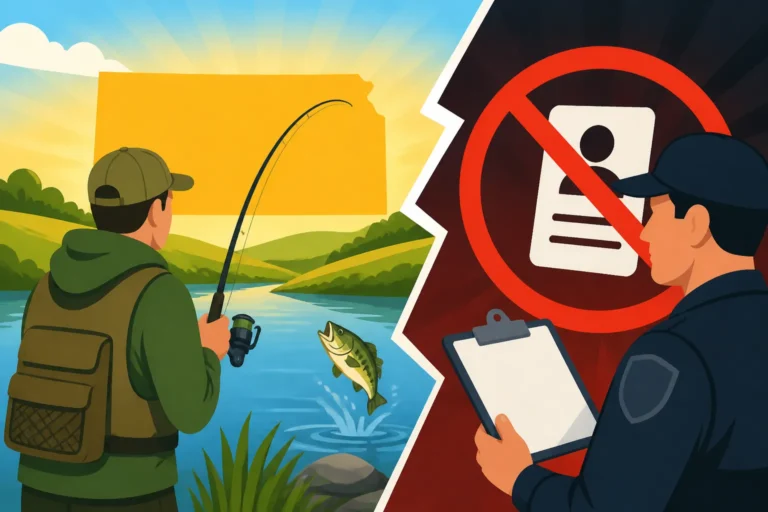
Breaking Kansas bowfishing rules can range from minor citations to significant penalties, depending on the severity of the offense. Fishing without a proper license, for example, is a common violation. The fines for this can be considerable, often in the hundreds of dollars, plus court costs. If you're caught fishing without a license, it can quickly turn an enjoyable outing into a very expensive lesson. Our article on Fishing Without a License Penalties in Kansas details these potential consequences.
More serious violations, such as illegally harvesting game fish with a bow and arrow, or exceeding creel limits for any species, can result in even higher fines, confiscation of equipment (including bows, boats, and motors), and even potential loss of hunting and fishing privileges for a period of time. Law enforcement officers from the KDWP are actively patrolling Kansas waters, both day and night, ensuring compliance with all regulations. Their job is to protect Kansas's natural resources, and they take it seriously. It's always better to be safe, know the rules, and fish legally.
Remember, the goal of these regulations isn't to make fishing harder; it's to ensure that Kansas fisheries remain healthy and productive for generations to come. By understanding and respecting the rules, you're contributing to the sustainability of the sport you love.
Disclaimer
Please remember that fishing regulations, license requirements, and seasons can change. While this guide provides comprehensive information based on current knowledge, it is your responsibility to consult the most recent official Kansas Department of Wildlife and Parks (KDWP) regulations before engaging in any fishing activities. The KDWP website and their annual fishing regulation summary are the definitive sources for all legal requirements.