Kansas Trout Stocking Schedule for January and February
It's cold, the holidays are over, and many anglers might be tempted to pack away their gear until spring. But for those in the know, January and February in Kansas aren't just about shivering inside; they’re prime time for some exciting winter trout fishing! If you've been wondering when and where those beautiful rainbow (and sometimes golden rainbow!) trout are going to hit the waters near you, you've come to the right place. This guide will meticulously break down what to expect from the Kansas trout stocking schedule during these chilly months, helping you plan your next cold-weather angling adventure.
The Heart of Winter Trout Fishing in Kansas: What to Expect
Kansas might not be the first place that comes to mind when you think of trout fishing, but thanks to the dedicated efforts of the Kansas Department of Wildlife and Parks (KDWP), we have a fantastic winter trout program. This initiative brings a unique angling opportunity to the plains, allowing us to chase a cold-water species right in our backyard when many other fish are less active. It's a true treat for those willing to brave the chill!
The KDWP Winter Trout Program Overview
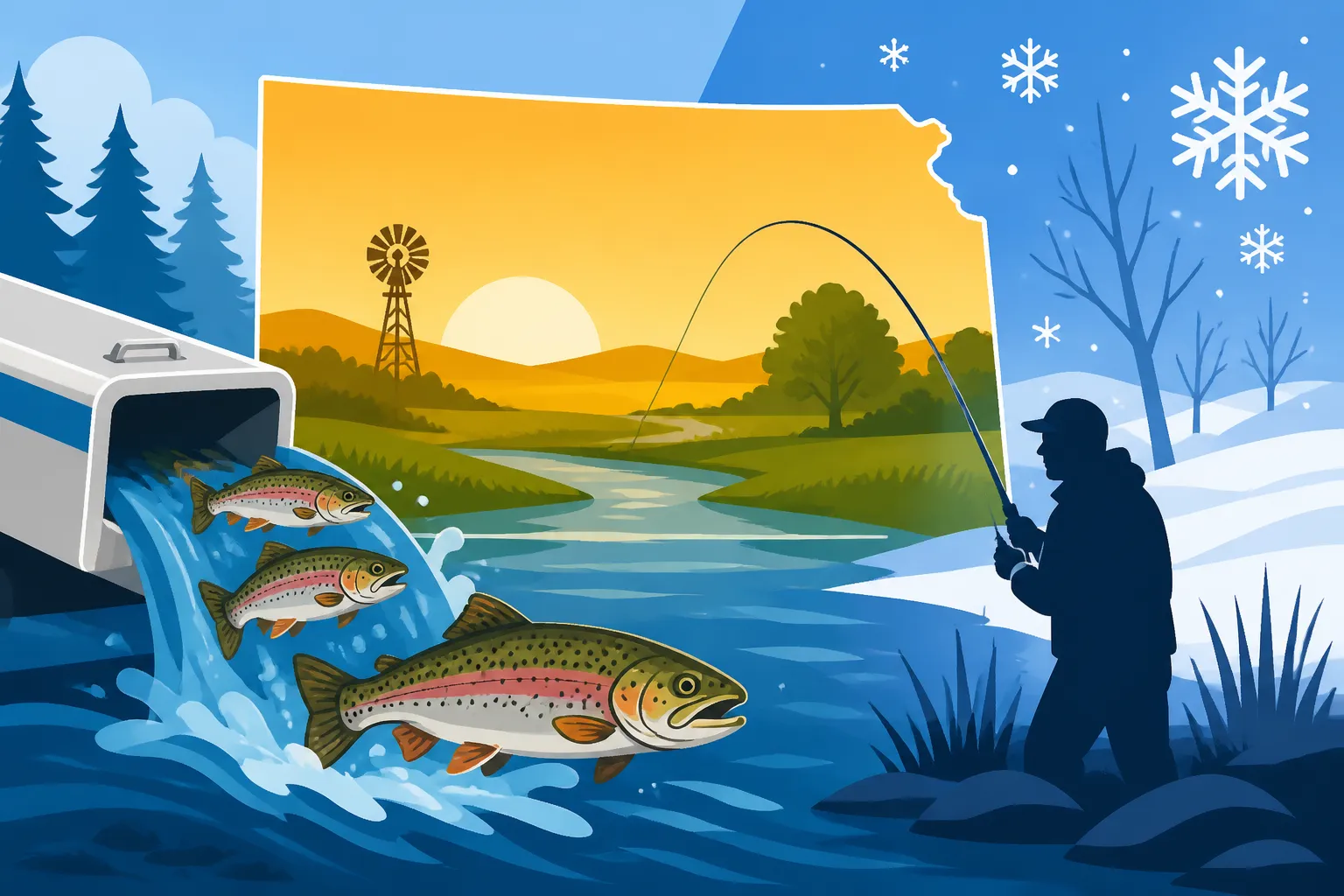
The KDWP's Winter Trout Program is a real gift to Kansas anglers. It typically kicks off around November 1st and runs all the way through March 31st. During this period, designated waters across the state receive regular stockings of rainbow trout, and sometimes even the elusive golden rainbow trout, making for a truly special fishing experience. The primary goal is to provide accessible, quality trout fishing opportunities, particularly in urban and community fishing areas, allowing more Kansans to enjoy this unique winter sport. It’s an awesome program that ensures there’s still plenty of action on the water even when the temperatures drop.
The program isn't just about dumping fish into a lake; it's a carefully managed effort. KDWP biologists assess various factors like water temperature, dissolved oxygen levels, and angler access points before deciding on stocking locations and timing. This scientific approach helps ensure the stocked trout have the best chance of survival and that anglers have a good chance of success. Remember, participating in this program often requires more than just a standard fishing license; you’ll typically need a Kansas Trout Permit Guide in addition to your regular Kansas Fishing License Guide if you're between 16 and 74 years old and plan to fish for or possess trout.
Why January and February are Prime Stocking Months
You might think that stocking stops once the harshest winter weather hits, but that's precisely when the KDWP often continues its diligent work. January and February are absolutely crucial months for the Winter Trout Program. The colder water temperatures are ideal for trout, as they are a cold-water species. This means they are more active, healthier, and often more willing to bite in these conditions than in warmer months. The lower water temperatures also significantly reduce stress on the fish during transport and stocking, ensuring a higher survival rate once they're introduced into their new environment.
From an angler's perspective, these months offer a unique challenge and reward. With many warm-water species like bass and crappie becoming sluggish, trout provide a vibrant alternative. Plus, the serene, often less-crowded winter landscapes make for a peaceful fishing experience, a welcome contrast to the bustling spring and summer seasons. It's a chance to truly connect with nature, test your skills against a feisty cold-water fighter, and enjoy the tranquility of a Kansas winter day. The KDWP understands this demand and strives to keep these opportunities available throughout the deepest parts of winter.
Navigating the January Trout Stocking Schedule
January in Kansas can be a real mixed bag weather-wise – one day it's frigid with snow, the next it's surprisingly mild. This variability can make predicting exact stocking dates a bit tricky, but the KDWP does an excellent job of keeping anglers informed. While specific dates might shift slightly due to logistics or weather conditions, understanding the general patterns and common stocking locations is key to planning your January outings.
Typical January Stocking Locations and Dates
In January, the KDWP aims to keep the trout program robust, often performing stockings early in the month and sometimes again later, depending on the number of fish available and angler demand. You'll typically find stockings concentrated in "community fishing lakes" and various "state fishing lakes" that are designated for the winter program. These are often smaller, more accessible bodies of water, making them perfect for a quick fishing trip without needing a large boat.
For instance, perennial favorites like Lake Shawnee in Topeka, Vic's Lake near Wichita, and several lakes in the Kansas City metro area (such as Shawnee Mission Park Lake in Johnson County, or Wyandotte County Lake) are frequent recipients. These urban and suburban lakes are specifically chosen for their ease of access, allowing families and anglers of all skill levels to participate. While precise dates for January are usually announced closer to the actual stocking day, you can generally expect activity to continue from what you might have seen in the Kansas Trout Stocking Schedule for December. It's all about consistent opportunity throughout the coldest part of the year.
The beauty of these January stockings is that they often replenish waters that may have seen a good amount of pressure in November and December. This means fresh fish are introduced, keeping the angling exciting. The KDWP's goal is to maintain a healthy population of catchable trout throughout the program's duration. So, if you hit a lake early in the month and catch a few, don't be surprised if another stocking later in January brings in a new wave of fish for more action.
How to Stay Informed for January Stockings
Knowing when and where the trout are stocked is half the battle, and luckily, the KDWP makes it pretty easy to stay updated. The absolute best resource is the official KDWP website. They maintain a dedicated "Trout Stocking Schedule" page that is regularly updated with current and upcoming stocking information. It’s usually listed by date, lake, and the number of fish stocked, giving you all the details you need. This is truly your go-to source for the latest information.
Beyond the official website, local resources are invaluable. Bait and tackle shops near popular stocking locations often get insider information or will post signs announcing upcoming stockings. Places like Zeiner's Bass Shop in Wichita or local bait shops around Milford Lake often keep a pulse on these events. Engaging with local fishing forums or KDWP social media channels (Facebook, Twitter) can also provide real-time updates and tips from fellow anglers. Don't underestimate the power of community in the fishing world!
I personally like to set up a reminder to check the KDWP website every week or so during these months. Sometimes, I'll even give my favorite local bait shop a quick call to see if they've heard anything. Getting those fresh trout on the line before the crowds arrive can make all the difference, and being proactive about checking the schedule is the best way to make that happen.
Unpacking the February Trout Stocking Schedule
As we roll into February, the cold usually digs in its heels, but the trout program pushes forward. This month often sees some of the most consistent cold-water conditions, which can lead to fantastic trout fishing if you're prepared for the elements. Similar to January, flexibility and staying informed are your best friends when it comes to tracking down those February trout.
Anticipating February's Stocked Waters
February stockings largely mirror January's efforts, continuing to focus on accessible community and state fishing lakes. The KDWP understands that deep winter is when many anglers are looking for a reliable bite, and trout fit that bill perfectly. Locations that received stockings in prior months are likely candidates for replenishments in February. We’re talking about the consistent spots like Shawnee State Fishing Lake, Mined Land Wildlife Area lakes, and various urban ponds designed for easy angler access.
The total Number of Waterbodies Stocked With Kansas Trout remains impressive, ensuring there are opportunities across the state. Expect the KDWP to prioritize areas where angler pressure has depleted previous stockings, ensuring a continuous supply of fish throughout the program. Even if ice forms, many of these lakes are still accessible, leading us to another exciting dimension of winter angling: ice fishing. It truly opens up possibilities for different techniques and approaches.
One particular location that often gets consistent attention is Webster Reservoir, known for its cold, clear waters that trout thrive in. While more rural than some community lakes, it’s a great example of a larger body of water that the KDWP ensures is part of the winter trout rotation. Keep an eye on the KDWP updates for this and other regional hubs.
Key Considerations for February Anglers
Fishing in February can be incredibly rewarding, but it definitely requires some extra planning. The most significant factor is often the weather. Sub-freezing temperatures, snow, and strong winds are all possible, making proper gear and safety paramount. Always check the forecast before heading out, and dress in layers. Hypothermia is no joke, so wool or synthetic base layers, waterproof outer shells, and warm hats and gloves are essential.
Ice fishing is a real possibility in February, especially in northern Kansas. If the ice is thick enough (a minimum of 4 inches for safe foot travel, but always check local conditions and advisories), it can offer some incredible trout action. Make sure you understand the Kansas Ice Fishing License Requirements and prioritize safety by using proper ice safety gear. Beyond safety, consider how the cold water affects trout behavior; they'll often be slower and less aggressive, requiring a more subtle presentation.
A handy tip for February: if you're targeting specific lakes, monitor online fishing reports or call local bait shops. Anglers are often quick to share intel on recent catches or conditions. Remember, trout are often stocked in batches, so even if you don't hit the first wave, there might be another group coming soon. Being flexible with your fishing spots and staying informed will greatly improve your chances of success during this deeper winter period.
Essential Tips for Successful Winter Trout Fishing
Once you’ve got the schedule figured out, the next step is to prepare for the actual fishing. Winter trout can be a blast, but they often require a slightly different approach than their warm-water counterparts. Dialing in your gear and tactics will make a huge difference in your catch rates.
Gear Up for Cold Water Success
When it comes to winter trout, your gear choice is crucial. You don’t need anything overly heavy or complicated. A lightweight to medium-light action spinning rod, around 6 to 7 feet long, paired with a small spinning reel (like a 1000 or 2000 series) is perfect. This setup allows for sensitive feel, which is critical for detecting subtle trout bites in cold water. You can find excellent options on Amazon for a reasonable price, often in a combo package. For line, opt for 4-6 lb test monofilament or fluorocarbon. Fluorocarbon is especially good because it's nearly invisible underwater and has less stretch, enhancing sensitivity.
For bait and lures, keep it simple and small. Trout are often finicky in cold water. Popular choices for bait include PowerBait (especially chartreuse, rainbow, or white dough baits), small garden worms, or even corn kernels. Present these on a small hook (size 10-14) with a tiny split shot or bobber. For lures, try small inline spinners (like Panther Martin or Mepps), tiny spoons (Kastmaster or Acme Little Cleo), or micro jigs tipped with a small plastic grub or Gulp! bait. You can easily stock up on these essentials through retailers like Amazon, ensuring you have a diverse tackle box ready for any situation.
Don't forget the essentials beyond rods and reels! A small pair of pliers or forceps for hook removal, a stringer or cooler for your catch, and a net with a fine mesh to protect the trout are all important. And, of course, warm clothing! Layering is key, and a good pair of waterproof boots and gloves will make your day infinitely more comfortable. Seriously, you can browse Amazon for fantastic deals on winter fishing apparel that will keep you out on the water longer.
Here's a quick table for common winter trout gear:
| Item | Description | Recommended Specs / Tips |
|---|---|---|
| Rod | Lightweight to medium-light spinning rod | 6-7 feet, fast action for sensitivity |
| Reel | Small spinning reel | 1000-2000 series, smooth drag |
| Line | Monofilament or Fluorocarbon | 4-6 lb test, clear or low-vis |
| Bait | PowerBait (dough or nuggets), small worms, corn | Chartreuse, rainbow, garlic scents often work well |
| Lures | Small inline spinners, spoons, micro jigs | Size 0-2 spinners, 1/16 – 1/8 oz spoons/jigs |
| Hooks | Small, sharp treble or single hooks | Size 10-14, often pre-rigged on small jigs |
| Sinkers | Small split shot or sliding weights | Just enough to get your bait down |
| Bobbers | Small, sensitive slip bobbers or fixed bobbers | To detect subtle bites |
| Clothing | Layered, waterproof, insulated | Thermal underwear, fleece, waterproof outer shell, warm hat/gloves |
This basic setup will get you started on your winter trout adventures! Check out this guide for more details: Best Rods and Reels for Kansas Fishing.
Tactics for Catching Finicky Winter Trout
Winter trout, especially those recently stocked, can be a bit shy. The key is often a subtle, slow presentation. They aren't going to chase down a fast-moving lure in frigid water. If you're using bait, try a simple bottom rig with a small split shot just above your hook, allowing the bait to sit on the bottom where trout often cruise. Or, use a very sensitive bobber to suspend your bait a foot or two off the bottom. Let it sit for a while; don’t be afraid to be patient.
When using lures, think slow retrieves. A slow, steady retrieve with an inline spinner, just fast enough to get the blade spinning, can be very effective. For spoons, a jigging retrieve – lifting and letting it fall – often triggers strikes. Focus on structure like submerged trees, weed edges (if present), or drop-offs, as trout will often hold there. If fishing an urban pond, don't overlook areas near aeration bubblers or inflows, as these spots can concentrate oxygen and baitfish, attracting trout. You'll find a wealth of information on specific presentations in our Kansas Winter Trout Fishing Tips guide.
Remember, trout have excellent eyesight, so presentation matters. Light line, small hooks, and natural-looking baits or lures will increase your chances. Some anglers swear by adding a small piece of corn or a wax worm to their micro jigs for extra appeal. Experiment a bit with depth and presentation until you find what works on that particular day. Sometimes, it's just a matter of trying a different color or retrieving a little slower.
Understanding Regulations and Permits
Last but certainly not least, always, always make sure you are compliant with Kansas fishing regulations. The KDWP Winter Trout Program has specific rules that apply. As mentioned earlier, typically anyone aged 16 to 74 needs a valid Kansas fishing license and a separate trout permit to fish for or possess trout during the designated season (November 1st – March 31st). There are exemptions, so make sure to double-check if you fall into one of those categories, such as very young anglers or certain disabled veterans.
Creel and length limits also apply to trout. Generally, the daily creel limit for trout is 5 fish, but this can vary by specific water body, so always check the KDWP fishing regulations summary for the particular lake or pond you are visiting. Fishing without the proper license or permit, or exceeding bag limits, can result in significant penalties. You can easily find the most up-to-date regulations on the KDWP website or in their annual fishing regulations summary booklet, which you can usually pick up at most sporting goods stores or download online. Understanding these rules is a critical part of being a responsible angler and ensuring the longevity of this fantastic program. For more detailed permit cost info, see our Kansas Trout Permit Cost and Season article.
Disclaimer
Always check the official Kansas Department of Wildlife and Parks (KDWP) website for the most current and accurate trout stocking schedules, regulations, and permit requirements before planning your fishing trip. Information can change frequently due to weather conditions, fish availability, and other factors.