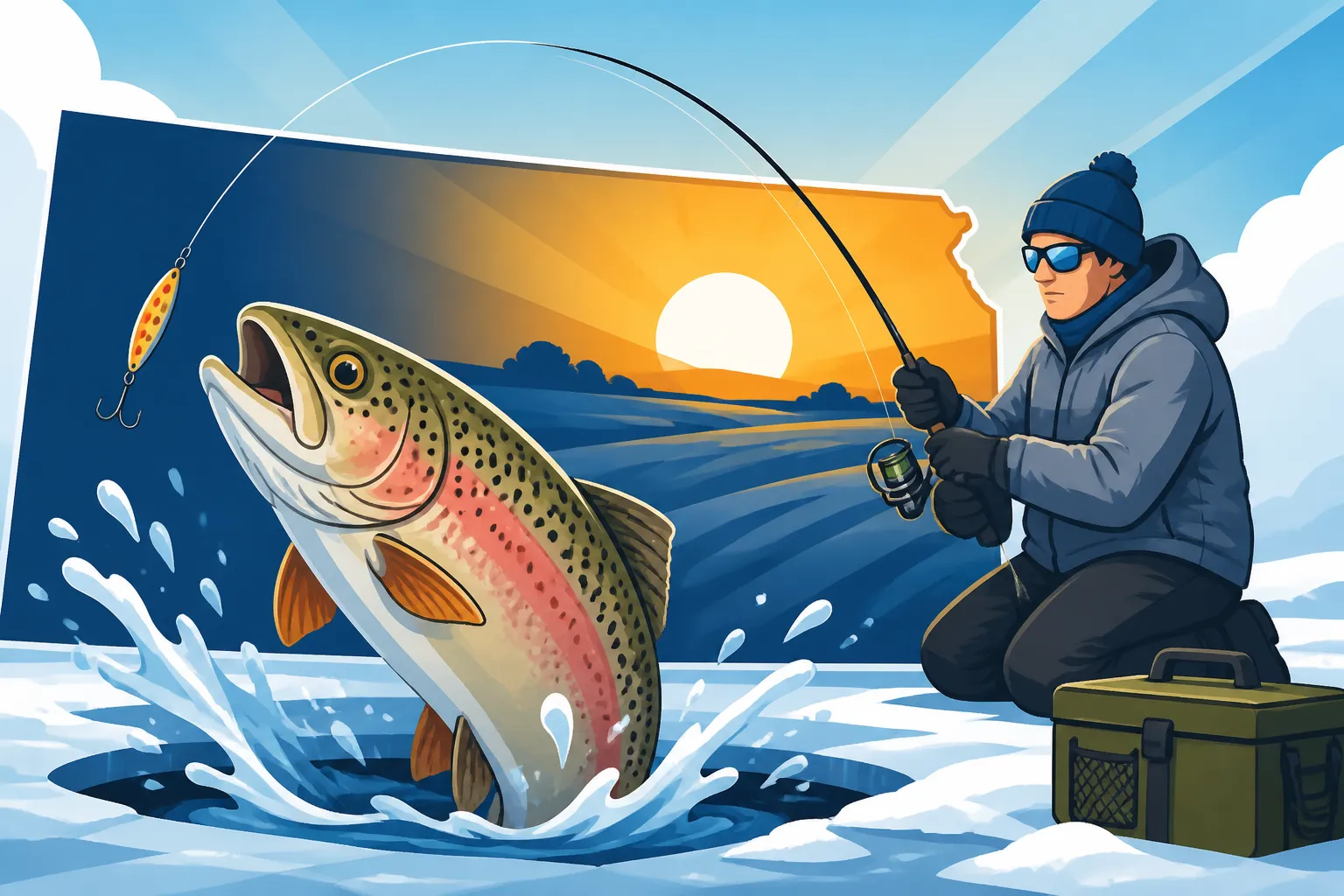
Kansas Winter Trout Fishing Tips
It's easy to think that when the thermometer dips and the ponds start to skim over with ice, your Kansas fishing season is effectively over. Many anglers simply pack up their gear, resigning themselves to months of waiting for warmer weather. But what if I told you that some of the most exciting and rewarding fishing can happen precisely during these colder months, especially if you're targeting trout? This guide is all about equipping you with the knowledge and confidence to brave the chill and discover the fantastic world of winter trout fishing right here in the heart of Kansas.
The Unique Challenges and Rewards of Kansas Winter Trout Fishing
Winter fishing often conjures images of shivering anglers huddling over ice holes, but for trout enthusiasts in Kansas, it’s a different, often more serene experience. The Kansas Department of Wildlife, Parks and Tourism (KDWP) ensures that our waters are regularly stocked, turning what would otherwise be a quiet time into an exciting pursuit. However, it's not without its unique set of challenges – and triumphs.
Why Trout Thrive in Cold Water
Trout, particularly rainbow and brown trout, are cold-water species. This means they are naturally adapted to colder temperatures and actually prefer them. In Kansas, our native waters often get too warm for these species to survive year-round, which is why the KDWP implements a fantastic winter stocking program. From approximately November through March, these feisty fish are introduced into various community lakes and state fishing lakes across the state. This influx of fresh, active fish creates a prime opportunity for anglers.
During winter, the colder water holds more oxygen, which is vital for trout. Their metabolism slows down a bit, but they remain active and need to feed. This period allows them to acclimate to their new environment and provides a fantastic, accessible fishery for those willing to bundle up. It's a stark contrast to the warmer months when many species become lethargic due to heat stress. Plus, the serene atmosphere of winter fishing – often with fewer people on the water – can be incredibly peaceful, offering a unique escape. Understanding the motivations behind this stocking program is key to appreciating this seasonal opportunity, and you can learn more about specific requirements in our comprehensive Kansas Trout Permit Guide.
Common Misconceptions About Winter Angling
One of the biggest hurdles to enjoying winter trout fishing is often mental. Many anglers assume fish aren't biting when it's cold, or that the experience will be miserably frigid. This couldn't be further from the truth. While some days will indeed be colder than others, with proper preparation and the right mindset, winter fishing can be incredibly comfortable and productive. The KDWP typically stocks larger, catchable trout, which means you’re not just hoping for a bite; you're often getting into some real action.
Another misconception is that you need specialized, expensive ice fishing gear. While ice fishing is an option on some waters when conditions allow, much of Kansas winter trout fishing is done from the bank or small boats on open water. The key is adapting your approach and understanding that trout behavior shifts slightly in colder temperatures. They might not chase a lure as aggressively as in summer, but they will absolutely take a well-presented bait or a slow-moving jig. Don't let the weather forecast scare you away; often, the calmest, clearest winter days offer some of the best fishing.
Essential Gear for Staying Warm and Effective
Stepping out into the winter air without the right gear is a recipe for a miserable day. However, being properly prepared doesn't mean you need to break the bank. It simply means making smart choices about your clothing and tackle to ensure comfort and maximize your chances of success.
Layering for Comfort and Safety
The golden rule for winter outdoor activities, especially fishing, is layering. The Kansas winter weather can be fickle, starting chilly in the morning and warming up significantly by midday, or vice versa. Being able to shed or add layers is crucial. Start with a moisture-wicking base layer against your skin – think synthetic materials or merino wool, which pull sweat away from your body to keep you dry. Cotton is a no-go for base layers in winter, as it retains moisture and will make you feel colder.
Next, add an insulating middle layer, like a fleece jacket or a down vest. This traps warmth. Finally, your outer layer should be windproof and water-resistant or waterproof, depending on the forecast. A good quality parka or fishing jacket designed for cold weather is invaluable. Don't forget your extremities: a warm hat, insulated gloves (often fingerless or convertible mittens are great for dexterity), and thick, wool-blend socks are non-negotiable. Insulated, waterproof boots are also critical to keeping your feet dry and warm, allowing you to focus on the fishing, not your freezing toes. You can often find fantastic deals on reliable layering options on Amazon, making it easy to build your winter fishing wardrobe without a huge upfront investment.
Rods, Reels, and Lines for Winter Trout
For general winter trout fishing in Kansas, you don't necessarily need highly specialized gear, but a few considerations can make a big difference. A light to ultra-light spinning rod, typically 5 to 6.5 feet long, paired with a small spinning reel (size 500 to 1000 series), is perfect. This setup allows for light lines, which are less visible to trout in clear winter water, and offers good sensitivity for detecting subtle bites. The sensitivity is key because trout often "mouth" baits gently in cold water rather than hitting them hard.
For line, 4 to 6-pound test monofilament or fluorocarbon is generally ideal. Fluorocarbon is particularly good because it’s nearly invisible underwater and sinks, helping your bait get down faster without adding weight. Some anglers prefer a very light braided line with a fluorocarbon leader for ultimate sensitivity. When the temperatures really plummet and ice fishing becomes an option, specific ice fishing rods are shorter and stiffer, designed for jigging in tight spaces and handling strong pulls through a small hole. No matter your setup, ensure your reel is well-lubricated with cold-weather grease if you anticipate freezing conditions to prevent sluggish operation.
Must-Have Accessories
Beyond your rod and reel, a few key accessories will significantly enhance your winter trout fishing experience. First, a small, lightweight landing net is invaluable for handling trout gently, especially if you plan on releasing them. Their delicate fins and scales are more susceptible to damage in cold air. Second, a pair of forceps or needle-nose pliers are essential for removing hooks, particularly from smaller fish, without damaging them or getting your fingers cold.
A small tackle box or bag with organized compartments for different baits and lures will keep you efficient, preventing you from fumbling with frozen fingers. If you're planning on being out for an extended period, a small insulated cooler to keep your lunch from freezing and to store any catch is a good idea. For those truly dedicated to cold-weather angling, a portable hand warmer or two can be a lifesaver, providing quick relief when your fingers start to feel numb. Remember, being prepared allows you to enjoy the quiet beauty of a Kansas winter day and increase your chances of a successful outing. You can even find multi-packs of disposable hand warmers on Amazon to keep you toasty for hours.
Delectable Baits and Lures to Entice Finicky Trout
Trout in cold water can sometimes be a bit more finicky than their warm-water counterparts. Their metabolism is slower, so they're not always looking for a high-energy chase. This means your bait and lure selection, and how you present them, becomes paramount.
Live Bait for Natural Presentation
When it comes to stocked trout in Kansas, live bait often reigns supreme, especially for those softer bites in chilly water. The most popular choice, and often the most effective, is power bait in various forms – dough, nuggets, or even power worms. These baits are designed to float, which is fantastic for presenting them just off the bottom, directly in the trout's strike zone, especially when using a small split shot or two. Popular colors like chartreuse, orange, and rainbow are often irresistible to hungry rainbows.
Garden worms or mealworms can also be incredibly effective. Their natural scent and subtle movements can trigger bites when other offerings are ignored. When using live bait, remember to use a small hook, typically a size 8 or 10, to ensure a natural presentation. The goal is to make the bait look as appealing and easy to eat as possible. This "easy meal" approach is often what triggers a cold-water trout to bite, and a quick search on Amazon will show you a huge variety of PowerBait options to choose from.
Artificial Lures for Aggressive Strikes
While live bait often shines, artificial lures certainly have their place, especially when trout are feeling a bit more active or you're trying to cover more water. Small spinners, like Rooster Tails or Mepps, in sizes 0 to 2, can be deadly. Colors like silver, gold, and white are often great choices, mimicking small baitfish. The key is to retrieve them slowly, just fast enough to get the blade spinning.
Tiny jigs, often 1/32 to 1/8 ounce, tipped with a small plastic grub or a piece of PowerBait, are also incredibly effective. Marabou jigs, specifically, have a wonderful pulsing action in the water that can be irresistible. Spoon lures, like Kastmasters or Little Cleos, in smaller sizes, also work well with a slow jigging or retrieve motion. The flash and wobble can draw attention, and their heavier weight allows for longer casts. Experimenting with different colors and sizes is always a good idea; sometimes, a subtle change can make all the difference. You can find excellent selections of these smaller trout lures in our guide on Kansas Trout Fishing Bait and Lures.
The Art of Scent and Color Selection
Trout in cold, clear winter waters are often highly visual feeders, but scent can also play a significant role. Many popular trout baits, like PowerBait, come pre-scented. However, you can enhance artificial lures by adding scent attractants. These often come in gel or spray form and can be applied directly to your jigs or spinners to give them an extra edge. The added scent can encourage a trout to hold onto the lure longer, giving you more time to set the hook.
Color selection is another critical factor. In clear water, natural colors like browns, greens, and silvers can be very effective, especially on sunny days. However, on overcast days or in slightly stained water, brighter colors like chartreuse, orange, or even hot pink can provide the contrast needed to get noticed. It's often a good practice to start with more natural colors and switch to brighter ones if you're not getting any bites. Having a variety of options in your tackle box is a smart strategy to adapt to different conditions and the mood of the fish.
Mastering Techniques for Cold-Water Trout
Fishing for trout in winter isn't about power or speed; it's about finesse and patience. Their slower metabolism means they're not going to expend a lot of energy chasing down a fast-moving meal. Your presentation needs to cater to their more lethargic state.
Slow and Steady Retrieval Methods
When using spinners or small crankbaits, the natural inclination might be to retrieve them at a moderate pace, but in winter, slowing down is key. Think of it as a crawl rather than a walk. Retrieve your lure just fast enough to get the spinner blade rotating or the crankbait wiggling. Pauses are also incredibly effective. Let your lure sink for a moment or two, then give it a slight twitch before continuing your slow retrieve. This "stop-and-go" or "jerk-and-pause" action often triggers strikes from hesitant trout.
For jigs, the same principle applies. A slow, steady lift-and-drop motion, keeping the jig near the bottom or in the mid-water column, is usually more effective than aggressive jigging. Let the jig fall on a slack line, allowing it to flutter naturally, mimicking an injured baitfish. Many strikes occur on the fall, so paying close attention to your line for any twitch or sudden movement is crucial. This is particularly effective when you're looking to catch fish, as detailed in our guide on How to Catch Rainbow Trout.
Still-Fishing and Float Rigging
Sometimes, the most effective technique for cold-water trout is the simplest: still-fishing. This involves presenting your bait and letting it sit in the water, allowing its natural scent and subtle movements to draw in trout. This is where PowerBait, worms, or even corn (if allowed in your specific fishing area) shine. A common setup involves a light line, a small split shot or two crimped a foot or so above the hook, and a small, sharp hook. The goal is to present the bait just off the bottom or suspended at a specific depth where trout are holding.
Float rigging, or using a bobber, is another excellent still-fishing method. It allows you to suspend your bait at a precise depth and gives you a clear visual indicator of a bite. Choose a small, sensitive bobber that offers minimal resistance to a biting trout. Set your bobber depth based on the known depth of the lake and where you suspect trout might be feeding, often closer to the bottom or in the middle of the water column. Watching that bobber dip in the calm winter water is one of the most exciting parts of winter trout fishing.
Understanding the Strike Zone and Depth
In winter, trout tend to congregate in certain areas where the water temperature is most stable and food is available. This means they are often found deeper than in warmer months, or near structure that offers shelter and warmth, such as drop-offs, submerged brush piles, or along ledges. However, on sunny days, they might move shallower to absorb warmth. The "strike zone" for a cold-water trout is often much smaller than in warmer water; they won't travel far to hit a bait.
This means you need to precisely present your bait or lure at the depth where the fish are holding. If you're fishing from the bank, try casting to different depths and counting down your lure's sink time to pinpoint where the bites are coming from. If you have access to a fish finder, use it to locate schools of trout or identify promising depth contours. Generally, starting near the bottom and working your way up the water column in increments is a good strategy until you find where the fish are active. This careful approach to depth can also be critical for larger species, like those discussed in Kansas Walleye Fishing Techniques.
Locating Kansas's Prime Winter Trout Haunts
While trout fishing might not be the first thing that comes to mind when you think of Kansas in winter, the KDWP does an incredible job of creating accessible opportunities. Knowing where to look and understanding the stocking program is half the battle.
Community Lakes and Stocking Programs
The backbone of winter trout fishing in Kansas is the KDWP's Community Fisheries Assistance Program (CFAP) and their specific trout stocking efforts. Every year, from early November through March, numerous lakes and ponds across the state are stocked with catchable rainbow trout. These are often smaller, easily accessible community lakes right within towns or state fishing lakes managed by the KDWP. Popular locations frequently include lakes in the Wichita, Topeka, and Kansas City metro areas, as well as many smaller towns.
The KDWP publishes a detailed Kansas Trout Stocking Schedule for December, and continues updates for subsequent months, listing the specific dates and locations of trout stockings. Staying up-to-date with this schedule is crucial. These stocked fish are typically eager to bite shortly after release, making the days immediately following a stocking event particularly productive. Remember that a specific trout permit is required to fish for or possess trout in these designated waters, in addition to your general Kansas fishing license. The Kansas Adult Trout Permit Costs $14.50 for residents, a small price for the winter fishing fun!
River Sections and Tailwaters
While most winter trout fishing focuses on stocked lakes, some river sections and tailwaters below reservoirs can also offer unique opportunities. The cold, oxygenated water released from the bottom of large reservoirs can sometimes support trout, even if they aren't directly stocked there. These areas typically have more current, which means trout might hold in slower eddies, behind structure, or in deeper pools.
Fishing these river sections requires a slightly different approach, often favoring weighted jigs, small spoons, or even fly fishing techniques if you're inclined. The current will dictate your presentation, often requiring heavier tackle to get your bait down or a drift fishing method. While not as widespread as the lake stocking program, these areas can occasionally hold larger, more elusive trout that have survived longer in the wilder conditions. Always consult the specific KDWP regulations for any river section you plan to fish, as rules can vary.
Reading the Water for Trout Holding Spots
Once you've arrived at a stocked lake or river, the next step is to "read the water" to identify likely trout holding spots. In lakes, look for any type of structure: submerged brush, rock piles, sudden drop-offs, or even points that extend into the lake. Trout will often relate to these features for cover and ambush points. They also tend to congregate in deeper sections where the water temperature is more stable.
On sunny days, pay attention to the sunny side of the lake or areas with dark bottom composition, as these spots may warm up slightly faster. If there's any current, whether from a small inlet stream or wind-driven, look for seams where faster water meets slower water, or eddies behind obstacles. These are prime ambush points. In rivers, deeper pools with slower current, undercut banks, and large rocks or logs that break the flow are all excellent places to target. Sometimes, the simplest spots, like a calm stretch near a public fishing pier, can be the most productive right after a stocking, as trout often disperse slowly. For more general guidelines, our Kansas Fishing Regulations Explained guide is an excellent resource.
Prioritizing Safety During Your Winter Trout Expedition
Winter fishing is incredibly rewarding, but it demands an extra layer of awareness and preparation when it comes to safety. The cold can be unforgiving, and conditions can change rapidly.
Ice Fishing Safety Protocols
While most winter trout fishing in Kansas happens on open water, if conditions allow for safe ice fishing, certain precautions are paramount. The number one rule: Never trust ice thickness solely on appearance. Always check the ice as you go, and remember that "safe" ice thickness varies. A general rule of thumb is at least 4 inches of clear, solid ice for safe foot travel, and significantly more for ATVs or vehicles. Always fish with a buddy, inform someone of your plans and expected return, and carry safety gear like ice picks (worn around your neck), a spud bar for testing ice, and a throw rope.
Be particularly wary of areas with current, springs, or aeration systems, as the ice there will be thinner. The KDWP generally discourages ice fishing on some waters if conditions are consistently marginal. If you're unsure, it's always better to err on the side of caution and stick to bank fishing. Even if you're not planning to ice fish, understanding ice safety is crucial, as frozen edges can sometimes trick you into thinking the entire body of water is safe.
Hypothermia Prevention and Emergency Preparedness
Hypothermia is a real danger in winter, even on days that don't feel "that cold." It occurs when your body loses heat faster than it can produce it, leading to a dangerously low body temperature. Prevention starts with proper layering, staying dry, and avoiding prolonged exposure to wind and wetness. Always bring extra layers, especially socks, even if you don't think you'll need them. A thermos of hot coffee, tea, or soup can also help keep your core temperature up.
In addition to clothing, always carry a fully charged cell phone, a basic first-aid kit, and enough food and water. Consider packing a small, waterproof emergency blanket. If you're fishing alone, make sure someone knows your exact location and when you expect to return. Should you feel yourself getting uncontrollably cold, shivering violently, or becoming disoriented, seek shelter and warmth immediately. Don't push your limits in the cold. A good quality waterproof bag, available from Amazon, can protect your phone and emergency supplies from the elements.
Understanding Regulations and Permits
Finally, and perhaps most importantly, always be aware of the specific Kansas Fishing Regulations Explained and permits required for winter trout fishing. As mentioned, a valid Kansas fishing license is required for anyone 16 and older, and a specific trout permit is necessary to fish for or possess trout in designated waters during the trout season, which generally runs from November 1st to April 15th. This trout permit is required regardless of your age, though those exempt from a fishing license may still need the trout permit.
Check the KDWP website or the current fishing regulations summary for specific daily creel and length limits, which can vary by water body. For instance, some waters might have a five-fish daily limit, while others might have special regulations. Respect private property, clean up after yourself, and be a good steward of our natural resources. Understanding these rules ensures a legal, safe, and enjoyable fishing experience for everyone.
| Bait Type | Best Use Cases | Typical Presentation | Pros | Cons |
|---|---|---|---|---|
| PowerBait | Still-fishing, stocked trout, off-bottom presentation | Small hook, 1-2 split shot, floats off bottom | Highly effective, easy to use, readily available | Not natural, can be messy |
| Worms/Mealworms | Finicky trout, natural presentation, subtle action | Small hook, light line, still or slow retrieve | Very natural, good scent | Can be fragile, harder to keep on hook |
| Small Spinners | Active trout, covering water, mimicking baitfish | Slow, steady retrieve; just fast enough to spin blade | Flash and vibration, attracts from a distance | Less effective for very lethargic trout |
| Tiny Jigs | Vertical jigging, slow retrieve, pairing with bait | Lift & drop, slow retrieve, often tipped with bait | Versatile, good for subtle bites, customizable | Requires sensitive rod to detect subtle strikes |
| Small Spoons | Long casts, jigging, mimicking injured baitfish | Slow retrieve, lift & drop jigging | Excellent flash, good for deeper water | Can snag easily in heavy cover |
Disclaimer
Always check the latest Kansas Department of Wildlife, Parks and Tourism (KDWP) regulations before heading out, as rules and conditions can change. This guide is for informational purposes only and does not supersede official KDWP publications.