Best Bluegill Ponds in Kansas
Finding those truly spectacular bluegill ponds in Kansas, the ones where the sunfish are plentiful and eager to bite, can sometimes feel like an angler's secret quest. We all dream of a quiet spot where the 'gills are dinner-plate size, and the action is non-stop, but knowing where to start or how to identify such a gem can be a real head-scratcher. This guide is here to help you cut through the guesswork, sharing insights on where to find the best bluegill action across the Sunflower State, what makes these spots tick, and how to maximize your chances for a memorable day on the water.
Why Bluegill Are the Quintessential Kansas Panfish
Let's be honest, there's just something inherently joyful about catching bluegill. They might not be the biggest fish in the lake, or the flashiest, but they are undeniably fun, accessible, and often abundant. For many of us, bluegill were our first fish, sparking a lifelong passion for angling. In Kansas, these feisty panfish are practically everywhere, making them an excellent target for anglers of all skill levels, from tiny tots with a bobber to seasoned veterans honing their ultralight tackle skills.
A Fish for Every Angler and Every Age
Bluegill are truly democratic fish. They don't require expensive gear, specialized boats, or highly refined techniques, making them perfect for introducing new anglers, especially kids, to the sport. There's nothing quite like the excitement of a bobber disappearing under the surface, followed by the valiant fight of a bluegill on light tackle. This accessibility means more time enjoying the outdoors with loved ones, teaching patience, and sharing the simple pleasure of a tug on the line. For families, finding a good bluegill pond means a high chance of success, which keeps spirits high and fosters a love for fishing that can last a lifetime. Imagine a warm Saturday afternoon, a cooler full of snacks, and the kids shrieking with delight as they reel in one bluegill after another – that’s the magic these little fish provide.
The Underrated Thrill of the Panfish Fight
Don't let their size fool you; bluegill pack a surprising punch, especially on ultralight gear. Their broad, disc-shaped bodies are designed for quick bursts of speed and strong sideways pulls, making even a modest-sized bluegill feel like a heavyweight. Anglers often underestimate the thrill of catching a quality bluegill, perhaps a hand-sized specimen, on a two-pound test line. It's a delicate dance of rod tip and drag, a test of subtle finesse rather than brute force. For those who appreciate the art of fishing, targeting bluegill offers a chance to refine their skills, experiment with tiny lures and baits, and enjoy a consistent bend in the rod. Plus, they're fantastic table fare, providing a delicious reward for your efforts.
Decoding the Best Bluegill Habitats in Kansas
To consistently find the best bluegill ponds in Kansas, you need to think like a bluegill. What do they look for? Where do they feel safe? What provides them with food? Once you understand these core preferences, you can start to identify potential hotspots, whether you're scouting on a map or driving around the Kansas countryside.
Shallow Waters and Aquatic Vegetation
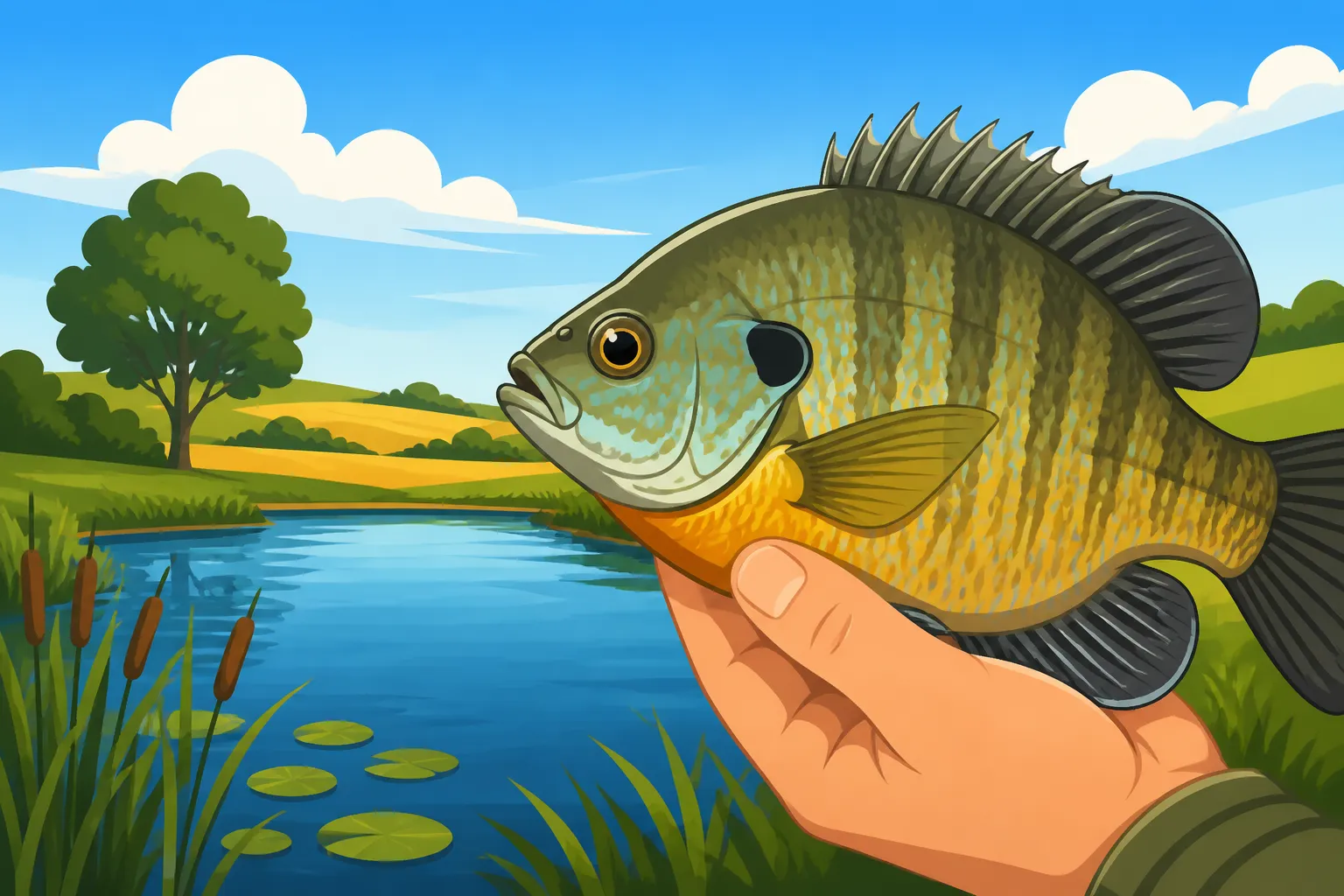
Bluegill are creatures of comfort, and that often means shallow, warmer waters, particularly those rich in aquatic vegetation. Think about lily pads, cattails, submerged grasses, and brush piles – these are their supermarkets and nurseries combined. The vegetation provides cover from predators like bass and catfish, acts as a spawning ground, and harbors the insects and small crustaceans that make up a significant portion of their diet. When you're looking at a pond or lake, scan the edges, coves, and shallower flats for these tell-tale signs. Places like the numerous community lakes managed by the Kansas Department of Wildlife and Parks (KDWP) are often designed with this in mind, incorporating various forms of habitat. If you're exploring larger reservoirs, focus on the protected coves and backwaters where the main lake's turbulence is buffered, and sunlight can penetrate to the bottom, encouraging plant growth.
Structure Is Key: Docks, Logs, and Rocks
Beyond vegetation, bluegill absolutely love structure. Anything that breaks up the monotony of the bottom or provides shade and ambush points will attract them. This includes man-made structures like boat docks, fallen trees, brush piles, rock piles, and even old tires or concrete culverts that have found their way into the water. These structures offer refuge from the sun on hot days and act as magnets for baitfish, which in turn attract the bluegill. When fishing, pay close attention to the shaded sides of docks or the submerged limbs of a fallen tree. These are prime locations for a school of bluegill to congregate. Many public access points on state fishing lakes will have these features readily available for bank anglers, making it easy to cast directly to productive cover. Sometimes, finding these specific structures might require some local knowledge, and resources like FishingBooker can sometimes help you connect with guides who know these nuances.
Top Types of Kansas Waterbodies for Bluegill
Kansas boasts a variety of fishing opportunities, and when it comes to bluegill, several types of waterbodies consistently deliver. Knowing the characteristics of each can help you narrow down your search and maximize your time on the water.
Community Fishing Lakes: Your Local Hotspot
For many Kansans, the best bluegill fishing is right in their backyard at one of the many Kansas Community Fishing Lake Rules. These urban and suburban lakes are often heavily managed by the KDWP, with regular stocking programs and habitat improvements designed to provide excellent angling opportunities, particularly for panfish like bluegill and crappie. They are typically well-maintained, easily accessible, and provide amenities like fishing piers, paved trails, and restrooms. Examples include the Sedgwick County Park lakes in Wichita, Lake Shawnee in Topeka, or Wyandotte County Lake near Kansas City.
These lakes are goldmines for bluegill because they are specifically engineered for high catch rates. The KDWP ensures a healthy population of bluegill through thoughtful stocking, making them a fantastic choice for a quick afternoon trip or for teaching kids to fish. The downside? They can sometimes be crowded, especially on weekends. However, with so many scattered across the state, you can often find a less-pressured spot with a little exploration. Remember to check local regulations for specific community lakes, as some might have unique length or creel limits for panfish. Our Kansas Fishing License Guide will ensure you're squared away with your permit before you hit these local gems.
Kansas State Fishing Lakes: Bigger Waters, More Bluegill
Beyond the community lakes, Kansas is home to a robust system of Kansas State Fishing Lakes Guide. These are generally larger than community lakes, often situated in more rural settings, and typically offer a more diverse fishery. While they might be known for species like bass or catfish, nearly all of them hold healthy populations of bluegill, often growing to larger sizes due to less fishing pressure on panfish and a more extensive, natural food base.
State Fishing Lakes often feature extensive shallow coves, timbered areas, and rocky shorelines that are perfect bluegill habitat. Lake Scott State Park, for example, offers incredible natural beauty and productive fishing, including good bluegill opportunities in its brush-laden areas. Another great example is Cedar Bluff State Park, where the reservoir's varied structure can hold excellent numbers of bluegill. These lakes provide more room to roam, whether you're fishing from the bank, a kayak, or a small boat. When planning a trip to one of these, scouting maps for shallow, protected coves with submerged timber or weed beds will be your best bet for locating the 'gills. Sometimes, even the less-pressured areas of larger reservoirs like Milford Lake or Clinton Lake can have outstanding bluegill populations in their calmer bays, so don't be afraid to explore.
Navigating Private Ponds: The Unofficial Gems
Let's be real: some of the absolute best bluegill fishing in Kansas can be found in private farm ponds. These waters, often stocked by landowners and less exposed to public pressure, can produce truly monstrous bluegill. However, accessing private ponds comes with a crucial caveat: you must have permission from the landowner. Trespassing is illegal and unethical, and it gives all anglers a bad name.
If you are lucky enough to gain access to a private pond, you're likely in for a treat. These ponds are often teeming with bluegill, some of which have never seen a hook. They are typically rich in natural forage, and without the constant pressure of public waters, the fish can grow large and bold. Building relationships with landowners, offering to help with chores, or simply asking politely and respecting their property are key to unlocking these unofficial gems. Many anglers find their best bluegill spots through word-of-mouth or by making friends in rural communities. For those seeking a guided experience on potentially private or lesser-known waters, sometimes FishingBooker can connect you with local guides who have established such relationships. Remember, a simple "thank you" and leaving the area cleaner than you found it goes a long way in maintaining these valuable fishing privileges.
Gear and Techniques for Bluegill Success
One of the beautiful things about bluegill fishing is that you don't need a tackle shop's worth of expensive gear. Simplicity and finesse are often the keys to success. Whether you're a seasoned angler or just starting, a basic setup and the right approach will fill your cooler (or your livewell for catch-and-release) with these feisty panfish.
Simple Gear, Big Results
When it comes to bluegill, less is often more. An ultralight or light-action spinning rod (5 to 6 feet in length) paired with a small spinning reel (500 or 1000 size) spooled with 2 to 4-pound test monofilament or fluorocarbon line is usually perfect. This light setup allows you to feel even the most subtle bites and makes the fight of a bluegill incredibly exciting.
Bluegill Fishing Gear Checklist:
| Item | Description | Why it's important |
|---|---|---|
| Rod | Ultralight or Light action, 5-6 ft | Sensitivity for light bites, makes fight exciting |
| Reel | Small spinning reel (500-1000 size) | Balances with light rod, smooth drag |
| Line | 2-4 lb test monofilament or fluorocarbon | Nearly invisible, strong enough for bluegill |
| Bobbers | Small slip bobbers or clip-on bobbers | Indicates bites, keeps bait at correct depth |
| Hooks | Small Aberdeen or "J" hooks (size 8-12) or tiny panfish jigs (1/32 to 1/16 oz) | Fits bluegill's small mouth, good for live bait or lures |
| Split Shot/Sinkers | Small removable split shot or pinch-on sinkers | Gets bait down, adds casting weight |
| Pliers/Forceps | Small needle-nose pliers or hemostats | Safely remove hooks, especially from smaller fish |
| Bait/Lures | Live worms, crickets, grubs, tiny soft plastics, small spinners | Essential for attracting bluegill, variety is key |
For bank fishing, a simple Best Rod Length for Bank Fishing of about 6-7 feet with a sensitive tip is ideal. Add a small bobber, a few split shots, and a size 8 hook, and you're in business. Don't forget a small pair of needle-nose pliers or forceps for easy hook removal, especially since bluegill have small mouths. You might also consider a small tackle box like the one discussed in our Best Tackle Box Setup for Kansas Anglers guide to keep your hooks, sinkers, and bobbers organized.
Bait and Lure Choices for Hungry 'Gills
Bluegill aren't particularly picky eaters, which is another reason they're such a joy to pursue. However, some baits and lures are undeniably more effective than others.
Live Bait Favorites:
- Worms: The classic. Red worms, nightcrawlers (pinched in half), or garden worms are irresistible to bluegill. They're readily available and easy to keep.
- Crickets/Grasshoppers: In the warmer months, natural insects are deadly. You can buy them at bait shops or catch your own.
- Waxworms/Mealworms: These grubs are another excellent choice, especially when tipped on a small jig or fished under a bobber. They have a subtle movement that bluegill love.
Artificial Lure Powerhouses:
- Small Jigs: Tiny jigs, often 1/32 or 1/16 ounce, tipped with a small piece of plastic (like a Bobby Garland Baby Shad or a Panfish Assassin) are incredibly effective. Fish them under a bobber or slowly retrieved. Our Best Bait for Kansas Crappie article has some great tips on jigging techniques that apply perfectly to bluegill as well.
- Micro Spinners: Lures like a tiny Rooster Tail or Mepps Aglia in sizes 0 or 1 are fantastic for active bluegill. Cast them out and retrieve slowly, allowing the blade to flash.
- Flies: If you're into fly fishing, small poppers, sponge spiders, or wet flies can be incredibly productive, especially during the warmer months when bluegill are looking up for insects.
No matter your choice, presentation is key. For live bait, keep it natural and subtle. For artificials, a slow, steady retrieve with occasional pauses often triggers bites. Experiment with depths, especially around structure and weed lines. You might find bluegill suspended a few feet down, or hugging the bottom, depending on the time of day and water temperature. For more advanced techniques that also apply to bluegill, consider exploring our Kansas Fishing Techniques for Beginners guide.
Disclaimer
Fishing regulations, license requirements, and local rules can change. Always consult the official Kansas Department of Wildlife and Parks (KDWP) website or their current regulations summary before heading out. This guide is for informational purposes only and does not supersede state or local laws.