Best Kayak Fishing Spots in Kansas
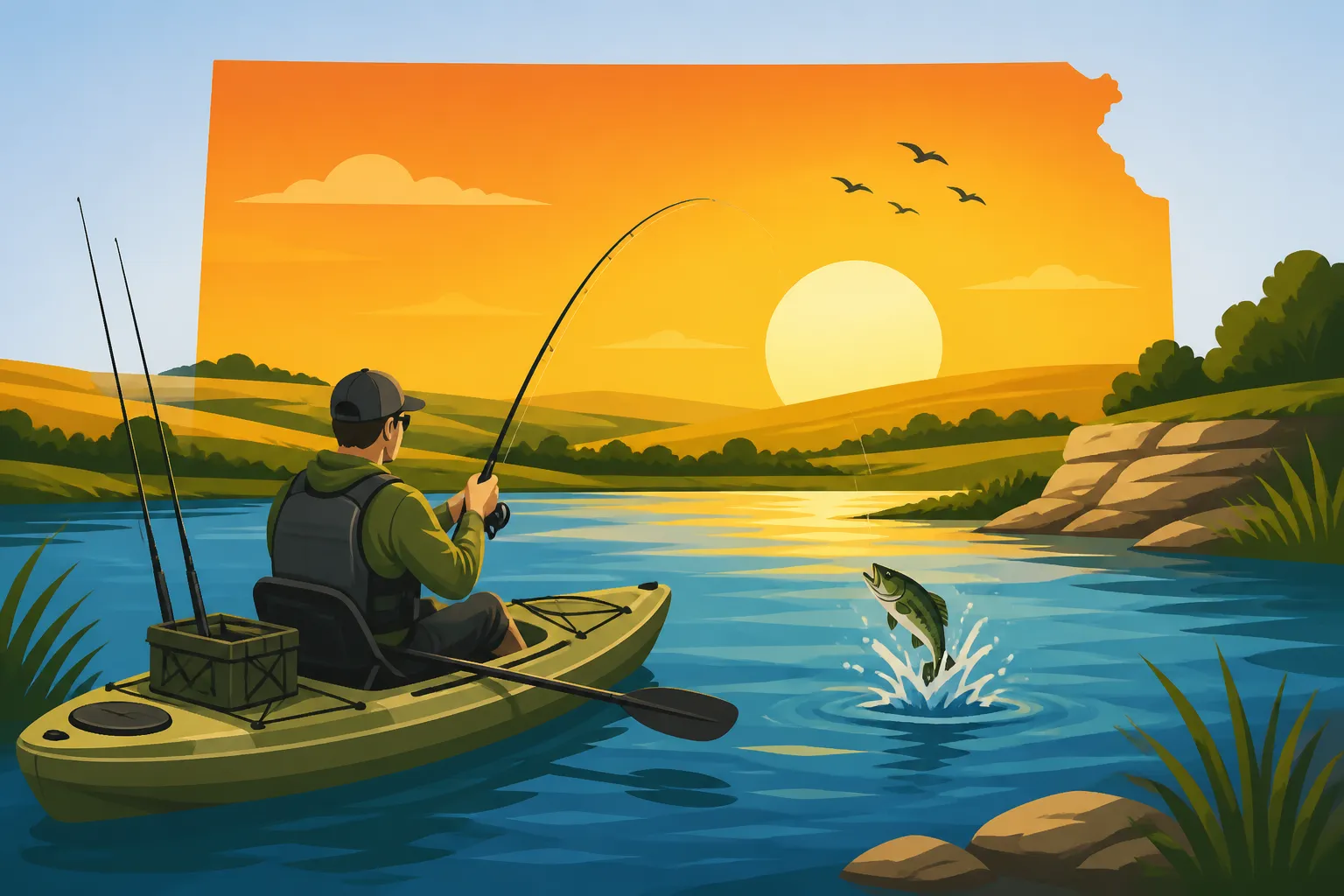
For many of us, the idea of getting out on the water in a kayak, paddling silently into a quiet cove, and casting a line is pure bliss. But let's be honest, finding those perfect, accessible kayak fishing spots in Kansas that offer both tranquility and excellent angling opportunities can sometimes feel like searching for a needle in a haystack. This guide is here to cut through the noise, offering insights into the best kayak fishing destinations across the Sunflower State, helping you plan your next peaceful and productive fishing adventure.
Why Kayak Fishing is a Game Changer in Kansas Waters
Kayak fishing has exploded in popularity, and for good reason! In a state like Kansas, with its vast reservoirs, winding rivers, and countless smaller ponds and community lakes, a kayak offers unparalleled access that traditional boats simply can't match. You can navigate into shallow coves, paddle up narrow river sections, or quietly approach wary fish without the noise and disturbance of a gas-powered motor.
The Undeniable Advantages of a Kayak on Kansas Lakes and Rivers
One of the biggest perks of kayak fishing is the stealth factor. Imagine drifting into a quiet arm of Milford Lake, where the bigger bass and crappie are hiding in the submerged timber. A bass boat roaring in might spook them, but your kayak glides in silently, allowing you to present your bait without alerting every fish in the vicinity. This stealth not only increases your chances of a bite but also enhances the overall experience, connecting you more intimately with nature.
Beyond stealth, kayaks offer incredible versatility. They're lightweight, making them easier to transport and launch from unconventional spots — think about those hidden public access points on smaller creeks or the quiet corners of larger reservoirs that don't have a boat ramp. Plus, the cost of ownership and operation is significantly lower than a powerboat. No gas, less maintenance, and you can often store them right in your garage. If you're wondering about the specifics of what to look for, our guide on the best kayak for Kansas reservoir fishing dives deep into selecting the right vessel for our waters.
Overcoming Common Kayak Fishing Challenges in Kansas
While the advantages are many, kayak fishing isn't without its unique challenges, especially in Kansas. Our larger reservoirs, like Cheney or Wilson, can get incredibly windy, making paddling a real workout and creating choppy conditions that can be daunting for smaller kayaks. It's crucial to check weather forecasts and wind advisories before heading out. Safety should always be your top priority, and wearing your personal flotation device (PFD) is non-negotiable. Our comprehensive guide on the Kansas Life Jacket and Boating Safety Guide offers all the essential information you need to stay safe on the water.
Another hurdle can be managing your gear in a limited space. Kayak anglers become masters of minimalism and organization. You'll learn quickly what tackle is truly essential and how to arrange it efficiently. However, the beauty of this challenge is that it forces you to focus on effective techniques and makes you a more deliberate angler. Don't forget, even from a kayak, you'll need to follow all the Kansas Fishing Regulations Explained to ensure a smooth trip.
Premier Kayak Fishing Destinations in Kansas
Kansas boasts an impressive array of waters perfect for kayak anglers, each offering its own unique appeal and target species. From sprawling reservoirs to tranquil state fishing lakes and winding rivers, there's a spot for every preference.
Large Reservoirs: Accessing the Unreachable
Kansas's major reservoirs are fishing powerhouses, and while they can feel intimidating in a small craft, knowing where to launch and where to paddle can unlock incredible fishing opportunities that boaters in larger vessels often miss.
Milford Lake: Walleye and White Bass Heaven
Milford Lake, the largest lake in Kansas, is a prime example of a big water body that truly shines for kayak anglers in specific areas. While the main lake can get rough, its numerous coves, creek arms, and the upper Republican River section are tailor-made for kayaks. Think about launching in areas like the Curtis Creek or School Creek coves. Here, you can quietly probe the submerged timber and brush piles for crappie in spring and fall. The clear water sections also make it a fantastic spot for targeting walleye, especially during their spawning runs when they move shallower. Many local anglers even check FishingBooker to find guides who specialize in navigating these more secluded parts of Milford Lake by kayak.
Another fantastic opportunity is fishing the white bass runs up the Republican River arm during late spring and early summer. The current in these river sections can be tricky for larger boats, but a kayak allows you to paddle upstream, setting yourself up in prime current seams where aggressive white bass ambush baitfish. Remember, a Kansas Fishing License Guide is your first step before hitting these waters.
Cheney Reservoir: Wiper and Walleye Territory
Cheney Reservoir, located southwest of Wichita, is renowned for its trophy wiper and walleye fishery. Like Milford, the main body of Cheney can be a beast, but its numerous shallow flats, points, and protected coves on the east and west sides offer phenomenal kayak fishing. Areas around the Graber Cove or the shallow flats near the dam are excellent for casting crankbaits or jigs for walleye, especially during low light conditions. Wipers, those hard-fighting hybrid stripers, often cruise the shallower flats, chasing baitfish, and a kayak gives you the ability to quietly approach these feeding frenzies without spooking them.
The key to Cheney is understanding the wind and finding sheltered water. On a west wind, the eastern coves become your sanctuary. A good fish finder designed for kayaks can be invaluable here, helping you locate structure and baitfish schools. Don't forget to review the Kansas Walleye Fishing Techniques before heading out!
Wilson Lake: The Clearest Waters
Known as one of the most scenic and clearest lakes in Kansas, Wilson Lake is a jewel for kayak fishing, particularly for smallmouth bass and striped bass. The rugged shoreline, with its rocky bluffs, submerged cedar trees, and ledges, provides ideal habitat for smallmouth. Kayaks can hug these shorelines, pitching jigs, tubes, or small crankbaits into every nook and cranny. The Hell Creek and Lucas Park areas offer excellent access to these types of structures.
For striped bass, while they often hold in deeper water, they will push baitfish into shallower points and coves, especially during cooler months. A kayak lets you follow these movements more effectively. The clarity of Wilson's water also means you need to be stealthier in your approach, making a kayak an even more advantageous choice. This lake truly offers some of the best fishing lakes in Kansas.
El Dorado Lake: Bass and Crappie Haven
El Dorado Lake, southeast of Wichita, is a fantastic all-around fishery with excellent opportunities for largemouth bass, crappie, and even some wiper action. Its irregular shoreline, numerous coves, standing timber, and brush piles are prime real estate for kayak anglers. The upper end of the lake, particularly the Walnut River arm, becomes especially appealing for kayaks as it narrows and provides more protected water.
Spring and fall are particularly good times for crappie, as they move into shallower brush. Kayaks can easily navigate these tight spots, dropping jigs or minnows. For largemouth bass, target the abundant shoreline cover, laydowns, and points with Texas-rigged worms, spinnerbaits, or topwater lures. The sheer amount of accessible cover makes it a kayak angler's dream for exploring and finding hidden honey holes.
Rivers and Smaller Waterways: Hidden Gems
Beyond the big reservoirs, Kansas's rivers and numerous smaller public lakes and ponds offer incredible, often overlooked, kayak fishing opportunities.
Kansas River: Catfish and More
The Kansas River, or Kaw River as locals call it, winds its way across the state and offers some truly unique kayak fishing for species like channel catfish, blue catfish, and flathead catfish. Kayaks are perfectly suited for navigating its varying currents and accessing sandbars, log jams, and tributary mouths that hold big cats. Launching from public access points in cities like Lawrence, Topeka, or Manhattan can put you right in the action.
Drift fishing with cut bait or live sunfish is highly effective for flatheads, while punching stink bait or punch bait into current breaks will tempt channel cats. The quiet nature of a kayak also allows you to position yourself precisely in subtle current seams. Check out our Kansas River Fishing Guide for more specific tips on tackling this mighty waterway. For those looking for a guided experience, some outfitters listed on FishingBooker even offer specialized river trips.
State Fishing Lakes and Community Ponds
Kansas is dotted with over 200 State Fishing Lakes and countless community fishing ponds. These smaller, often electric-motor-only or no-motor lakes, are absolutely perfect for kayaks. They offer peaceful settings, easy access, and often fantastic fishing for species like crappie, bass, bluegill, and channel catfish. Lake Scott State Park, for example, is a beautiful smaller lake where a kayak lets you explore every cove and shoreline.
These locations usually have easy bank access, making kayak launching a breeze. They're also excellent for beginners to hone their paddling and fishing skills in a less intimidating environment than a large reservoir. Always check the specific rules for each lake, as some may have restrictions on boat size or type. Remember that most state park fishing permit rules also apply.
Here’s a quick overview of some top kayak fishing spots:
| Location | Primary Species | Key Kayak Features | Best Times to Fish |
|---|---|---|---|
| Milford Lake | Walleye, White Bass, Crappie | Numerous coves, Republican River arm, clear water | Spring/Fall (Crappie, Walleye), Late Spring/Early Summer (White Bass) |
| Cheney Reservoir | Wiper, Walleye | Shallow flats, protected coves, diverse structure | Spring/Fall (Walleye), Summer (Wiper) |
| Wilson Lake | Smallmouth Bass, Striped Bass | Rocky bluffs, submerged timber, clear water, scenic | Spring/Fall (Smallmouth), Cooler months (Striped Bass) |
| El Dorado Lake | Largemouth Bass, Crappie | Walnut River arm, standing timber, brush piles | Spring/Fall (Crappie, Bass) |
| Kansas River | Channel, Blue, Flathead Catfish | Sandbars, log jams, current breaks, tributary mouths | Summer (Catfish) |
| State Fishing Lakes | Crappie, Bass, Bluegill, Catfish | Electric motor only/no motor, easy access, quiet | Year-round (species dependent) |
Essential Gear and Safety for Kansas Kayak Anglers
Getting started with kayak fishing requires a thoughtful approach to gear and a strong commitment to safety. You're not just fishing; you're operating a watercraft.
The Right Kayak and Essential Safety Equipment
Choosing the right kayak is paramount. For stability and comfort while fishing, a "sit-on-top" fishing kayak is generally preferred over a "sit-in" model, especially on larger Kansas reservoirs where you might encounter some chop. Look for models with a comfortable seat, ample storage, and attachment points for rod holders and other accessories. Brands like Hobie, Old Town, and Perception offer excellent fishing kayaks designed for stability and angler convenience. If you want more detail on specific models, our Kansas Kayak Fishing Gear Guide is a must-read.
Safety equipment isn't optional; it's mandatory. A properly fitted personal flotation device (PFD) must be worn at all times. A whistle or other sound-producing device is required, especially if you get separated from your kayak. A bright flag on a pole will increase your visibility to other boaters on larger lakes. Always carry plenty of water, a first-aid kit, and a fully charged phone in a waterproof case. For extended trips or on larger waters, consider a marine radio for communication.
Tools and Accessories for a Productive Day
Beyond the basics, several tools and accessories can significantly enhance your kayak fishing experience. A quality paddle is obvious, but consider a paddle leash to prevent it from floating away if you drop it. A small, lightweight anchor system is a game-changer for holding your position in wind or current, allowing you to effectively work a fishing spot. A specialized kayak anchor trolley setup can also allow you to deploy your anchor from the bow or stern of your kayak, depending on the conditions, making your setup incredibly versatile.
Rod holders, mounted strategically, free up your hands for paddling and re-tying. A small cooler or insulated bag keeps your lunch and drinks cold, and if you plan to keep fish, a stringer or a small insulated fish bag is essential. Don't forget a pair of polarized sunglasses to cut through the glare and spot fish or submerged structure – they're a literal game-changer on clear water lakes like Wilson.
Maximizing Your Kayak Fishing Success
Successful kayak fishing in Kansas, much like any other angling endeavor, boils down to preparation, understanding the fish, and adapting to conditions.
Strategic Planning and Weather Awareness
Before you even load your kayak, a little homework goes a long way. Check the weather forecast meticulously, paying close attention to wind speed and direction. A strong sustained wind can make paddling strenuous and even dangerous on open water. If the forecast looks dicey, consider a smaller, more protected lake or river. Utilize resources like the Kansas Department of Wildlife, Parks and Tourism (KDWPT) website for fishing reports and stocking schedules. For a more tailored experience, checking platforms like FishingBooker can sometimes connect you with local guides who offer kayak-specific trips and insights into current conditions.
Study maps of your chosen spot – topographical maps are invaluable for identifying underwater structure like old creek channels, humps, or drop-offs, which are prime fish-holding areas. Satellite imagery can reveal visible cover like timber, weed lines, and shallow access points. Knowing the typical feeding patterns for the species you're targeting at different times of the year will also help. For instance, in spring, many species like crappie and bass will be moving to shallow areas for their spawn, and knowing when does crappie spawn start can give you a real advantage.
Techniques Tailored for Kayak Anglers
Kayak fishing often lends itself to certain techniques. Sight fishing, especially in clear waters like Wilson Lake, becomes incredibly effective when you're silently gliding along. Polarized sunglasses are essential for spotting fish or submerged structure. For targeting suspended fish, slow trolling with small crankbaits or jigs can be very productive, especially for walleye or wipers on larger reservoirs. Your kayak allows you to maintain a consistent speed and cover water effectively.
When fishing structure, such as brush piles for crappie or rock piles for smallmouth bass, precise casting and presentation are key. Your kayak's maneuverability lets you get into tight spots and make accurate casts that would be difficult from a larger boat. Don't underestimate the power of jigging or casting soft plastics slowly around cover; the quiet approach of a kayak ensures you don't spook the fish before your lure even hits the water.
Disclaimer
Please remember that fishing regulations, conditions, and public access points can change. Always consult the official Kansas Department of Wildlife, Parks and Tourism (KDWPT) website for the most current information regarding licenses, regulations, and specific lake rules before heading out on your fishing trip. Stay safe and enjoy the water responsibly.