Tuttle Creek Lake Size Compared to Milford
Trying to decide where to cast your line in Kansas can be a real head-scratcher, especially when you’re looking at our bigger reservoirs like Milford Lake and Tuttle Creek Lake. It’s easy to get lost in all the numbers, wondering which one truly offers the best experience for your particular fishing style. This guide is here to untangle the facts, comparing these two fantastic impoundments so you can make an informed decision for your next Kansas angling adventure.
Understanding Milford Lake's Immense Scale
When most Kansans talk about "big water," Milford Lake is usually the first name that comes up, and for good reason. It’s not just big; it's truly massive by Kansas standards, often hailed as the state's largest lake. This vastness shapes every aspect of fishing and recreation there, from the types of fish you'll find to the kind of boat you might need to navigate its expansive waters.
The True Dimensions of Milford Lake
Milford Lake covers a staggering 15,700 acres at its normal pool elevation. Just to put that into perspective, that's enough surface area to feel like you're on an inland sea, especially on a windy day. It's truly a powerhouse of a fishery, stretching across Geary and Clay counties, with a shoreline that meanders for over 163 miles. This enormous footprint provides an incredible diversity of habitats, from deep, rocky main lake points to shallow, brushy coves and expansive flats, making it a dream for anglers who love to explore.
Beyond just surface area, Milford Lake also boasts considerable depth, with some areas plunging to over 60 feet, particularly near the dam. This depth is crucial for certain fish species, like striped bass, which thrive in cooler, deeper water, especially during the scorching Kansas summers. The sheer volume of water also means it can handle a lot of fishing pressure without feeling overcrowded, giving everyone a chance at solitude, even on busy weekends. If you're planning a trip, our dedicated Milford Lake Fishing Guide can give you even more in-depth information.
What Milford Lake's Size Means for Anglers
The sheer scale of Milford Lake presents both exciting opportunities and unique challenges for anglers. For those with larger boats, it offers endless miles of water to cover, perfect for trolling for walleye or chasing schooling white bass in open water. The extensive shoreline also means there are countless coves and points to explore for crappie, largemouth bass, and catfish. However, its size can also be intimidating for beginners or those in smaller crafts. Wind can whip up quickly, turning calm waters into formidable waves that require caution and a capable boat.
Fishing Milford often requires covering a lot of ground, and having good electronics, like a reliable fish finder, can be a huge asset in locating fish in such a vast environment. It's a lake where understanding seasonal patterns and fish movements becomes paramount because fish have so much room to roam. Its size also means it supports a robust ecosystem, with plenty of baitfish to sustain a healthy population of predators, including the highly sought-after walleye and striped bass.
Tuttle Creek Lake's Expansive Waters
Nestled just north of Manhattan, Tuttle Creek Lake might not have the "largest lake in Kansas" title, but don't let that fool you. It's still a massive body of water that offers incredible fishing and recreational opportunities, especially for those who appreciate its unique riverine characteristics. It's a lake forged by the confluence of the Big Blue and Little Blue rivers, giving it a distinct personality compared to Milford's more open-water feel.
The Measurements of Tuttle Creek Lake
Tuttle Creek Lake stretches across approximately 10,900 acres at its normal pool. While this is less than Milford Lake's impressive 15,700 acres, it's still an immense reservoir that would dwarf most other lakes in the state. Its shoreline snakes for about 100 miles, creating a labyrinth of bays, coves, and river channels that are fantastic for anglers looking for diverse environments. The lake is long and narrow in many sections, following the path of the old river channels, which influences fish behavior and angler strategies.
Like Milford, Tuttle Creek has significant depth, reaching over 50 feet in some areas, particularly near the dam and along the submerged river channels. However, it’s also known for being a bit muddier due to its river inflows, especially after heavy rains, which can affect visibility and require different fishing approaches. Despite the occasional turbid water, this lake holds a tremendous amount of fish, particularly known for its impressive catfish populations.
What Tuttle Creek Lake Offers Anglers
Tuttle Creek's size and river-fed nature make it a fantastic destination for a variety of fishing pursuits. Its extensive shallow flats, timber, and stump fields are prime territory for crappie and bass, while the deeper channels and riprap along the dam are hotspots for walleye. But perhaps its biggest draw is its reputation as one of the Best Catfish Lakes in Kansas. Anglers regularly pull in trophy channel cats, blue cats, and flatheads from its fertile waters. Our article on Tuttle Creek Lake Catfish Fishing dives deep into how to target these monsters.
The narrower stretches and numerous arms of Tuttle Creek can sometimes feel a bit more manageable than the wide-open expanse of Milford, making it a good choice for those in medium-sized boats or even kayaks who want to explore without venturing too far into vast, exposed water. It's a lake where understanding the river current and how it influences fish location is key. The diverse structure, from flooded timber to rocky shorelines, ensures there's always a new spot to investigate, making every trip an adventure.
Side-by-Side Size Metrics and Key Differences
To really grasp the difference, let’s lay out the key size metrics for both Milford Lake and Tuttle Creek Lake. While both are significant fisheries in Kansas, their differences in scale and character certainly influence the angling experience.
Here’s a direct comparison:
| Metric | Milford Lake | Tuttle Creek Lake |
|---|---|---|
| Surface Area | ~15,700 acres | ~10,900 acres |
| Shoreline Length | ~163 miles | ~100 miles |
| Maximum Depth | ~60 feet | ~50 feet |
| Primary Inflows | Republican River, Smoky Hill River | Big Blue River, Little Blue River |
| Water Clarity | Generally clearer (can vary) | Often more turbid (especially after rain) |
| Primary Draw | Walleye, Striped Bass, White Bass | Catfish (Blue, Flathead, Channel), Crappie, Walleye |
| Location | Geary & Clay Counties (near Junction City) | Riley & Pottawatomie Counties (near Manhattan) |
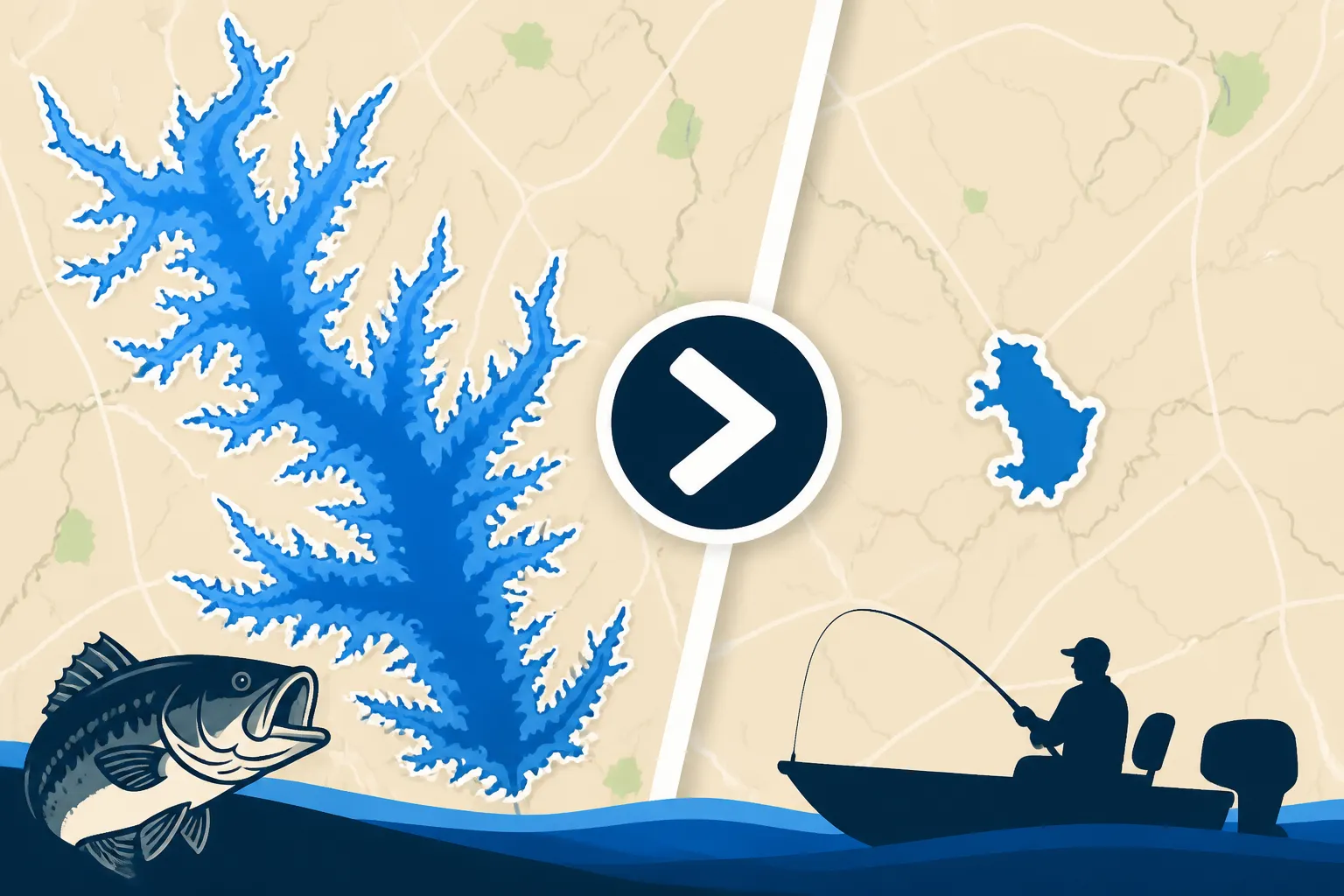
From this table, it's clear that Milford Lake truly is the larger of the two in terms of raw acreage and shoreline length. This extra space often translates to more widespread fish populations and the ability to find unpressured water more easily, even during peak fishing times. However, Tuttle Creek's slightly smaller, more riverine environment cultivates a different kind of fishery, particularly excelling in its robust catfish populations.
How Lake Size Influences Fishing Strategies and Target Species
The size difference between Milford Lake and Tuttle Creek Lake isn't just a number; it fundamentally changes how you approach fishing on each body of water. Experienced anglers know that adapting your gear, techniques, and even your mindset to the specific lake is crucial for success.
Navigating the Vastness of Milford Lake
Fishing Milford Lake often feels like a big game hunt. Its immense open water and extensive structure mean that fish can be spread out, requiring anglers to cover a lot of ground. Trolling is a very popular and effective method here, especially for walleye and hybrid stripers, allowing you to systematically work large areas. When the white bass are schooling, you might find yourself running and gunning, chasing birds and surface activity over miles of water. For those who prefer specific tactics, Milford's many points and ledges are excellent for jigging or casting crankbaits for walleye, while its numerous coves and timbered areas provide ample opportunities for targeting crappie with techniques like spider rigging or single-pole jigging. Understanding Kansas Walleye Fishing Techniques can be particularly useful here.
Because of its size and potential for rough water, having a reliable boat with a good motor, a decent fish finder, and ample safety gear is highly recommended for Milford. You don't want to be caught unprepared when a Kansas thunderstorm rolls in. Many anglers planning to explore the vastness of Milford might consider hiring a guide through services like FishingBooker to help pinpoint productive areas and learn the nuances of this immense reservoir. If you're bringing your own vessel, make sure you understand the Kansas Boat Registration Guide before you hit the water.
Unlocking the Potential of Tuttle Creek Lake
Tuttle Creek Lake, while still large, offers a slightly more contained fishing experience, especially for those targeting its famous catfish. The river channels and numerous submerged structures are key here. Drift fishing with cut bait or stink bait is incredibly effective for blue and channel catfish, allowing you to present bait naturally along the bottom. For flatheads, finding prime log jams and deep holes in the old river beds, often at night, can be hugely productive.
Crappie anglers will find plenty to love in Tuttle Creek's timbered coves and brush piles, where vertical jigging or slow trolling small jigs and minnows can yield excellent results. While walleye are present, their patterns can sometimes be more closely tied to the river current and turbidity. The slightly more protected nature of many of Tuttle Creek's arms makes it a fantastic lake for kayak anglers or those with smaller boats, offering plenty of navigable water without the constant worry of extreme open-water conditions. For beginners, getting a handle on Kansas Fishing Techniques for Beginners can really help here.
Planning Your Kansas Fishing Adventure
Deciding between Milford and Tuttle Creek Lake boils down to your personal preferences and what kind of fishing experience you're after. Both offer world-class angling, but they do cater to slightly different styles.
Which Lake Suits Your Angling Style?
If you dream of wide-open spaces, chasing schooling white bass, battling trophy walleye over vast structures, or tangling with hard-fighting striped bass, Milford Lake is probably your paradise. It's an ideal choice for anglers with larger boats who enjoy covering significant water and appreciate the challenge of a truly immense reservoir. The sheer size means fewer crowds in any one spot, even during busy weekends, and the potential for a truly memorable catch is always there. It’s the kind of lake where you might consider booking a fishing trip through a platform like FishingBooker to maximize your chances of success, especially if you're new to its vastness.
On the other hand, if your heart beats for monster catfish, enjoy navigating timber-filled coves for crappie, or prefer a lake that, while still large, feels a bit more "river-like" in its structure and fishing patterns, Tuttle Creek Lake should be high on your list. It’s also an excellent choice for anglers who might have smaller boats or kayaks, or who simply prefer to focus on specific, known hotspots for species like its legendary catfish. The fishing for panfish here, particularly crappie, can be phenomenal. Regardless of which lake you choose, always make sure you have your Kansas Fishing License Guide in order before you head out!
Beyond Size: What Else to Consider
While size is a big factor, remember to also consider other aspects like accessibility, facilities, and the kind of amenities you prefer. Both lakes are part of the Kansas State Parks system, meaning they offer numerous boat ramps, camping facilities, and other recreational opportunities.
- Milford Lake is located near Junction City and provides multiple state park units like Milford State Park, offering plenty of access points and campgrounds. It's a very popular destination for camping, boating, and swimming, in addition to fishing.
- Tuttle Creek Lake is conveniently close to Manhattan, home to Kansas State University, which means plenty of local services, bait shops, and dining options are nearby. Tuttle Creek State Park provides excellent facilities for anglers and campers alike.
Ultimately, both Milford Lake and Tuttle Creek Lake are gems in the Kansas fishing landscape. Your choice might depend on whether you want to tackle the vastness of the state's largest lake for its diverse trophy potential or delve into the river-influenced waters of Tuttle Creek, especially if catfish are your primary target. Why not plan a trip to both and experience the unique charm and fantastic fishing each one has to offer?
Disclaimer
The information provided in this guide is for general informational purposes only and is subject to change. Always consult the official Kansas Department of Wildlife, Parks and Tourism (KDWPT) regulations for the most current and accurate fishing license requirements, seasons, limits, and boating laws before planning your trip. Fishing conditions and fish populations can vary, and past success does not guarantee future results.