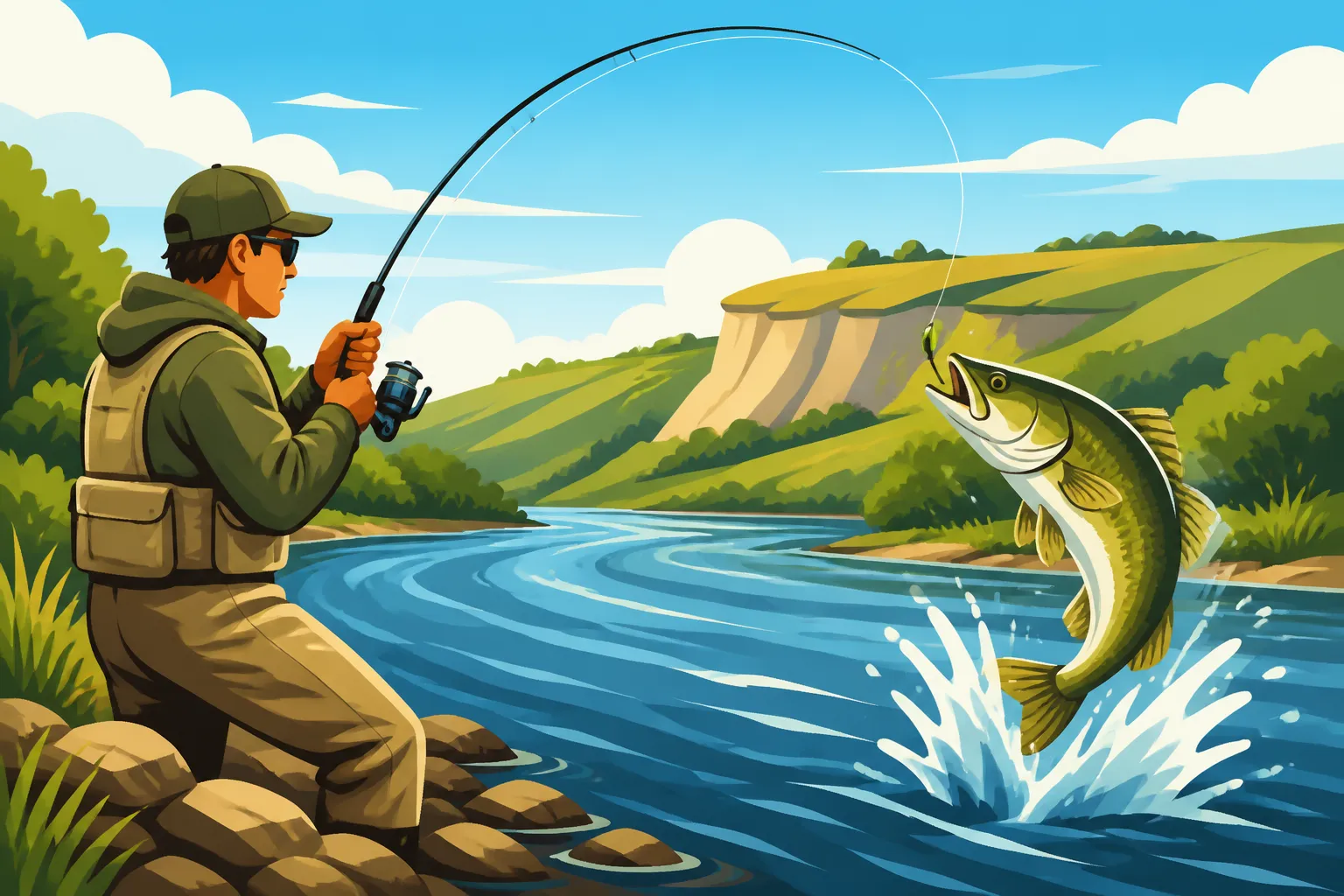
Fishing the Solomon River in Kansas
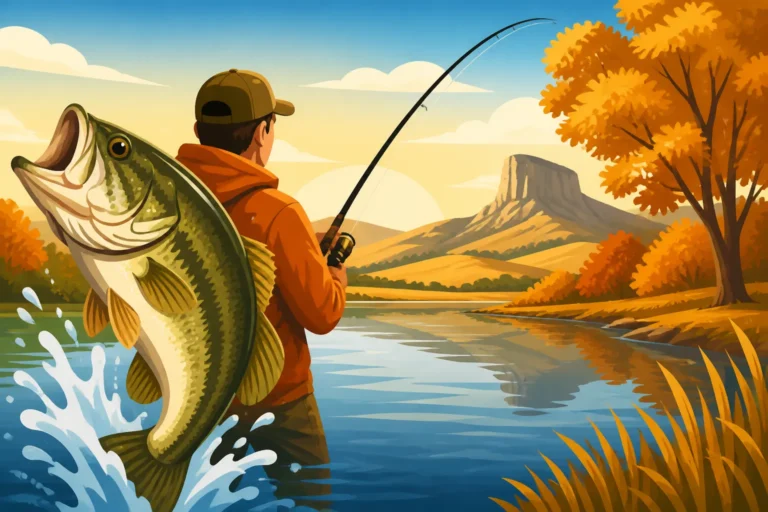
Fishing the Solomon River in Kansas can be a truly rewarding experience, but navigating its diverse stretches and understanding its unique character can feel a bit overwhelming for new anglers or those unfamiliar with river systems. You might wonder where to even start, what fish you're likely to catch, or what gear you actually need to be successful. This comprehensive guide is here to demystify the Solomon River, offering practical advice and insider tips to help you make the most of your next fishing adventure, whether you're a seasoned local or just visiting.
Understanding the Solomon River’s Unique Character
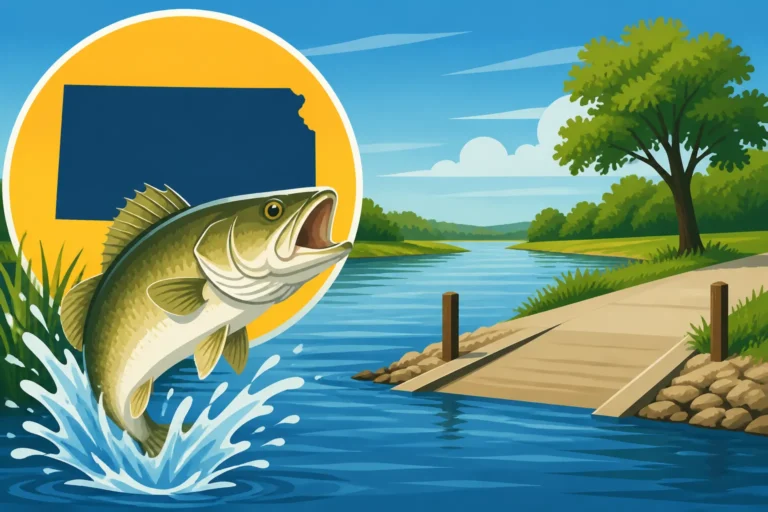
The Solomon River, with its East and West forks converging to form a single stream that eventually joins the Smoky Hill River, is a vital waterway carving its way through north-central Kansas. Unlike the vast, open expanses of the state’s major reservoirs, the Solomon offers a more intimate, winding river fishing experience, characterized by a mix of deep pools, riffles, sandbars, and rocky stretches. This varied topography creates diverse habitats for a range of fish species, making it an exciting challenge for any angler. Understanding these nuances is key to unlocking its fishing potential.
Upper vs. Lower Solomon: What to Expect
The Solomon River truly transforms as it flows, and understanding these changes is crucial for successful fishing. The upper reaches of both the East and West Forks, particularly closer to their headwaters, tend to be narrower, shallower, and often more prone to fluctuating water levels, especially after heavy rains or during dry spells. Here, you’ll find more riffles and smaller pools, and fishing might involve more wading or targeting smaller species. While you can find fish in these areas, they often require a more stealthy approach.
As these forks merge and the river progresses downstream, particularly below Waconda Lake (Glen Elder Reservoir) and towards its confluence with the Smoky Hill, the Solomon becomes a more substantial waterway. In these lower sections, the river deepens, widens, and often features more stable channels, larger oxbows, and deeper holes that can hold bigger fish. The substrate also shifts, from predominantly sand and gravel upstream to more silt, mud, and some rocky structures downstream. This transition means different fish will thrive in different areas.
For instance, the upper stretches might be good for smaller channel catfish and various panfish that prefer shallower, faster-moving water. However, the lower river is where you're more likely to encounter the true river monsters, especially trophy flathead catfish, lurking in those deeper, slower-moving pools and around heavy cover. Anglers need to adapt their approach based on which section of the river they're exploring, often requiring heavier tackle and larger baits in the deeper, downstream areas.
River Conditions and How They Impact Fishing
River fishing is inherently dynamic, and the Solomon is no exception. Water levels and clarity are perhaps the two most critical factors influencing fishing success, often more so than on static lake environments. After significant rainfall, the river can become high and muddy, making fishing incredibly tough as visibility drops and strong currents make it difficult for fish to hold position. While catfish sometimes bite well in stained water, extreme turbidity often shuts down other species, or at least makes them incredibly difficult to locate. You might find fish holding tighter to cover or in slower eddies to escape the strong current and low visibility during these times.
Conversely, during extended dry periods, the river can drop significantly, concentrating fish in deeper pools but also making them more wary and spooky due to less cover and clearer water. During these low-water conditions, fish can become lethargic and less willing to chase baits. Temperature also plays a huge role. Spring and fall often offer the most consistent fishing as water temperatures are moderate, triggering feeding frenzies before spawning or in preparation for winter. During the hot Kansas summers, fish become more lethargic during the day and often feed most actively during cooler evening and night hours. Understanding these environmental cues allows you to adjust your timing, bait choices, and presentation. Always keeping an eye on local forecasts and checking current river conditions through resources like the USGS streamflow data can give you a significant edge before you even wet a line.
Prime Fishing Spots and Access Points Along the Solomon
One of the biggest hurdles when fishing rivers in Kansas, especially smaller ones like the Solomon, is finding reliable access. Much of the land along the river is privately owned, meaning you can’t just pull over and start fishing anywhere. However, there are established public access points, and with a bit of local knowledge and courtesy, you can find some fantastic fishing opportunities. Knowing where to go and how to respect the land is paramount to a good experience and for maintaining positive relationships with landowners.
Public Access Points and Bridges
The most common public access points along the Solomon River are often found at bridge crossings, county road easements, and sometimes at designated public hunting/fishing areas managed by the Kansas Department of Wildlife, Parks and Tourism (KDWPT). These spots are invaluable for bank anglers or those looking to launch a kayak or canoe. For instance, several bridges spanning the Solomon between Concordia and Minneapolis offer legitimate access to the riverbanks, allowing anglers to target deeper runs or brush piles that are often scoured out near bridge pilings. Always look for clear signage indicating public access or consult KDWPT maps before venturing out, as trespassing can lead to fines and loss of privileges.
Another notable area is near the outflow of Waconda Lake (Glen Elder Reservoir), where the river immediately below the dam can offer some excellent fishing, especially during certain times of the year when fish are drawn to the discharge. This concentrated flow often attracts baitfish, and in turn, larger predators. These areas are typically well-maintained and offer ample parking, making them ideal for families or those seeking easier access. While the Solomon River itself isn't a massive destination like some of the larger reservoirs described in the Kansas State Fishing Lakes Guide, its various public access points contribute significantly to the overall fishing opportunities in the region. If you're struggling to find spots, a quick call to the local KDWPT office or a visit to a local bait shop can often provide invaluable, up-to-the-minute information on hot spots and accessible locations, as local knowledge is often the best.
Navigating Private Property and Respecting Landowners
It’s an unfortunate reality that many of the most promising stretches of the Solomon River run through private land. Attempting to access these areas without permission is not only illegal but can also damage the reputation of anglers as a whole, potentially leading to further restrictions on public access. Always assume land is private unless clearly marked as public access, and never cut fences or leave gates open. If you see a particularly enticing stretch that looks like it’s on private land, your best bet is to try and locate the landowner and *politely* ask for permission. You’d be surprised how often a respectful request can be granted, especially if you offer to close gates, pack out all your trash, and leave no trace. Building a good rapport with landowners can sometimes open up incredible, otherwise inaccessible fishing opportunities.
Remember, a simple "no" should always be accepted gracefully and without argument. Never trespass, and always be an ambassador for the sport. If you're looking for guided experiences on private stretches or just want help finding legal access, platforms like FishingBooker can sometimes connect you with local guides who have established relationships and can navigate these permissions for you. This way, you ensure you're fishing legally and responsibly, preserving access for future generations of anglers. Demonstrating respect for private property is essential for maintaining access to Kansas's beautiful waterways.
Key Tributaries and Confluences
The Solomon River is fed by numerous smaller creeks and streams, and the confluences where these tributaries meet the main river can be absolute hotspots. These junctions often create unique current breaks, deeper scour holes, and deposit additional forage, concentrating fish. Especially during periods of higher flow or after a rain, when smaller creeks might be carrying extra nutrients and baitfish, game fish will move into these areas to feed. Look for the mouths of creeks like Oak Creek, Twelvemile Creek, and Spring Creek as they flow into the Solomon, as these can be productive zones.
These confluence zones are particularly productive for catfish, which will often stage in these areas, waiting to ambush prey washed down from the smaller streams. The change in water clarity or temperature from a tributary entering the main river can also act as a magnet for fish, creating an "edge" that fish often relate to. Pay attention to any significant changes in bottom structure or current speed at these points. Often, you'll find submerged timber, rock piles, or deeper channels that offer excellent cover for fish, making them prime targets for both active and passive fishing techniques. Exploring these tributary junctions can yield surprisingly good results, especially when other parts of the river are less productive.
Targeting Key Fish Species in the Solomon River
While the Solomon River might not boast the sheer variety of species found in some of Kansas’s larger reservoirs, it certainly makes up for it with abundant populations of hard-fighting river fish. Knowing what to expect and which species dominate different sections of the river will help you tailor your approach and increase your chances of a successful day on the water. Focusing on these primary targets will generally lead to more consistent action.
Channel Catfish: The River’s Abundant Fighter
Ah, the channel catfish! If there’s one fish synonymous with Kansas rivers, it’s this feisty whisker fish. The Solomon River is absolutely teeming with channel cats, ranging from smaller “eaters” in the 1-3 pound range to respectable fish pushing double digits. They are incredibly adaptable and can be found throughout the river, from shallow riffles to deep holes. They’re also quite aggressive feeders, making them a fantastic target for anglers of all skill levels, including beginners.
To catch channel cats in the Solomon, you'll want to focus on areas with slower currents adjacent to faster flows, deep bends, submerged timber, and undercut banks. These spots offer both cover and an excellent ambush point for foraging fish. For bait, channel cats aren't picky. You can use classic stink baits (like those from Catfish Charlie or Uncle Josh), prepared baits, cut bait (shad or sunfish work wonders), chicken livers, or even a simple nightcrawler or shrimp. Fishing a simple slip-sinker rig on the bottom is often the most effective approach, allowing the fish to pick up the bait without feeling the weight of the sinker. Remember to check the Kansas Channel Catfish Daily Limit before you head out, as regulations help maintain healthy populations and ensure sustainable fishing for everyone. Many anglers find the bite picks up significantly during the evening and night hours, especially in warmer months when these fish are most active.
Flathead Catfish: The Trophy Hunter’s Dream
For those looking for a truly challenging catch, the Solomon River holds some impressive flathead catfish. These monsters are the apex predators of the river, known for their immense size, powerful fights, and preference for live bait. Unlike channel cats, flatheads are primarily ambush predators that prefer live food and typically inhabit the deepest, snaggiest holes, often around large submerged logs, rock piles, or bridge pilings. They are territorial and will lurk in these dense cover spots, waiting for an unsuspecting meal to swim by. Finding their lair is half the battle.
Targeting flatheads requires a different approach than their channel cat cousins. You'll need stout tackle – heavy-action rods, robust baitcasting or spinning reels, and strong line (20-50 lb test braided or monofilament is common) to handle their power and prevent break-offs in heavy cover. Live bait is key; a live bluegill, green sunfish, or even a small carp hooked through the back or lips will get their attention. Fishing these baits on a heavy-duty slip-sinker rig directly on the bottom, in or very close to heavy cover, is the standard. Be patient, as flathead bites can be subtle at first, often feeling like a gentle tug before the rod doubles over with serious intent. The lower sections of the Solomon, with their deeper water and more abundant timber, are generally more productive for these big brutes. For specific rigging advice and techniques, you might find the Kansas Catfish Fishing Techniques guide particularly helpful.
Crappie and Sunfish: Smaller but Fun Catches
While the Solomon isn’t typically known as a trophy crappie or sunfish destination compared to Kansas’s larger reservoirs, you can still find plenty of these panfish, especially in slower-moving sections, oxbows, and backwater areas. These species often congregate around submerged brush, weed beds, or beneath overhanging trees that provide shade and cover. They make for excellent family fishing and can be a lot of fun on light tackle, providing consistent action when other species are slow.
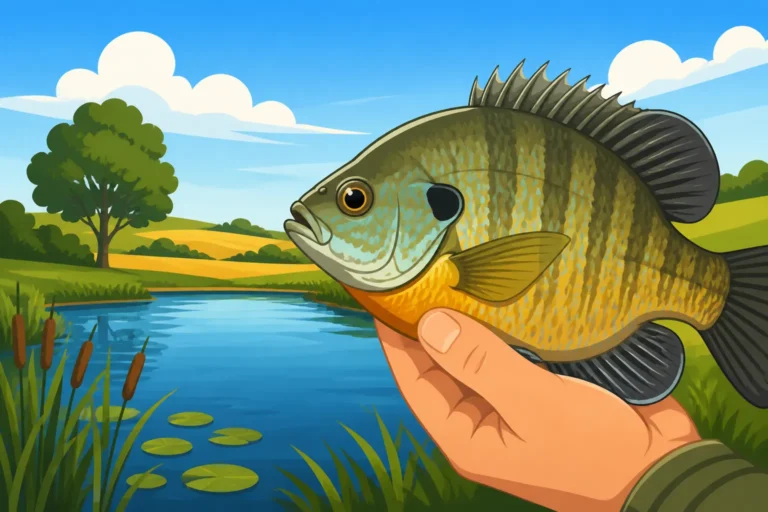
White crappie and various sunfish species (bluegill, green sunfish, and redear sunfish) are the most common panfish you'll encounter. For crappie, small jigs tipped with minnows or soft plastics (like Bobby Garland's or Strike King's tiny plastics) under a bobber are highly effective. Focus on brush piles and structure. For sunfish, a simple worm or cricket on a small hook under a bobber can lead to non-stop action, especially for kids. Look for areas with slower current, often near bends or in protected coves formed by the river's meandering path, where aquatic vegetation can thrive. These smaller fish are often overlooked but provide consistent action and are great table fare, making them a worthy target on any Solomon River outing, particularly for those looking for a relaxing day with lots of bites.
Essential Techniques and Gear for Solomon River Success
Getting your gear and techniques dialed in for river fishing is a bit different from lake fishing. The current, varied depths, and abundant snags of the Solomon River demand specific setups and strategies. A little preparation goes a long way in ensuring a productive and enjoyable day on the water, reducing frustration and increasing your chances of landing fish.
Rigging for River Catfish
When you’re fishing for catfish in a river like the Solomon, your rigging needs to stand up to the current and the powerful fish that call it home. The most common and effective setup is a slip-sinker rig, also known as a Carolina rig. This involves threading an egg sinker (or a no-roll sinker, which is excellent for rivers because it lies flat and resists rolling in the current) onto your main line, followed by a bead (to protect the knot from the sinker), and then tying on a swivel. To the other end of the swivel, you’ll attach a leader line (often 12-24 inches long, varying by conditions and target species) and finally your hook. This setup allows the fish to take the bait without immediately feeling the resistance of the sinker.
The weight of your sinker will depend entirely on the strength of the current; you need just enough to hold your bait on the bottom without it rolling downstream excessively. For hooks, circle hooks are highly recommended, especially when using live or cut bait, as they significantly reduce gut-hooking, which is better for the fish if you plan to release it. Sizes can range from 2/0 for smaller channels up to 8/0 or even 10/0 for targeting trophy flatheads. Remember, the river bottom is often snaggy with logs and rocks, so be prepared to lose some tackle. Having extra weights, hooks, and leader material is always a good idea, particularly if you're exploring new areas. This type of rigging is crucial for successful Best Bait for Kansas Catfish and adapting to river environments.
Bank Fishing vs. Kayak/Canoe Fishing
The Solomon River offers opportunities for both bank fishing and fishing from a small craft, each with its own advantages and disadvantages. Your choice often depends on your target species, the specific section of the river, and your personal preference.
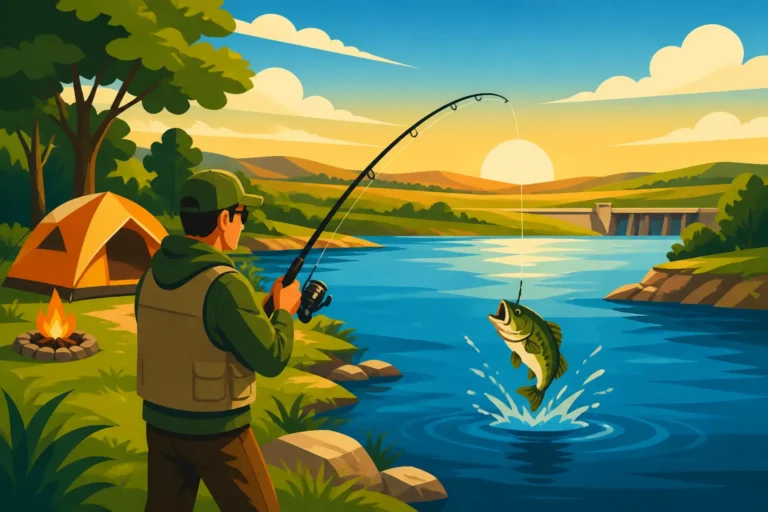
Bank Fishing: Many accessible spots along the Solomon, particularly at bridge crossings and public easements, are perfect for bank anglers. You can set up multiple rods, often targeting deep holes or current breaks that are within casting distance. This method is great for a relaxed day and is particularly effective for channel catfish, especially during night fishing excursions when setting up camp is convenient. However, bank fishing limits your reach; you can only access what's directly in front of you or within casting range, meaning many productive areas across the river or further upstream/downstream might be out of reach. It also means you're contending with whatever shoreline vegetation or obstacles are present, which can make casting challenging. For a comfortable bank fishing setup, consider a sturdy rod holder, a comfortable chair, and a headlamp if you plan to target night feeders.
Kayak/Canoe Fishing: For those who want to explore more remote and untouched stretches of the Solomon, a kayak or canoe is an absolute game-changer. These nimble crafts allow you to drift silently through pools, access areas inaccessible by foot, and precisely position yourself over submerged structure that bank anglers can only dream of reaching. You can cover much more water, identify subtle changes in current or depth, and often find less pressured fish. When considering a kayak for river fishing, look for stability, maneuverability, and ample storage for your gear. Our Kansas Kayak Fishing Gear Guide offers excellent advice on what to look for in a river-appropriate craft. Just be mindful of rapids or shallow riffles, especially in the upper river, and always wear a life jacket. Before heading out, plan your put-in and take-out points, as longer river floats require coordination and transportation.
Seasonal Considerations for Optimal Fishing
Fishing the Solomon River, like any waterway, is heavily influenced by the seasons. Understanding these patterns helps you predict fish behavior and maximize your success. Adapting your strategy to the time of year is a hallmark of an experienced angler.
Spring (March-May): As water temperatures rise, fish become more active, moving out of their winter haunts. This is a prime time for prespawn channel catfish, which are aggressively feeding to build energy reserves. Crappie and sunfish also become very active as they prepare for their spawn, often moving into shallower, warmer backwater areas and slack water. The Kansas Spring Fishing Guide delves deeper into this period, but for the Solomon, focus on areas where the water warms quickest, such as dark-bottomed shallow flats or protected coves.
Summer (June-August): Kansas summers bring hot weather, which can make midday fishing tough as fish seek deeper, cooler water. However, early mornings, late evenings, and especially at night, can be incredibly productive for channel and flathead catfish. Fish will seek out deeper, cooler water during the day and feed actively during the twilight and nighttime hours when temperatures drop and they feel safer. Targeting deeper holes, shaded areas, and current breaks is key during the day, while moving to shallower feeding flats at night can be effective.
Fall (September-November): Many anglers consider fall one of the best times to fish the Solomon. Water temperatures begin to cool, and fish go on a feeding binge to put on weight for winter. Catfish remain very active, and you might encounter more aggressive bites throughout the day. The river typically runs clearer in the fall as well, making it easier to read the water and locate structure. This is often when you catch some of the biggest fish of the year as they feed heavily.
Winter (December-February): Winter fishing on the Solomon can be slow but rewarding for the persistent angler. Fish activity slows significantly, and they often hold in the deepest, slowest pools or adjacent to major current breaks where they can conserve energy. While not typically an ice fishing destination like some larger lakes, open water can still produce. Patience is paramount, and a slow, subtle presentation with live or dead bait presented directly to their holding areas is usually most effective. Check the Kansas Fishing Seasons Guide for general information, but for the Solomon, think deep and slow.
Here’s a quick overview of what to target:
| Species | Preferred Habitat | Best Baits | Recommended Techniques |
|---|---|---|---|
| Channel Catfish | Deep bends, submerged timber, current breaks | Cut bait, stink baits, chicken liver, worms | Bottom fishing (slip-sinker rig) |
| Flathead Catfish | Deep, snaggy holes, large submerged logs | Live bluegill, sunfish, small carp | Heavy bottom fishing (slip-sinker rig) |
| Crappie | Slow-moving sections, brush piles, backwaters | Small jigs, minnows, tiny soft plastics | Jigging, fishing under a bobber |
| Sunfish | Weedy edges, shallow protected areas | Worms, crickets, small artificial baits | Bobber fishing, light tackle casting |
Remember that no matter when or where you fish, you need to be aware of the Kansas Fishing Regulations Explained, as they can change. Make sure your Kansas Fishing License Guide is up to date, and if you're bringing along younger anglers, be sure to understand the Fishing License Age Requirements in Kansas. Always carry your license and be ready to present it if requested by KDWPT officials.
Disclaimer
Fishing conditions and regulations in Kansas can change. Always consult the latest Kansas Department of Wildlife, Parks and Tourism (KDWPT) official regulations before heading out on any fishing trip. This guide is for informational purposes only and does not replace official state publications.