Least Crowded Fishing Lakes in Kansas
There's nothing quite like heading out for a peaceful day of fishing, only to arrive at your favorite spot and find it swarming with other anglers. That feeling of disappointment, the constant battle for space, and the general clamor can really take the joy out of what's supposed to be a relaxing escape. If you're tired of elbow-to-elbow combat for prime fishing real estate in Kansas, you've come to the right place. This guide is all about helping you discover those quieter, more secluded fishing lakes where you can truly unwind and enjoy the sport without the crowds.
Understanding What Makes a Fishing Lake "Least Crowded" in Kansas
When we talk about "least crowded," it’s not always about the smallest pond or the most remote location (though those certainly help!). A lot of factors go into whether a fishing spot feels like a bustling city street or a quiet country lane. Understanding these elements can help you identify potential peaceful havens on your own.
Beyond Just Size: Factors like Access, Reputation, and Fish Species
You might think a huge lake would always be crowded, but that's not necessarily true. For example, while Milford Lake is massive, certain areas can still be surprisingly quiet, especially if they're harder to access by boat or vehicle. Conversely, a small community pond can feel incredibly packed if it's the only easily accessible spot for miles around, especially on a sunny Saturday.
One major factor is the lake's reputation. Lakes known for producing trophy walleye or giant catfish tend to draw a crowd, sometimes from out of state. People will travel far and wide for the chance at a record-breaker, and that means competition. If a lake is primarily known for panfish or has less aggressive species, it might get overlooked by the trophy hunters, leading to more solitude for you. Another key is access. A lake with limited public boat ramps, difficult bank access, or one that requires a bit of a hike to reach fishing spots will naturally deter some anglers. Think about spots nestled away in a state park where you have to walk a bit from the parking lot – these often offer more tranquility than a spot right next to a paved parking area.
The Drawbacks of Popular Hotspots: Why Places like Milford or Cheney Can Be Overwhelming
Don't get me wrong, lakes like Milford Lake, Cheney Reservoir, or Wilson Lake are fantastic fisheries, and they hold some incredible fish. There's a reason they're often featured in guides like our Best Fishing Lakes in Kansas. However, their very popularity is often their biggest drawback for those seeking peace and quiet. On a prime weekend, especially during peak seasons like the spring crappie spawn or the fall walleye bite, these lakes can be packed. You'll see boat after boat, jet skis buzzing, and bank anglers lined up like soldiers.
The sheer volume of anglers can lead to increased fishing pressure, making the fish warier and harder to catch. It also means more noise, more trash, and sometimes, less courtesy on the water. For many, the stress of navigating crowded boat ramps or battling for a fishing hole simply isn't worth the potential reward. You're trying to escape, not join a fishing derby!
Hidden Gems: Specific Less-Frequented Fishing Lakes in Kansas
Kansas has a wonderful network of fishing opportunities, and while some lakes get all the glory, there are plenty of others that offer excellent fishing and a much calmer atmosphere. These are the spots where you can actually hear the birds sing and the gentle lapping of water.
Smaller State Fishing Lakes and Community Ponds
The Kansas Department of Wildlife and Parks (KDWP) manages numerous State Fishing Lakes (SFLs) and Community Fishing Lakes (CFLs) across the state. Many of these are smaller, often nestled in rural areas, and don't receive the same heavy traffic as the large reservoirs. They are typically well-stocked and maintained, offering fantastic fishing for a variety of species like channel catfish, largemouth bass, and crappie. You can often find a detailed list and specific rules for these in our Kansas State Fishing Lakes Guide.
Consider lakes like Fall River Lake near Fredonia, or Toronto Lake further north. While still reservoirs, they are often less pressured than the "big five" and can offer fantastic fishing, especially on weekdays. Big Hill Lake in southeast Kansas is another gem that consistently produces good fish without the huge crowds of its larger counterparts. Further east, La Cygne Lake offers unique fishing opportunities due to its warm water discharge from a power plant, making it a hotspot even in colder months, yet it remains relatively uncrowded compared to major reservoirs.
Many counties also have small community lakes, sometimes just a few acres, that are perfect for a quiet afternoon. These often offer easy bank access and are fantastic places to introduce kids to fishing without the chaos. You might find some peace and quiet even in popular areas if you explore these smaller, local spots. Just remember to check for Kansas Community Fishing Lake Rules before you go.
Navigating the Kansas River and its Tributaries
If still water isn't cutting it for solitude, turn your attention to the flowing waters of Kansas. The Kansas River Fishing Guide is an excellent resource, as the Kansas River (often called the Kaw) and its many tributaries offer incredible fishing opportunities, particularly for catfish, white bass, and even some sauger. River fishing inherently spreads anglers out more, as there are miles upon miles of accessible banks and boat launches.
You might not see another soul for hours if you pick a less-traveled section. Exploring smaller rivers like the Republican River, Big Blue River, or the Neosho River can yield fantastic results and unparalleled tranquility. You'll need to be mindful of currents and access points, but the reward of a peaceful day spent with just you and the river is immense. Consider getting out on a kayak or canoe to reach even more remote stretches.
Private Ponds and Exclusive Access: The Ultimate Low-Crowd Option
For the ultimate uncrowded experience, nothing beats a private pond. If you have friends, family, or even acquaintances with private land and a pond, this is gold. Private ponds often hold healthy populations of bass, bluegill, and catfish, and with limited fishing pressure, they can offer some of the best fishing experiences in the state. Remember to always ask for permission before stepping onto private property, and make sure you understand any specific rules the landowner might have. You can learn more about fishing these types of waters with our Fishing Rules for Private Ponds in Kansas.
Sometimes, you can even book private lake access through services or local guides, which guarantees exclusivity. While not always free, the investment can be worth it for a truly undisturbed day of angling. Online platforms like FishingBooker occasionally list guides or properties that offer private lake access, giving you a peek into potential options for a more exclusive experience.
Strategies for Finding Your Own Secluded Fishing Paradise
Finding these less-crowded spots isn't always about hitting the most obscure dot on a map. Sometimes, it's about smart planning and using resources effectively.
Leveraging Local Knowledge and KDWP Resources
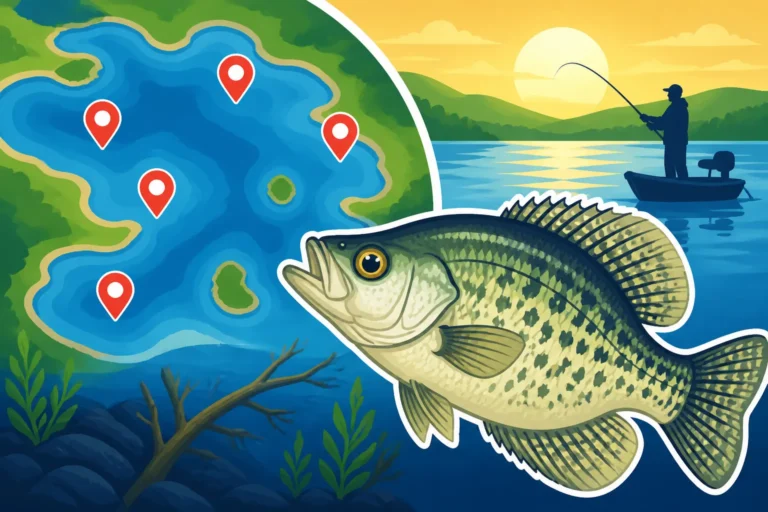
The Kansas Department of Wildlife and Parks (KDWP) website is a treasure trove of information. They provide lake maps, fishing reports, and stocking schedules for nearly every public water body in the state. Pay close attention to the fishing reports; while they highlight good fishing, they can also indicate where the crowds are heading. Look for reports on smaller lakes that might mention good but not "epic" fishing – these are often your best bet for solitude.
Don't underestimate local bait shops. The folks working there are often lifelong anglers and know the ins and outs of local waters, including where to find peace and quiet. When you stop by to pick up some live bait, strike up a conversation. Ask them, "Where's a good spot that's not too busy this time of year?" You'd be surprised what gems they might share.
Online forums or local fishing clubs can also be great for gathering intel. While people might not outright give away their secret honey holes, they might drop hints about certain types of water or general areas that see less pressure.
Timing Your Trip for Solitude: Weekdays, Off-Season, and Early Mornings/Late Evenings
This is perhaps the simplest and most effective strategy for avoiding crowds, regardless of the lake's popularity.
- Weekdays: It sounds obvious, but fishing on a Tuesday instead of a Saturday can make a world of difference. Most people work Monday to Friday, leaving the waters much emptier during the week. If you have the flexibility, seize it!
- Off-Season: While spring and fall are prime fishing seasons, they also bring out the most anglers. Consider trying winter fishing (if ice conditions allow, and you're prepared with appropriate Kansas Ice Fishing Gear Guide) or targeting species that are active in the hotter summer months when fewer people are out during the day. Our Kansas Fishing Seasons Guide can help you plan.
- Early Mornings/Late Evenings: Even on a busy lake, the first few hours after sunrise or the last few hours before sunset are often much calmer. Many recreational boaters aren't out yet, and fair-weather anglers have packed up. Plus, these twilight hours are often when many fish species are most active, offering a double benefit. Check out our guide on the Best Time of Day to Fish in Kansas for more detailed insights.
The Art of Exploring New Waters: Getting Off the Beaten Path
Sometimes, the best way to find an uncrowded spot is to simply go somewhere new. Grab a map, look for smaller bodies of water that might not be prominently featured, and just go explore. Use satellite imagery on mapping apps to scout for potential access points or promising shorelines. You might find a forgotten farm pond or a secluded bend in a river that’s perfect.
Don't be afraid to walk a little further than most. If a boat ramp is busy, consider parking and walking a good distance down the bank to find a more isolated spot. The extra effort often pays off in peace and quiet, and sometimes even in better fishing, as those areas see less pressure. Remember to always be aware of private property boundaries and respect landowner rights.
Making the Most of Your Tranquil Fishing Experience
Once you've found your peaceful fishing spot, it’s important to make the most of the experience, both for your enjoyment and to maintain the integrity of these less-pressured areas.
Gear Up for Versatility: What to Bring When Exploring Unknown Waters
When you're venturing into lesser-known waters, versatility in your gear can be a game-changer. You might not know exactly what species you'll encounter or what the terrain will be like.
- A well-rounded rod and reel combo: A medium-light to medium power spinning rod with a versatile reel size (like a 2500 or 3000 series) spooled with 8-12 lb test line can handle most common Kansas species from panfish to decent-sized catfish or bass. You can find more specific recommendations in our Best Rods and Reels for Kansas Fishing.
- A diverse tackle box: Instead of specializing, pack a variety of baits. Include some jigs for crappie, a few crankbaits for bass or walleye, some soft plastics, and plenty of hooks, weights, and bobbers for live bait or bottom fishing. Don't forget some essential items like pliers, line cutters, and a tape measure.
- Comfortable and practical clothing: Layers are always a good idea in Kansas, and sturdy walking shoes are a must if you plan on hiking to remote spots. A good hat and polarized sunglasses are essential for protecting yourself from the sun and spotting fish.
- Navigation and safety: Always bring a fully charged phone with a mapping app, a physical map if you're in a truly remote area, plenty of water, and a small first-aid kit. Let someone know where you're going and when you expect to be back.
Respecting the Environment and Other Anglers: Even in Solitude, Practice Good Ethics
Just because a spot is uncrowded doesn't mean you have free rein to disregard ethical angling practices. In fact, it's even more important to be a good steward of these less-pressured areas so they remain enjoyable for everyone.
- Leave No Trace: Pack out everything you pack in, and if you see any trash, consider taking it with you. This includes discarded fishing line, bait containers, and food wrappers.
- Practice Catch and Release: If a spot is producing well and you've caught enough for a meal, consider releasing the rest, especially if they are larger breeding-size fish. This helps maintain a healthy fish population for future anglers.
- Know and Follow Regulations: Always be aware of the specific Kansas Fishing Regulations Explained for the body of water you're fishing, including length limits, creel limits, and tackle restrictions. Make sure your Kansas Fishing License Guide is up to date!
- Be Mindful of Wildlife: You're often a guest in their home. Observe wildlife from a distance and avoid disturbing them.
- Share the Water (Even if it’s sparse): If by chance another angler shows up at your "secret spot," offer a friendly nod and give them plenty of space. We're all out there for the same reason – to enjoy the tranquility.
Finding those peaceful, uncrowded fishing lakes in Kansas might take a little more effort, but the reward of a serene day on the water, free from the hustle and bustle, is truly priceless. Tight lines, and happy exploring!
Disclaimer
The information provided in this guide is for general informational purposes only and is not intended as legal advice. Fishing regulations, license requirements, and local rules can change frequently. Always consult the official Kansas Department of Wildlife and Parks (KDWP) website or local authorities for the most current and accurate information before planning your fishing trip. Adherence to all applicable laws and regulations is the sole responsibility of the angler.