Best Time of Day to Fish in Kansas
There’s nothing quite as frustrating as dragging yourself out of bed before dawn, spending hours on the water, only to catch nothing but a chill, or battling the scorching midday sun with similar disappointing results. Figuring out when Kansas fish are most likely to bite isn't always about casting the prettiest lure or finding the secret honey hole; often, it’s about understanding their daily rhythms. This comprehensive guide will help you decipher the best times of day to cast your line in Kansas, considering everything from the seasons to the specific species you're targeting.
Understanding the Daily Rhythms of Kansas Fish
Fish, much like us, have natural cycles of activity, rest, and feeding. These cycles are heavily influenced by environmental factors such as light, temperature, and the availability of their prey. In Kansas, where the weather can swing dramatically, understanding these fundamental daily patterns is crucial for consistent success. It’s not just about showing up; it’s about showing up at the right time.
Dawn and Dusk: The Golden Hours
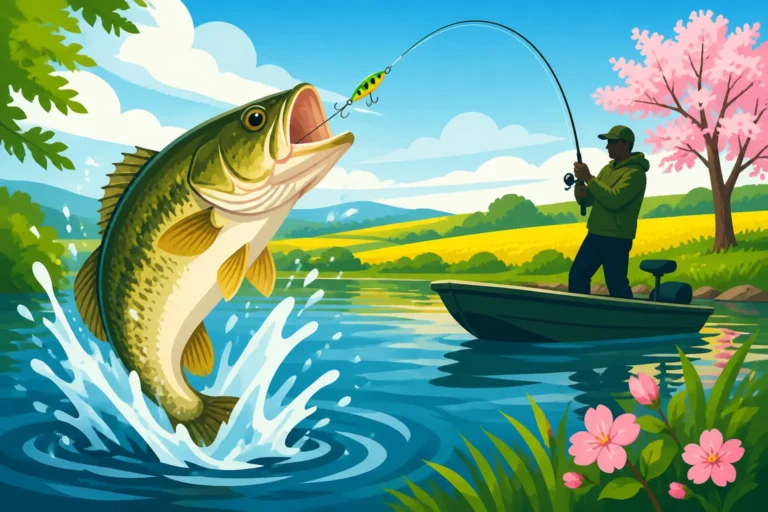
Most experienced anglers will tell you that the periods around sunrise and sunset are often the most productive. These "golden hours" offer a perfect storm of conditions that stimulate fish activity, making them prime times for casting. The lower light levels, cooler temperatures, and increased baitfish movement combine to create an irresistible feeding window for many predatory species.
As the sun begins to creep above the horizon, or dips below it, the harsh light that penetrates the water during the day softens considerably. This reduced light intensity makes many fish species, especially those with larger eyes adapted for low-light conditions like walleye, feel more comfortable moving out from cover to actively hunt. Think of it as their equivalent of a dinner bell ringing; they know it's safer to forage, and their prey is often more vulnerable. This is especially true on clear, sunny days when the midday sun can drive fish deep or under dense cover.
Beyond light, temperature plays a significant role. During summer, the water is at its coolest right at dawn, gradually warming throughout the day. Conversely, it begins to cool again as dusk approaches. These moderate temperatures are often more comfortable for many game fish, leading to increased metabolic rates and a greater urge to feed. You'll often find species like white bass exploding on baitfish near the surface at dawn and dusk, taking advantage of these cooler, lower-light conditions. Many anglers swear by targeting areas where baitfish congregate during these times, knowing predators won't be far behind.
Midday Fishing: Beating the Heat and the Crowds
While dawn and dusk certainly have their allure, sometimes life gets in the way, and midday is your only option. Don't despair! Midday fishing, though often more challenging, can still be productive, especially if you adapt your approach. The key is to understand why fish might be less active and adjust your tactics accordingly. It also often means fewer people on the water, which is a bonus in itself.
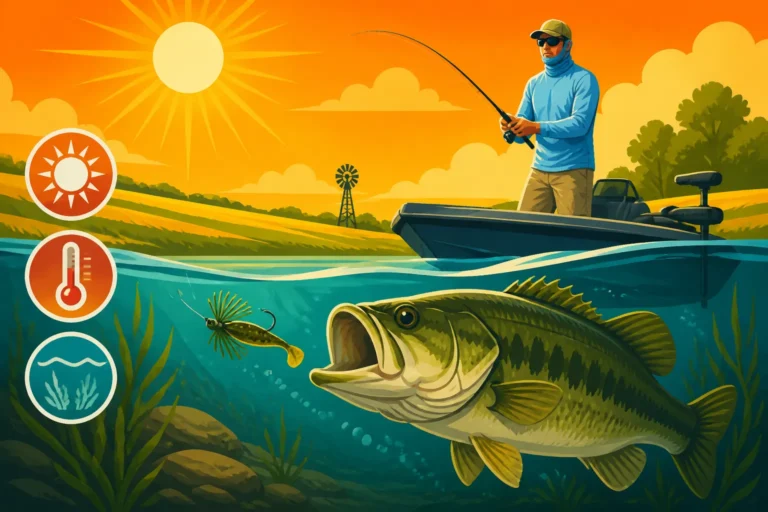
One of the biggest challenges of midday fishing, particularly during the warmer months, is the intense sun and heat. This drives many fish deeper into the water column or into thick cover where temperatures are more stable and light is less direct. Instead of casting towards open water or shallow flats, focus your efforts on shaded areas like undercut banks, dense weed beds, submerged timber, or deep main lake points. Using a fish finder to locate schools of baitfish and the predators holding tight to structure in deeper water can be incredibly effective during these hours. You might need to adjust your retrieve speed, often slowing it down, as fish tend to be less aggressive when stressed by heat.
For species like catfish, midday can still be quite good, especially if you're targeting them in deeper channels or using prepared baits that rely more on scent than sight. They aren't as light-sensitive as walleye and will often feed throughout the day if the conditions are right, particularly after a cold front has pushed them deeper. Bank anglers in Kansas might find success seeking out shaded stretches of the Kansas River, using hearty baits for channel cats or big flatheads. It's about recognizing that fish are still there; they're just in a different mood and location than they would be at sunrise or sunset.
Seasonal Adjustments to Daily Fishing Times
Kansas experiences all four seasons in full force, and each one brings its own set of challenges and opportunities for anglers. The "best time of day" isn't a static concept; it shifts dramatically with the changing seasons, largely influenced by water temperature and the fish's spawning cycles. Ignoring these seasonal nuances is a surefire way to come home empty-handed.
Spring: Pre-Spawn and Spawn Frenzy
As winter's chill loosens its grip and water temperatures begin to rise, Kansas fishing comes alive. Spring is a period of intense activity for many species as they prepare for and engage in their annual spawn. The warming water dictates when and where they'll be most active throughout the day.
In early spring, when water temperatures are still cool but climbing, fish like crappie and walleye often use sunny, shallow bays and coves to warm up. They might be most active during the warmest part of the day, often mid-afternoon, soaking up the sun's rays and feeding on emerging baitfish. As the water warms further and the pre-spawn truly kicks in, fish become incredibly active, feeding aggressively to build energy for the spawn. This period can see extended feeding windows, where both morning and late afternoon can be fantastic. You'll find anglers targeting pre-spawn crappie in shallower brush piles at places like Hillsdale Lake, often having success throughout the late morning and early afternoon.
Once the actual spawn begins, the daily patterns can become a bit more specific. Crappie, for example, often move into extremely shallow water, sometimes only a foot or two deep, to lay eggs. During this time, they might be highly territorial and strike at anything that invades their space, making them catchable throughout much of the day, though still often peaking in the calmer, gentler light of morning or evening. For walleye, the spawn typically happens earlier in the spring in main lake areas with rocky bottoms. Their post-spawn recovery can see them moving to nearby shallow feeding grounds, making early morning and late evening bites particularly strong as they recuperate and feed voraciously. Understanding these nuances is vital; a quick check of the Kansas Fishing Seasons and Limits will give you a general idea, but local knowledge and recent reports are key to pinpointing precise timing.
Summer: Early Mornings and Late Evenings Dominate
When the Kansas summer sun beats down, things change dramatically on the water. The intense heat and high water temperatures can push many game fish into deeper, cooler, more oxygenated water, making midday fishing particularly tough. This is when early mornings and late evenings truly shine, and night fishing becomes a legitimate, often highly productive, strategy.
During the scorching summer months, fish metabolism slows down in the heat, and they often seek refuge in cooler, deeper sanctuaries during the brightest parts of the day. This makes the first few hours after sunrise and the last few hours before sunset prime feeding windows. As the water cools even slightly, and the light diminishes, fish feel more comfortable moving into shallower areas to hunt for baitfish. Think about those glassy smooth mornings on Milford Lake, just as the sun peeks over the horizon, and wipers start schooling on the surface. That’s your summer prime time.
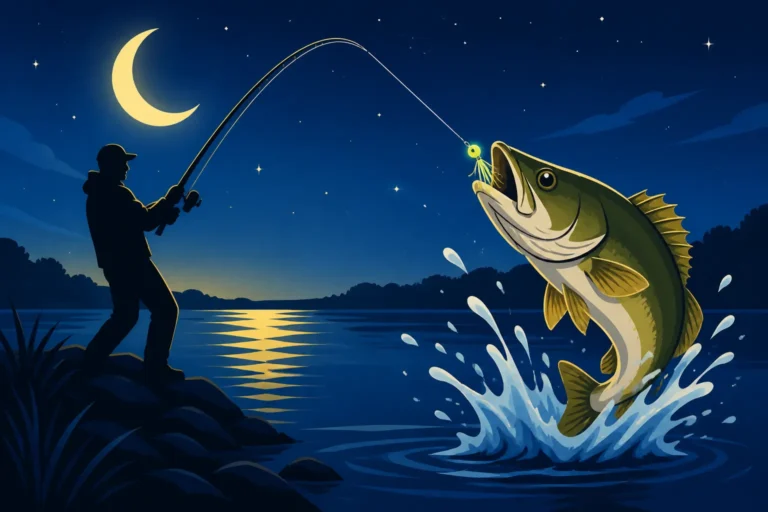
Night fishing really comes into its own during the summer in Kansas. Species like channel catfish, flathead catfish, and even some white bass become incredibly active under the cloak of darkness. The water temperatures are at their coolest, boat traffic is minimal, and many baitfish are more active, bringing predators out to feed. You can have incredible success on the Kansas River fishing for giant blue catfish well after dark. For those willing to brave the mosquitoes and darkness, a calm summer night can offer some of the most memorable fishing experiences. Consult our Kansas Night Fishing Guide for more detailed strategies and safety tips.
Fall: Feeding Frenzies Before Winter
Autumn in Kansas is often a favorite season for anglers, and for good reason. As water temperatures begin to drop from their summer highs, fish sense the approaching winter and engage in massive feeding frenzies to bulk up. This often translates into extended, aggressive feeding windows throughout the day.
The cooling water in fall invigorates fish, making them more active and willing to chase down prey. Unlike the summer, where the bite often shuts off by mid-morning, fall can see strong bites that last through the entire morning and into the early afternoon, especially on overcast days. Baitfish also begin to school up more tightly, making them easier targets for predatory fish. Walleye, bass, and crappie are all excellent targets in the fall, and you might find them in transition zones – moving between deeper summer haunts and shallower wintering areas. This migratory behavior can concentrate fish, leading to hot bites if you can locate these schools.
On sunny fall days, fish might still prefer the calmer low-light periods, but even midday can be productive, particularly in deeper water or around structure. The key difference is their increased willingness to bite. A cold front might temporarily slow things down, but generally, fish are eager to feed. This makes fall fishing less about finding specific "golden hours" and more about finding the active schools of fish. Often, a slow, methodical approach with crankbaits or jigs can pay dividends throughout the day as fish forage to prepare for colder temperatures.
Winter: Navigating the Cold Waters
Winter fishing in Kansas, particularly ice fishing, presents its own unique set of daily timing challenges. With water temperatures at their lowest, fish metabolism slows dramatically, and their feeding windows become much shorter and often less aggressive. Success in winter often hinges on hitting these precise, albeit brief, activity peaks.
During the open water winter months, which can last into December and begin again in March, fish are often found in deeper, more stable temperature zones. Their feeding windows are usually concentrated during the warmest parts of the day, typically from late morning through mid-afternoon. The sun, even on a cold day, can warm the surface layers slightly or stimulate plankton blooms, which in turn attracts baitfish, triggering a brief feeding period for larger predators. Trout, which are often stocked in Kansas Community Fishing Lakes during the colder months, will also respond well to this midday warmth.
For ice fishing, the story is similar. While many think ice fishing means sitting all day, the reality is that active feeding windows are often short and sweet. Again, the midday period, from about 10 AM to 3 PM, is frequently the most productive. The slight increase in light penetration through the ice and the subtle warming effects can trigger activity. Fish under the ice are often lethargic, so delicate presentations and slow retrieves are paramount. Knowing the Kansas Ice Fishing Guide can certainly help, but recognizing these short, active windows is critical.
Here’s a quick overview of the best daily times for key Kansas species across the seasons:
| Species | Spring (Pre-Spawn/Spawn) | Summer (Hot Water) | Fall (Cooling Water) | Winter (Cold Water/Ice) |
|---|---|---|---|---|
| Walleye | Dawn/Dusk, Mid-day (spawn) | Dawn/Dusk, Night | Dawn/Dusk, Mid-day (overcast) | Mid-day (open water/ice) |
| Crappie | Dawn/Dusk, Mid-day (shallow) | Dawn/Dusk, Night | Dawn/Dusk, Mid-day | Mid-day (open water/ice) |
| Catfish | Dawn/Dusk, Night, Overcast | Night, Early Morning, Late Eve | Throughout the day, Night | Mid-day (active periods) |
| White Bass | Dawn/Dusk, Mid-day (run) | Dawn/Dusk, Night (surface) | Dawn/Dusk, Mid-day (feeding) | Limited activity, Mid-day |
| Largemouth Bass | Dawn/Dusk, Mid-day (spawn) | Dawn/Dusk, Early Morning | Dawn/Dusk, Mid-day | Mid-day (deep water) |
| Trout | Early Morning, Late Afternoon | N/A | N/A | Mid-day (stocked waters) |
Factors Influencing Daily Fish Activity Beyond Time
While time of day and season provide a general framework, fish behavior is a complex dance influenced by a myriad of environmental factors. Being aware of these additional elements can further refine your daily fishing strategy, turning a slow day into a successful one. It’s about being a detective and observing your surroundings.
Weather and Barometric Pressure
The weather isn't just about comfort for us; it profoundly affects fish activity, often dictating when they're most willing to feed. Barometric pressure, in particular, is a silent influencer that many anglers overlook. A sudden drop or rise in pressure can trigger or shut down a bite faster than you can change your lure.
Generally, stable or slowly falling barometric pressure is often considered ideal for fishing. This period typically precedes a storm front, when fish, sensing a change, tend to feed aggressively. Many experienced anglers will tell you that the hours just before a major rainstorm or cold front moves in can offer some of the best fishing of the day. Conversely, a rapidly rising or high, stable pressure, often associated with clear skies and fair weather after a front, can make fishing tougher. Fish tend to become less active and might hold tighter to cover, requiring slower, more subtle presentations.
Cloud cover can also extend prime fishing times. On an overcast day, the low-light conditions preferred by many predatory fish can last much longer, sometimes extending the golden hours through a good portion of the morning or afternoon. Wind, too, plays a role. A consistent, moderate breeze can create current, push baitfish, and oxygenate the water, often triggering a bite. However, extreme winds can make boat control difficult and muddy up the water, making fishing challenging. Understanding how weather patterns affect fish behavior is a critical part of developing a successful daily fishing strategy in Kansas.
Water Temperature and Oxygen Levels
Water temperature is arguably the single most important factor influencing a fish's daily activity. Fish are cold-blooded, meaning their metabolism directly correlates with the water temperature. Oxygen levels, often tied to temperature, are equally vital for their survival and activity.
Each fish species has an optimal temperature range where they are most comfortable and active. For example, walleye prefer cooler waters, typically becoming more active when temperatures are in the 50s and 60s Fahrenheit. Crappie, while tolerant of a wider range, really get going in the 60s during their spawn. When water temperatures stray too far from this optimal range, fish become stressed, lethargic, and less likely to feed. In the heat of summer, when surface temperatures soar, fish will seek deeper, cooler water where oxygen levels are often more stable. Conversely, in winter, they seek out the warmest available water, which might be slightly deeper.
Oxygen levels are critical, especially in warmer water. Warm water holds less dissolved oxygen than cold water. During hot summer days, especially in shallower areas or stagnant pockets, oxygen levels can drop to critical levels, forcing fish to move. Areas with current, like river channels or windy points on a reservoir, tend to have higher oxygen concentrations, making them prime targets. Understanding these thermal and oxygen "comfort zones" for your target species will help you pinpoint their locations and, consequently, their daily feeding times, often overriding the general dawn/dusk rule if conditions are extreme.
Prey Movement and Forage Availability
Fish don't just swim around randomly; they follow their food. The daily and seasonal movements of baitfish, crustaceans, and insects significantly dictate when and where predatory fish will be most active. Matching your fishing efforts to these feeding events is a proven strategy.
Many baitfish species, like shad or minnows, move into shallower areas to feed on plankton during low-light conditions at dawn and dusk. This naturally draws larger predators into those shallower zones during those same periods. If you observe schools of baitfish flickering on the surface or showing up on your fish finder, you can bet that game fish are nearby, ready to ambush. Conversely, during the brightest parts of the day, baitfish might retreat to deeper water or dense cover, taking their predators with them.
In Kansas reservoirs, the white bass run is a prime example of how prey movement creates a specific, highly predictable daily fishing window. As shad move into river arms to spawn or are pushed by current, white bass follow them in massive schools, creating a feeding frenzy that can last for several hours in the morning or late afternoon. Knowing when and where these forage movements occur is like having a cheat sheet for the best fishing times. Keeping an eye on local fishing reports or talking to bait shops (many of which, like those found through an Amazon search, can also provide information on what's biting) can give you invaluable real-time insights into what the baitfish are doing.
Tailoring Your Approach to Specific Kansas Species
While there are general rules about the best times to fish, certain species have distinct daily habits that warrant a tailored approach. Understanding these species-specific nuances will greatly increase your chances of success, allowing you to fine-tune your schedule for maximum productivity.
Walleye and Crappie: Low-Light Specialists
Walleye and crappie are classic examples of species that thrive in lower light conditions, making dawn, dusk, and even night fishing particularly effective for them. Their larger eyes are perfectly adapted for seeing in dim light, giving them a significant advantage over their prey during these times.
For walleye, the period just before sunrise and just after sunset can be absolutely magical. They'll often move from deeper water onto rocky points, humps, and flats to ambush baitfish. On Milford Lake, many anglers focus on the main lake points and structure near the dam during these low-light periods, often trolling crankbaits or casting jigs. Overcast days can extend this bite throughout the day, as the reduced light penetration mimics the conditions of dawn and dusk. When the sun is high, walleye typically retreat to deeper structure, requiring a vertical jigging or slow trolling approach right on the bottom. Our Milford Lake Walleye Fishing guide has more specifics.
Crappie, especially the larger slabs, also prefer lower light. They'll move into shallower brush piles, standing timber, or dock pilings at dawn and dusk to feed. During the brightest parts of the day, they often suspend in the water column over deeper channels or bury themselves deep within thick cover. This is why many crappie anglers focus on the first few hours of light or the last few hours before dark, using small jigs or minnows. For summer crappie, don't be afraid to try night fishing under a submersible light, which attracts baitfish and, consequently, crappie, creating fantastic action. Mastering Kansas Crappie Fishing Techniques can further refine your approach.
Catfish and White Bass: Adapting to the Conditions
Unlike the more light-sensitive walleye and crappie, catfish and white bass often show more flexibility in their daily activity, though they too have peak times that you can exploit. Their feeding habits are often dictated by seasonal runs, water conditions, and scent.
Catfish are renowned for their nocturnal feeding habits, and for good reason. Summer nights in Kansas are often the best time to target channel, blue, and flathead catfish. The cooler water and increased baitfish activity under the cover of darkness bring these powerful fish out to forage aggressively. However, they are also quite active during overcast days or in murky, turbid water, where their keen sense of smell gives them an advantage. Fishing deep holes or current seams in the Kansas River, using strong-smelling cut bait or stink bait, can yield excellent results throughout the day, particularly after a good rain has muddied the water. Our guide on Best Bait for Kansas Catfish offers more insights.
White bass are famous for their "runs" and schooling behavior. During spring and fall, when they congregate to spawn or feed, their daily activity can be explosive but often short-lived. A white bass run on the Republican River arm of Milford Lake, for example, might be an intense, hour-long frenzy at dawn or dusk, or even during an overcast midday, as they chase shad. Outside of these runs, they can be found schooling in open water, often breaking the surface as they chase baitfish. These surface feeding events can happen at any time but are most common in the early morning and late evening during summer. They are opportunistic feeders, so keeping an eye on the water for signs of schooling baitfish or surface boils is key.
Largemouth and Smallmouth Bass: Structure and Cover
Bass are highly adaptable predators, and their daily feeding times are heavily influenced by their proximity to structure and cover, as well as the prevailing light and temperature conditions. They are active hunters, but their preferred ambush points change throughout the day.
Largemouth bass, known for lurking in thick cover, often venture out to the edges of weed beds, lily pads, or submerged timber at dawn and dusk to feed aggressively. This is prime time for topwater lures, as they're willing to strike at baits presented on the surface. As the sun climbs higher and penetrates the shallows, largemouth retreat deeper into the cover or move to deeper structure, like creek channel edges or submerged humps. During midday, punching through dense mats of vegetation or flipping jigs into shaded laydowns can be effective.
Smallmouth bass, which prefer rocky structure and clear water, also favor low-light conditions. They'll move onto shallower rock piles and points at dawn and dusk to feed. On Wilson Lake, you might find them chasing crawfish-imitating crankbaits or tubes across rocky stretches in the early morning. Like largemouth, as the sun gets high, they'll often pull back to deeper rock ledges, humps, or suspend over deep water, making vertical presentations with drop shots or finesse jigs more effective. Understanding the specific type of structure and cover they prefer at different times of the day is crucial for consistent bass fishing success.
Practical Tips for Maximizing Your Time on the Water
Knowing the "best time of day" is only half the battle. To truly maximize your fishing success in Kansas, you need to combine that knowledge with practical planning, the right gear, and an unwavering commitment to safety. Fishing isn't just a hobby; it's an art, and preparation is key to a masterpiece.
Planning Your Day and Scouting Spots
Successful fishing trips often begin long before you even leave your driveway. Effective planning and scouting can drastically improve your chances of being on the water during those peak daily bite windows. Don't just show up and hope for the best!
Start by checking the weather forecast, paying close attention to temperature trends, wind direction and speed, and any expected barometric pressure changes. This information, combined with the seasonal knowledge we've discussed, will help you anticipate the fish's behavior. Next, consult resources like the Kansas Department of Wildlife and Parks (KDWP) fishing reports, which often provide real-time updates on what's biting, where, and when. Online forums and local bait shops are also invaluable sources of current information. They can tell you if the white bass are running on the Republican River or if crappie are schooling up in specific coves on Cheney Reservoir.
Finally, think about your target species and the specific spots you plan to hit. If you’re planning an early morning walleye trip, you’ll want to arrive at your chosen lake or reservoir, like one of the Best Fishing Lakes in Kansas, with enough time to launch your boat, get to your spot, and make those first crucial casts right as the sun begins to rise. If you're bank fishing, identify accessible spots with good cover or structure for your target species in advance. Pre-fishing or scouting during non-peak times can also help you identify potential hot spots without the pressure of needing to catch fish.
Essential Gear for Varying Conditions
Being prepared with the right gear for the time of day and anticipated conditions is vital for both comfort and success. Kansas weather can be unpredictable, so a versatile tackle box and appropriate clothing are non-negotiable.
For early morning and late evening fishing, dress in layers. Kansas mornings, even in summer, can start cool before quickly warming up. A good headlamp is essential for navigating in the dark, tying knots, and baiting hooks before sunrise or after sunset. If you plan on night fishing, consider a powerful lantern to illuminate your boat or bank fishing area, but be mindful not to spook fish with excessive light directly on the water. A good quality cooler is also essential to keep your catch fresh, especially if you're out during warmer parts of the day. Many reputable brands offer excellent coolers that you can find through retailers like Amazon, ensuring your fish stay on ice.
For midday fishing, sun protection is paramount. Wide-brimmed hats, UV-protective clothing, polarized sunglasses, and sunscreen are your best friends. Polarized sunglasses, in particular, dramatically reduce glare, allowing you to see into the water and spot submerged structure or even cruising fish that would otherwise be invisible. Your tackle selection should also be versatile; have options for shallow-water presentations at dawn/dusk and deeper water tactics for midday. For live bait anglers, a portable aerated bait bucket is crucial for keeping minnows or shad lively throughout a long day on the water, especially if you sourced them from a bait shop recommended on Amazon.
Safety Considerations for Early Morning and Night Fishing
While early morning and night fishing can be incredibly productive, they also come with increased safety risks. Reduced visibility, colder temperatures, and potential isolation demand extra precautions, particularly if you're on a boat. Your safety and the safety of your fishing partners should always be your top priority.
When fishing in low light or darkness, it's critical to be highly aware of your surroundings. If you're boating, ensure all your navigation lights are functioning correctly and always operate at a safe speed. Familiarize yourself with the water body in daylight before attempting to navigate it in the dark; submerged hazards are much harder to spot. Always wear your life jacket, or at the very least, have it readily accessible. For comprehensive information on what you need, refer to the Kansas Boating Safety Equipment Requirements – it's not just a suggestion, it's the law.
Tell someone where you're going and when you expect to return, especially if you're fishing alone. Bring a fully charged cell phone (in a waterproof case!), a first-aid kit, and extra layers of clothing, even on seemingly warm nights, as temperatures can drop quickly. Be extra cautious when handling sharp hooks or knives in the dark. A thermos of hot coffee or soup can be a welcome comfort on chilly mornings or nights. By taking these precautions, you can enjoy the peace and productivity of those prime low-light hours with confidence and peace of mind.
Disclaimer
The information provided in this guide is for general informational purposes only and is subject to change. Always consult the latest Kansas Department of Wildlife and Parks (KDWP) regulations and local advisories before engaging in any fishing activities. Fishing conditions can vary greatly, and past success does not guarantee future results.