Kansas Fall Walleye Fishing Tips
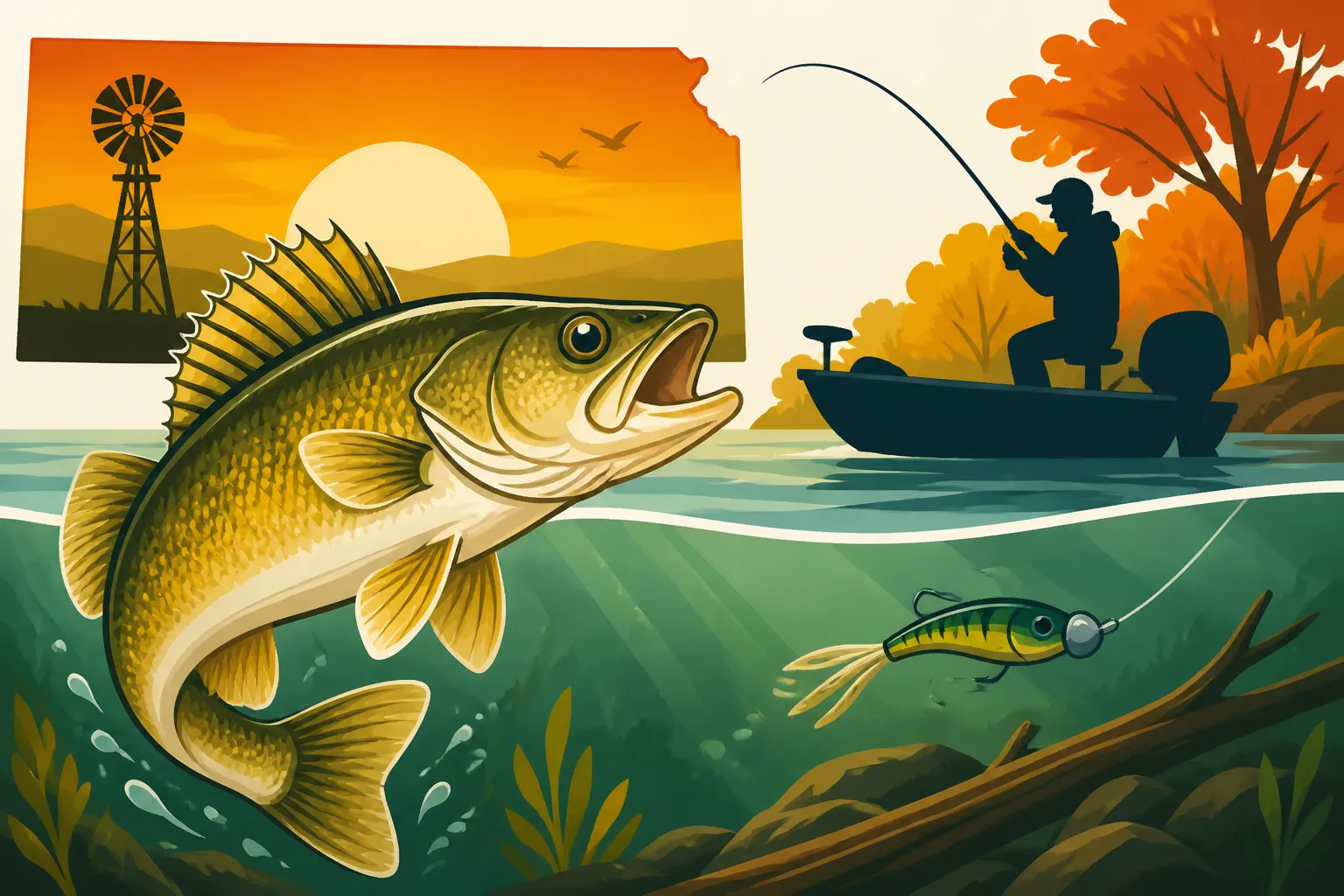
As the crisp autumn air sweeps across the Kansas plains, many anglers start to feel a mix of excitement and apprehension. The summer patterns that worked so well suddenly fall flat, leaving you wondering where those elusive walleye have vanished to. It can truly feel like a guessing game as the leaves start to turn and water temperatures drop, making it tough to pinpoint where the fish are holding and what they're willing to bite. But don't worry, you're not alone in facing this seasonal puzzle, and this comprehensive guide is here to unravel the mysteries of fall walleye fishing in Kansas, providing you with practical tips and strategies to make this a productive season.
Understanding Fall Walleye Behavior in Kansas
Fall isn't just a pretty change of scenery; it's a period of significant shifts for walleye across our Kansas reservoirs. Their behavior fundamentally changes as the water cools, driven by instinct to bulk up before the lean winter months. If you understand these underlying motivations, you'll be light-years ahead in locating and catching them.
The Autumn Transition: From Deep to Shallow and Back Again
Early fall in Kansas, say late September into October, often sees water temperatures still relatively warm. During this time, you might find walleye still relating to some of their summer haunts, particularly deeper main lake points or humps, but they're beginning to spread out more. As the days shorten and nights get colder, the water cools down more rapidly in the shallower areas. This often triggers a move into those shallower zones, sometimes as shallow as 5 to 10 feet, especially if there's good cover or abundant baitfish. They're chasing schools of shad or other forage that are pushed to these shallower flats by predators or simply by their own seasonal movements.
However, this isn't a permanent shallow-water party. As late fall sets in, typically by November and into early December, water temperatures continue their downward trend. The baitfish will then migrate back towards deeper, more stable thermal zones, often congregating in main lake basins, deep creek channels, or near the dam. The walleye will follow, becoming more lethargic but still actively feeding. This makes understanding the exact stage of fall crucial for knowing where to start your search. It’s a dynamic period, and anglers who stay flexible and adapt to these changing depths will find more consistent success.
Key Forage and Feeding Patterns
Walleye are opportunistic predators, but in the fall, their diet often becomes more focused, primarily on shad, sunfish, and smaller perch. The massive schools of gizzard shad, common in many Kansas lakes, are a primary target. As these baitfish move, the walleye are right on their tails. Early in the fall, you'll notice walleye becoming incredibly aggressive. They're trying to pack on weight, so they're willing to chase down lures and strike with more force. This is when power fishing techniques, like aggressive trolling, can be highly effective.
As the water gets colder, the baitfish become slower, and so do the walleye. While they still need to feed, their strikes might become more subtle, and they'll prefer an easier meal. This shifts your approach from fast-moving presentations to slower, more methodical ones, often involving live bait or precise jigging. Think about it: if you're a walleye and you need to conserve energy for winter, are you going to expend a lot of effort chasing a fast-moving lure, or are you going to prefer a slow-moving, easy-to-catch minnow right in front of your face? Identifying these feeding patterns is a huge part of the puzzle when you're pursuing the prized "Kansas Walleye Fishing Guide" status among your buddies.
Prime Fall Walleye Locations on Kansas Reservoirs
Knowing where to look is half the battle, and in the fall, walleye will concentrate in predictable areas, albeit with slight variations depending on the stage of autumn. Kansas boasts some incredible walleye fisheries, and understanding the specific structure these fish gravitate to can significantly increase your catch rates.
Focusing on Main Lake Points and Humps
Main lake points and underwater humps are absolute magnets for fall walleye in Kansas. These structures act like underwater highways and resting areas for both walleye and their prey. Early in the fall, active walleye will stage on the shallower portions of these points, especially those with rock or gravel, ambushing baitfish moving by. As the water cools further, they'll often slide down the sides of these points and humps, holding on the breaks at various depths. Wind plays a huge role here; a strong, consistent wind blowing across a main lake point will often push baitfish against it, concentrating them and, in turn, attracting walleye.
Consider a place like Milford Lake, which is known for its excellent walleye fishing. The numerous long points that extend into the main lake, particularly on the lower end, can be phenomenal. You might find walleye on the wind-blown side of these points in 15-25 feet of water, especially where the bottom transitions from rock to mud. Keep an eye on your electronics for bait balls or individual fish hugging the bottom along these structures. Don't be afraid to work these areas thoroughly, making multiple passes with different presentations to find the magic depth.
River Arms and Creek Channels
The upper reaches of Kansas reservoirs, where river arms and major creek channels feed into the main body, are vital during the fall transition. These areas often warm and cool faster than the main lake, and they provide distinct current breaks and varying depths that walleye love. Early fall sees a lot of baitfish moving into these areas, and the walleye will follow. Look for bends in the river channel, submerged timber, old roadbeds, or rock piles within these arms. These spots offer ambush points and shelter from current.
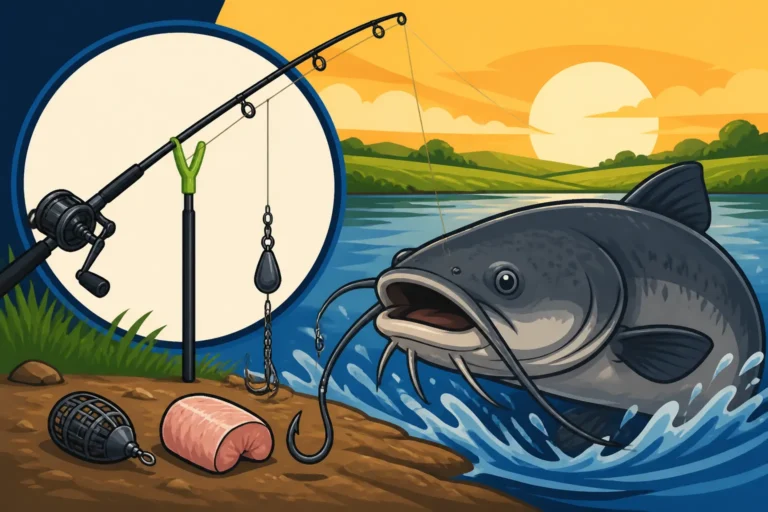
For instance, the upper end of Tuttle Creek Lake can be fantastic for fall walleye, particularly in the river channels and areas with submerged trees. Walleye here might not be as concentrated as on main lake points, but they can be larger and more willing to bite as they feed on baitfish congregated in the channel. As the fall progresses, and water levels drop, the fish might pull back towards the mouth of these channels, relating to the deeper water where the channel dumps into the main lake basin. While you're up in these river arms, you might even stumble upon some decent catfish, as they often share similar deep-water haunts, making it a good spot to try for some "Tuttle Creek Lake Catfish Fishing" as well.
Dam Areas and Deep Water Transitions
As winter truly starts to knock on Kansas's door, and water temperatures plummet, the areas around the dam often become key walleye locations. The dam face itself provides deep water access and often has riprap or rock structure that holds heat and attracts baitfish. Walleye will relate to the deepest breaks and current seams found near the dam, sometimes holding in 30-40 feet of water or even deeper, depending on the specific lake and conditions.
These deeper transitions offer stability, which is highly appealing to walleye in very cold water. They might not be actively chasing, but they'll position themselves strategically to intercept an easy meal. Focus on spots where the main lake basin tapers into the deep water of the dam, or where current from the dam outflow creates eddies. Places like Wilson Lake, known for its clear, deep water, can see walleye stacking up in these dam-related structures as the season wanes. Targeting these deeper zones often requires different techniques, which we'll get into, but pinpointing these winter staging areas is critical for late fall success. For those looking for the "Best Walleye Lakes in Kansas", these deep-water dam areas are often what make the big difference.
Top Techniques and Lures for Fall Walleye
The gear and approach you choose can make or break a fall walleye trip. As the fish's metabolism changes, so should your presentation. Having a diverse toolkit of techniques is essential for adapting to the conditions and the mood of the walleye.
Trolling for Aggressive Biters
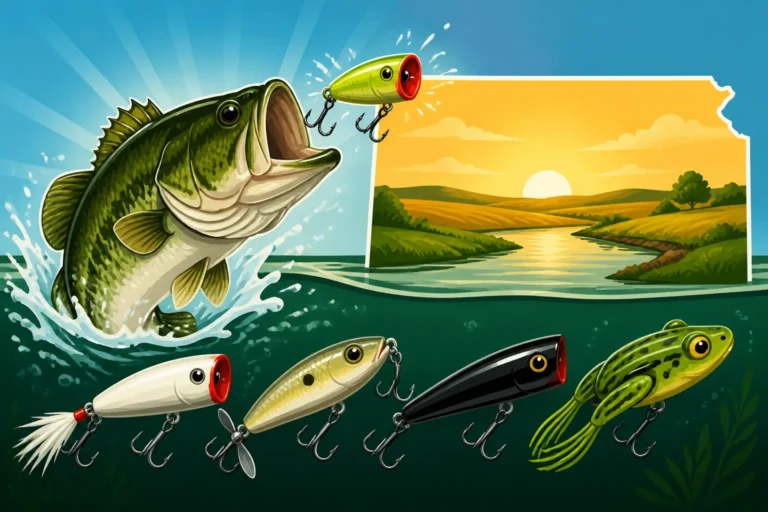
Trolling is undeniably one of the most effective ways to cover water and locate active walleye in Kansas during the fall, especially when they're scattered and actively chasing bait. This technique allows you to present a lure at a consistent depth and speed, mimicking a swimming baitfish, which is often irresistible to hungry walleye. In early to mid-fall, when walleye are still relatively aggressive, crankbaits are your best friend. Brands like Rapala Shad Raps, Berkley Flicker Shads, or custom crankbaits from local shops are popular choices.
Vary your crankbait size and diving depth to match the baitfish in the area and the depth at which you're marking fish. Sometimes, a smaller lure in a natural shad pattern works wonders, while other days a larger, more aggressive lure in a chartreuse or firetiger color might be what they're looking for, especially in stained water. Pay close attention to your trolling speed; often, 1.5 to 2.5 mph is a good starting point, but don't be afraid to experiment. Use your electronics to monitor your speed over ground and ensure your lures are running at the desired depth. Trolling can be particularly effective on large bodies of water like Milford Lake, where fish can be spread out across vast flats and points, as detailed in many "Milford Lake Walleye Fishing" reports. Mastering the art of "Trolling for Walleye on Kansas Reservoirs" is a skill that will pay dividends.
Jigging Vertical Structure
As the water cools further, and walleye become more concentrated on deeper, vertical structures like humps, channel edges, or dam riprap, jigging becomes incredibly potent. This technique is about precision and feel, allowing you to work a specific depth zone and entice less aggressive fish. Blade baits, like the Heddon Sonar or something from the Johnson Thinfisher line, are fantastic for this. Their vibration and flash can trigger reaction strikes from even lethargic walleye. Heavy hair jigs or bucktail jigs tipped with a minnow or a plastic trailer are also highly effective.
When jigging, you're looking for a rhythmic lift-and-drop presentation. Experiment with the height of your lift and the speed of your fall. Sometimes a sharp, quick snap followed by a slack-line fall is best, while other times a subtle, slower lift is the ticket. The key is to maintain bottom contact and feel for those often-subtle "thunks" or increases in weight that signal a walleye bite. This technique is often discussed in guides covering "Kansas Walleye Fishing Techniques" and requires a sensitive rod and good line to detect those light bites. For those looking to upgrade their jigging setup, high-quality rods and reels designed for sensitivity are readily available on Amazon.
Live Bait Rigs for Finesse
When the walleye are really playing hard to get, or when you're fishing in very cold water, live bait can often be the trump card. It's tough for a walleye to resist a natural, struggling meal. The classic slip-sinker rig, also known as a Lindy Rig, is incredibly effective. This setup involves a walking or bullet sinker that slides freely on your main line, followed by a swivel, a fluorocarbon leader, and a hook (often a plain snell hook or a small treble hook). Tip this with a lively minnow, a juicy nightcrawler, or even a piece of cut bait.
The beauty of the slip-sinker rig is that the fish can pick up the bait and move off without feeling the weight of the sinker, giving them more confidence to commit to the bite. This is crucial when fish are finicky. Present these rigs slowly, either by drift fishing, slow trolling with an electric motor, or simply casting out and slowly retrieving. Let the bait do the work, bumping along the bottom or hovering just above structure. This finesse approach is often what it takes to catch the biggest, most wary walleye in late fall. Stocking up on quality hooks and fluorocarbon leader material can be done easily through retailers like Amazon, ensuring you're ready for those tough bites. Don't forget to check out articles like "Best Lures for Kansas Walleye" for more specific lure suggestions for this time of year.
| Fall Walleye Technique | Best Conditions | Preferred Lures/Bait | Ideal Locations |
|---|---|---|---|
| Trolling | Early-mid Fall, active fish, covering water | Crankbaits (shad, perch patterns), larger profiles | Main lake points, flats, open water basins |
| Jigging | Mid-late Fall, lethargic fish, concentrated on structure | Blade baits, heavy hair jigs, bucktail jigs (tipped with minnow) | Deep humps, channel edges, dam riprap, submerged timber |
| Live Bait Rigs | Mid-late Fall, finicky fish, cold water | Minnows (shiners, fatheads), nightcrawlers on slip-sinker rigs | Deep breaks, subtle changes in bottom contour, current seams |
Essential Gear and Electronics for Success
Having the right tools for the job can make a world of difference when you're targeting fall walleye. The right rod provides sensitivity, your electronics reveal hidden treasures, and proper clothing ensures you stay comfortable and safe as the weather turns cold.
Rods, Reels, and Line Choices
For fall walleye fishing in Kansas, particularly when you're dealing with deeper presentations or subtle bites, your rod and reel setup is paramount. You'll generally want a medium-light to medium-power spinning or baitcasting rod, typically 6'6" to 7'6" in length, with a fast or extra-fast action. This action allows for quick hook sets and excellent sensitivity to feel those light bites. A longer rod can also help with longer casts and keeping more line off the water when trolling or drifting.
Pair your rod with a reliable spinning reel in the 2500-3000 series or a low-profile baitcaster. Smooth drag is crucial for fighting larger walleye. For line, many anglers prefer a braided main line, like PowerPro or Seaguar Smackdown, in 8-15 lb test. Braid offers superior sensitivity and minimal stretch, which is vital for detecting those subtle fall bites in deep water. Always tie on a 6-10 lb fluorocarbon leader (2-4 feet long) to your braid via a swivel or a strong knot like an Albright or FG knot. Fluorocarbon is nearly invisible underwater and offers abrasion resistance. This kind of detailed setup is often highlighted in the "Best Rod and Reel Combo for Walleye" discussions.
Harnessing Fish Finders and GPS
Modern marine electronics are no longer a luxury; they're an absolute necessity for successful fall walleye fishing on large Kansas reservoirs. A quality fish finder with GPS capabilities can help you identify structure, locate baitfish schools, and mark individual walleye. Look for units that offer 2D sonar, Down Imaging, and especially Side Imaging. Side Imaging is incredibly valuable for scanning wide swaths of water, revealing hidden humps, rock piles, or channel edges that you might otherwise miss. It allows you to quickly locate areas where walleye might be holding without having to drive directly over them.
The GPS function allows you to mark waypoints on productive spots, follow precise contours, and return to specific areas with ease. This is particularly useful when trolling, as you can retrace a productive pass or stay on a specific depth curve. Being able to see baitfish and predatory fish on your screen is key to understanding where the food chain is active. Investing in a good unit from brands like Humminbird or Garmin, often found on Amazon, can drastically improve your efficiency and success. Checking out a "Kansas Fish Finder Buying Guide" can help you navigate the options available.
Cold Weather Apparel and Safety
Fall fishing in Kansas can bring unpredictable weather, from mild, sunny days to biting winds and freezing rain. Dressing in layers is key. Start with a moisture-wicking base layer, add insulating mid-layers (fleece or down), and top it off with a waterproof and windproof outer shell. Don't forget a warm hat, gloves, and waterproof boots. Your hands and feet are the first to get cold!
More importantly, safety should always be your top priority, especially when water temperatures drop. Cold water immersion is extremely dangerous. Always wear a U.S. Coast Guard-approved personal flotation device (PFD). Many modern PFDs are thin and comfortable, like an inflatable vest, making them easy to wear all day. Carry essential safety gear such as a first-aid kit, a fully charged cell phone, an air horn or whistle, and spare dry clothes in a waterproof bag. Make sure your boat's navigation lights are functional if you plan to be out around dawn or dusk. For more detailed information on staying safe on the water, consult the "Kansas Life Jacket and Boating Safety Guide." The cold weather gear, from specialized fishing gloves to durable waterproof jackets, is also widely available on Amazon.
Adapting to Weather and Water Conditions
Fall weather in Kansas can be a roller coaster, and successful walleye anglers are those who pay close attention to the conditions and adjust their strategy accordingly. The wind, water clarity, and even barometric pressure can all significantly impact walleye behavior.
Wind, Waves, and Walleye Location
Wind is perhaps the most influential weather factor for fall walleye in Kansas. A strong, consistent wind, especially one that has been blowing for a day or two, will push baitfish towards specific banks, points, or humps. Walleye will follow this food source, often stacking up on the "wind-blown" side of structures. This is where you'll find the most active fish. The waves created by the wind also create a "walleye chop" on the surface, which can break up light penetration and make walleye feel more comfortable feeding in shallower water during the day.
While fishing in choppy conditions can be challenging for boat control, it's often where the best bites occur. Use your trolling motor to hold your position or drift with the wind, making sure your lures are presented effectively. On particularly windy days, consider fishing protected coves or areas that offer a slight break from the direct force of the wind, but are still influenced by the general current or bait movement the wind creates. A good understanding of "Weather Patterns and Kansas Fishing Success" can really elevate your game.
Water Clarity and Color Considerations
Water clarity can vary wildly across Kansas lakes and even within different sections of the same lake. A clear lake like Wilson might require different lure choices than a murkier one like Tuttle Creek, especially after a heavy rain. In clear water, walleye tend to be more wary. You'll want to use more natural-colored lures (silver, pearl, natural shad patterns) and lighter fluorocarbon leaders. Slower presentations and live bait are often more effective here. Fish might also be holding deeper to avoid direct sunlight.
Conversely, in stained or murky water, walleye rely more on their lateral line to detect vibrations and less on sight. This is when brighter, more contrasting colors (chartreuse, orange, firetiger) and lures with strong vibrations (like blade baits or rattling crankbaits) truly shine. You might find walleye shallower in stained water, as the low visibility offers them cover. After a heavy rain, when water levels rise and clarity decreases, walleye might move closer to shore or into the flooded timber in creek arms, so adjust your depth and lure color accordingly.
Barometric Pressure and Feeding Activity
While perhaps less direct than wind or water clarity, barometric pressure can still influence walleye feeding activity. Generally, a stable or slowly rising barometer indicates good fishing conditions, as fish tend to be more active. This often coincides with stable weather systems. A rapidly falling barometer, usually preceding a storm front, can sometimes trigger a burst of feeding activity just before the weather hits, as fish sense the approaching change and feed aggressively.
However, once a strong cold front passes and the barometer is high and steady, fishing can become tough. Walleye often become lethargic and less willing to bite. In these post-front conditions, a slower, more finesse approach with live bait is often your best bet. Targeting specific structure and presenting your bait directly to the fish is key. While you can't control the weather, understanding how these changes affect walleye behavior allows you to anticipate their mood and adjust your tactics for a better chance at success. For more insights on optimal fishing times, check out our guide on the "Best Time of Day to Fish in Kansas."
Disclaimer
The information provided in this guide is for general informational purposes only. Fishing regulations, seasons, and limits in Kansas can change, and it is always the angler's responsibility to consult the latest official regulations from the Kansas Department of Wildlife and Parks (KDWP) before heading out on the water. Fishing inherently carries risks, and safety precautions, including wearing appropriate safety gear and being aware of weather conditions, should always be taken.