Kansas State Park Vehicle Permit for Anglers
There's a common misconception that plagues many Kansas anglers, new and seasoned alike: understanding the difference between a fishing license and a state park vehicle permit. You've got your rod, your reel, your bait, and you're ready to hit one of our fantastic reservoirs, only to arrive at the gate of a state park and realize there's another fee or permit required. It's frustrating to navigate these overlapping requirements, but this guide will clear up exactly when and why you need a Kansas State Park Vehicle Permit to enjoy your fishing adventures.
Understanding the Kansas State Park Vehicle Permit: The Basics
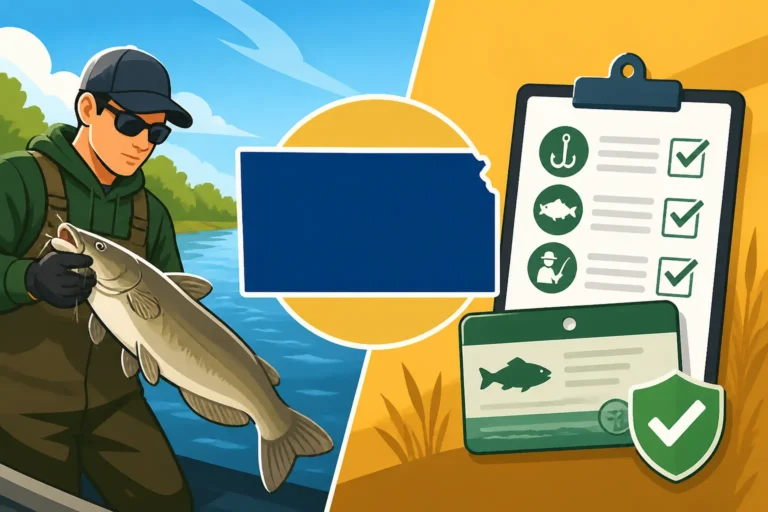
It's easy to get confused when you're just trying to enjoy a peaceful day on the water. You've already got your Kansas Fishing License Guide sorted, so why another permit? The truth is, while both are issued by the Kansas Department of Wildlife, Parks and Tourism (KDWPT), they serve entirely different purposes. Think of them as two separate keys: one unlocks the legal right to fish, and the other unlocks access for your vehicle into state park grounds.
What Exactly is a State Park Vehicle Permit?
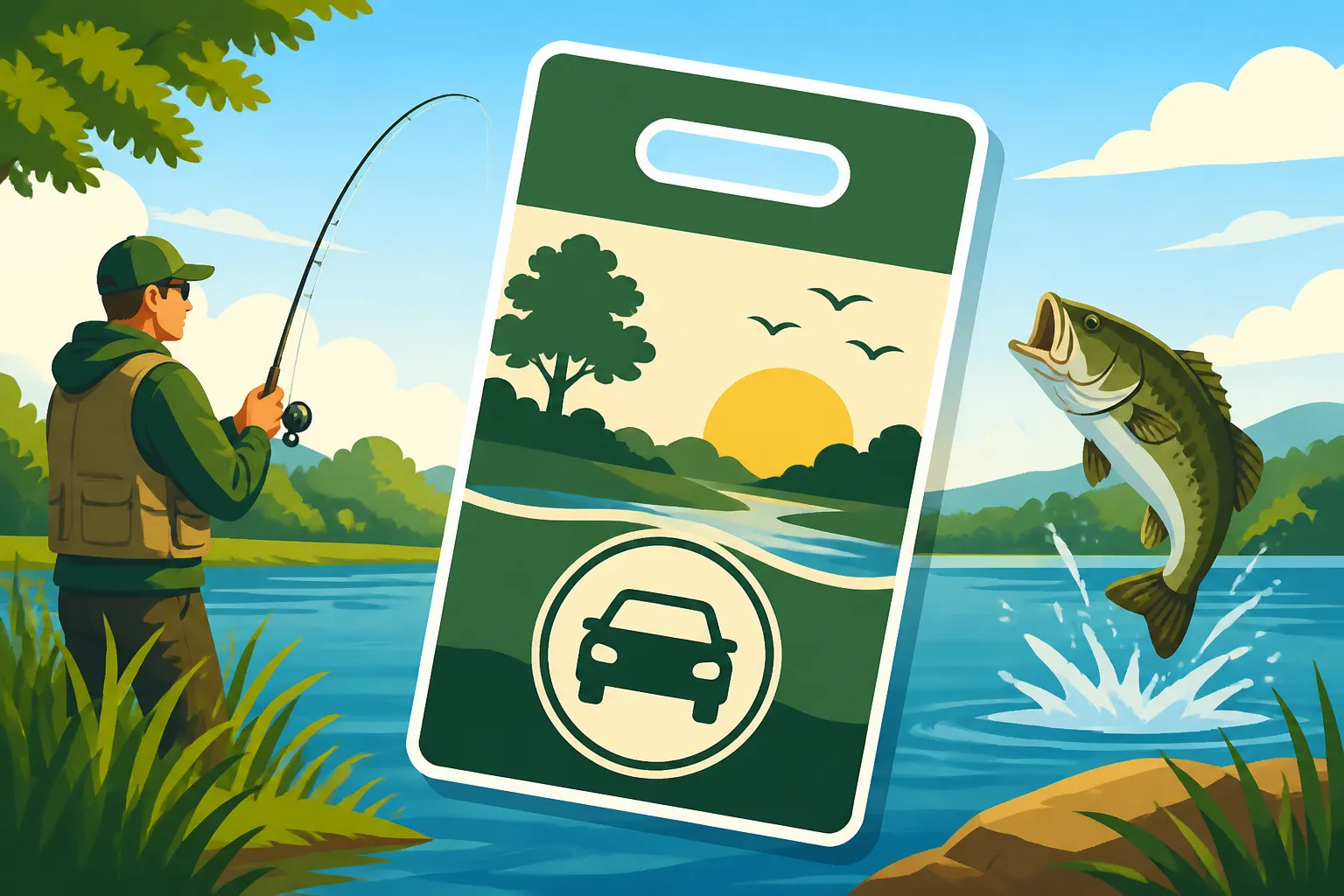
At its core, a Kansas State Park Vehicle Permit is essentially an admission ticket for your vehicle to enter and use the facilities within a designated Kansas state park. These permits help fund the maintenance of the park’s infrastructure – things like boat ramps, picnic areas, restrooms, hiking trails, and even the roads you drive on to get to your favorite fishing spot. It's not tied to who is in the vehicle or what activity you're doing, but rather to the vehicle itself gaining entry to the park. So, whether you're bringing a boat for some serious trolling or just setting up a lawn chair for some bank fishing, if your vehicle is within the state park boundary, it needs this permit.
Unlike your Kansas Fishing Regulations Explained booklet, which outlines rules for fish size and creel limits, the vehicle permit is purely about accessing the physical space of the park. It ensures that the beautiful places we love to fish, like the expansive shores of Milford Lake or the quiet coves of Wilson Lake, remain well-maintained and accessible for everyone. Without these funds, many of the amenities we take for granted would simply not exist.
Why the Confusion Between Fishing Licenses and Park Permits?
The overlap between fishing licenses and park permits often trips people up because so many fantastic fishing destinations in Kansas are located within state park boundaries. For instance, you might want to fish Cheney Reservoir, which boasts a sprawling state park on its shores. Or perhaps you're targeting wipers at El Dorado Lake, another prime spot with a significant state park footprint. It’s not that the state park permit allows you to fish; it simply allows your car to get you to the fishing access points that happen to be within that particular state park.
Many anglers arrive at a state park gate, proudly displaying their fishing license, only to be told they still need a vehicle permit. This can be a real moment of exasperation, especially if you're on a tight schedule or haven't budgeted for an extra fee. It creates a feeling that the rules are needlessly complex. However, it's crucial to remember that the KDWPT manages both wildlife and state parks, but the funding mechanisms and requirements for each are distinct. Your fishing license supports fisheries management and conservation efforts statewide, while the park permit directly supports the operations and improvements of individual state parks. They are two sides of the same coin, both contributing to the overall outdoor experience, but for different operational aspects.
Who Needs a State Park Vehicle Permit to Fish in Kansas?
Navigating the permit landscape can feel like trying to untangle a particularly stubborn fishing line. You want to be legal and responsible, but sometimes it's just not clear. Let's break down exactly who needs a permit when heading out to fish in Kansas.
Vehicle Entry for Day-Use Anglers
If your plan involves driving your vehicle into any designated Kansas State Park area to fish, you absolutely need a State Park Vehicle Permit. This applies whether you're planning a full day of serious angling or just an hour or two of casual fishing. The permit is for the vehicle's entry, not for the duration of your stay or the activity you pursue.
For example, if you're heading to Milford Lake Fishing Guide and plan to launch your boat from a ramp located within Milford State Park, your vehicle (and trailer, if applicable) will require a permit for entry. The same goes if you're driving to a popular bank fishing spot at Clinton State Park or taking the family for a picnic and a few casts from a pier within El Dorado State Park. Even if you hold an Kansas Resident Annual Fishing License Costs $25, that doesn't exempt your vehicle from the park entry fee. It's a key distinction to remember to avoid any unwelcome surprises or fines. Many anglers find themselves caught off guard, assuming their fishing license covers all bases, but that's not the case for state park entry.
Exemptions and Specific Scenarios
While the general rule is "vehicle in park = permit required," there are a few scenarios where you might not need one or where the permit is covered elsewhere. Knowing these can save you a few bucks and some hassle.
Firstly, if you enter a state park without a vehicle, such as walking or cycling in, you generally don't need a vehicle permit. So, if you live near a state park and can bike or hike to your favorite fishing spot, you're good to go without one. However, most anglers carry a lot of gear, making vehicle access essential.
Kansas residents have the option to purchase an Annual Kansas State Park Passport, which can be affixed to their vehicle's license plate. This passport covers entry for an entire year, making it a cost-effective solution for frequent visitors. This annual pass is often available when you renew your vehicle registration, which is a super convenient way to handle it without a separate trip or transaction. If you've already got this on your vehicle, you're all set for state park entry. This is different from any fishing or hunting license, even combo ones, so don't confuse the two.
Another common situation is when you're fishing public waters that are adjacent to a state park but not technically within its managed boundaries. For instance, there might be a public access point to a river or a section of a reservoir that isn't under state park jurisdiction. In these cases, you wouldn't need a state park vehicle permit, though your Kansas Fishing License Guide would still be mandatory if you're an eligible angler. It's always best to check maps or local signage if you're unsure about the specific boundaries of a state park. When in doubt, assume a permit is needed, or check the KDWPT website for detailed park maps.
Navigating Permit Costs and Purchase Options
Nobody likes unexpected costs, especially when you're planning a relaxing day of fishing. Understanding the costs and how to purchase your Kansas State Park Vehicle Permit beforehand can prevent any last-minute stress at the park gate. It's all about being prepared so you can focus on the fish, not the paperwork.
Current Permit Costs and Durations
The cost of a Kansas State Park Vehicle Permit can vary depending on whether you opt for a daily or annual pass, and if you are a Kansas resident. The most common option for a quick fishing trip is the daily permit, which allows your vehicle entry for a single day. For frequent visitors, the annual permit is a much more economical choice.
Let's look at approximate costs, though these can change, so always double-check the KDWPT website for the most current pricing:
| Permit Type | Kansas Resident Cost (Approx.) | Non-Resident Cost (Approx.) | Duration | Notes |
|---|---|---|---|---|
| Daily Vehicle Permit | $5.00 | $5.00 | 1 Day | Valid until midnight on the day of purchase. |
| Annual Vehicle Permit | $25.00 | $25.00 | 1 Year | Valid for 12 months from the date of purchase. |
| Annual State Park Passport | $15.00 (with vehicle reg) | N/A | 1 Year | Kansas residents only, purchased with vehicle registration. Best value! |
(Please note: These are approximate costs and are subject to change by the Kansas Department of Wildlife, Parks and Tourism. Always check the official KDWPT website for the most up-to-date fees.)
The Annual State Park Passport, available to Kansas residents, is usually the best deal if you visit state parks more than a few times a year. It's typically purchased when you renew your vehicle's tag, saving you the hassle of separate transactions. It's a small upfront investment that pays dividends in convenience and access, especially if you enjoy exploring different Best Fishing Lakes in Kansas that happen to be located within state parks.
Where to Purchase Your Permit
Gone are the days when you could only buy permits at a ranger station. The KDWPT has made it quite convenient to acquire your State Park Vehicle Permit, allowing you to plan ahead and hit the water without delays.
The most straightforward way to purchase any Kansas State Park Vehicle Permit is online through the official KDWPT website. This is a fantastic option because you can do it from the comfort of your home, print it out, and have it ready before you even leave. This way, you avoid any lines or potential issues with kiosks at the park entrance. It’s quick, easy, and ensures you’re legal before you even put your boat in the water or cast your first line.
If you prefer an in-person transaction or find yourself spontaneously heading to a park, you can usually purchase daily or annual permits directly at state park offices or at automated kiosks often located near park entrances or popular boat ramps. Many smaller, authorized vendors, such as bait shops or local convenience stores, might also sell them, especially those near popular fishing destinations. For example, a bait shop near Milford State Park might carry these permits, along with worms, minnows, and the latest local fishing reports.
While you're checking off your license and permit boxes, don't forget your gear! A good tackle box or a new rod and reel combo can easily be found on online retailers like Amazon, ready for your next state park adventure. Remember to grab a quality cooler from places like Amazon to keep your catch fresh, especially on those warm Kansas days. Equipping yourself with the right gear, from a sturdy fishing vest to a reliable headlamp for early morning or late evening trips, can make all the difference, and many anglers find these essentials on Amazon. Just be sure to get your official permits from the KDWPT or authorized vendors.
Common Scenarios: When is it Required, and When is it Not?
The biggest headache for anglers is often figuring out when a permit is truly necessary. It can feel like a game of "will I or won't I need it?" every time you head out. Let's tackle some common scenarios to demystify the rules and help you make informed decisions.
Fishing at State Parks vs. Other Public Waters
This is the core distinction. A Kansas State Park Vehicle Permit is required only when your vehicle is entering and parking within the designated boundaries of a Kansas State Park. This is crucial. If you're fishing at a reservoir, lake, or river and your access point is outside of a state park, you do not need the vehicle permit.
For example, if you decide to try your luck at a Kansas Community Fishing Lake Rules, such as those found in urban areas like Wichita or Topeka, a state park vehicle permit is generally not required. These community lakes are typically managed by municipalities or county parks departments, and while they still fall under KDWPT fishing regulations and require a Kansas Fishing License Guide, they operate under different access rules than state parks. Similarly, if you're exploring Kansas River Fishing Guide and pulling over at a roadside access point that isn't within a state park, you won't need that extra permit. The key is knowing if the area you're driving into has "State Park" in its name or is clearly signed as such.
Conversely, if you're making your way to a popular spot like Lake Perry, and your planned access point is within Perry State Park, then yes, your vehicle will need that permit. This applies even if you're just dropping off a kayak and quickly leaving, because your vehicle still entered the park. Always keep an eye out for entrance signs and kiosks, which are usually a clear indicator.
Boat Launching and Overnight Stays
This is another area where confusion often arises. Many of Kansas's prime fishing reservoirs have excellent boat ramps located within state parks. If you're launching a boat, even for a short trip, and you drive your vehicle and trailer into a state park, you must have a vehicle permit. The permit covers your vehicle's entry, regardless of whether you're staying for an hour or the entire day. Your vehicle will be parked within the state park while you're out on the water, thus requiring the permit.
For anglers planning an overnight stay or camping trip, it's slightly different. While camping fees are separate from the vehicle permit, most state park campgrounds are located within the park boundaries. Therefore, your vehicle will still require a state park vehicle permit for entry. Some camping reservations might bundle vehicle entry, but it's not a guarantee. It's always best to clarify when making your reservation or be prepared to purchase a daily or annual permit. Don't assume that because you're paying for a campsite, your vehicle entry is automatically covered. It's usually a two-tiered system: one fee for the campsite itself and another for your vehicle to be inside the park.
What About Free Fishing Days?
Kansas offers fantastic Kansas Free Fishing Days Guide each year, which are a wonderful opportunity for new anglers to try fishing without the cost of a license. On these designated days, the requirement for a state fishing license is waived for everyone, allowing folks to experience the joy of fishing firsthand. However, it's absolutely critical to understand that "free fishing" does not mean "free state park entry."
If you choose to fish at a location that is within a state park during a free fishing day, your vehicle will still require a Kansas State Park Vehicle Permit. The waiver only applies to the fishing license requirement, not to park entrance fees. This distinction often catches people off guard, so it’s important to plan accordingly. Imagine arriving at a busy state park on a free fishing day, excited to introduce your kids to fishing, only to find you still need to pay for vehicle entry. It can definitely dampen the mood! So, even on days when the fish are biting freely, make sure your vehicle is permitted if you're heading into a state park.
Disclaimer
Please note that the information provided in this guide is for general informational purposes only and is based on current regulations and practices of the Kansas Department of Wildlife, Parks and Tourism (KDWPT) at the time of writing. Regulations, fees, and exemptions can change. It is always the angler's responsibility to verify the most up-to-date information directly from the official KDWPT website or by contacting them directly before planning any fishing trip to ensure compliance with all applicable laws and regulations.