Boating Safety Equipment Checklist
Navigating Kansas waterways can be an incredible experience, but the sheer volume of rules and regulations around what safety equipment you must have on your boat can feel overwhelming, even for seasoned anglers. It's easy to get lost in the details and worry about whether you're truly compliant, not to mention safe. This comprehensive guide is here to cut through the confusion, offering a clear, empathetic, and realistic breakdown of the essential boating safety equipment checklist you need to enjoy Kansas fishing safely and legally.
Understanding the Basics of Kansas Boating Safety Laws
Let's be honest, nobody likes being told what to do, especially when you're just trying to enjoy a peaceful day on the water. But when it comes to boating safety, those regulations aren't just there to make life difficult or to collect fines; they're literally about saving lives. Many of these rules are rooted in decades of tragic incidents that could have been prevented with proper equipment and preparation. Thinking about it this way, they suddenly don't seem so arbitrary, do they? Kansas, with its beautiful reservoirs like Milford Lake and Cheney Reservoir, and winding rivers, sees a lot of boating activity, which makes these guidelines incredibly important.
Why Safety Regulations Exist and Why They Matter to You
Imagine you're out on a beautiful, sunny afternoon on Wilson Lake, enjoying the breeze, perhaps even reeling in a nice walleye. Suddenly, a rogue wave from a passing wake, or an unexpected mechanical issue, causes your boat to take on water, or worse, you get thrown overboard. In that chaotic moment, the last thing you want to be thinking is, "Where's the life jacket?" or "How do I signal for help?" These are the exact scenarios that Kansas boating safety regulations aim to prevent or mitigate.
The rules ensure that basic safety measures are in place before an emergency ever arises. It's about proactive preparedness, not just reactive damage control. They're designed to protect everyone on the water – you, your passengers, and other boaters. A well-equipped boat isn't just about avoiding a citation; it's about coming home safely at the end of the day.
General Requirements for All Vessels Beyond the Obvious
While specific requirements can vary depending on the length and type of your vessel, there are some foundational elements that almost every boat operating on Kansas public waters needs. We're talking about things that are so fundamental, they often get overlooked until it's too late. Beyond the physical safety gear, remember that keeping your vessel's documentation current and readily available is also a critical, albeit often forgotten, aspect of "safety equipment." Make sure your Kansas Boat Registration Guide is always up to date and physically on board.
This includes basic equipment that can signal distress, prevent a fire, or simply ensure you're seen by other vessels. Even a small kayak or canoe isn't exempt from some of these foundational requirements, particularly PFDs (Personal Flotation Devices) and sound-producing devices. It's not just for powerboats; paddle craft have their own set of responsibilities too.
Essential Safety Equipment for Your Vessel Type
Let's dive into the nitty-gritty of what you absolutely need to have on board. While we all want to focus on our fishing tackle and bait, these items are truly non-negotiable for safe boating in Kansas.
Life Jackets Personal Flotation Devices – PFDs
This is, without a doubt, the single most important piece of safety equipment you can have on your boat. Kansas law requires you to have a U.S. Coast Guard-approved PFD for every person on board your vessel. And here's the kicker: they must be readily accessible. This doesn't mean stuffed under a pile of fishing gear in a bow compartment, or buried deep in a storage locker that requires tools to open. It means they should be immediately available for use.
For children under a certain age (check current regulations for specifics, as these can vary), they are generally required to wear a PFD at all times when the vessel is underway. This is crucial. A PFD only works if it's worn. There are different types of PFDs, from offshore vests to throwable devices, each suited for different situations. Make sure yours are in good, serviceable condition, free from rips, tears, or excessive fading. You can find a great selection of Best Life Jackets for Kansas Boaters at reputable retailers like Bass Pro Shops or even online at Amazon, but always ensure they are U.S. Coast Guard approved.
Visual Distress Signals Flares, Flags
When you're out on the expansive waters of a Kansas reservoir, and something goes wrong, how will you let others know you need help? That's where visual distress signals come in. For most recreational boats, this means having either pyrotechnic devices (flares) or non-pyrotechnic devices (like an orange distress flag).
If you're operating at night, pyrotechnic signals are generally required. These can include handheld flares, aerial flares, or even a distress light. Remember that flares have an expiration date, usually around 42 months from the date of manufacture, so you'll need to check them regularly and replace them as needed. Non-pyrotechnic signals, like a high-visibility orange flag, are great for daytime use. They need to be stored in a dry, accessible location, and you should know how to deploy them effectively in an emergency.
Sound-Producing Devices Horns, Whistles
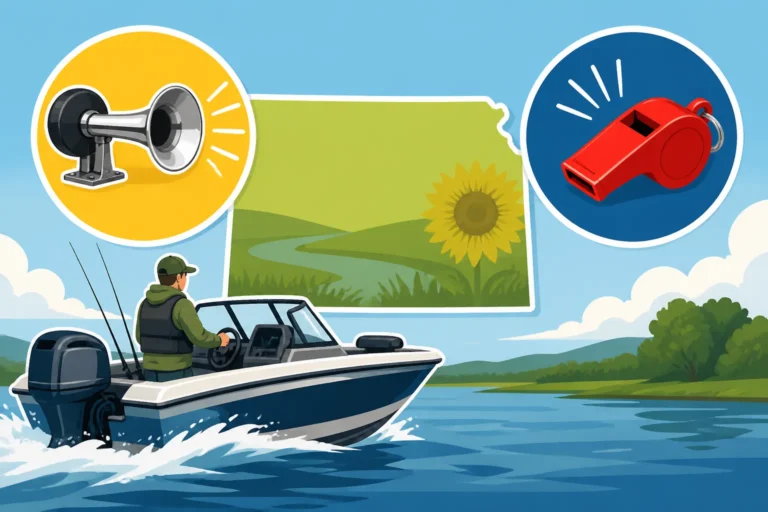
Every vessel, regardless of size, needs some means of making an efficient sound signal. This could be as simple as a referee's whistle on a small kayak or a powerful air horn on a larger powerboat. The purpose of these devices is to signal your intentions to other boaters (like when passing or approaching a blind curve) or to signal distress.
For boats under a certain length (typically 40 feet or less), a whistle or horn is sufficient. Larger vessels might require a bell in addition to a horn. It's about being heard, especially in conditions of reduced visibility like fog or heavy rain. Make sure your device is in working order before you leave the dock. A simple, loud whistle can be a literal lifesaver on a smaller craft. For more details, refer to the Boat Horn and Whistle Requirements article.
Fire Extinguishers
Fires on boats are a real and terrifying danger, especially with fuel, oil, and electrical systems in close proximity. This is why certain vessels are legally required to carry approved fire extinguishers. Generally, if your boat has an inboard engine, enclosed fuel tank compartments, permanently installed fuel tanks, or any enclosed living spaces, you'll need a fire extinguisher.
The type and number of extinguishers required depend on the size of your vessel and whether it has a fixed fire extinguishing system. Most recreational boats will need a marine-type B-I or B-II extinguisher. Make sure it's fully charged, easily accessible, and secured so it doesn't roll around. Check the pressure gauge regularly. Knowing how to use it is just as important as having it, so take a moment to familiarize yourself with the P.A.S.S. (Pull, Aim, Squeeze, Sweep) method. Our guide on Fire Extinguisher Requirement for Boats delves deeper into these specifics.
Navigation, Lighting, and Other Important Gear
Beyond the absolute essentials, there are other pieces of equipment that contribute significantly to your safety and the safety of others on the water, especially as conditions change.
Navigation Lights for Night Operations
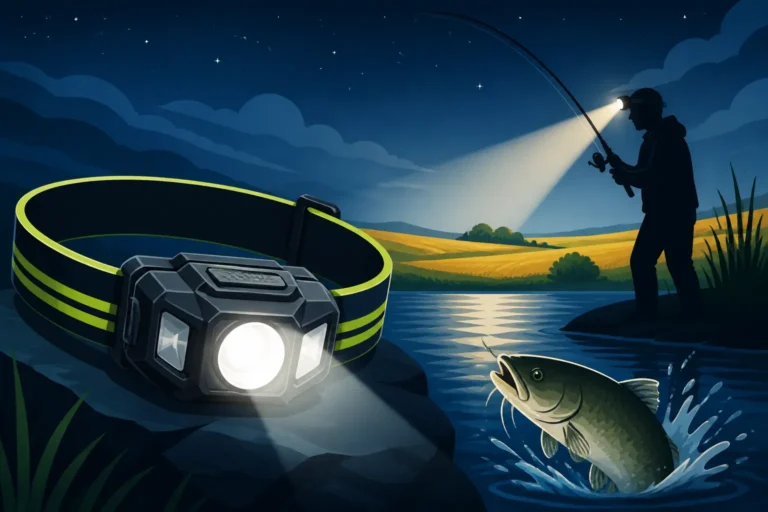
If you plan on operating your boat between sunset and sunrise, or during periods of restricted visibility (like fog), you must display proper navigation lights. These lights serve two critical functions: they let other boaters know you're there, and they indicate your vessel's relative position and direction of travel, helping prevent collisions.
The specific configuration of navigation lights varies depending on your vessel type and length. Powerboats, for instance, typically require a masthead light, sidelights (red for port, green for starboard), and a stern light. Sailboats have different requirements, and smaller rowboats or canoes might only need an all-around white light to display when necessary. Always double-check that your bulbs are working, the wiring is sound, and the lights are clean and unobstructed. A simple pre-launch check of your lights can save you from a dangerous situation or a hefty fine.
Anchors and Anchoring Etiquette
While an anchor isn't universally mandated safety equipment by law for all recreational boats, it is undoubtedly a critical safety tool, especially on larger Kansas lakes and rivers where currents can be strong or winds can pick up unexpectedly. An anchor can prevent you from drifting into dangerous areas, hold you steady while you make repairs, or keep you from running aground.
Choosing the right anchor for Kansas waterways means considering the bottom composition of the lakes and rivers you frequent. Many Kansas reservoirs have muddy or silty bottoms, making a fluke-style anchor effective. For rocky areas, a grappling hook or river anchor might be better. Crucially, you need enough anchor rode (the rope or chain attached to the anchor) – typically 7:1 scope in calm conditions (seven feet of rode for every one foot of water depth and freeboard). Knowing how to deploy and retrieve your anchor properly, and understanding Best Anchor for Reservoir Fishing, is a skill every boater should master.
First-Aid Kits and Emergency Preparedness
This is one of those items that isn't always a legal requirement for recreational boats, but it's an absolute no-brainer for smart, safe boating. Scrapes, cuts, minor burns from engine heat, or even a fish hook mishap are all possibilities on the water. Having a well-stocked first-aid kit can address these minor incidents before they escalate.
Your marine first-aid kit should include basics like bandages, antiseptic wipes, pain relievers, and any personal medications. Beyond the first-aid kit, think about broader emergency preparedness:
- Communication: A fully charged cell phone (in a waterproof bag!), and if you're on larger waters or venturing far, a marine VHF radio.
- Extra Water & Food: Even for a day trip, unexpected delays can happen.
- Tools: Basic tools for minor engine adjustments or repairs.
- Sun Protection: Sunscreen, hats, and sunglasses are vital for long days on the water.
Being prepared for the unexpected is a hallmark of a responsible boater, ensuring that a minor inconvenience doesn't turn into a major problem.
Keeping Your Boat and Gear in Top Shape
Having the right equipment is only half the battle. Maintaining it and ensuring everything is in working order is just as crucial for safety on Kansas waters.
Pre-Launch Checks and Maintenance
Before you even back your boat into the water, a thorough pre-launch checklist can prevent many common safety issues. This isn't just for powerboats; it applies to all vessels. Think of it as a pre-flight check for your boat.
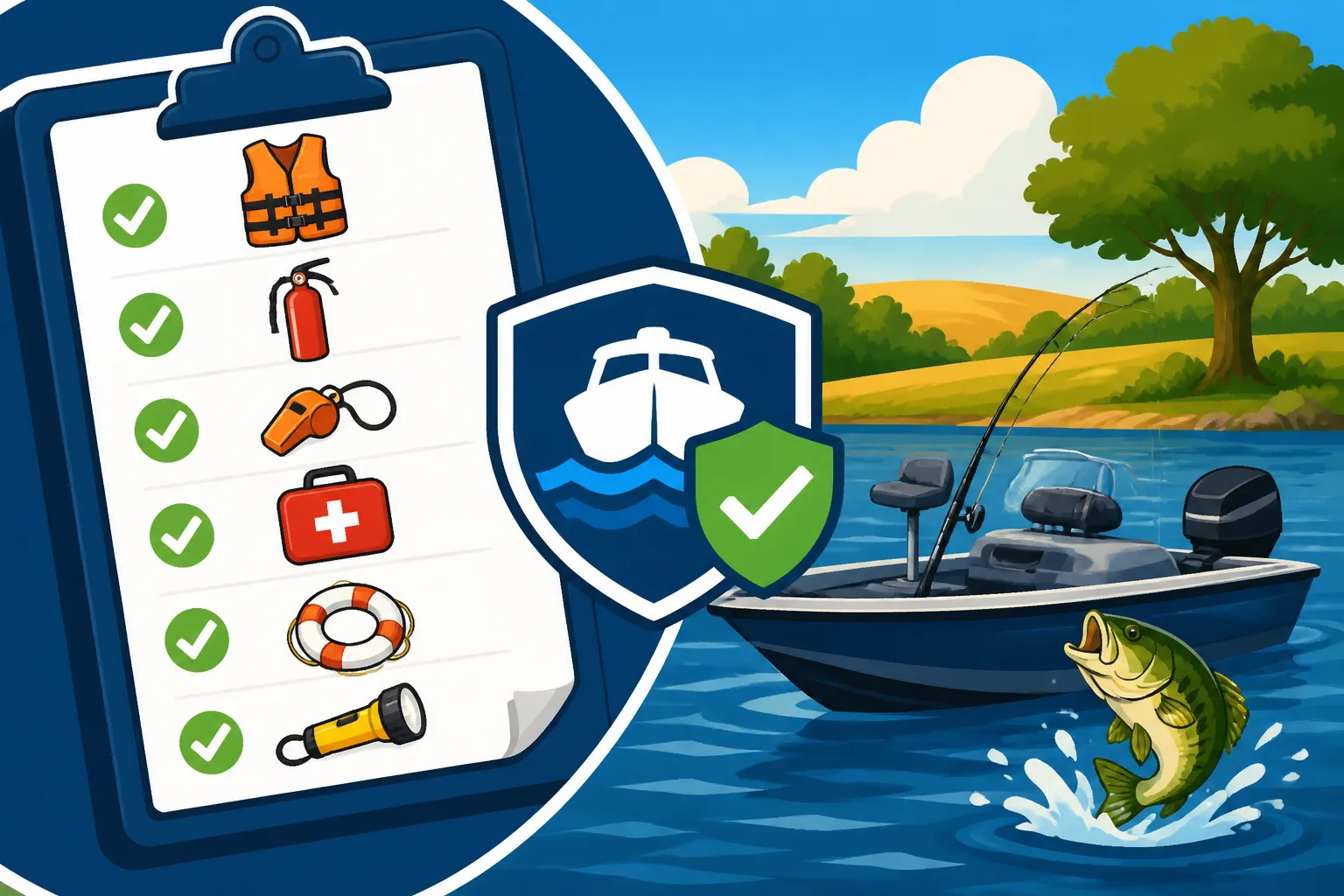
- Life Jackets: Are they all present, in good condition, and accessible? Are they sized correctly for everyone on board, especially children?
- Engine & Fuel: Check fuel levels, oil, battery connections, and ensure the engine starts easily.
- Trailer: Inspect tires, lights, and hitch connection if you're trailering.
- Lights: Verify all navigation lights, anchor lights, and interior lights are working.
- Drain Plug: Don't laugh, it happens! Ensure the drain plug is in place before launching.
- Fire Extinguisher: Check the gauge or indicator to ensure it's charged.
- Documentation: Is your boat registration current and on board?
Regular maintenance throughout the season, like checking battery terminals, inspecting fuel lines for leaks, and ensuring your bilge pump is functional, can preemptively tackle issues that might become safety hazards. For a more detailed routine, check out our guide on Best Boat Maintenance Schedule for Kansas Anglers.
Documentation and Legal Requirements
It might not be physical gear you hold, but your paperwork is a vital piece of your boating safety checklist. Always, and I mean always, carry your current vessel registration with you when operating your boat. Law enforcement, whether it's the Kansas Department of Wildlife and Parks, county sheriffs, or the Coast Guard on federal waters, can and will perform safety checks.
| Equipment Type | Requirement (General) | Where to Check/Buy | Condition Check |
|---|---|---|---|
| Personal Flotation Devices (PFDs) | 1 USCG-approved per person, readily accessible; children often must wear. | Bass Pro Shops, Amazon, marine stores, sporting goods. | No rips, tears, working buckles, proper fit. |
| Visual Distress Signals | Flares (day/night) or flag (day). Expiration for flares. | Marine stores, Bass Pro Shops. | Current expiration date, dry storage, functional. |
| Sound-Producing Device | Whistle, horn, or bell (depending on boat size). | Any sporting goods, marine store. | Loud, functional. |
| Fire Extinguisher | Required for certain vessels (inboard engine, fuel tanks, etc.). | Marine stores, hardware stores. | Charged, accessible, gauge in green. |
| Navigation Lights | Required for operation between sunset/sunrise or restricted visibility. | Marine stores. | All bulbs working, correct colors/placement. |
| Registration & Documentation | Current registration on board. | Kansas Department of Wildlife and Parks. | Current, legible. |
| First-Aid Kit | Highly recommended, not always legally required. | Drug stores, Bass Pro Shops, Amazon. | Stocked, medications not expired. |
Beyond registration, if you're operating your boat within a Kansas State Park, you might also need a specific permit. Understanding Kansas State Park Fishing Permit Rules is essential to avoid unexpected issues. Knowing your responsibilities regarding documentation and having it ready helps streamline any interactions with law enforcement and ensures your day on the water remains smooth and enjoyable. Remember, complying with these rules is a sign of respect for the waterways and for everyone who shares them.
Disclaimer
This article is for general informational purposes only and does not constitute professional advice. Laws, prices and regulations vary by location and change over time. Consult a qualified professional for guidance on your specific situation.