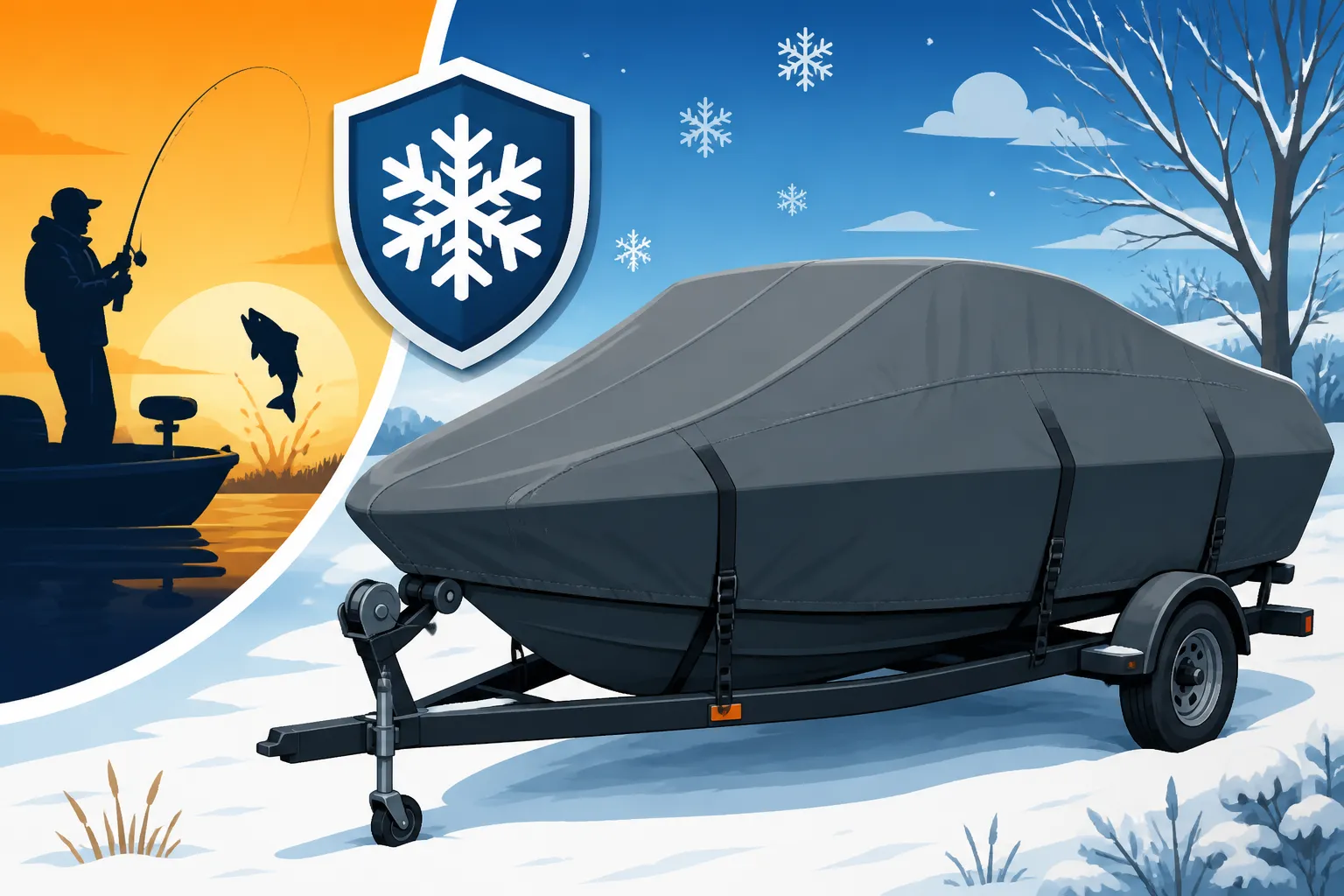
Best Boat Cover for Kansas Winters
Winter in Kansas can be brutal on anything left exposed to the elements, and your beloved fishing boat is no exception. That biting wind, heavy snow, and fluctuating temperatures can cause some serious damage if you're not properly prepared. This guide is all about helping you understand why a good boat cover is a non-negotiable for winter storage in Kansas, and what to look for to keep your vessel safe and sound until spring.
Why a Quality Boat Cover is Crucial for Kansas Winters
Let's be real: Kansas winters throw everything at us. From icy blizzards to surprise thaws and refreezes, the weather is constantly trying to put your boat through the wringer. Just tossing an old tarp over it and hoping for the best simply isn't going to cut it. A proper boat cover acts as the first line of defense, a guardian against all the nastiness winter can dish out. Ignoring this step can lead to costly repairs and a much bigger headache when it's time to hit the water again.
Protecting Against Harsh Weather Extremes
Think about a typical Kansas winter day. One minute it's freezing rain, the next it's a dry, biting wind, and then suddenly you're under a foot of heavy snow. Each of these weather events can wreak havoc on your boat's exterior and interior. Snow and ice can accumulate, putting immense pressure on your boat's hull, deck, and even the windshield. If the snow melts and refreezes, it can expand and cause cracks in fiberglass or gel coat. Wind, especially those relentless Kansas gusts, can pick up debris and scratch surfaces, or even rip apart flimsy covers, leaving your boat exposed. A robust, well-fitted cover is designed to withstand these forces, shedding snow and ice and deflecting wind-blown grit, keeping your boat's finish intact and its structure sound. It’s an investment that pays for itself by preventing expensive damage.
Preventing Moisture and Mold Damage
This is a big one, and often underestimated. Even if your boat is outdoors, moisture can find its way in. Melting snow and ice can seep into crevices, and even condensation can form inside the boat if there isn't proper airflow. Once moisture is trapped, it becomes a breeding ground for mold and mildew, especially in upholstered areas, carpets, and storage compartments. Imagine opening your boat in the spring only to be hit with that musty, mildewy smell and discovering unsightly growths everywhere. Not only is it a pain to clean, but it can also degrade fabrics and cause long-term structural issues. A good winter boat cover will be waterproof on the outside but breathable on the inside, allowing air to circulate and preventing that insidious moisture buildup. It’s a delicate balance that cheap tarps simply cannot achieve, often trapping more moisture than they repel.
Deterring Pests and Unwanted Guests
Let's face it, your boat can look like a cozy, sheltered haven to all sorts of critters when the temperatures drop. Mice, squirrels, raccoons, and even birds are constantly on the lookout for a warm, dry place to spend the winter, and your boat's interior offers just that. They can chew through wiring, nest in upholstery, leave droppings, and cause all kinds of unsanitary and damaging problems. A snug-fitting, durable boat cover creates a physical barrier that discourages these unwanted guests. While no cover is 100% foolproof against the most determined rodent, a properly installed cover significantly reduces access points and makes your boat far less appealing as a winter residence. Combined with a thorough cleaning and removal of any food sources, a good cover is key to keeping your boat pest-free.
Key Features to Look for in a Winter Boat Cover
Choosing the right boat cover isn't just about grabbing the first one you see. There are specific features that make a cover truly effective for enduring Kansas winters. You want something that's built to last and perform under pressure, not something that will fail halfway through January. Think about it like buying a quality winter coat for yourself – you need protection, durability, and comfort, and your boat deserves no less.
Material Durability and Waterproofing
The material is paramount. You need a cover that is genuinely waterproof to keep melting snow and rain from seeping through. Look for heavy-duty, marine-grade fabrics designed for prolonged outdoor exposure. Polyester-based materials with a robust coating, like those you might find at Bass Pro Shops or through online retailers like Amazon, are often excellent choices. These materials offer superior resistance to tears, UV degradation, and mildew.
However, "waterproof" isn't the only concern; durability is just as vital. A thin, flimsy material might be waterproof for a little while, but it will quickly degrade, tear, or become brittle in the cold. Look for covers with reinforced stress points, double-stitched seams, and perhaps even anti-abrasion patches where the cover might rub against sharp edges of your boat. These details ensure the cover can withstand years of harsh winters without failing.
Proper Fit and Tie-Down Systems
A boat cover is only as good as its fit. A cover that's too loose will flap in the wind, causing abrasion damage to your boat's finish and potentially tearing itself apart. One that's too tight might be difficult to install and prone to ripping. Ideally, you want a cover that is either custom-fit for your specific boat model or a semi-custom fit that closely matches its dimensions. This ensures maximum coverage and a snug fit that minimizes wind intrusion.
Equally important are the tie-down systems. Look for covers with strong, adjustable straps and buckles that can cinch the cover down tightly. Elastic hems are helpful for a basic snug fit, but the strap system is what truly secures the cover against strong winds. Some covers come with support poles or venting systems to prevent pooling and improve airflow – these are often crucial for maintaining the cover's shape and integrity, especially under heavy snow loads. Don't skimp on these features, as a properly secured cover will perform much better and last longer.
Ventilation and Anti-Mildew Properties
As we discussed, moisture is the enemy. While waterproofing keeps water out, proper ventilation prevents moisture from getting trapped inside. Look for covers that incorporate strategically placed vents, often covered flaps, which allow air to circulate without letting rain or snow in. This continuous airflow is essential for preventing condensation, mold, and mildew growth. Some covers even integrate anti-mildew treatments into their fabric, providing an extra layer of protection. This feature is particularly valuable if your boat is stored in an area with high humidity or if you simply want extra peace of mind. A breathable cover ensures that when you unveil your boat in the spring, it's fresh and clean, not a mildewy mess. This attention to detail can save you a lot of effort in spring cleaning and preserve your boat's interior.
Here's a quick comparison of common boat cover types:
| Cover Type | Fit | Protection Level | Price Point | Winter Suitability | Best For |
|---|---|---|---|---|---|
| Custom-Fit | Exact | Excellent (tailored) | Higher | Excellent | Long-term outdoor storage, maximum protection |
| Semi-Custom | Good (model-specific) | Very Good | Mid-range | Very Good | Outdoor storage, good balance of cost/protection |
| Universal | Generic | Moderate (gaps possible) | Lower | Acceptable for short-term | Garage storage, temporary outdoor use |
| Tarps (generic) | Poor | Low (flaps, traps moisture) | Very Low | Poor | Absolutely minimal protection, not recommended |
Types of Boat Covers for Winter Storage
When it comes to covering your boat for the chilly Kansas months, you've got a few options, but some are definitely better than others. It's not a one-size-fits-all scenario, and what works for a quick summer shower won't necessarily cut it for a prolonged winter deep freeze. Understanding the differences will help you make the best choice for your specific vessel and storage situation.
Custom-Fit Covers
These are, without a doubt, the gold standard for winter boat storage. A custom-fit cover is specifically designed and tailored to the exact make, model, and year of your boat. This means it hugs every curve, covers every edge, and leaves no room for wind to get underneath or for snow to pool in depressions. Think of it as a perfectly tailored suit for your boat.
The benefits here are immense. Because the fit is so precise, there's minimal flapping in the wind, which means less wear and tear on both the cover and your boat's finish. They usually come with robust tie-down systems that integrate perfectly with your boat's cleats or rub rails, ensuring a secure hold even during severe weather. While they are typically the most expensive option upfront, their superior protection and longevity often make them the most cost-effective choice in the long run, preventing costly damage. They provide the best defense against heavy snow, freezing rain, and relentless Kansas winds, keeping your boat pristine. Many boat dealers or specialized marine shops can help you order one, or you can often find them through reputable online marine suppliers.
Semi-Custom or Universal Covers
These are a more common choice for many anglers, striking a balance between cost and protection. A semi-custom cover is designed to fit a range of boats within a certain size and style category (e.g., "V-hull fishing boat, 18-20 feet"). While not as precise as a custom cover, they offer a significantly better fit than a generic universal cover. They usually have an elastic hem and multiple strap points to help cinch them down.
Universal covers, on the other hand, are the most generalized. They are typically sold by length and width, designed to fit "most" boats of a given size. While more affordable and readily available, perhaps even found at larger retailers like Bass Pro Shops or on Amazon, their fit can be quite baggy. This can lead to issues with wind whipping underneath, pooling water or snow, and increased potential for abrasion. For Kansas winters, a semi-custom cover is a much safer bet than a true universal cover if a custom-fit isn't in your budget. If you go this route, make sure to invest in a good support system, like poles or frames, to create a peak and prevent water and snow from accumulating. Remember, even with these, you'll still need to periodically check on your boat after heavy snow or ice to clear the cover.
Tarps and Other Temporary Solutions
Let's just be blunt: a blue tarp from the hardware store is not a winter boat cover for Kansas. While they might seem like a cheap and quick solution, they often cause more problems than they solve. Tarps are typically not breathable, trapping moisture underneath and creating a perfect environment for mold and mildew. They are also prone to tearing, especially in strong winds or under the weight of heavy snow.
If a tarp isn't properly secured and supported, it will create pockets where snow and ice can accumulate, putting immense stress on your boat's structure. The sharp edges of a flapping tarp can also scratch your boat's gel coat. While they might offer some temporary protection from light rain in mild conditions, they are completely inadequate for the rigors of a Kansas winter. Don't risk thousands of dollars in boat damage to save a few bucks on a proper cover. It's always best to invest in a purpose-built marine cover designed for winter storage.
Preparing Your Boat for Winter Storage with a Cover
Just throwing a cover over your boat isn't enough; proper preparation is key to ensuring your boat makes it through winter unscathed. Think of it as putting your boat to bed for a long nap – you want it comfortable, clean, and completely safe from anything that might bother it. Neglecting these steps, even with the best cover, can lead to unpleasant surprises in the spring. This whole process is often referred to as winterizing your boat, and it involves more than just covering it up. You can read more about it in How to Winterize a Boat in Kansas.
Cleaning and Detailing Your Boat
Before your boat goes into hibernation under its winter cover, a thorough cleaning is absolutely essential. Start by washing the exterior hull, deck, and topsides. Remove all grime, dried bait, mud, and any other debris. Pay special attention to any areas where fish slime or organic matter might be clinging, as this can become a breeding ground for mold and mildew during storage. Don't forget to clean out all storage compartments, livewells, and baitwells.
Once the exterior is clean, move to the interior. Vacuum carpets, wipe down seats, and clean out any trash or forgotten items. Any spills or crumbs left behind are an open invitation for pests. Consider using a marine-grade protectant on vinyl seats and other surfaces to prevent drying and cracking over the cold months. A clean boat is a happy boat, and it drastically reduces the chances of discovering unwelcome surprises when you pull the cover off in the spring. This is also a great time to do a quick inspection for any minor repairs that might need addressing before they become bigger issues.
Removing Valuables and Draining Systems
This step is about both security and preventing cold-weather damage. First, remove all valuables from your boat. This includes fishing rods, reels, tackle boxes, electronics (like your fish finder or GPS units), and anything else that could be stolen or damaged by extreme cold. Store these items in a secure, climate-controlled location. It's not just about theft; extreme cold can damage sensitive electronics or cause lines to become brittle.
Next, focus on draining all water systems. This is critical to prevent freeze damage. Drain your livewells, bilge pump area, and any other water lines. If your boat has a portable fuel tank, remove it and store it properly. For boats with built-in fuel tanks, it's generally recommended to either fill the tank completely to prevent condensation or treat it with a fuel stabilizer. If you're unsure about this process, consulting a marine mechanic is always a good idea, as engine damage from improper winterization can be incredibly costly. You might also consider removing the boat's battery and storing it indoors on a trickle charger, which extends its life.
Supporting the Cover for Snow and Water Runoff
Even the best boat cover can fail if it's not properly supported. The biggest culprit is pooling snow or rainwater, which can stretch, sag, and eventually tear the cover, or even collapse support structures. To prevent this, you need to create a high point in the center of your cover so that precipitation can easily run off the sides. This is usually achieved with a boat cover support system, often consisting of adjustable poles and straps that create a peaked roof effect under the cover.
You can find various support kits, or even improvise with sturdy, padded lumber, just make sure there are no sharp edges that could tear the cover. Place these supports strategically along the length of your boat, especially over the cockpit and bow areas. The goal is to eliminate any flat spots or depressions where water or snow could collect. Regularly checking your boat during winter, especially after heavy snowfall, is still a good practice. Clear off any accumulated snow gently to relieve pressure on the cover and its supports. Investing in a good support system, along with your quality cover, ensures maximum longevity for both and superior protection for your boat. For more information on securing your vessel, check out Kansas Boat Registration Guide.
Disclaimer
This article is for general informational purposes only and does not constitute professional advice. Laws, prices and regulations vary by location and change over time. Consult a qualified professional for guidance on your specific situation.