Best Boat Trailer Tires for Gravel Ramps
There’s nothing quite like the feeling of anticipation as you approach a Kansas lake or river, ready to drop your boat in the water for a day of fishing. But for many of us, that excitement can quickly turn to dread if the boat ramp happens to be a rough, unforgiving stretch of gravel. It's a common scenario: you’ve got your prized fishing vessel ready, but the path to the water is a minefield of sharp stones and loose aggregate, posing a real threat to your boat trailer tires. This guide is all about navigating those challenging gravel ramps, helping you understand what makes a good tire for the job, and how to keep them rolling smoothly so your focus can remain on catching fish, not changing a flat.
The Unique Challenges Gravel Ramps Present for Boat Trailer Tires
Gravel boat ramps are a fact of life for many anglers, especially when accessing some of the more remote or less-developed fishing spots around Kansas. While they offer access, they also pose a distinct and often frustrating set of challenges for your trailer tires that smooth asphalt or concrete ramps simply don't. It’s not just about getting from point A to point B; it’s about enduring constant abuse that can drastically shorten the lifespan of inadequate tires.
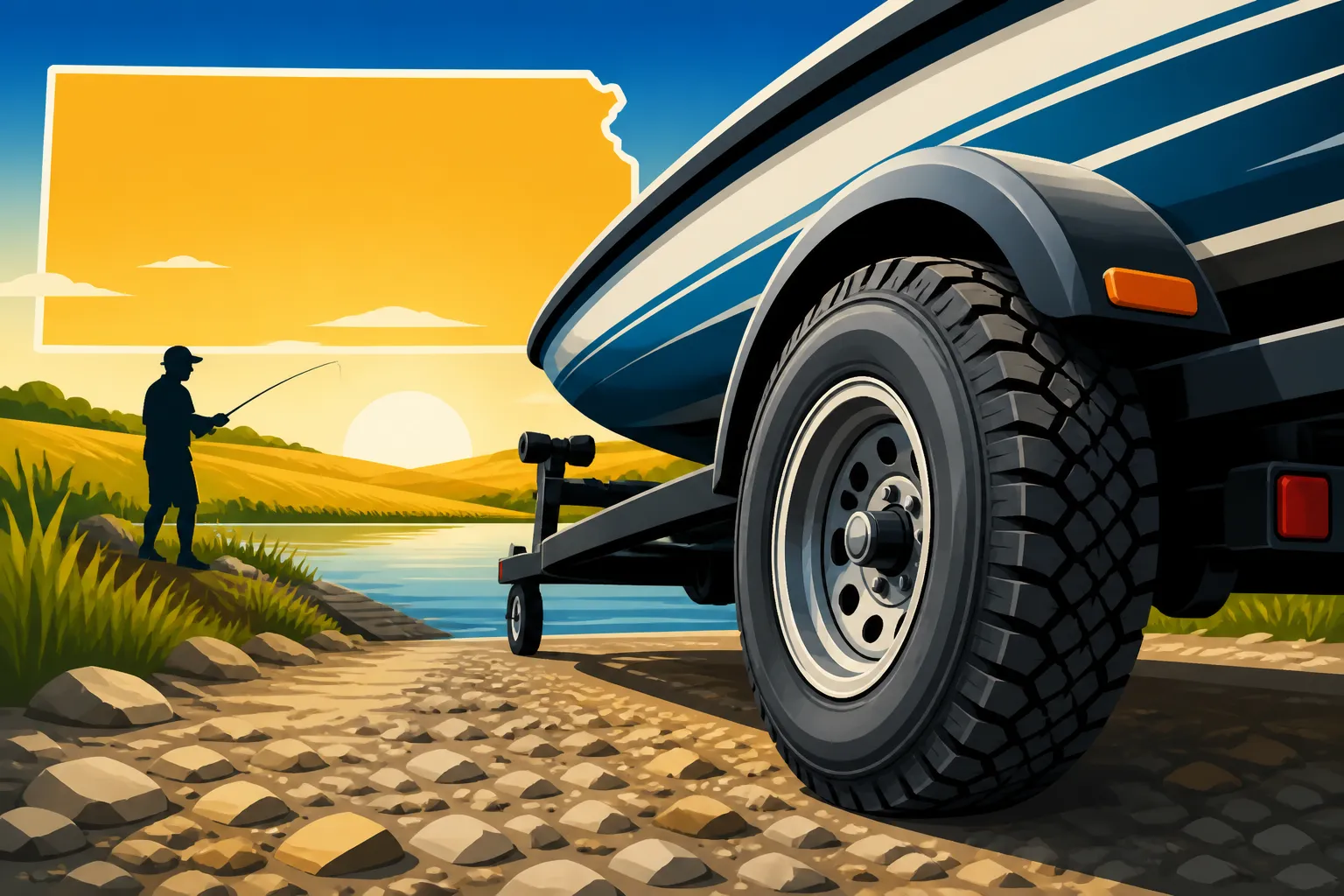
Imagine slowly backing down a ramp made of chunky, loose river rock, where every turn of the wheel grinds against jagged edges. The weight of your boat, especially a larger one, concentrates tremendous pressure on small contact points where the tire meets a sharp rock. This can lead to a multitude of problems. Sidewall cuts are incredibly common, as the flexible side of the tire is often the first to pinch or scrape against an unforgiving stone. These aren't just cosmetic; a deep cut can compromise the tire's integrity, leading to a sudden blowout even hours later on the highway, which is a nightmare scenario no one wants to face.
Beyond cuts, punctures are a constant threat. Smaller, sharper gravel can embed itself into the tread, slowly working its way through the rubber layers until it pierces the inner liner. You might not even notice it until you see a slow leak the next morning. Then there's the issue of traction. On wet, loose gravel, your tow vehicle and trailer tires need to work together to maintain grip. A tire designed primarily for highway use might spin and dig itself deeper into the loose material, making launching or retrieving a boat a struggle, especially with a heavier rig. This constant slipping and grinding also generates excessive heat and accelerates tread wear. Over time, the aggressive nature of gravel can even contribute to bead separation, where the tire loses its seal against the rim, leading to sudden air loss. Understanding these unique stresses is the first step in choosing the right defense for your trailer.
Key Tire Features to Look for When Battling Gravel Ramps
When it comes to selecting boat trailer tires that can stand up to the rigors of gravel ramps, you can't just pick any old tire. You need specific features designed for durability, traction, and resistance to damage. Thinking about these factors before you buy will save you a lot of headaches (and money) down the road.
Understanding Ply Rating and Load Range
This is probably the most critical factor for gravel use. The ply rating, often indicated by a letter (like C, D, or E) or a number (like 6-ply, 8-ply, 10-ply), tells you about the tire's construction strength and its ability to carry weight. Standard passenger car tires might be 4-ply, but trailer tires are generally much tougher. For gravel ramps, you want to lean towards a higher ply rating and load range than you might think necessary for your boat's weight.
A higher ply rating means more layers of material in the tire's construction, particularly in the sidewalls and under the tread. This directly translates to increased resistance against punctures from sharp rocks and better overall structural integrity. If you have a smaller jon boat or kayak trailer, a Load Range C (6-ply) might suffice if you're careful, but for most mid-sized fishing boats, a Load Range D (8-ply) is a wise upgrade. If you're hauling a larger fiberglass bass boat or a heavy pontoon, opting for Load Range E (10-ply) tires can provide a significant boost in protection and peace of mind. While these tires might have a slightly stiffer ride on the highway, their enhanced durability on gravel ramps is invaluable. Always double-check your trailer's Gross Vehicle Weight Rating (GVWR) and ensure your chosen tires can collectively support that weight safely, with a little extra margin if possible.
Tread Design and Sidewall Reinforcement
The tread pattern of a tire largely dictates its grip and how it handles different surfaces. For gravel, you want a more robust, sometimes even slightly aggressive, tread design compared to the smoother, highway-focused treads often found on standard trailer tires. Look for tires with deeper grooves and larger, more blocky tread patterns. These designs help to "bite" into loose gravel, providing better traction when launching or retrieving a boat on a slick, wet slope. They also tend to be less prone to sharp stones embedding themselves deeply into the tread, which can lead to punctures over time.
Beyond the tread, the sidewall is a tire's Achilles' heel on gravel. Many standard trailer tires have relatively thin sidewalls to reduce rolling resistance and provide a smoother ride on paved roads. However, on a gravel ramp, these delicate sidewalls are highly susceptible to cuts and abrasions from jagged rocks. Seek out trailer tires that specifically mention "reinforced sidewalls" or "heavy-duty sidewall construction." These tires feature additional rubber and fabric layers in the sidewall area, providing a crucial buffer against incidental contact with sharp obstacles. This extra protection can make the difference between a minor scrape and a catastrophic sidewall rupture. When you're inspecting tires at a store or online, pay close attention to reviews from other boaters who frequently use gravel ramps, as their experiences can highlight tires known for their sidewall toughness. You might find a great selection of heavy-duty trailer tires at Bass Pro Shops, known for their extensive marine section, or even browse options on Amazon with detailed product descriptions.
Tire Compounds and Construction
The rubber compound used in a tire's construction also plays a role in its durability. Some tires are made with compounds that prioritize longevity and resistance to chipping and tearing, which is exactly what you need for gravel. While it's harder to discern specific compound types without deep technical specs, generally, tires designed for utility, commercial, or off-road trailer applications will feature more robust compounds than those purely for recreational highway use.
Also consider the overall construction type. Most boat trailer tires are radial, offering a smoother ride and better heat dissipation than bias-ply tires. However, some heavy-duty bias-ply tires are still preferred by some for their incredibly stiff sidewalls, which can be advantageous in preventing punctures on extremely rough terrain, though they do tend to run hotter and offer a less forgiving ride. For most Kansas fishing adventures, a good quality radial tire with reinforced features will offer the best balance of durability and road performance. Thinking about your typical trips, whether it's long highway stretches to Milford Lake or short hops to a local river access, will help you decide.
Maintenance and Best Practices for Longevity on Gravel Ramps
Even the best boat trailer tires can succumb to the abuse of gravel ramps if not properly cared for. While investing in tough tires is a great start, a solid maintenance routine and smart driving habits are equally important for maximizing their lifespan and avoiding unexpected breakdowns. Just like you'd maintain your boat for optimal performance, your trailer tires deserve consistent attention. For general upkeep, reviewing a Best Boat Maintenance Schedule for Kansas Anglers can offer helpful guidance.
Proper Tire Inflation: Your First Line of Defense
This cannot be stressed enough: proper tire inflation is paramount. Under-inflated tires are far more susceptible to damage from gravel. When a tire is under-inflated, its sidewalls flex excessively, making them more vulnerable to cuts and pinches from sharp rocks. Furthermore, the tire's footprint on the ground becomes distorted, concentrating pressure on certain points rather than distributing it evenly. This increases the risk of punctures and can also cause the tire to generate excessive heat, accelerating wear and potentially leading to a blowout.
Always check your trailer tires' pressure before each trip, especially if your trailer has been sitting for a while. The recommended cold inflation pressure (PSI) is usually printed on the tire's sidewall itself, or on a placard on your trailer. Don't rely on visual inspection; a tire can look perfectly fine but be significantly under-inflated. Keep a reliable tire pressure gauge in your tow vehicle. Conversely, over-inflating tires isn't the solution either, as it can make them overly stiff, reducing their contact patch and making them more prone to impact damage.
Regular Inspection: Catching Problems Early
After every trip that involves a gravel ramp, make it a habit to perform a quick, thorough inspection of your trailer tires. This simple step can save you from a major headache later. Look for:
- Cuts and Gorges: Examine the tread and, most importantly, the sidewalls for any new cuts, gouges, or abrasions. Even small nicks can deepen over time.
- Embedded Objects: Check for small stones, pieces of glass, or other debris lodged in the tread. Use a screwdriver or awl to carefully pry them out. If left in, they can work their way through the tire and cause a slow leak.
- Bulges or Blisters: These are clear indicators of internal tire damage and mean the tire is unsafe to use.
- Uneven Wear: While less common from short gravel ramp use, consistently uneven wear can indicate a more significant issue with your trailer's alignment or suspension.
- Tire Valve Stems: Ensure they aren't cracked or leaking.
If you spot any significant damage, it's always best to have the tire inspected by a professional. Sometimes a repair is possible, but often, especially with sidewall damage, replacement is the safer option.
Driving Habits on Gravel: Slow and Steady Wins the Race
How you drive on gravel ramps makes a huge difference. Aggressive driving, quick turns, and sudden braking can cause your tires to skid and grind against the sharp surfaces, leading to rapid wear and potential damage.
- Slow Down: Approach and navigate gravel ramps slowly. This minimizes the impact of sharp objects and gives your tires more time to conform to the uneven surface.
- Smooth Steering: Avoid jerky steering movements. Gentle, sweeping turns reduce lateral stress on the tire sidewalls and tread.
- Minimize Spinning: When launching or retrieving, try to avoid spinning your tires. This not only chews up the ramp but also grinds away at your tire tread. If you find yourself losing traction, try shifting into a lower gear or engaging four-wheel drive if your tow vehicle has it. Sometimes, backing down a little further to a firmer spot can help. You might find more helpful advice in our guide on Best Boat Ramps and Trailer Tips in Kansas.
- Check Your Route: If possible, visually scout the ramp before backing down. Look for the smoothest path, avoiding particularly large or jagged rocks.
By combining the right tires with diligent maintenance and cautious driving, you significantly increase the chances of trouble-free launching and retrieving, allowing you to focus on the fishing experience.
Top Considerations for Selecting Your Next Set of Trailer Tires
Choosing the right boat trailer tires for gravel ramps isn't just about picking the biggest or most expensive option; it's about making an informed decision that balances durability, performance, and your specific needs. When you're ready to replace your tires, here are some final thoughts to guide your decision.
Matching Tires to Your Trailer and Boat Weight
The single most important factor is ensuring the tires can safely handle the weight of your fully loaded boat and trailer. This is your trailer's Gross Vehicle Weight Rating (GVWR). Never exceed the maximum load capacity of your tires. In fact, for gravel ramps, it's often prudent to have a bit of a buffer. If your trailer has a GVWR of 3,000 lbs, and you have two tires, each tire needs to support at least 1,500 lbs. If you can find tires rated for slightly more, say 1,750 lbs each, that extra margin provides increased safety and durability on rough surfaces.
Consult the tire placard on your trailer for the recommended tire size and load range. While you might consider upgrading the load range (e.g., from C to D), stick to the recommended tire size unless you consult with a professional, as changing tire dimensions can affect fender clearance and trailer stability.
The Trade-off: Cost Versus Durability
Let's be real: quality trailer tires designed for rugged use aren't always the cheapest option upfront. However, consider this an investment. A set of durable tires that can withstand gravel ramps will likely save you money in the long run by preventing costly roadside tire changes, damage to your rims, or even delays that cut into your precious fishing time. Think about the peace of mind. Knowing your tires are built to handle the conditions allows you to worry less about flats and more about finding that trophy fish. When looking at prices, remember that places like Bass Pro Shops and online retailers such as Amazon often have sales, but focus on the specifications over just the lowest price tag.
When to Replace Your Tires
Trailer tires often "age out" before they "wear out." Unlike car tires that see constant use, boat trailer tires often sit for long periods, especially during the off-season. This can lead to dry rot and cracking in the rubber, even if the tread looks new. Most manufacturers recommend replacing trailer tires every 3 to 5 years, regardless of tread wear. Always check the date code (DOT code) on the tire sidewall to determine its age.
Other reasons to replace include:
- Significant Damage: Deep cuts, sidewall bubbles, or repeated punctures.
- Uneven Wear: While less common, severe uneven wear can be a symptom of a bending axle or bad bearings, both of which need addressing.
- Tread Depth: While not as critical as age for trailer tires, if your tread is getting dangerously low, it’s time for new ones.
Here's a quick comparison of common trailer tire characteristics:
| Feature | Standard ST (Special Trailer) Tire | Heavy-Duty ST (Special Trailer) Tire for Gravel |
|---|---|---|
| Ply Rating | Typically C (6-ply) | D (8-ply) or E (10-ply) |
| Load Capacity | Adequate for trailer's GVWR | Higher than minimum, extra buffer for safety |
| Tread Pattern | Smoother, highway-oriented | Deeper, more aggressive blocks, better traction |
| Sidewall | Standard, less reinforced | Reinforced for cut and abrasion resistance |
| Cost | Generally lower | Higher, due to enhanced construction |
| Lifespan | Can be shorter on gravel ramps | Longer, more resilient on rough surfaces |
| Best Use | Paved ramps, occasional light gravel | Frequent gravel ramps, rough access roads |
Ultimately, investing in the best boat trailer tires for gravel ramps means you're investing in reliable access to your favorite fishing spots. It’s about being prepared for the realities of Kansas angling, whether you’re heading to a bustling reservoir or a secluded river bend. While you're at it, make sure your Best Rod Holders for Kansas Boats are secure for the ride!
Disclaimer
This article is for general informational purposes only and does not constitute professional advice. Laws, prices and regulations vary by location and change over time. Consult a qualified professional for guidance on your specific situation.