How to Winterize a Boat in Kansas
The Kansas winter can be brutal on anything left exposed, and your beloved fishing boat is no exception. Ignoring the proper steps to prepare your vessel for the frigid months ahead can lead to costly damage, frustrating delays when spring finally rolls around, and a lot of headaches you just don't need. This comprehensive guide will walk you through everything you need to know about winterizing your boat right here in Kansas, ensuring it stays in top shape until you're ready to hit the water again.
Why Winterizing Your Boat in Kansas Isn't Optional
When those first crisp autumn mornings arrive and the leaves start turning, it’s easy to feel a pang of sadness knowing fishing season is winding down. But for us Kansas anglers, it's also a crucial time to think about protecting our investments. Skipping boat winterization in our state is like inviting trouble, and frankly, it’s a gamble that almost never pays off.
The Threat of Freezing Temperatures
Kansas winters are notorious for their drastic temperature swings. One week you might have a mild spell, lulling you into a false sense of security, and the next, a polar vortex descends, bringing temperatures well below freezing for days on end. Water expands when it freezes, and if there’s any water left in your engine block, cooling lines, bilge pump, or even your livewell, that expansion can crack components. Imagine pulling your boat out in the spring, eager for the Kansas Spring Fishing Guide, only to find a cracked engine block or a busted water pump. That’s not just a ruined fishing trip; it's a repair bill that could easily run into the thousands. It’s a preventable nightmare.
Protecting Your Investment
Your fishing boat isn't just a recreational toy; for many of us, it's a significant financial investment. Whether you've got a small jon boat perfect for chasing catfish on the Kansas River or a big bass rig for covering water on Milford Lake, keeping it properly maintained means it lasts longer and holds its value. Winterization isn't just about preventing immediate freeze damage; it’s about overall preservation. It protects the engine from corrosion during extended storage, keeps the upholstery from degrading, and prevents pests from making a cozy home in your cabin. Think of it as an annual spa treatment for your boat, ensuring it’s healthy and ready for many more seasons of reeling in those big ones. A little effort now saves a lot of money and regret later.
Essential Steps for Engine Winterization
The heart of your boat is its engine, and proper winterization here is paramount. This isn't a step you can rush or cut corners on. Taking the time to do this right will mean the difference between a smooth start to spring and a major headache at the mechanic.
Fuel System Preparation
One of the biggest culprits of engine issues after winter storage is stale or separated fuel, especially with today's ethanol-blended gasoline. Ethanol can attract and absorb water, leading to fuel degradation and potential corrosion in your fuel lines and carburetor. To avoid this, you’ll want to stabilize your fuel.
First, make sure your fuel tank is nearly full. A full tank minimizes air space, which reduces condensation build-up inside the tank. Next, add a high-quality fuel stabilizer, following the product's instructions carefully. Brands like Sta-Bil or Marine Stabil are popular choices and can often be found at your local marine supply store or online through Amazon. Once the stabilizer is in, run the engine for about 10-15 minutes to ensure the treated fuel circulates throughout the entire fuel system, including the carburetor or fuel injectors. This step is critical because simply adding stabilizer to the tank isn't enough; it needs to get into the engine's internal passages to protect them.
Engine Flushing and Antifreeze
After your fuel is stabilized, the next vital step is to ensure all raw water is flushed from the cooling system and replaced with antifreeze. If you have an outboard engine, you'll need to use "earmuffs" that connect to a garden hose, or if you have an inboard/outboard, you might have a dedicated flush port or need to use a flush kit.
Start by running the engine with fresh water for a few minutes to clear out any salt, dirt, or debris. Once flushed, you’ll need to introduce marine-grade, non-toxic propylene glycol antifreeze into the cooling system. For outboards, you can typically disconnect the fuel line (or turn off the fuel supply if possible) and let the engine run dry for a moment, then add antifreeze through the earmuffs until it comes out the exhaust. For inboards, you might need to use a winterization kit that allows you to suck the antifreeze directly into the engine's cooling system. Always use marine-specific antifreeze – never automotive antifreeze, as it's toxic and harmful to aquatic environments. Ensure that any water-holding components, like the bilge pump and livewells, are also drained completely or flushed with antifreeze. This ensures comprehensive protection against freezing throughout the entire boat's water systems.
Oil and Filter Change
Changing your engine oil and filter before winter storage is another non-negotiable step. Over the course of a season, engine oil accumulates acids, moisture, and combustion byproducts. If left in the engine during storage, these contaminants can cause corrosion and pitting on internal engine components, especially in the crankcase and cylinder walls.
Drain the old oil while the engine is still warm (from the flushing process, for instance), as warm oil drains more thoroughly. Replace the oil filter with a new one and then refill the crankcase with fresh, manufacturer-recommended engine oil. This ensures that all internal engine parts are bathed in clean, protective oil throughout the off-season. This small act of maintenance is a huge factor in the longevity and reliability of your engine. Many anglers find high-quality marine oil and filters readily available at sporting goods stores like Bass Pro Shops.
Preparing Your Boat's Interior and Exterior for Winter
Winterization isn't just about the engine; the entire boat needs attention to withstand the elements and maintain its appearance. From the gleaming hull to the cozy cabin, every part of your boat benefits from a little TLC before the long winter nap.
Cleaning and Protecting the Hull
Before putting your boat away, give the hull a thorough cleaning. Remove any grime, algae, or scum line build-up that accumulated during the fishing season. A good boat wash and scrub brush will do wonders. Pay special attention to the waterline and any areas that were submerged. Once clean, consider applying a good marine wax or sealant to the hull. This creates a protective barrier against moisture, UV rays (even in winter, sun can cause damage), and general grime. It also makes cleaning a breeze come spring.
Don't forget the trailer! Inspect the tires for proper inflation and wear, check the wheel bearings, and lubricate any moving parts. You might want to consider chocking the wheels and disconnecting the trailer from your vehicle to prevent theft or accidental movement. Proper trailer maintenance goes hand-in-hand with boat care, especially if you're storing it outside. Remember, a rusty or broken trailer makes getting to your favorite fishing spots like Milford Lake a real challenge.
Safeguarding Electrical Systems
Your boat's electrical system needs protection too. The most important step is to disconnect the battery. Fully charge your battery, then disconnect the terminals to prevent any phantom drains or sulfation over the long storage period. If possible, remove the battery from the boat and store it in a cool, dry place where it won't freeze. Periodically check its charge with a trickle charger during the off-season to keep it healthy. Many modern trickle chargers have smart features that will maintain the charge without overcharging, which is ideal.
Beyond the battery, check all electrical connections for corrosion. Clean any corroded terminals with a wire brush and apply a dielectric grease to protect them. Ensure all electronics, like your fish finder, GPS, and radio, are turned off. If any of these are easily removable, it’s a good idea to take them inside for secure, climate-controlled storage. This prevents potential theft and protects sensitive electronics from extreme temperature fluctuations and moisture. This also gives you a chance to update any software or maps during the off-season.
Interior Storage and Ventilation
The boat's interior, from upholstery to storage compartments, needs careful attention. Start by removing all fishing gear, personal items, life jackets, and anything else that could hold moisture or attract pests. Wash down all surfaces, including vinyl seats, and allow them to thoroughly dry. If you have removable cushions, it's best to store them indoors in a climate-controlled area. This keeps them fresh, prevents mildew, and protects them from rodent damage.
Ensure good air circulation throughout the boat to prevent mildew and musty odors. If you're covering the boat, make sure the cover is breathable or use vents to allow air to flow. You can also place moisture absorbers, like desiccant bags or dehumidifiers, in enclosed areas. Just remember to check and replace them periodically. Leaving hatches, lockers, and cuddy cabin doors slightly ajar can also help air circulate, but be mindful of preventing pest entry. A well-ventilated boat means a fresh, clean start to the next fishing season, free from unpleasant surprises.
Storage Considerations for the Off-Season
Once your boat is meticulously prepared, where you store it and how you secure it are the final pieces of the winterization puzzle. Making smart choices here can protect all your hard work and keep your boat safe until the Kansas Fishing Seasons Guide beckons you back to the water.
Choosing the Right Storage Location
In Kansas, you essentially have a few options for boat storage: outdoor, covered, or indoor heated/unheated. Each has its pros and cons.
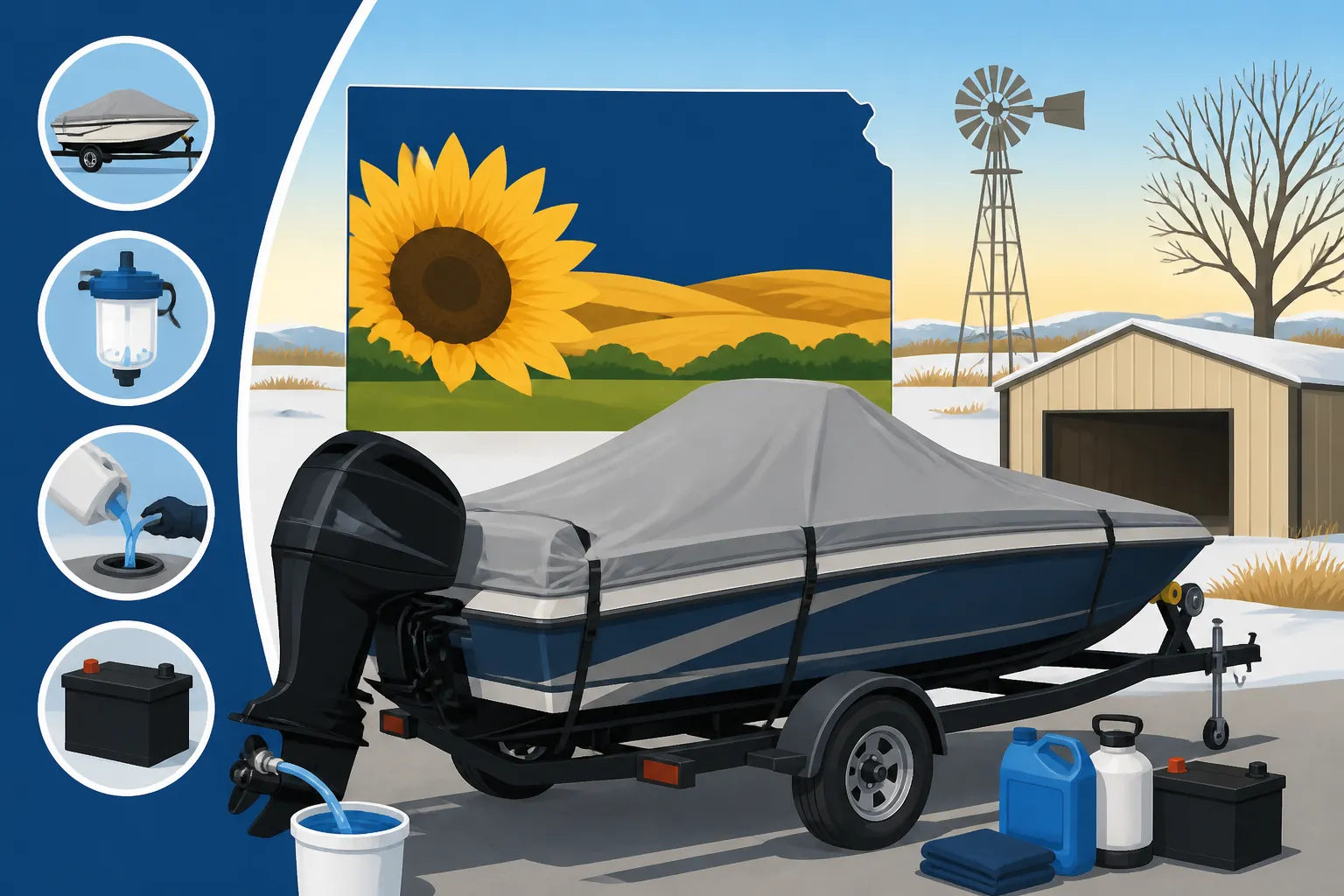
- Outdoor Storage: This is often the most budget-friendly option, but it requires the most thorough winterization and a high-quality boat cover. A good Best Boat Cover for Kansas Winters is essential to protect against snow, ice, UV rays, and debris. Ensure the cover is properly supported to prevent snow and water from pooling, which can stretch or tear the cover and even damage the boat's structure. Outdoor storage exposes your boat to the full brunt of Kansas weather, so every step of engine and interior preparation becomes even more critical.
- Covered Storage (Carport/Lean-to): A step up from fully outdoor, covered storage offers protection from direct precipitation and UV rays. While the boat is still exposed to ambient temperatures, preventing snow and ice accumulation on the boat itself is a significant advantage. You'll still need a good cover to protect against dust and pests, and to maintain air circulation.
- Indoor Unheated Storage (Garage/Storage Unit): This is an excellent option for protecting your boat from the elements and often helps deter theft. While it doesn't prevent freezing temperatures, it provides a stable environment, away from wind and direct precipitation. Proper ventilation is still important, and you'll still need to follow all engine winterization steps diligently. This is often a popular choice for those with smaller boats or access to extra garage space.
- Indoor Heated Storage: This is the most protective option, as it eliminates the risk of freezing entirely. It's usually the most expensive, but it offers peace of mind and greatly reduces the need for extensive antifreeze use (though fuel stabilization and oil changes are still recommended). For high-value boats or those with complex water systems, this can be a worthwhile investment.
Regardless of your choice, ensure the location is secure. If storing outdoors, consider additional security measures like wheel locks, hitch locks, or even GPS trackers. Keeping your boat registered and up-to-date with your local authorities, as outlined in the Kansas Boat Registration Guide, also helps in case of theft.
Final Checks and Security
Before walking away from your boat for the season, do a final walk-around. Double-check that all drains are open (if storing without antifreeze) or closed (if using antifreeze), all gear is offloaded, and sensitive electronics are removed. Secure any loose lines or ropes that could flap in the wind. Ensure your boat cover is snug and secure, using tie-downs if necessary. If you're storing it at home, make sure it’s out of the way of snow plows and accessible only to you.
Leaving a clear path around the boat can help prevent accidental bumps or scrapes. If you’re storing it in a rented facility, confirm their security protocols and access hours. Make a note of your winterization checklist and any tasks you want to tackle in the spring. Being organized now means you'll spend less time troubleshooting and more time enjoying those first glorious days back on the water when the Kansas Fishing Regulations Explained become your focus again.
| Winterization Checklist Item | Why It's Important | Tools/Products Needed |
|---|---|---|
| Fuel Stabilization | Prevents fuel degradation & engine damage | Fuel stabilizer (e.g., Sta-Bil), full fuel tank |
| Engine Flushing & Antifreeze | Prevents freezing in cooling system | Earmuffs/flush kit, marine antifreeze, funnel |
| Oil & Filter Change | Removes corrosive contaminants | New oil, oil filter, wrench, drain pan |
| Gear Lube Check/Change | Protects lower unit gears (outboards/I/Os) | Gear lube, pump, screwdriver |
| Battery Disconnection | Prevents discharge & sulfation | Wrench, battery charger, trickle charger (for storage) |
| Hull Cleaning & Waxing | Prevents grime build-up & protects finish | Boat soap, brushes, marine wax |
| Interior Cleaning & Drying | Prevents mildew & attracts pests | All-purpose cleaner, cloths, moisture absorbers |
| Remove Valuables/Electronics | Prevents theft & protects sensitive items | None (just remember to remove them!) |
| Check Trailer | Ensures safe transport & prevents issues | Tire gauge, grease gun, lug wrench |
| Secure Boat Cover | Protects from elements & debris | Boat cover, tie-downs, support poles |
| Ventilation | Prevents moisture build-up & stale air | Vents, slightly open compartments |
Winterizing your boat might seem like a chore, but it's truly an act of love for your vessel. Taking the time now ensures that when the warm Kansas sun returns, your boat will be ready to go, and you'll be back on the water, making memories without the worry of unexpected repairs. Happy off-season, and we'll see you on the water!
Disclaimer
This article is for general informational purposes only and does not constitute professional advice. Laws, prices and regulations vary by location and change over time. Consult a qualified professional for guidance on your specific situation.