Best Lantern for Night Fishing on Kansas Lakes
There’s nothing quite like the tranquility and mystery of night fishing on a calm Kansas lake. The daytime crowds are gone, the air is cooler, and often, the biggest fish come out to play. But let's be real – trying to tie a tiny knot, bait a hook, or even just find your tackle box in the pitch black is a recipe for frustration and lost gear. This guide will shine a light on the best lantern options available to make your nocturnal angling adventures on Kansas lakes safe, productive, and truly enjoyable.
Why Night Fishing in Kansas Lakes Demands Good Lighting
Night fishing is a whole different ballgame from daytime excursions. The serene darkness can be incredibly peaceful, but it also brings unique challenges. You're dealing with slippery surfaces, sharp hooks, and unfamiliar surroundings, all compounded by limited visibility. Having a reliable, effective light source isn't just a convenience; it's a critical piece of safety gear and a major factor in your fishing success.
Safety First: Navigating the Dark Waters
Imagine stepping out onto the bank of Milford Lake after sundown, or trying to maneuver your boat back to the ramp on Cheney Reservoir in the dead of night. Without proper lighting, every step is a gamble. There could be uneven terrain, hidden obstacles, or slippery mud along the shoreline. In a boat, you need to see your lines, your gear, and most importantly, your surroundings to avoid collisions or grounding. A good lantern provides the necessary illumination to prevent trips, falls, and other mishaps, keeping you and your fishing buddies safe. It's about being able to confidently move around, whether you're tending to a rod in a holder or carefully netting a thrashing catfish.
The Frustration of Fumbling in the Gloom
We've all been there: a monster bite, adrenaline pumping, and you reach for your pliers only to knock over your entire tackle box. Or you're trying to re-tie a broken line, and your flashlight beam dances everywhere but on the eye of the hook. This isn't just annoying; it wastes precious fishing time. When fish are biting at night, you want to maximize your time with a line in the water, not wrestling with gear you can't see. A well-placed lantern illuminates your entire workspace, whether that's the bottom of your jon boat or your spread on a picnic table at a state park, allowing you to focus on the fish, not the darkness. For more on navigating these challenges, check out our Kansas Night Fishing Guide.
Key Features to Look for in a Night Fishing Lantern
Choosing the right lantern for your Kansas night fishing adventures means considering several factors. It's not just about how bright it is, but how it performs under real-world conditions. A great lantern will be a true asset, not another piece of gear to fuss over.
Brightness and Beam Type
When we talk about brightness, we're talking lumens. While more lumens generally mean a brighter light, it's not always about maximum power. For night fishing, you often want a good balance. Too bright and you might spook fish or blind your companions; too dim, and you're back to fumbling. Look for lanterns with adjustable brightness settings, allowing you to dial it down for subtle tasks like watching your rod tip, or crank it up when you're cleaning fish or packing up. Many lanterns offer a "warm" light setting, which can be less harsh on your eyes and sometimes less attractive to pesky insects than a stark white LED.
Consider the beam type as well. Some lanterns provide a wide, diffuse area light perfect for illuminating your immediate camp or boat deck. Others might have a more focused beam for tasks requiring precision. Some even offer red light modes, which preserve your night vision and are ideal for quick glances at your tackle without completely disrupting your eyes' adjustment to the dark. This is super helpful when you're trying to observe delicate bites or simply enjoy the starlit sky without constantly readjusting your vision.
Battery Life and Power Options
This is a make-or-break feature for any night fishing trip. There's nothing worse than your light dying just as the bite picks up. Look for lanterns with robust battery life. Many modern LED lanterns boast impressive run times, often tens or even hundreds of hours on lower settings. Rechargeable lanterns are a fantastic option, often powered by internal lithium-ion batteries that can be topped up via USB. This means you can charge them in your truck on the way to the lake or even with a portable power bank.
Alternatively, some lanterns still use traditional D-cell or AA batteries. While these mean carrying spares, they offer the flexibility of quick swaps if you're in a remote area without charging capabilities. Some lanterns even come with the ability to double as a power bank, allowing you to charge your phone in a pinch – a feature that can be a real lifesaver on an extended outing. Always check the manufacturer's stated battery life for different brightness settings and consider how long you typically fish at night.
Durability and Water Resistance
Kansas weather can be unpredictable, and fishing environments are inherently wet and rugged. Your lantern needs to be built to withstand the elements. Look for lanterns with a high Ingress Protection (IP) rating, which indicates how well it's protected against dust and water. An IPX4 rating, for example, means it can resist splashes from any direction – perfect for an accidental bump into a puddle or a sudden rain shower. Higher ratings, like IPX7, mean it can be submerged for a short period, offering even greater peace of mind.
Beyond water resistance, consider the overall build quality. A lantern made from durable ABS plastic or aluminum will stand up better to drops, bumps, and the general wear and tear of being tossed into a tackle bag or boat. Some lanterns even have rubberized bases or cages for extra protection. You want a lantern that can take a beating, because let's face it, things get dropped when you're fishing in the dark. For more essential items, check out our Kansas Fishing Gear Guide.
Types of Lanterns for Kansas Night Fishing
When you walk into a store like Bass Pro Shops or browse online at Amazon, you'll see a dazzling array of lanterns. Each type has its own strengths and weaknesses for the night angler.
Traditional LED Lanterns
These are probably the most common and versatile choice for most night anglers today. Modern LED lanterns offer incredibly bright, energy-efficient light in a compact package. They are typically cool to the touch, meaning no accidental burns, and most are highly durable, often with shock-resistant designs. They come in a wide range of sizes, from small, portable models that fit in your hand to larger, more robust units designed to illuminate a whole campsite or boat deck. Many feature multiple light modes, including dimmable settings, flashing signals, and even colored light options like red or green for stealth.
The major advantage of LED lanterns is their safety and convenience. No open flames, no fuel to carry, and generally very low heat output. They are perfect for illuminating your fishing area, whether you're bank fishing on Clinton Lake or drifting for catfish on Tuttle Creek. Their long battery life, especially with rechargeable options, means you can rely on them for multiple nights of fishing without worry.
Propane and Dual-Fuel Lanterns
While not as common for dedicated fishing as they once were, propane or dual-fuel lanterns still have a place, especially for larger groups or extended camping trips where maximum, long-lasting brightness is needed. These lanterns operate by burning fuel, producing a very bright, warm light. They use replaceable propane cylinders or can sometimes be filled with liquid fuel. Their main advantage is their sheer output of light, often far surpassing battery-powered LEDs in raw lumens.
However, for fishing, they come with significant drawbacks. They produce heat, making them less ideal in confined spaces like a small boat, and pose a fire risk if knocked over near flammable materials. The open flame can also attract more insects than an LED, which can be annoying when you're trying to concentrate on your line. And, of course, you have to carry fuel, which adds weight and bulk. For a serious night angler focused on the catch, the hassle and risks often outweigh the benefits, especially when modern LED technology offers so much versatility.
Hybrid and Specialty Lighting
The world of fishing lighting isn't limited to just lanterns. Many anglers combine traditional lanterns with other specialty lights for maximum effectiveness. For instance, some lanterns now integrate solar charging panels, allowing them to slowly recharge throughout the day, extending their battery life indefinitely when used in conjunction with direct sunlight. Others might feature built-in bug zappers, which can be a godsend on muggy summer nights on the Kansas River.
There are also highly portable options like collapsible LED lanterns, which pack down tiny for easy storage but expand to provide decent area lighting. These are fantastic for backpacking anglers or those with limited space. Some unique lanterns also offer magnetic bases or hanging hooks, providing versatile mounting options in a boat, on a tent, or even under a vehicle's hood if you're doing some roadside maintenance after a long night. Pairing these with a good Best Headlamp for Night Fishing in Kansas can create an excellent multi-layered lighting system.
Here's a quick comparison of common lantern types for night fishing:
| Feature | Traditional LED Lantern | Propane Lantern | Hybrid/Specialty LED Lanterns |
|---|---|---|---|
| Light Output | Good to Excellent (adjustable) | Excellent (very bright) | Good to Excellent (often with extra features) |
| Fuel/Power | Batteries (AA, D, rechargeable) | Propane cylinder, liquid fuel | Batteries (rechargeable, solar) |
| Heat Output | Very Low | High (can be dangerous) | Very Low |
| Safety | Very Safe (no open flame) | Requires Caution (open flame, heat) | Very Safe |
| Portability | High (many compact options) | Moderate (requires fuel carriage) | High (collapsible, integrated features) |
| Bug Attraction | Low to Moderate | Moderate to High | Low to Moderate (some with zappers) |
| Typical Use | General fishing, small camps, boat decks | Large campsites, very bright area light | Versatile, task-specific, extended trips |
| Environmental | Clean, no emissions | Combustion byproducts | Clean, solar option for sustainability |
Beyond the Lantern: Other Night Fishing Lighting Essentials
While a good lantern is your primary light source, a truly effective night fishing setup involves a few other specialized lighting tools that complement its capabilities. Thinking about these additional items can significantly enhance your safety and efficiency.
Headlamps: Your Hands-Free Companion
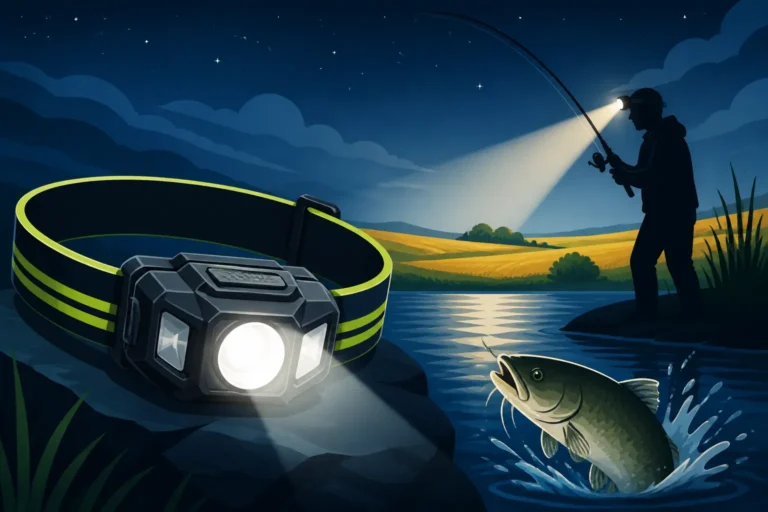
A headlamp is arguably as essential as a lantern for night fishing, if not more so for certain tasks. The beauty of a headlamp is that it puts light exactly where you're looking, leaving both your hands free for critical tasks like tying knots, unhooking a fish, or digging through your tackle box. Imagine trying to thread a tiny jig in the dark with only a lantern glowing from a distance – it's a nightmare. A headlamp makes those delicate operations so much easier.
Look for headlamps with multiple brightness settings, including a red light option. The red light is invaluable for preserving your night vision, allowing you to quickly check your line or bait without your eyes needing to readjust to the darkness afterward. Many modern headlamps are lightweight, comfortable, and offer impressive battery life. You can find excellent options at places like Bass Pro Shops or through online retailers such as Amazon. Keep one charged and ready to go for every night trip.
Navigation Lights and Safety Strobes
If you're fishing from a boat on a Kansas reservoir, navigation lights aren't just a good idea – they're often legally required after dark. These are distinct from your personal fishing lights and are crucial for visibility to other boaters (and for you to see them). Ensure your boat has proper red (port), green (starboard), and white (all-around anchor) lights. Always double-check your Kansas Boat Registration for Anglers and local regulations for specific requirements.
Beyond mandatory navigation lights, consider personal safety strobes or clip-on lights. These small, often waterproof lights can be clipped to your life jacket, tackle bag, or even boat seats. If you accidentally go overboard, or if your boat experiences an issue, these strobes make you or your vessel much more visible to search and rescue, or other passing boats. They are a small investment that can provide immense peace of mind.
Personalized Lighting for Specific Tasks
Sometimes, you need very specific lighting for niche tasks. Think about LED clip-on lights for your fishing hat brim, which offer a focused beam for close-up work without the bulk of a full headlamp. Or maybe a small, submersible LED lure light that you can attach near your bait to attract certain species in very dark conditions, though you'll want to verify local regulations on illuminated fishing tackle first.
For anglers using trotlines or jug lines for catfish, small, waterproof LED lights attached to your lines can help you locate them in the dark, making retrieval much easier. Even simple glow sticks can be handy for marking rod tips or hazards. The key is to think about the specific challenges you face during your night fishing trips and then find a lighting solution that addresses them directly. For techniques often employed at night, consider reading our Kansas Catfish Fishing Techniques guide.
Maintenance and Care for Your Night Fishing Lantern
Investing in a good night fishing lantern is only half the battle; proper maintenance ensures it will serve you reliably trip after trip. Just like your fishing rods and reels, your lighting gear needs a little TLC to perform its best.
Cleaning and Storage Best Practices
After a long night on the water, your lantern might be covered in lake spray, bug guts, or even some fish slime. Take the time to wipe it down with a damp cloth, especially if it's rated for water resistance. Pay attention to the battery compartments and charging ports, ensuring they are clean and dry before storage. Saltwater anglers know the corrosive power of salt; even in freshwater environments, grime can build up and affect performance.
Store your lantern in a cool, dry place away from direct sunlight. If it's a battery-powered unit, consider removing the batteries if you're not going to use it for an extended period, especially with disposable batteries, to prevent leakage that can corrode contacts. For rechargeable units, it's generally good practice to store them with a partial charge (around 50-70%) rather than fully charged or completely drained, to prolong battery health. A simple tackle bag compartment or a dedicated gear box can keep it protected from bumps and scratches when not in use.
Battery Health and Charging Tips
For rechargeable lanterns, always use the charging cable and adapter recommended by the manufacturer. Overcharging or using incompatible chargers can damage the battery and shorten its lifespan. Try to avoid letting the battery completely drain repeatedly, as this can degrade its capacity over time. Instead, top it up after each significant use. If your lantern has indicator lights, pay attention to them to understand its charging status.
If your lantern uses disposable batteries, keep a fresh set on hand. Check the expiration dates on battery packs and rotate your stock. When you replace batteries, always use a fresh set from the same brand and type; mixing old and new or different brands can lead to uneven discharge and reduced performance. A quick check of battery contacts for corrosion before each trip can save you a lot of hassle in the dark. Taking care of your batteries means your light will always be ready when you need it most. This also applies to other gear – learn more in Best Live Bait Container for Summer Trips.
Troubleshooting Common Lantern Issues
Even the best lanterns can sometimes act up. If your light isn't turning on, the first thing to check is the battery. Are they dead? Are they inserted correctly? For rechargeable units, is it charged? Sometimes, it's as simple as loose contacts; gently clean them with a pencil eraser or cotton swab.
If the light is dim or flickering, it could be a sign of low battery, but it could also indicate moisture in the contacts or a faulty bulb (though less common with LEDs). If you suspect water ingress, open the battery compartment (if safe to do so) and let it air dry completely before attempting to use it again. For any major issues, consult the manufacturer's manual or their customer support. Often, a quick online search can reveal common fixes or help you determine if the issue warrants a repair or replacement. Planning for these small issues is part of being prepared, much like understanding Kansas Fishing Law Enforcement and Penalties.
Disclaimer
This article is for general informational purposes only and does not constitute professional advice. Laws, prices and regulations vary by location and change over time. Consult a qualified professional for guidance on your specific situation.