Best Headlamp for Night Catfishing
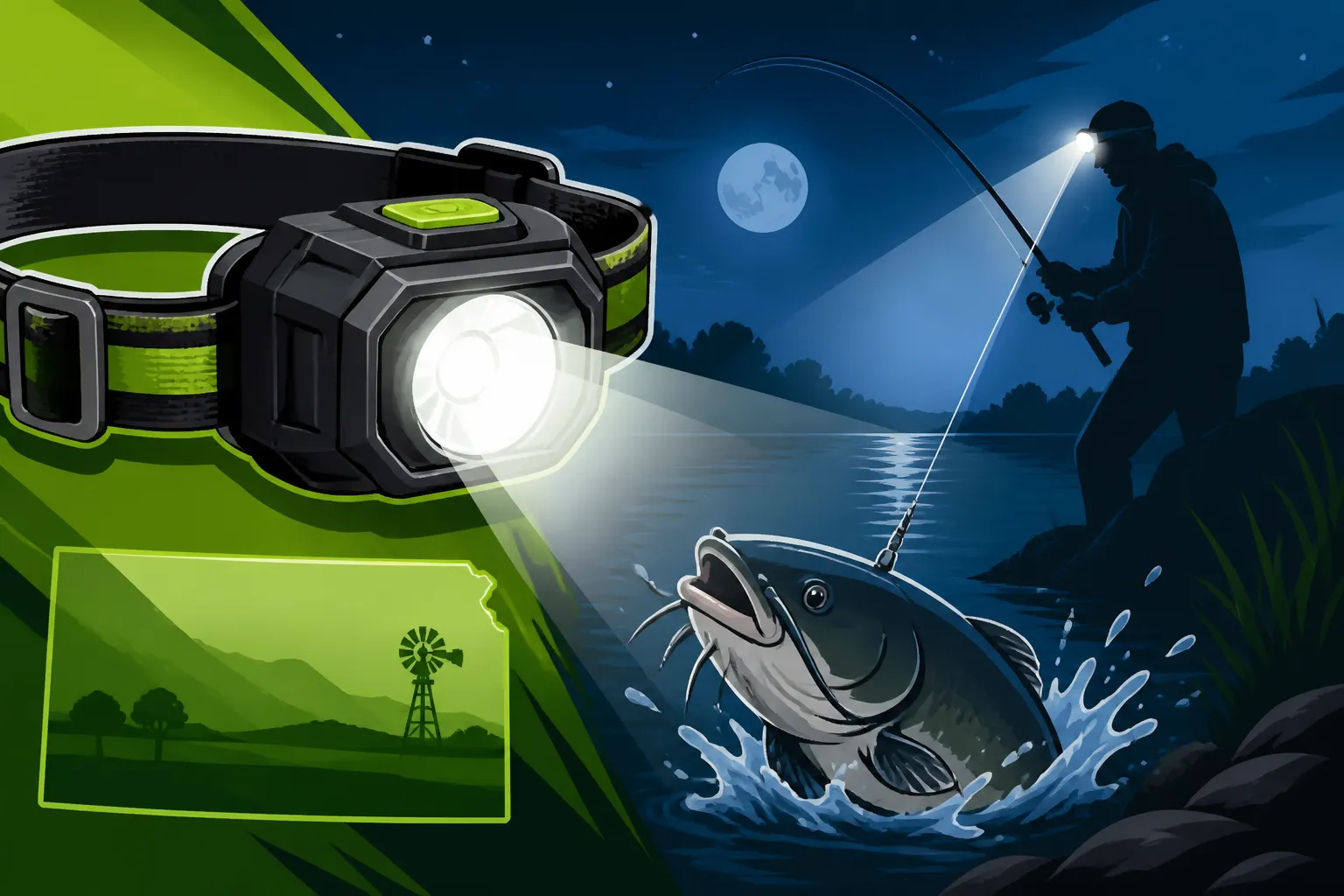
Oh, the joys and frustrations of night catfishing in Kansas! There's nothing quite like the thrill of a big flathead hitting your line under the cover of darkness, but anyone who's fumbled with bait, tied a tricky knot, or tried to land a thrashing channel cat in pitch black knows the struggle. Trying to manage your gear and a lively fish with a phone flashlight in your mouth or awkwardly tucked under your arm is a recipe for disaster and lost tackle. This guide is all about shedding light on that very problem, helping you choose the best headlamp so your next night-fishing trip is productive, safe, and, most importantly, fun.
Why a Reliable Headlamp is Your Best Friend for Night Catfishing in Kansas
Fishing at night for those monster catfish in places like Tuttle Creek Lake or the Kansas River offers a completely different experience than daytime angling. The air cools, the sounds change, and the big cats often become more active. But with the darkness comes a unique set of challenges. A good headlamp isn't just a convenience; it's a vital piece of safety equipment and a tool that significantly boosts your efficiency on the water.
Safety First: Navigating the Darkness
Imagine stumbling over a forgotten cooler, stepping on a hook, or worse, losing your footing on a muddy bank at Clinton Lake. These aren't just minor inconveniences; they can turn a peaceful night out into an emergency. A headlamp keeps your hands free, allowing you to maintain balance, carry gear, and safely navigate uneven terrain, whether you're bank fishing or moving around in a boat. It illuminates your immediate surroundings, helping you spot tripping hazards like roots, rocks, or that tackle box you set down a minute ago. It also makes tasks like finding a dropped pair of pliers or re-rigging a line far less frustrating and much safer, reducing the risk of accidental cuts or punctures.
Enhancing Efficiency: Baiting, Tying, and Landing
Night fishing often involves working with smelly, messy bait, and precise rigging. Trying to thread a nightcrawler onto a hook or tie a snell knot for a big piece of cut bait when you can barely see what you're doing is incredibly inefficient and can lead to weak knots. With a headlamp, you have a direct beam of light exactly where you need it, freeing up both hands for the delicate work. This means quicker bait changes, stronger knots, and less time fumbling and more time with your line in the water. When that big catfish finally bites, the headlamp becomes invaluable for seeing the fish as you bring it to the bank or into the boat, helping you net it effectively without losing your grip or letting it thrash free into the darkness. It’s like having an extra pair of hands, focused entirely on the task at hand. Check out our guide on Kansas Catfish Fishing Techniques for more on how to prepare your rigs.
Respecting the Night: Minimal Light Impact
While a headlamp is essential, using it wisely is key. Constant bright white light can ruin your night vision and disturb other anglers who might be seeking the same quiet solitude or targeting light-shy fish. Many quality headlamps offer a red light mode, which is a total game-changer for night catfishing. Red light doesn't constrict your pupils as much as white light, preserving your natural night vision. This means you can still see the stars, navigate around, and identify bites on your line without feeling blinded every time you switch on the light. It's also less likely to spook fish or irritate fellow anglers, making for a more harmonious experience on the water for everyone. Being courteous with your light source is a big part of the Kansas Night Fishing Guide etiquette.
What to Look for: Essential Features of a Catfishing Headlamp
When you're out there chasing whiskerfish under the Kansas moon, not just any headlamp will do. The right one can make all the difference between a frustrating night and a memorable one. Let's break down the key features that truly matter for night catfishing.
Brightness and Beam Type
The "brightness" of a headlamp is measured in lumens. While it might seem like "more is always better," the truth is you don't always need a blinding floodlight. For general tasks like walking to your spot, setting up gear, or dealing with a fish, 100-300 lumens is often plenty. For longer casts, spotting distant markers, or navigating wider areas, a higher lumen count with a focused spot beam can be useful. However, what's often more important than peak lumens is the adjustability of the brightness. You'll want low settings for close-up work and high settings for scanning. Also, consider the beam type: a flood beam spreads light wide, great for general illumination, while a spot beam offers a concentrated, far-reaching light. Many modern headlamps offer both, or an adjustable focus.
Battery Life and Power Source
Running out of light in the middle of a hot bite is the absolute worst. Pay close attention to the advertised battery life, especially on medium and low settings, as those are the ones you'll use most often. Headlamps typically use either disposable alkaline batteries (like AAAs) or rechargeable lithium-ion batteries. Rechargeable options are often more economical in the long run and more environmentally friendly, but make sure you have a way to charge them, or bring a portable power bank if you're out for extended periods. If you opt for disposable batteries, always carry a spare set! Some headlamps have an external battery pack that sits on the back of your head, which can offer longer run times and better balance for heavier battery loads.
Durability and Water Resistance
Kansas weather can be unpredictable, and fishing is inherently a wet activity. Your headlamp needs to stand up to splashes, rain, and accidental drops. Look for an IPX rating, which indicates water and dust resistance. An IPX4 rating means it can handle splashes from any direction, which is generally good for most fishing scenarios. An IPX7 or IPX8 means it can be submerged for a short period, which offers ultimate peace of mind if it accidentally takes a dip in the lake. Beyond water, consider the overall construction. A robust housing and a comfortable, adjustable strap will ensure it lasts through many seasons of Kansas Summer Fishing Guide adventures and stays put on your head when you're wrestling a big cat.
Red Light Mode: The Stealth Advantage
As mentioned, a dedicated red light mode is a must-have for night catfishing. White light, especially bright white, severely impairs your natural night vision. Switching to red light means you can still see your immediate area and tie knots, but your eyes won't have to constantly re-adjust to the darkness. This makes it easier to spot subtle line movements that might indicate a bite, maintain situational awareness, and be less intrusive to the nocturnal habits of fish or other anglers. It’s particularly effective when you're trying to be discreet and not light up the entire shoreline, especially if you’re fishing for larger, more cautious species like flathead catfish. Learning How to Catch Flathead Catfish at Night definitely benefits from this feature.
Selecting the Right Headlamp for Your Kansas Catfishing Adventures
Navigating the array of headlamp options can feel a bit overwhelming, but by focusing on your specific needs as a Kansas catfish angler, you can zero in on the perfect fit.
Understanding Different Headlamp Categories
Headlamps generally fall into a few categories, each with its strengths. Basic utility headlamps are great for simple tasks, offering decent brightness and battery life at an affordable price. These are perfect if you only fish occasionally at night or just need something for quick bait changes. They might lack advanced features like multiple beam types or high-end water resistance.
Then you have high-performance headlamps, which boast higher lumen outputs, longer battery life, and often include features like red light, adjustable focus, and better water resistance. These are excellent for serious anglers who spend a lot of time on the water after dark. Finally, there are specialized angling headlamps, sometimes designed with specific fishing scenarios in mind, potentially offering features like hands-free motion activation or even UV lights for charging glow lures. For most night catfishing, a high-performance headlamp with a good red light feature will be your sweet spot.
Where to Find Your Ideal Headlamp
Finding the right headlamp is easier than ever. You can often start by browsing popular outdoor and fishing retailers. Where to Buy a Kansas Fishing License might not directly tell you where to buy a headlamp, but stores that sell licenses, bait, and tackle are often excellent places to check.
You'll find a wide selection at major outdoor stores like Bass Pro Shops, where you can physically try on different models, test their features, and get advice from staff who understand the needs of anglers. This is great for assessing comfort and beam patterns firsthand. Alternatively, online retailers like Amazon offer an enormous variety, often with competitive pricing and the benefit of customer reviews that can highlight real-world performance. Just be sure to read those reviews carefully, focusing on comments from other anglers or outdoor enthusiasts.
Balancing Cost and Features
Let's be real, we all have a budget. Headlamps can range from under $20 to well over $100. The key is finding the sweet spot between what you need and what you're willing to spend. A basic headlamp will get the job done for occasional use, but if you're a dedicated night owl, investing a bit more in a model with better durability, longer battery life, and that crucial red light feature will pay dividends in comfort and peace of mind. Think about how often you'll use it and the conditions you typically fish in. Spending a little more on a truly waterproof and robust model might save you from having to replace a cheaper one after a single accidental dunk or heavy downpour.
Here's a quick look at some key headlamp features:
| Feature | Ideal for Catfishing | Considerations |
|---|---|---|
| Brightness (Lumens) | 100-300 for general, 500+ for distance | Adjustable settings are crucial to avoid blinding. |
| Red Light Mode | Absolutely essential | Preserves night vision, less disruptive to fish and anglers. |
| Battery Type | Rechargeable (Li-ion) or readily available AAA/AA | Carry spares if using disposables; consider a power bank. |
| Battery Life | 6+ hours on medium/low settings | Look at specs for different modes, not just max run time. |
| Water Resistance | IPX4 (splashproof) minimum, IPX7+ (submersible) ideal | Protects against rain, splashes, accidental drops in water. |
| Comfort | Adjustable, padded strap, balanced weight | You'll wear it for hours, so comfort is key. |
| Durability | Rugged construction, impact-resistant | Resists bumps, drops, and general wear and tear. |
Practical Tips for Maximizing Your Headlamp's Performance
Having the best headlamp is only half the battle; knowing how to use it effectively is the other. A few smart habits can ensure your headlamp serves you well throughout every night-fishing trip.
Strategic Use for Best Results
The first rule of headlamp use at night: use the minimum amount of light necessary for the task at hand. For most actions like baiting your hook, tying a knot, or unhooking a fish, a low white light setting or, even better, the red light mode is perfectly adequate. Only switch to a brighter white light when you genuinely need to scan the bank, find something you dropped a bit further away, or land a fish in truly challenging conditions. Remember, constant bright white light will not only drain your battery faster but also constantly force your eyes to readjust, making it harder to see subtle bites in the dark. A quick, momentary flash of bright light is often more effective than prolonged illumination. Also, don't forget the importance of proper storage and care for your Best Bank Fishing Gear Setup to keep everything ready for action.
Maintenance and Storage
Just like any other piece of fishing gear, a little care goes a long way. After each outing, especially if your headlamp got wet or sandy, take a moment to wipe it down with a damp cloth. If it's heavily soiled, follow the manufacturer's cleaning instructions. For battery-powered models, it's a good practice to remove the batteries if you're storing the headlamp for an extended period. This prevents corrosion and preserves battery life. Rechargeable models should be charged periodically, even if not used, to maintain battery health. Store your headlamp in a cool, dry place, ideally in a small bag or case to protect the lens from scratches and prevent accidental activation in your tackle box. This care will ensure your headlamp is ready to go whenever the Best Time to Catch Catfish at Night calls.
Courtesy on the Water
Fishing at night can be a solitary experience, but sometimes you'll share the bank or boat with other anglers. Being mindful of your light source is a sign of respect. Avoid shining your headlamp directly into another person's eyes or across their fishing lines. A sudden blast of bright light can temporarily blind them and ruin their night vision, which is incredibly frustrating. If you need to communicate with someone, switch to your red light mode or dim your white light as much as possible, and direct the beam towards the ground or away from their face. Similarly, be aware of how much light you're casting over the water itself. While catfish aren't as light-shy as some other species, excessive illumination can still put them down. A little light etiquette goes a long way in making everyone's night fishing experience more enjoyable. Sometimes, even a gentle Best Lantern for Night Fishing on Kansas Lakes can be too much if not positioned correctly.
Disclaimer
This article is for general informational purposes only and does not constitute professional advice. Laws, prices and regulations vary by location and change over time. Consult a qualified professional for guidance on your specific situation.