Best Hook Size for Crappie Jigs
One of the most common frustrations for crappie anglers, especially here in Kansas, is feeling like you're doing everything right—you're on the right lake, at the right time of year, with the right bait—but the crappie just aren't biting as aggressively as you'd hoped. Often, the culprit isn't your location or your overall technique, but a subtle detail like your hook size. This comprehensive guide will break down everything you need to know about selecting the best hook size for your crappie jigs, helping you minimize missed bites and maximize your catch.
Understanding the Components of a Crappie Jig
Before we dive into specific hook sizes, it’s really helpful to understand what we're actually talking about when we say "crappie jig." It's not just a hook; it's a complete system designed to entice these popular panfish. When you consider hook size, you're implicitly considering how it integrates with the other parts of your jig setup.
The Jig Head: Weight and Hook Integration
The jig head is the weighted component of your crappie jig, and it's intrinsically linked to the hook. Most crappie jigs are molded with the hook already embedded in the lead or tungsten head. This means the hook size is usually predetermined by the manufacturer when you buy a jig head. However, understanding the jig head's weight is crucial because it dictates how deep and fast your jig falls, which in turn influences the optimal hook size for balancing the presentation. A lighter jig head, like a 1/32 or 1/16 ounce, typically comes with a smaller, finer hook, perfect for subtle presentations. On the other hand, a 1/8 or 1/4 ounce jig head will usually feature a sturdier, slightly larger hook to match its increased weight and the potentially larger bait it's designed to carry. The goal is always a natural, enticing descent that crappie can't resist, which is heavily influenced by the balance of weight to hook size.
Soft Plastic Baits and Their Role
The soft plastic bait you thread onto your jig head is arguably the most visual and enticing part of your crappie offering. These plastics come in an incredible array of shapes, sizes, and colors—from tiny 1-inch grubs and tubes to 2-inch minnow imitations and spider-like creatures. The size and profile of your chosen soft plastic bait will directly influence the ideal hook size. If your hook is too small for a larger plastic, it won't penetrate effectively, leading to short strikes or missed fish. Conversely, a hook that's too large for a tiny plastic will overwhelm the bait, making it look unnatural and hindering its action. You want the hook point and barb to clear the plastic easily, allowing for a solid hookset. Think about how the hook lays within the plastic to ensure you’re getting the best possible presentation and hook-up ratio. Many anglers find a good selection of soft plastics at their local Bass Pro Shops or by browsing online at Amazon.
Matching Hook Size to Crappie Size and Conditions
This is where the rubber meets the road, friends. There's no single "best" hook size because crappie fishing is dynamic. What works for tiny slabs in a farm pond in spring might be useless for giant crappie suspended deep in Milford Lake Fishing Guide during winter.
The General Rule: Smaller Hooks for Smaller Crappie
For the most part, crappie have relatively delicate mouths and aren't known for attacking massive baits. This is especially true for smaller crappie, which are often the most abundant. For average-sized crappie, those that might be just over the Kansas Crappie Minimum Length Limit of 10 Inches, you'll typically find yourself reaching for hooks in the #4, #6, or #8 range.
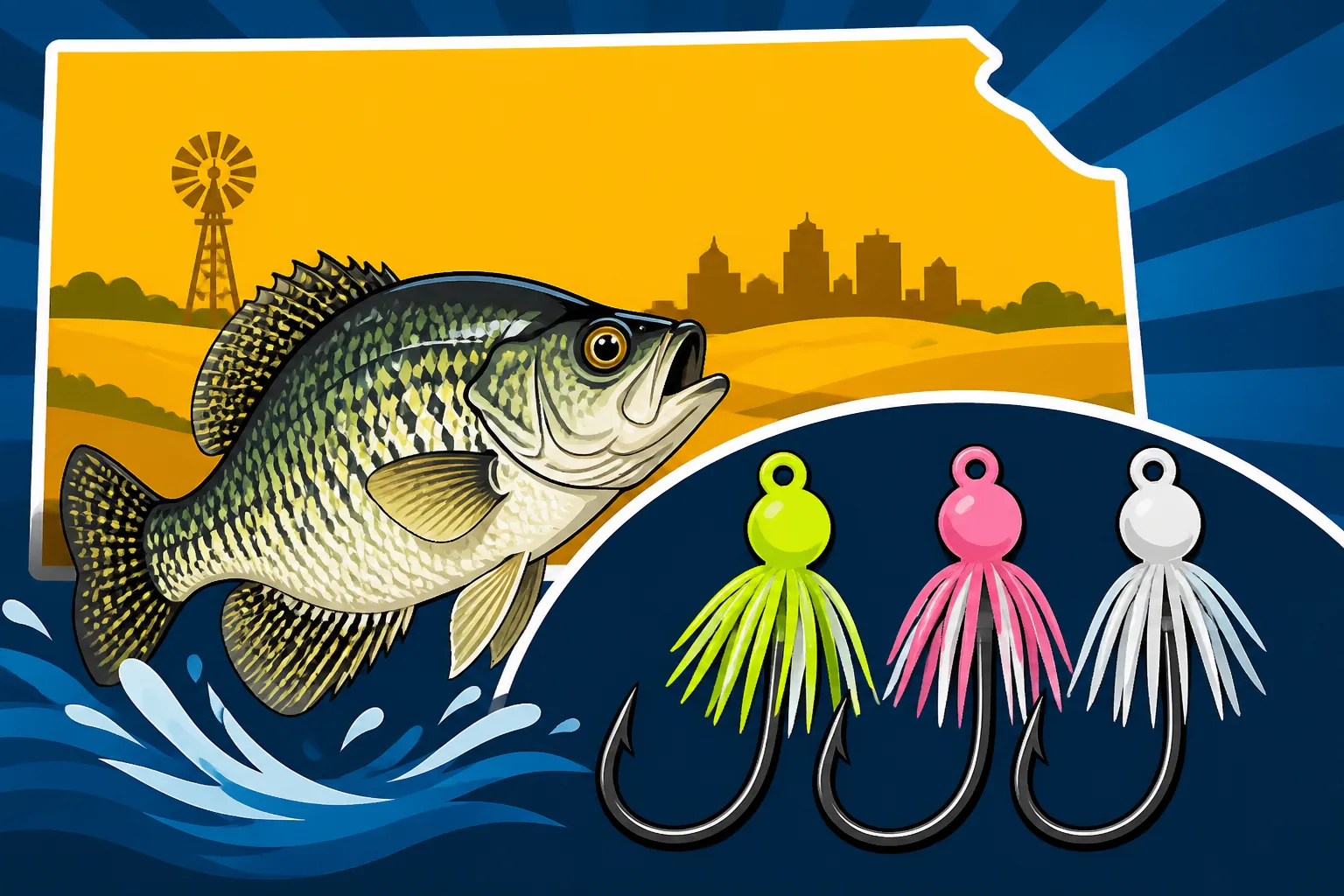
- #8 Hooks: These are tiny hooks, often found on very small jig heads (like 1/64 or 1/32 ounce). They are fantastic for highly pressured crappie, cold water conditions when fish are finicky, or when you're targeting truly small fish. If you're using a 1-inch or 1.5-inch micro grub, a #8 hook is usually the perfect fit to ensure the bait has maximum action and the hook point is exposed. Think about those days when crappie are barely bumping your bait – a #8 hook can make all the difference. This size excels in scenarios where a subtle, almost imperceptible presentation is key.
- #6 Hooks: A #6 hook is a versatile all-rounder for crappie fishing. It pairs beautifully with 1.5-inch to 2-inch soft plastics and jig head weights from 1/32 to 1/16 ounce. This is often the go-to size for many Kansas anglers, offering a good balance between small enough for subtle presentations and large enough for solid hooksets on average crappie. If you're fishing a community lake or a pond and expecting a mix of sizes, the #6 is a very safe bet. It offers a little more bite than a #8 without being overly intrusive.
- #4 Hooks: When the crappie are a bit more aggressive, or you're targeting slightly larger fish, a #4 hook becomes a strong contender. It works well with 2-inch to 2.5-inch soft plastics and jig heads up to 1/8 ounce. This size is particularly effective during the spring spawn when crappie are actively feeding and less timid about a slightly larger profile. If you're vertically jigging over brush piles or around structure where you expect bigger slabs, a #4 hook will provide better holding power without being so large that it deters bites.
Upsizing for Bigger Crappie and Specific Presentations
Sometimes, you're not just looking for numbers; you're hunting for those genuine slab crappie, the kind that make your reel sing. Or perhaps you're using larger bait profiles to attract more attention. This is when you might consider stepping up your hook size.
- #2 Hooks: While not as common for general crappie fishing, a #2 hook can be excellent when you're deliberately targeting trophy crappie or using larger soft plastics, such as 2.5-inch or even 3-inch minnow imitations. These larger hooks are typically found on 1/8 to 1/4 ounce jig heads. The increased hook gap provides better penetration and holding power for bigger fish, especially if they have tougher mouths. If you’re fishing waters known for producing really big crappie, like certain areas of Cheney Reservoir Crappie and Catfish Spots, and you're confident in their aggressiveness, don't shy away from a #2. It's also a good choice if you're fishing in situations where you might encounter an accidental largemouth bass or wiper.
- 1/0 or Larger (Specialty Crappie Hooks): These are less common for jigs, but some specialty crappie hooks, often used for live bait rigs or larger "crappie magnets" style lures, can go up to 1/0 or even larger. These are almost exclusively for targeting truly massive crappie or when you're rigging a larger live minnow where the hook needs to accommodate the bait's body. They offer maximum holding power but sacrifice some of the subtle presentation that smaller hooks provide.
Here’s a quick overview to help you visualize:
| Target Crappie Size | Recommended Hook Size | Typical Jig Head Weight | Recommended Plastic Length | Common Fishing Scenarios |
|---|---|---|---|---|
| Small / Finicky | #8 | 1/64 – 1/32 oz | 1" – 1.5" | Cold water, highly pressured lakes, very clear water, subtle bites, micro baits. Ideal for Kansas Winter Trout Fishing Tips on crappie. |
| Average | #6 | 1/32 – 1/16 oz | 1.5" – 2" | General purpose, mixed sizes, spring/fall active fish, good all-around choice. Great for Kansas Spring Crappie Fishing Tips or How to Find Crappie in the Fall. |
| Larger / Aggressive | #4 | 1/16 – 1/8 oz | 2" – 2.5" | Targeting bigger slabs, active feeding periods (like the spawn), heavier cover, more aggressive presentations, where Kansas Crappie Length and Bag Limits might allow for bigger fish. |
| Trophy / Big Baits | #2 | 1/8 – 1/4 oz | 2.5" – 3" | When only big crappie are expected, using larger profile baits, high confidence in aggressive fish. |
Considerations Beyond Just the Hook Size
Choosing the right hook size for your crappie jigs is more than just picking a number; it's about understanding how that hook interacts with your entire presentation, the environment, and the crappie themselves. Neglecting these other factors can lead to frustrating days on the water.
Water Clarity and Light Conditions
The clarity of the water and the available light can significantly influence how discerning crappie are, and therefore, what hook size might be most effective.
- Clear Water: In very clear water, like you might find in some Kansas reservoirs, crappie can be incredibly spooky and have a much better view of your tackle. Here, a smaller hook, such as a #8 or #6, with a thin wire gauge is usually preferred. The goal is to make your presentation as natural and unobtrusive as possible. A heavy, thick-wired hook on a jig can look unnatural and deter bites in crystal-clear conditions. You want that bait to appear to be swimming freely, not being pulled along by a noticeable piece of metal.
- Stained or Murky Water: When the water is stained or muddy, crappie rely less on sight and more on vibration and scent. In these conditions, you can often get away with a slightly larger hook, like a #4, especially if it allows you to use a larger, more vibrant soft plastic that creates more commotion. The fish won't see the hook as clearly, so the subtle advantage of a tiny hook is diminished. In situations where the water is off-color, the focus shifts to creating a profile and vibration that fish can find, and a slightly bulkier presentation might actually be beneficial.
Crappie Behavior and Aggressiveness
Crappie, like any fish, have their moods. Their level of aggressiveness will dictate how readily they commit to a strike, and this absolutely plays into your hook size decision.
- Finicky or Passive Crappie: During cold fronts, post-spawn slumps, or in heavily fished areas, crappie can become incredibly finicky. They might just "nip" at the tail of your jig or barely inhale it. In these situations, a smaller hook (like a #8) is often superior because it's easier for the crappie to suck into their mouth. A larger hook might get caught outside their mouth during a gentle strike. This is often the case when trying to entice a bite during Kansas Winter Trout Fishing Guide on crappie as well, when metabolic rates are low. Light line and a small, sharp hook are your best friends here.
- Aggressive or Active Crappie: When crappie are on the feed, like during the pre-spawn or during a strong Kansas White Bass Run Timing (where crappie are often active nearby), they'll strike with more conviction. This is when you can confidently use a #6 or even a #4 hook. The larger gap ensures a better hookset, especially if they really inhale the bait. You don't want to lose a good fish because your hook was too small to gain proper purchase. Consider their feeding patterns – if they're smashing baits, you need a hook that can stand up to that.
Jig Wire Gauge and Sharpness
The actual thickness of the hook wire (gauge) and its sharpness are just as important as the size.
- Wire Gauge: Crappie hooks typically come in lighter wire gauges compared to hooks for bass or catfish. A thin wire hook penetrates easily with minimal force, which is ideal for a crappie's soft mouth. However, a very thin wire can straighten out on a larger fish or get bent on heavy cover. It's a trade-off: maximum penetration versus strength. For general crappie fishing, a medium-light wire is usually sufficient. If you're specifically targeting huge slabs and fishing heavy structure, a slightly heavier gauge might be wise.
- Sharpness: This cannot be stressed enough: a dull hook is a missed fish. Always check the sharpness of your hooks, especially those tiny ones on crappie jigs. A sticky-sharp point is crucial for quickly piercing a crappie's delicate mouth. Many quality jig heads come with chemically sharpened hooks, but even these can dull over time from hitting rocks or timber. Carry a small hook sharpener, or simply replace jig heads with dull hooks. You can find excellent quality jig heads and hooks from trusted brands on platforms like Amazon and at specialty fishing shops like Bass Pro Shops. A truly sharp hook will catch the crappie that only barely "bite."
Tips for Rigging and Maximizing Your Crappie Jig Success
Beyond just choosing the right hook size, how you rig and present your crappie jig makes a huge difference. These tips will help ensure that your carefully selected hook size performs its best.
Threading Your Soft Plastic Correctly
Getting your soft plastic bait onto the jig head correctly is a fundamental step that many anglers overlook. A poorly rigged bait will spin unnaturally, inhibit the hook's exposure, and ultimately lead to fewer bites and missed fish.
- Start Straight: Begin by inserting the hook point directly into the center of the soft plastic's head.
- Thread to the Bend: Push the plastic straight up the hook shank until it reaches the bend of the hook. Ensure it's not twisted or bunched.
- Expose the Hook: The hook point and barb should emerge cleanly from the top or back of the soft plastic, depending on the bait's design. There should be ample hook gap exposed to ensure a solid hookset. If your hook point is buried in the plastic, it won't be effective. For tube jigs, push the hook through the top of the tube, so the point comes out cleanly from the body, leaving the tentacles free to undulate.
- Check for Straightness: Hold the jig up and gently wiggle it. The plastic should hang perfectly straight and plumb. If it's crooked, it will cause unnatural spinning in the water, which can deter crappie. Adjust as needed until it's perfectly aligned. This is crucial for maintaining the bait's intended action and making it look like a natural prey item.
Using Appropriate Line and Rod Setup
Your rod, reel, and fishing line act as a direct extension of your hook. They need to be matched to the task of crappie fishing to get the most out of your chosen hook size.
- Light Line is Key: Crappie have excellent eyesight, especially in clear water. Using light monofilament or fluorocarbon line, typically 4-6 pound test, is often critical for getting bites. Lighter line is less visible and allows your jig to have a more natural action. For tiny jigs with #8 hooks, you might even drop down to 2-pound test. The lighter the line, the less resistance in the water, which lets your delicate jig swim freely.
- Sensitive Rods: A light-action or ultra-light spinning rod, around 6 to 7 feet in length, is ideal for crappie jigs. These rods have sensitive tips that allow you to detect the often subtle "thumps" or "taps" of a crappie bite. The backbone of the rod should be flexible enough to absorb sudden lunges without tearing the hook out of the crappie's soft mouth. Think about a rod designed for panfish or finesse fishing; it pairs perfectly with these smaller hooks and lighter presentations. This sensitivity is often the difference between feeling a gentle bite and missing a fish entirely. If you're looking for gear, check out Best Rod and Reel Combo for Crappie.
- Smooth Drags: Crappie have soft mouths, and a heavy-handed hookset or a jerky fight can easily pull the hook free. Ensure your reel's drag is set smoothly and lightly. This allows the fish to pull line when it needs to, preventing the hook from tearing out. When fishing with those smaller #8 and #6 hooks, a forgiving drag is absolutely essential to land more fish.
Understanding the Trade-offs: Small vs. Large
Ultimately, choosing a hook size involves understanding the inherent trade-offs between smaller and larger options.
- Small Hooks (#8, #6):
- Pros: Easier for crappie to inhale, more natural presentation, better for finicky fish, less likely to spook fish in clear water. Can be critical for Kansas Spring Crappie Fishing Tips when crappie are barely mouthing baits.
- Cons: Can be bent or broken by larger fish or snagged cover, require more delicate handling, might not hold as securely on truly aggressive strikes.
- Large Hooks (#4, #2):
- Pros: Better hook-up ratio and holding power on aggressive strikes, better for larger crappie, can accommodate bigger soft plastics, more robust for heavier cover.
- Cons: More likely to spook finicky fish, less natural presentation, can overwhelm smaller baits, harder for crappie to inhale, potentially leading to more short strikes.
The best approach is to start with a versatile size like a #6, and then adjust based on how the crappie are behaving, the water conditions, and the size of the fish you're encountering. Don't be afraid to experiment! Sometimes, simply changing from a #6 to a #8 can turn a slow day into a successful one. Remember, fishing is about adapting to what the fish want on any given day.
Disclaimer
This article is for general informational purposes only and does not constitute professional advice. Laws, prices and regulations vary by location and change over time. Consult a qualified professional for guidance on your specific situation.