Fishing Without a License Penalties in Kansas
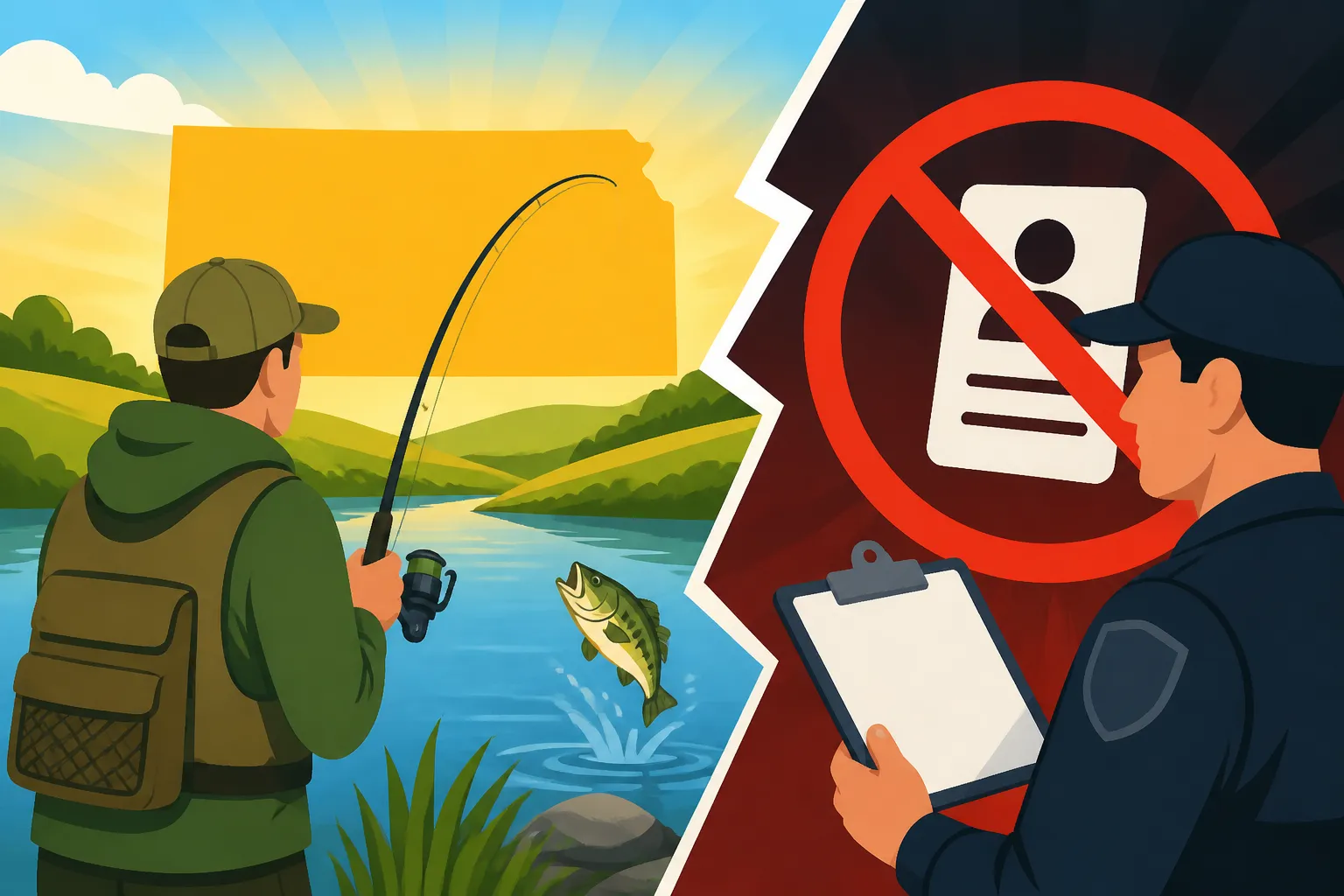
It’s a tale as old as time, or at least as old as organized fishing: you’re out on a beautiful Kansas morning, the sun is shining, the birds are singing, and the fish are biting. You’re having a blast, truly enjoying the peace and quiet that only a day on the water can bring. Then, out of nowhere, you see the unmistakable uniform of a Kansas Department of Wildlife, Parks, and Tourism (KDWPT) game warden. Your heart sinks. Did you remember your license? This guide is here to walk you through exactly what happens if you're caught fishing without a valid license in Kansas, detailing the penalties and how to avoid them.
Understanding the Basics of Kansas Fishing Licenses
Before we dive into the nitty-gritty of penalties, let’s clear the air about what a fishing license actually is and why it's such an important piece of paper (or digital file!) for anglers in the Sunflower State. Many folks, especially those new to fishing or just visiting, often misunderstand the requirements, and that’s a perfect setup for trouble.
Who Needs a License and Who Doesn't?
It might seem straightforward, but the question of who actually needs a license to fish in Kansas can get a little murky. Generally speaking, anyone 16 years of age or older and under 65, whether they're a resident or a nonresident, needs to possess a valid fishing license when fishing in public waters. This isn't just a suggestion; it's a legal requirement designed to help fund conservation efforts and manage fish populations. Without these funds, our beautiful lakes, rivers, and streams wouldn't be nearly as vibrant and well-stocked.
However, there are some important exceptions to this rule. For instance, children under 16 years old are typically exempt from needing a license, which is fantastic news for families looking to introduce their kids to the joys of angling. Additionally, Kansas residents 65 years of age or older can often obtain a special senior license or may even be exempt under certain conditions. It's crucial to understand these nuances. You can find a complete breakdown in our comprehensive guide on Kansas Fishing License Exemptions to ensure you or your fishing companions are always in compliance. Always check the latest KDWPT regulations, as these rules can change.
Types of Licenses Available
Kansas offers a variety of fishing licenses to suit different needs and durations, which is super helpful for both casual anglers and seasoned pros. You've got your standard annual resident and nonresident licenses, which are great for those who plan to fish regularly throughout the year. But what if you're just passing through or only planning a quick weekend trip? The KDWPT has thought of that too!
You can opt for shorter-term options like a one-day or five-day nonresident fishing license, perfect for those quick getaways or for friends visiting from out of state. Residents might also find options like a multi-year license that can save you a bit of hassle over time. And don't forget specialized permits, like the Kansas Trout Permit, which you'll need if you plan to fish in designated trout waters during trout season. Each license type has a specific cost associated with it, which we detail further in our article about Kansas Fishing License Cost by Type. Knowing your options helps ensure you get exactly what you need without overspending or, worse, falling short of the legal requirements.
The Importance of Carrying Your License
Once you've purchased your license, whether it’s a physical card, a printed copy, or a digital version on your phone, the next critical step is to actually have it with you when you're fishing. This might seem like common sense, but you'd be surprised how often anglers forget this seemingly small detail, only to regret it later. A valid license is only valid if you can present it to a KDWPT officer upon request.
Think of your fishing license like your driver's license: you wouldn't drive without it, and you shouldn't fish without your fishing license readily available. Game wardens are tasked with enforcing the rules, and they need to verify that you're legal. Having your license handy makes their job easier and your interaction much smoother. If you don't have it, even if you bought one, it can lead to complications and wasted time, potentially even an initial citation that you'll have to resolve by proving your purchase later. Always make sure it's tucked securely in your wallet, tackle box, or a waterproof pouch.
The Immediate Consequences: Fines and Court Appearances
Alright, let's get to the part no one wants to experience: what actually happens when you're caught fishing without a license. It’s not just a polite reminder; it’s a legal infraction with tangible consequences that can quickly turn a peaceful day into a stressful one.
Standard Fines for Fishing Without a License
In Kansas, fishing without a valid license is generally classified as a misdemeanor. This isn't a minor traffic ticket; it carries a real weight. The fines for this offense can vary depending on the specific circumstances, such as whether it's your first offense, if you were engaged in other illegal activities, or even the discretion of the issuing officer and the local court system. Typically, a first-time offense for fishing without a license can result in a fine ranging from $100 to $300, sometimes even more, plus court costs. This can quickly add up, turning what would have been a $25 annual license into a much more expensive outing.
Beyond the baseline fine, there could be additional penalties if you've also violated other regulations, such as exceeding creel limits, using illegal gear, or fishing in restricted areas. These concurrent violations compound the issue, driving up the total cost significantly. The goal of these fines isn't just punishment; it's a deterrent and a way to reinforce the importance of supporting wildlife conservation through legal means. It's a stark reminder that ignorance of the law is rarely an acceptable defense in the eyes of the KDWPT.
Potential for Court Summons and Added Fees
While some minor infractions might be handled with a simple ticket that you can pay online or by mail, fishing without a license often comes with the added possibility of a mandatory court appearance. This means not only will you be facing the fine, but you'll also have to take time out of your schedule to appear before a judge. Court appearances can be time-consuming, requiring travel and potentially missing work or other commitments.
Furthermore, these court appearances come with their own set of administrative fees and court costs, which can add another substantial amount to your total bill. What starts as a simple oversight can quickly snowball into hundreds of dollars in fines and fees, plus the invaluable cost of your time and peace of mind. For nonresidents, this can be particularly problematic, requiring a trip back to Kansas just to resolve a legal issue. It's a hassle that's easily avoidable by simply purchasing your license beforehand.
The Impact on Your Record
Being cited for fishing without a license, especially if it leads to a conviction, can have a longer-lasting impact than just the immediate financial hit. Since it's often considered a misdemeanor, it can become part of your public record. While not as severe as a felony, a misdemeanor conviction can still show up on background checks, which could potentially affect things like employment opportunities, housing applications, or even professional licenses, depending on the nature of the inquiry.
For repeat offenders, the consequences become even more severe. Subsequent violations can lead to significantly higher fines, more stringent penalties, and a greater likelihood of substantial legal repercussions. KDWPT maintains records of violations, and officers can access this information. This means a second or third offense won't be treated lightly. It’s not just about one day on the water; it’s about maintaining a clean record and respecting the regulations that protect Kansas’s natural resources for everyone.
Beyond the Fines: Additional Penalties and Enforcement
The financial penalties are just one piece of the puzzle. Being caught fishing without a license in Kansas can also lead to other, perhaps even more frustrating, consequences that impact your ability to enjoy the sport in the future. These penalties underscore how seriously the state takes wildlife conservation and adherence to its rules.
Confiscation of Gear and Catch
Imagine this: you've been out all day, successfully reeled in a nice stringer of channel catfish, and then the game warden approaches. If you're found fishing without a license, not only might you face a fine, but officers also have the authority to confiscate your fishing gear and your catch. This can be a real blow. All those hard-earned fish that you planned to bring home for dinner? Gone. Your expensive rod and reel combo that you just bought? Potentially seized as evidence or as part of the penalty.
This isn't a tactic used lightly, but it serves as a powerful deterrent. Losing valuable equipment like a premium Bass Pro Shops rod or a high-end Garmin fish finder, which you might have purchased from retailers like Amazon, can be a significant financial loss on top of the fines. It's a tangible way the KDWPT reinforces that illegal fishing doesn't pay. Even if the gear is eventually returned, it often involves a lengthy process, adding more stress and inconvenience to the situation.
Loss of Future Fishing Privileges
One of the most impactful penalties for repeat offenders or those who commit serious violations while unlicensed is the potential loss of future fishing privileges. This means the state can suspend your ability to obtain a fishing license for a specified period, effectively banning you from legal angling in Kansas waters. This isn't just for a year or two; in severe cases, suspensions can last for several years or even indefinitely.
For passionate anglers, this is perhaps the most devastating consequence. The joy of casting a line, the thrill of a bite, the peace of being on the water – all taken away because of a failure to comply with regulations. This penalty aims to protect the resource and ensure that those who repeatedly disregard the rules are prevented from further impacting fish populations and conservation efforts. It's a clear message that the privilege of fishing comes with responsibilities. For more details on these enforcement actions, our guide on Kansas Fishing Law Enforcement and Penalties offers further insights.
Interactions with Kansas Wildlife and Parks Officers
While game wardens are there to enforce the law, most are also avid outdoorspeople who care deeply about wildlife and enjoy interacting with respectful anglers. However, when an officer encounters someone fishing without a license, the interaction will necessarily be more formal and serious. They are tasked with upholding the regulations, and they have to follow protocol.
These interactions will involve verifying your identity, asking questions about your activities, and explaining the violation. While professional, these encounters are rarely pleasant for either party when a violation has occurred. Responding with honesty and respect, even when you know you've made a mistake, is always the best approach. Arguing or being uncooperative can escalate the situation, potentially leading to additional charges or a more severe outcome. Remember, the officer is just doing their job, which includes ensuring fair play and the sustainability of our state's incredible fishing opportunities.
Avoiding the Penalties: How to Stay Legal and Prepared
The good news is that avoiding all these headaches is incredibly simple: get your license! It's an easy, affordable step that ensures you can enjoy your time on the water without any looming worries. Preparation is key to a stress-free fishing experience.
Easy Ways to Purchase Your License
Gone are the days when you had to drive miles to a specific location during business hours just to buy a piece of paper. The KDWPT has made obtaining a fishing license incredibly convenient. The easiest way for most people is to purchase it online directly through the KDWPT website. It’s a quick process that you can do from your computer or even your smartphone right before you head out to the lake. Many anglers find this the most straightforward method, especially for those last-minute decisions to go fishing.
Alternatively, if you prefer a physical transaction or need to grab some bait anyway, you can purchase a license from numerous authorized vendors across the state. These include many sporting goods stores, bait shops, county clerk offices, and even large retailers like Walmart and Academy Sports + Outdoors. So, whether you're in Wichita, Topeka, or a small town in rural Kansas, chances are there's a vendor nearby. For a comprehensive list of places to buy, check out our article on Where to Buy a Kansas Fishing License.
Understanding License Renewal and Expiry
A common reason people accidentally fish without a license isn't that they didn't buy one at all, but that their previous license expired without them realizing it. Most annual fishing licenses in Kansas are valid for one year from the date of purchase or for a set period, often expiring on December 31st, depending on the type you bought. It’s vital to know when your specific license expires to avoid any unpleasant surprises.
The KDWPT website often has a system where you can look up your license details and see its expiration date. Many online renewal systems also send out reminders, but it’s always best to make a note on your calendar or set a recurring reminder on your phone. Renewing your Kansas fishing license online is usually a quick and painless process, allowing you to stay legal with minimal effort. Don't let a lapse in memory lead to a costly mistake.
Double-Checking Regulations Before You Go
A license isn't the only thing you need to worry about. Fishing regulations in Kansas are comprehensive, covering everything from daily creel limits and length restrictions for specific species to allowed gear and fishing times. These rules are in place to ensure sustainable fish populations and fair angling for everyone. Just because you have a license doesn't mean you're free to catch as many fish as you want or use any method you choose.
Before each trip, especially if you're visiting a new body of water or targeting a different species, take a few minutes to review the current Kansas fishing regulations. The KDWPT website is the authoritative source for this information. You can often find a printable summary of the regulations, or even dedicated apps that provide quick access to the rules. Knowing the rules for species like walleye, crappie, or catfish, including their specific limits, is just as important as having your license. Our in-depth guide to Kansas Fishing Regulations Explained can be an invaluable resource to keep you informed.
Hypothetical Scenarios and Real-World Examples
Sometimes, the best way to understand the gravity of a situation is to look at real-world (or very realistic hypothetical) scenarios. These illustrate how easily one can run afoul of the law and the varying degrees of consequences.
The "I Didn't Know" Excuse
Picture this: John, a resident of Topeka, decides spontaneously one beautiful Saturday to try his hand at fishing at Lake Shawnee, a popular community fishing lake. He hasn't fished in years, and frankly, it just slipped his mind that he needed a license. He figures he's just "dunking a worm" and isn't seriously targeting anything. He catches a couple of nice bluegill, and a game warden approaches. When asked for his license, John genuinely says, "Oh, I didn't even realize I needed one!"
In this scenario, John's ignorance, while possibly sincere, won't typically exempt him from the law. He's 35, well over the age requiring a license. The officer will likely explain the requirement, verify his identity, and issue a citation. John will be facing a fine, and possibly court costs. While it's a first offense, his "I didn't know" defense might earn him a bit of empathy, but not a dismissal of the violation. The responsibility to know and follow the law lies squarely with the individual angler. This is why resources like the Kansas Fishing License Guide are so important.
The "Just Five More Minutes" Risk
Consider Maria, a nonresident angler visiting family in Kansas City. She bought a five-day nonresident fishing license, valid until 5 PM on a Friday. She's having an incredible time catching white bass on the Kansas River, and as the clock ticks past 5 PM, she tells herself, "Just five more minutes, these fish are really biting!" An hour later, a KDWPT patrol boat pulls alongside her. Her license has officially expired.
Even though Maria had a license just an hour ago, at the moment of the encounter, it was expired and thus invalid. She's now fishing without a license. This situation is particularly frustrating because she was compliant but let her enthusiasm override her good judgment. She'll face the same penalties as someone who never bought a license in the first place, including fines and the potential for a court appearance. The officer might be understanding of the proximity to the expiration, but rules are rules. It highlights why understanding your Kansas Nonresident Fishing License Guide is crucial for visitors.
The Consequences for Minors and Nonresidents
The rules around age requirements can sometimes be confusing. For example, Do Kids Need a Fishing License in Kansas? clarifies that generally, those under 16 do not. However, if a 15-year-old is supervising a 10-year-old, and the 15-year-old is doing most of the fishing, the lines can blur. For nonresidents, the rules are often the same as residents, but the costs for a nonresident annual fishing license are typically higher.
Let's imagine a scenario with a nonresident family. A dad from Missouri brings his 17-year-old son to fish Milford Lake. The dad has his nonresident license, but assumes because his son is still in high school, he doesn't need one. However, in Kansas, anyone 16 and older needs a license. The son, being 17, would be cited for fishing without a license. His father might also face scrutiny for allowing or enabling the violation. It emphasizes that everyone, regardless of residence, needs to be aware of the Fishing License Age Requirements in Kansas and ensure proper licensing for all eligible individuals in their fishing party.
Key Offenses and Potential Penalties Summary
To give you a clearer picture, here's a table summarizing some common violations related to fishing licenses and their general penalty ranges in Kansas. Keep in mind these are estimates and actual outcomes can vary based on individual circumstances, court discretion, and whether it's a first or repeat offense.
| Offense | Description | Typical Fine Range (First Offense) | Additional Penalties |
|---|---|---|---|
| Fishing Without a License | Engaging in fishing activities without a valid KDWPT license. | $100 – $300 + Court Costs | Confiscation of gear/catch, court summons, misdemeanor on record, license suspension |
| Failure to Exhibit License | Having a valid license but not being able to present it to an officer upon request. | $50 – $150 + Court Costs | Potential citation, required to prove purchase later. |
| Fishing During Suspension | Fishing while your license privileges are suspended due to prior violations. | $500+ + Court Costs | Extended suspension, felony charges possible, significant fines, jail time. |
| False Information on Application | Providing incorrect personal details to obtain a license. | $200 – $500 + Court Costs | License revocation, fraud charges, significant fines. |
| Aiding an Unlicensed Angler | Actively assisting someone who is fishing illegally (e.g., helping them land fish). | $100 – $300 + Court Costs | Depending on severity, similar penalties as the unlicensed angler. |
Don't Let a Simple Mistake Ruin Your Day
The bottom line is that fishing in Kansas is an incredible privilege, and it comes with the responsibility to respect the rules that protect our natural resources. The penalties for fishing without a license, or for violating other regulations, are real, impactful, and easily avoidable. Take a moment before you head out: buy your license, print it or save it digitally, and review the current regulations.
It’s a small investment for a potentially huge return in peace of mind and enjoyable time on the water. And if you ever find yourself in a bind, remember that resources like the KDWPT website or even your local bait shop can help guide you through the process. A quick check or an online purchase takes minutes, but it saves you hours of hassle, hundreds of dollars in fines, and keeps your fishing future bright. If you lose your license, remember there's a straightforward Fishing License Replacement Process in Kansas. Don't risk it; fish smart and fish legal!
Disclaimer
The information provided in this article is intended for general informational purposes only and does not constitute legal advice. While we strive to keep the information accurate and up-to-date, fishing regulations in Kansas can change. Always consult the official Kansas Department of Wildlife, Parks, and Tourism (KDWPT) website or contact them directly for the most current and authoritative regulations and legal guidance before engaging in any fishing activities.