Ice Fishing Rules on Kansas Lakes
There's nothing quite like the crisp, still air of a winter morning on a frozen Kansas lake, the promise of a big fish lurking beneath the ice. But let's be real, the thought of trying a new fishing method, especially one as unique as ice fishing, can be a little intimidating when you're not entirely sure about all the rules. The last thing any of us want is to bundle up, trek out onto the ice, and then find out we're doing something wrong. This comprehensive guide is here to clear up the confusion and lay out everything you need to know about ice fishing rules on Kansas lakes, so you can focus on the tug on your line instead of worrying about regulations.
The Basics of Ice Fishing in Kansas
Ice fishing offers a serene, often highly productive way to target fish in the colder months, but it comes with its own set of unique considerations, especially regarding safety and foundational regulations. Getting these basics right is crucial for a successful and enjoyable experience.
Understanding Ice Safety Regulations
The number one rule of ice fishing in Kansas isn't about fish limits or bait; it's about staying safe. Unlike solid ground, ice is a dynamic and unpredictable surface, and its thickness can vary dramatically even on the same body of water. The Kansas Department of Wildlife, Parks and Tourism (KDWP) doesn't monitor ice conditions or guarantee safety. It's solely up to you, the angler, to assess the ice before venturing out. As the old adage goes, "No ice is 100% safe," and that's particularly true in Kansas, where freeze-thaw cycles can be common.
Generally, a minimum of four inches of clear, solid ice is recommended for foot travel. If you're considering bringing an ATV or snowmobile, you'll need at least five to seven inches, and a vehicle like a truck or car typically requires eight to twelve inches. However, many experienced Kansas ice anglers strongly discourage driving vehicles onto the ice due to the unpredictable nature of our winters. Always remember that snow can insulate the ice, making it thinner underneath, and currents or spring-fed areas can create weak spots. Always drill test holes as you go, especially when you first step out. Bring a spud bar to test the ice ahead of you. It's better to be overly cautious than to find yourself in a dangerous situation.
Practical safety goes beyond just checking ice thickness. Always fish with a buddy – there's safety in numbers. Carry essential safety gear such as ice picks (worn around your neck for quick access), a throw rope, and a whistle. Make sure your cell phone is fully charged and stored in a waterproof bag. Dressing in layers, including a waterproof outer shell, and wearing a personal flotation device (PFD) can also be life-saving precautions. Even if you're an experienced angler, a quick dip in freezing water can lead to hypothermia rapidly.
Essential Licensing for Ice Anglers
Just because the water's frozen doesn't mean the rules for fishing licenses are on ice, too! If you're planning to drop a line through a hole, you absolutely need a valid Kansas fishing license. This requirement applies to all Kansas residents aged 16 through 74. For non-residents, a fishing license is required regardless of age.
There are various license types available to fit your needs. Kansas residents can opt for an annual license, which is probably the most common choice, or explore options like a five-year license for potential savings. Non-residents also have annual and shorter-term options, such as a one-day or five-day fishing license, which can be perfect for a quick weekend trip. If you're wondering about the specifics, you can find a lot of detail in the Kansas Fishing License Guide. For example, a Kansas Resident Annual Fishing License Costs $25, a reasonable investment for a year of angling adventures.
Purchasing your license is usually a breeze. You can buy them conveniently online through the KDWP website, or in person at various vendors like bait shops, sporting goods stores, and even big-box retailers like Walmart. Nowadays, most wardens are comfortable with you showing your license on your phone, but it's always a good idea to have a screenshot or a printed copy just in case. To get all the details on where to obtain yours, check out our guide on Where to Buy a Kansas Fishing License.
General Ice Fishing Regulations and Gear
Once you've got your safety plan in place and your license in hand, it's time to think about the nitty-gritty of the rules and the gear that'll help you land those frosty catches.
Number of Lines and Gear Restrictions
One of the most common questions I hear about ice fishing is, "How many lines can I use?" In Kansas, the standard rule applies to ice fishing just as it does to open water: you are generally allowed two fishing poles or lines per angler. This means you can have two rods in the water, or perhaps one rod and one tip-up, but the total cannot exceed two. It's important that you are actively attending to these lines, meaning you need to be close enough to monitor them and respond to a bite. You can't just set up lines across a vast expanse of ice and wander off for coffee.
Tip-ups are a popular choice for ice anglers, especially when targeting walleye or larger predatory fish. These devices hold your line, bait, and hook in the water, and when a fish takes the bait, a flag pops up to signal a bite. Each tip-up counts as one of your two allowed lines. So, if you're using a jigging rod to actively fish, you could also set out one tip-up. This setup allows you to cover a bit more water and try different depths or baits simultaneously, maximizing your chances while staying within regulations.
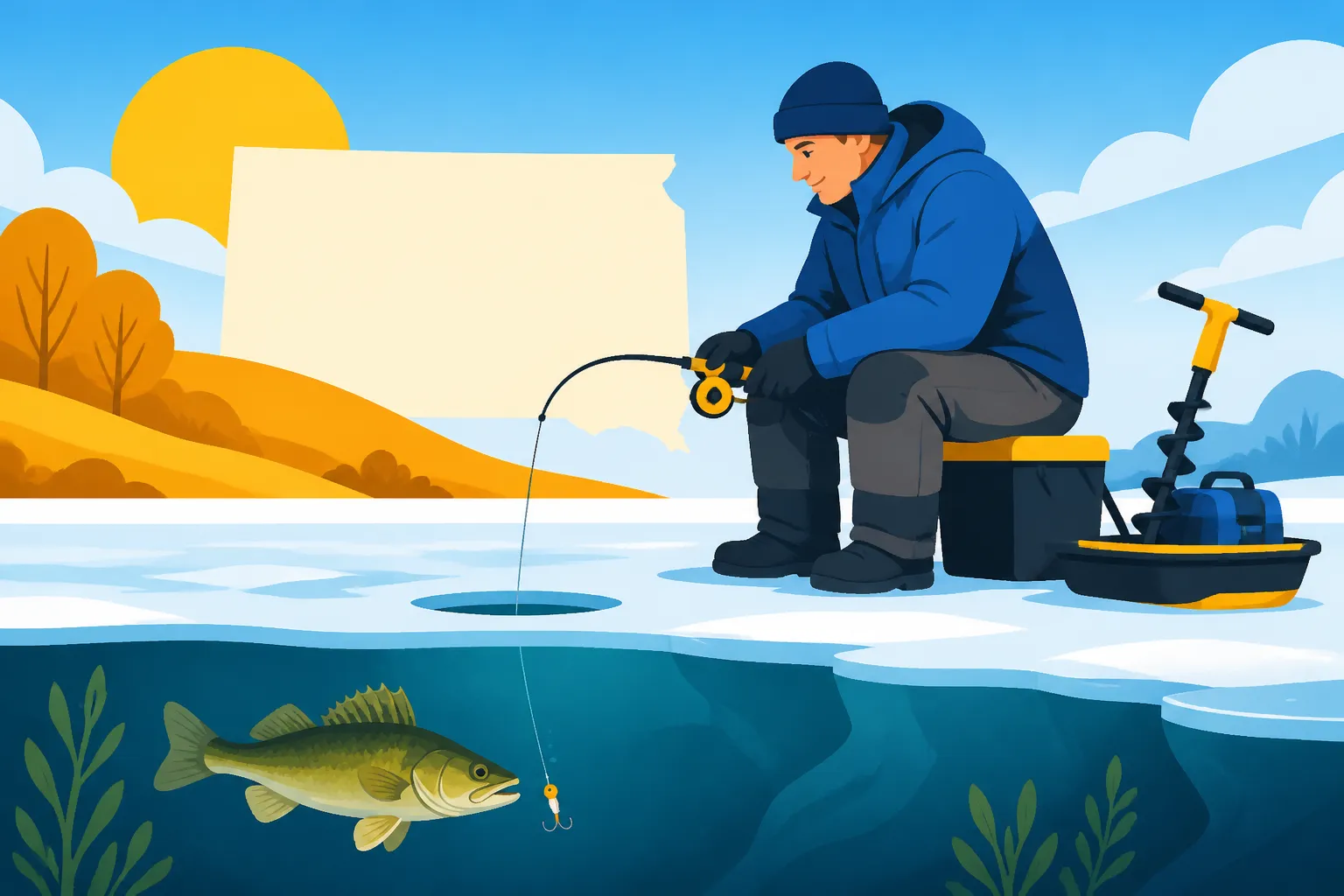
When it comes to gear, ice fishing requires specialized equipment designed for the unique challenges of sub-freezing temperatures and fishing through a small hole. Shorter, more sensitive rods are common, paired with smaller reels. Jigs, spoons, and live bait like minnows or waxworms are standard fare. While many local bait shops carry a good selection of ice fishing tackle, you can also find a vast array of options, often with helpful reviews, by searching on platforms like Amazon. For a deeper dive into what kind of gear you might need, our Kansas Ice Fishing Gear Guide has plenty of recommendations to get you started.
Shelter Rules and Placement
Let's face it, Kansas winters can be brutal, and an ice fishing shelter can make a huge difference in your comfort levels. Portable ice fishing shelters, often called shanties or pop-up shelters, are generally allowed on Kansas lakes. These temporary structures provide a welcome reprieve from the wind and cold, making those long days on the ice much more enjoyable.
However, there are important rules regarding their placement and removal. While temporary shelters are fine, permanent ice fishing shacks are generally prohibited on public waters in Kansas unless explicitly stated otherwise by local lake regulations. More critically, all ice fishing shelters, temporary or otherwise, must be removed from the ice by a specific date. This date is typically March 15th for most state-owned and managed waters, including reservoirs like Milford Lake and Cheney Reservoir. The purpose of this rule is to prevent shelters from becoming frozen into the ice, posing a hazard to boaters and the environment as the ice thaws.
Beyond the removal date, you also have a responsibility to leave no trace. This means packing out all your trash, including discarded fishing line, bait containers, and any food waste. Think of it as a carry-in, carry-out policy. When setting up your shelter, be mindful of others. Don't block public access points, boat ramps (even if they're currently frozen over), or private property access. Showing respect for your fellow anglers by not crowding them or making excessive noise also contributes to a more pleasant experience for everyone.
Species-Specific Rules and Limits Under the Ice
While the general rules cover how you fish, what you catch is just as important. The daily creel and length limits that apply during open water season don't magically disappear when the water freezes.
Crappie, Walleye, and Catfish Considerations
Kansas lakes are home to a variety of fish species that are popular targets for ice anglers, including crappie, walleye, and various catfish species. The good news is that the established daily creel and length limits for these species remain in effect year-round, even when you're fishing through the ice. This consistency helps maintain healthy fish populations for everyone to enjoy.
For crappie, which are a highly sought-after species by ice anglers, many Kansas lakes have a 10-inch minimum length limit and a generous daily bag limit of 50 fish. However, it is imperative to always check the specific regulations for the lake you are fishing, as some individual lakes might have special regulations or different limits to manage their particular fisheries. Our Kansas Crappie Length and Bag Limits guide can offer more specific insights, but always cross-reference with the latest KDWP fishing regulations summary.
Walleye are another prized catch for ice anglers. In many Kansas reservoirs, you'll find a 21-inch minimum length limit and a daily bag limit of two fish for walleye. This regulation is designed to protect the breeding stock and allow fish to reach a larger size, contributing to a robust trophy fishery. Understanding these specifics is key, and our Kansas Walleye Length Limits post goes into more detail. Catfish, including channel, blue, and flathead, are also common targets during the winter. While daily limits for channel and blue catfish are often quite liberal, flathead catfish may have different regulations in some areas. These rules are not arbitrary; they are carefully put in place by KDWP fisheries biologists to ensure sustainable fishing opportunities for generations to come. For a comprehensive overview, refer to the Kansas Fishing Seasons and Limits guide.
Bait Regulations for Ice Fishing
Choosing the right bait can make all the difference, especially when fish activity slows down in cold water. Thankfully, Kansas bait regulations are generally straightforward and allow for a wide range of options suitable for ice fishing. Live bait, particularly minnows, is incredibly effective for attracting predatory fish like walleye and crappie through the ice. Small fathead minnows or shiners are often the go-to choice.
If you're planning to use minnows or other live bait, there are a couple of important points to remember. First, ensure your bait comes from a legal source, such as a licensed bait dealer. Second, and this is crucial for environmental protection, never release unused bait into a different body of water than where it was caught, or at all for that matter. This practice helps prevent the spread of invasive species and diseases that could harm our native fish populations. Always dispose of unused bait responsibly, usually by throwing it in the trash.
Beyond minnows, other popular live baits for ice fishing include waxworms, spikes, and mealworms, which are excellent for panfish like bluegill and crappie. Artificial baits, such as small jigs tipped with plastic, or scented baits like PowerBait, are also perfectly legal and can be very effective, especially for stocked trout. For more specific recommendations on baits that work well in the colder months, check out our Best Bait for Winter Trout article, which includes tips that can apply to other species as well.
Local Lake Rules and Special Considerations
While state-wide regulations provide a baseline, specific bodies of water in Kansas often have their own unique rules that ice anglers need to be aware of. What applies to a massive reservoir might not apply to a smaller community pond.
Community Fishing Lakes vs. Reservoirs
Kansas offers a diverse range of fishing opportunities, from vast reservoirs to smaller, more accessible community fishing lakes. During the ice fishing season, these different types of water bodies can present unique challenges and have slightly varied rules. Large reservoirs like Milford Lake, Wilson Lake, or Cheney Reservoir often offer more consistent and thicker ice later in the season simply due to their size and exposure. However, even on these big waters, ice conditions can vary widely, with currents near dams or inflow areas creating dangerous thin spots.
Community fishing lakes, on the other hand, tend to freeze over more quickly due to their smaller size and shallower depths. This can make them ideal for early-season ice fishing. However, they are also more susceptible to fluctuating ice conditions with slight thaws and freezes. A major difference is that community lakes, many of which are managed intensively by KDWP for angler access and production, might have very specific local rules. These could include stricter vehicle access rules (often no vehicles on the ice at all), specific bag or length limits tailored to that particular lake's fishery, or even limitations on types of bait. Always check the KDWP website or any signage posted at the lake access points before you fish a community lake. Our guide on Kansas Community Fishing Lake Rules provides a general overview, but local conditions always take precedence.
When considering a major destination like Milford Lake Fishing Guide, for example, its sheer size means ice conditions can be wildly different from one cove to another. Always consult local bait shops or online fishing reports for the most up-to-date ice conditions before heading out to any body of water, big or small. If you're looking for prime ice fishing spots, sometimes the smaller, well-managed lakes are your best bet for consistent action and accessible ice. For a broader look at popular destinations, you might consult our guide on the Best Fishing Lakes in Kansas.
Trout Stocking and Permits
One of the big draws for winter anglers in Kansas is the KDWP's seasonal trout stocking program. From roughly November through March, several designated lakes and ponds across the state receive regular stockings of rainbow trout, and occasionally golden rainbow trout. This provides an excellent opportunity for ice anglers to target a species not typically found in Kansas waters during warmer months.
However, fishing for trout during the designated trout season comes with an additional requirement. In addition to your regular Kansas fishing license, anyone aged 16 and older who fishes for, attempts to fish for, or possesses trout must also possess a valid Kansas Trout Permit Guide. This permit is a small additional cost, but it directly supports the stocking program, ensuring these fun fishing opportunities continue each winter. The Kansas Trout Permit Cost and Season is usually quite affordable for the amount of enjoyment it provides.
It's important to be aware that specific rules might apply to these designated trout waters. Some areas might have "artificial lures only" restrictions, or catch-and-release only periods, particularly early in the season or in certain sections. Always check the KDWP trout stocking schedule and associated regulations for the specific lake you plan to visit. Our Kansas Winter Trout Fishing Guide offers a wealth of information on where and how to fish for these cold-water beauties, ensuring you're compliant and ready for a great day on the ice.
Environmental and Ethical Ice Fishing Practices
Beyond the regulations designed for safety and fish management, there are also ethical considerations that every ice angler should embrace to ensure our natural resources remain pristine and accessible for everyone.
Preventing Pollution and Protecting Habitat
One of the most important principles in all outdoor activities, especially fishing, is "leave no trace." This principle is particularly critical in ice fishing, where discarded items can become frozen into the ice, only to emerge as unsightly litter and environmental hazards once the thaw comes. Everything you bring onto the ice – empty bait containers, food wrappers, discarded fishing line, broken gear, cigarette butts – must leave with you. This isn't just a suggestion; it's a vital part of responsible angling and often an enforced regulation.
Discarded fishing line is a major culprit for harming wildlife. Birds, ducks, and other animals can become entangled, leading to injury or death. Plastic containers degrade slowly, leaching chemicals into the water and polluting the ecosystem. Even organic waste, like fish carcasses, should be disposed of properly (usually bagged and put in the trash, not left on the ice or shoreline), as it can attract scavengers and contribute to an unclean environment. Make sure you bring a trash bag or two with you on every trip, and don't rely on public trash cans always being available or emptied regularly, especially at remote access points.
Additionally, be mindful of where you access the ice and how your presence impacts the surrounding habitat. Avoid driving vehicles over sensitive vegetation near the shoreline if you're using an access point not specifically designed for vehicles. Respect the natural beauty of Kansas's frozen landscapes, and strive to leave every spot better than you found it.
Respecting Fellow Anglers and Property
Ice fishing, by its very nature, can often lead to a concentration of anglers in smaller, productive areas. When multiple people are targeting the same hotspot, it becomes even more crucial to practice good etiquette and show respect for your fellow anglers. This means maintaining a reasonable distance from others, avoiding excessively loud noises (like yelling or blaring music), and being mindful of your movements. Most people come to the ice for the peace and quiet, and respecting that shared desire makes the experience better for everyone.
Another critical ethical and legal consideration is respecting private property. Many prime fishing spots, especially along river systems or at certain lake access points, might require crossing private land to reach public waters. Always ensure you have explicit permission from the landowner before stepping foot on private property. Trespassing is illegal and can lead to fines and, more importantly, can jeopardize future access for all anglers. Stick to clearly marked public access points, boat ramps, or areas specifically designated for public entry.
Finally, sharing knowledge and helping out a fellow angler is a wonderful part of the fishing community. If you see someone struggling or observe a potentially unsafe situation, a kind word or offer of assistance can go a long way. While sharing tips about ice conditions or successful techniques is great, always remember that personal safety is paramount, and each angler is ultimately responsible for their own assessment of ice conditions. By being considerate, clean, and respectful, we ensure that Kansas remains a welcoming and enjoyable place for all ice fishing enthusiasts.
Here’s a quick summary of the key ice fishing regulations to keep in mind:
| Regulation Category | Key Rules for Kansas Ice Fishing | Important Notes |
|---|---|---|
| Fishing License | Required for ages 16-74 (residents) & all non-residents. | Trout Permit also needed for trout waters. |
| Number of Lines | Max two fishing poles/lines per angler. | Must be actively attended within reasonable distance. |
| Ice Safety | Angler's responsibility; no KDWP guarantees. | Minimum 4" for foot travel; no ice is 100% safe. |
| Shelters | Temporary shelters allowed; must be removed by March 15 (check local rules). | No permanent structures; pack out all trash. |
| Daily Limits | Standard daily creel and length limits apply to all species. | Check KDWP regulations for specific lakes/species. |
| Bait | Live minnows, worms, artificial baits generally allowed. | Do not release unused bait into different waters. |
Disclaimer
Please remember that fishing regulations can change. While we strive to provide the most accurate and up-to-date information, it is always your responsibility to verify current rules and regulations with the Kansas Department of Wildlife, Parks and Tourism (KDWP) before heading out. Enjoy your time on the ice, and stay safe!