Number of Waterbodies Stocked With Kansas Trout
It's a common misconception among anglers, especially those new to the state, that you have to travel to mountainous regions to enjoy the thrill of trout fishing. Many Kansans might even feel a pang of disappointment thinking their flatland state can't offer such unique cold-water opportunities. But I'm here to tell you, that's simply not true! The Kansas Department of Wildlife and Parks (KDWP) works incredibly hard to bring this exciting fishery right to our doorsteps, and this guide will peel back the layers on just how many fantastic waterbodies are stocked with trout each year, making those winter fishing dreams a tangible reality.
Unpacking the Kansas Winter Trout Program
For many years, folks in Kansas thought trout fishing was a distant dream, something reserved for vacations to Colorado or Arkansas. The idea of catching a vibrant rainbow trout in the heart of the Plains seemed far-fetched, almost mythical. But the KDWP recognized this desire and stepped up to create a truly remarkable program that transforms many of our local ponds and lakes into temporary trout havens during the colder months. It's a fantastic initiative that keeps our angling passions alive even when the warmth of summer seems a distant memory.
Why Trout Fishing Thrives in Unexpected Places
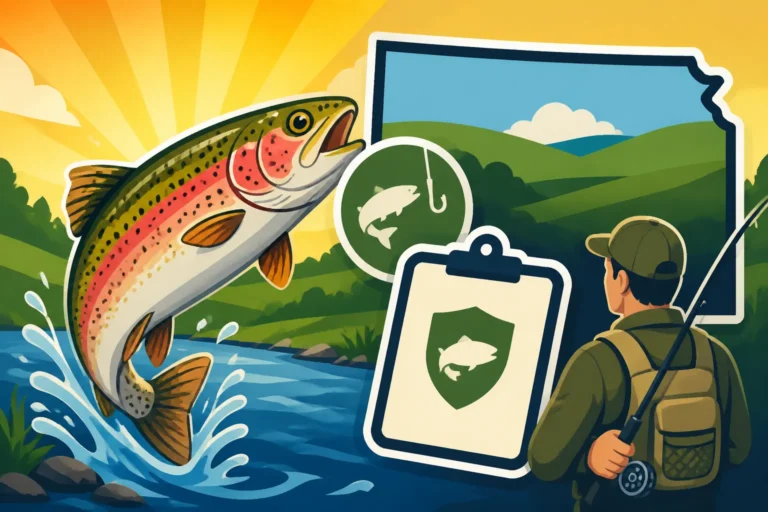
You see, trout, particularly the rainbow trout that are predominantly stocked here, are cold-water fish. They thrive when water temperatures are low, typically below 70 degrees Fahrenheit. Our Kansas summers are just too hot for them to survive year-round in most public waters. This is where the genius of the KDWP's winter trout program comes in. As the autumn chill settles in and water temperatures drop, many of our lakes and ponds become perfectly suitable for these beautiful fish. It’s like Mother Nature gives us a window of opportunity to enjoy a different kind of angling without leaving the state.
The cold water doesn't just make it habitable for trout; it also changes the behavior of other native species, often slowing them down. This creates a unique fishing dynamic where the actively feeding trout become the primary target. It’s a refreshing change of pace from battling summer bass or catfish, offering a chance to use lighter tackle and different techniques. Plus, there’s something incredibly invigorating about being out on a crisp winter day, the air fresh and clear, anticipating that tell-tale tap of a trout on your line. It adds a whole new dimension to the Kansas fishing calendar, turning what might otherwise be a dormant season into an active and exciting one.
The KDWP's Commitment to Diverse Angling Opportunities
The KDWP isn't just about managing game species; it's about fostering a love for the outdoors and providing diverse experiences for all Kansans. The winter trout program is a shining example of this commitment. By bringing a non-native species like trout into our waters for a seasonal fishery, they're catering to anglers who might otherwise have limited options during the colder months, or those who simply crave the unique challenge and beauty of trout fishing.
This isn't just a random act of stocking; it's a carefully planned and executed program. KDWP biologists assess water quality, accessibility, and angler demand to determine which locations will offer the best chance for a successful and enjoyable trout fishery. They understand that for many families, especially those with younger anglers, the chance to catch a trout in a local pond is an unforgettable experience. It opens up a whole new world of fishing, encourages people to get outside, and ensures that our state's angling traditions remain vibrant and inclusive, offering something truly different from chasing the usual bass or catfish.
The Broad Reach: How Many Kansas Waterbodies Get Trout?
One of the questions I hear most often is, "Okay, so trout fishing in Kansas is a thing, but where can I actually go?" And I totally get that! It can feel like finding a needle in a haystack if you don't know where to start. But the good news is, the KDWP casts a pretty wide net when it comes to their stocking efforts, ensuring that trout are accessible across a significant portion of the state. It's not just a handful of remote lakes; it’s a network of community-focused locations.
The "Over 30" Magic Number Explained
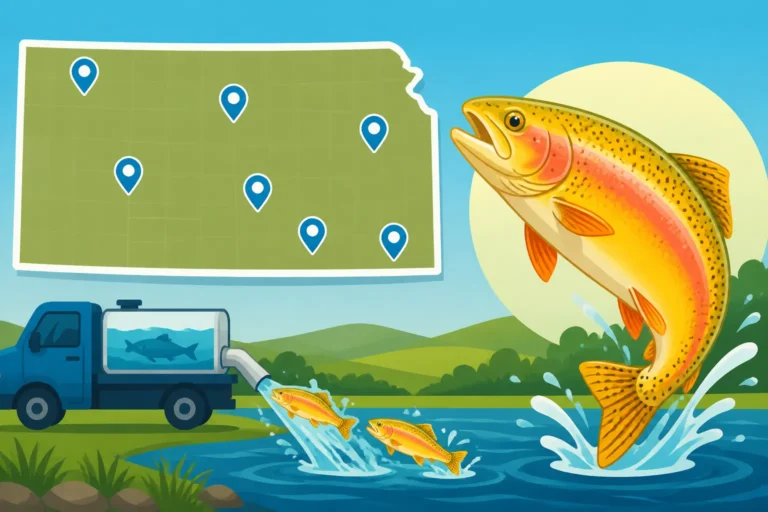
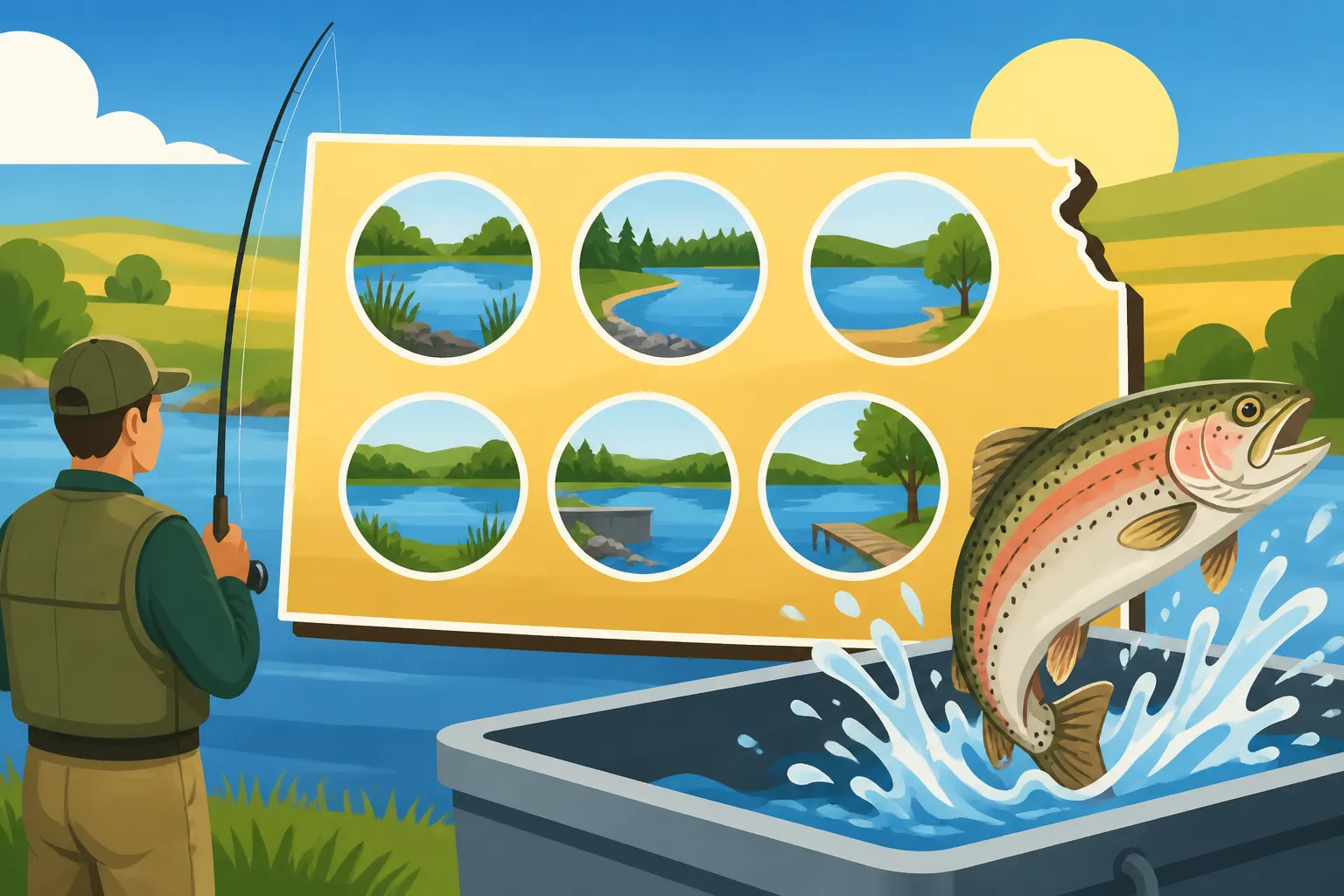
So, let's get down to the nitty-gritty. While the exact number can fluctuate slightly year to year based on weather conditions, water levels, and operational decisions, the Kansas Department of Wildlife and Parks consistently stocks over 30 different public waterbodies with trout during their winter program. This isn't a static list, but it's reliably robust, meaning you're almost certainly within a reasonable drive of a trout-stocked location, no matter where you are in Kansas.
This "over 30" figure is a testament to the KDWP's dedication. It ensures that anglers in various regions, from the metropolitan areas of Kansas City and Wichita to smaller towns and rural communities, have access to this unique cold-weather fishing opportunity. It's a significant undertaking that requires careful planning, logistics, and a good understanding of fish biology and local water conditions. The goal is to spread the joy of trout fishing as widely as possible, providing consistent access throughout the winter season.
From Urban Ponds to State Fishing Lakes: Where to Find Them
The beauty of the Kansas trout program is the sheer variety of locations that receive stockings. It's not just big reservoirs; it’s a mix of smaller, more accessible spots that are perfect for a quick fishing trip after work or a family outing on the weekend.
Here’s a general breakdown of the types of waterbodies you can expect to find on the stocking list:
- Community Lakes & Urban Ponds: These are often the most popular and accessible. Think of places like Lake Henry in Olathe, Central Park Lake in Topeka, or various ponds within the Wichita city limits. They're typically smaller, easy to get to, and often have great bank access, making them perfect for beginners or those with limited time.
- State Fishing Lakes (SFLs): Kansas boasts numerous State Fishing Lakes across its counties, and many of these are prime candidates for winter trout stockings. These lakes are managed specifically for public fishing and often have excellent facilities. Examples might include Mined Land Wildlife Area ponds in Southeast Kansas or SFLs like Shawnee State Fishing Lake.
- Designated Reservoir Areas: While the vast expanse of a major reservoir might seem too big for targeted trout stocking, certain areas, often below dams or within specific protected coves, are sometimes utilized. However, the smaller, more controlled environments of community lakes and SFLs generally make up the bulk of the stocked locations.
The variety means you can tailor your trout fishing experience to your preference. Want to hit a quick spot close to home? Check the community ponds. Looking for a more extended outing with better amenities? A State Fishing Lake might be your best bet. It’s all about convenience and maximizing your time on the water, and knowing that there's a good chance a trout spot isn't too far away is a huge relief.
Here’s a quick overview of the types of waterbodies involved:
| Waterbody Type | Typical Characteristics | Angler Accessibility | Common Examples (Illustrative) |
|---|---|---|---|
| Community/Urban Ponds | Smaller, often in city parks, easy bank access | Very high, often close to population centers | Lake Henry (Olathe), Central Park Lake (Topeka), Wichita City Ponds |
| State Fishing Lakes | Managed specifically for fishing, good facilities, varying sizes | High, often a short drive from towns | Shawnee State Fishing Lake, Mined Land Wildlife Area Ponds |
| Designated Reservoir Spots | Specific areas within larger reservoirs, less frequent | Moderate, may require more travel/navigation | Specific coves or spillway areas on larger lakes |
Understanding the Seasonal Nature of Stocking
It’s crucial to remember that this is a winter trout program. This isn't a year-round fishery in most of these locations. Trout are typically stocked starting in November or December, and the program runs through March, sometimes into early April if conditions remain cool. Once the warmer spring temperatures really kick in, the water becomes too warm for the trout, and they either succumb to the heat or are caught.
This seasonal approach makes every trout outing feel special. It’s a limited-time opportunity, so you really want to make the most of it. Knowing the Kansas Fishing Seasons and Limits for trout is paramount. Don’t expect to catch trout in these same spots in July! That's why keeping an eye on the KDWP's official announcements for the exact stocking dates is so important. This anticipation and the relatively short window add to the excitement of each trip, making those chilly mornings spent casting for rainbows all the more rewarding.
Getting Down to Specifics: Locating Your Next Trout Hotspot
Now that you know the what and why of Kansas trout stocking, let’s talk about the how – how you actually find these places and make sure you’re ready to hit the water. It can be frustrating to plan a trip only to realize you’re missing a crucial piece of information or equipment, so let's make sure you're fully prepared.
The Indispensable KDWP Resources
Your absolute best friend in finding current trout stocking information is the official Kansas Department of Wildlife and Parks website. I can't stress this enough! They maintain an up-to-date list of all the waterbodies included in the winter trout program, along with their specific stocking schedules. They'll often list the dates of past stockings and even estimates for future ones, giving you a real-time pulse on where the fish are. Trying to rely on old information or hearsay is a recipe for a disappointing trip.
Checking the KDWP website or their social media channels before you head out is like checking the weather forecast—it’s just good practice! This way, you can confirm which lakes are currently stocked, preventing a wasted drive. They often categorize the locations by district or region, making it easier to find spots near you. This resource is vital because while "over 30" waterbodies are stocked, the specific list can change slightly each season or even week-to-week depending on fish availability and water conditions.
Essential Permits and Regulations for Trout Anglers
Catching a Kansas trout is exciting, but doing it legally is even more important. Beyond your standard fishing license, anyone aged 16 to 74 needs a specific trout permit to fish for or possess trout in Kansas. This permit is what helps fund the stocking program, ensuring these opportunities continue year after year. It's a small investment for a lot of fun. You can easily purchase your Kansas Trout Permit Guide online through the KDWP website or at licensed vendors.
Make sure you understand the Kansas Fishing Regulations Explained thoroughly, especially those specific to trout. There are often daily creel limits (how many fish you can keep) and sometimes length limits, which vary by waterbody. Ignorance of the law is never an excuse, and trust me, you don't want to get caught without the right permits or over the limit. For families, it’s worth checking Do Kids Need a Fishing License in Kansas? and associated trout permit rules, as youth often have different requirements. Always double-check these details to ensure a smooth, enjoyable, and legal fishing trip. The KDWP site is also the place to go for Kansas Fishing License Online Renewal if yours is expiring.
Equipping Yourself for Kansas Trout Success
While trout fishing can be quite accessible, having the right gear certainly enhances the experience. You don't need fancy, expensive equipment, but a few key items will make a big difference. For bait, think small and natural: salmon eggs, corn, power bait (like Berkley PowerBait Trout Nuggets), or even small worms are often very effective. For lures, tiny inline spinners (like Panther Martin or Mepps), small spoons, or micro jigs under a bobber can be deadly. You can find a fantastic array of these specific baits and lures, often with great reviews from other anglers, on platforms like Amazon, or at your local bait and tackle shop.
A lightweight rod and reel setup (like an ultralight or light action spinning combo) is perfect for trout. It allows for delicate presentations and makes even a modest-sized trout feel like a real fighter. Make sure your line is light, too—2 to 6 lb test monofilament or fluorocarbon is usually ideal. Don't forget a small pair of pliers for hook removal, a stringer or cooler if you plan to keep fish, and warm clothing for those chilly Kansas winter days! Sometimes, even a simple bucket to sit on or a small tackle bag to carry your essentials, found easily on Amazon, can improve your comfort and organization significantly. Remember, the goal is to make the most of your time on the water, and being comfortable and prepared goes a long way. If you need more specific advice, check out Kansas Trout Fishing Bait and Lures for detailed recommendations.
Beyond the Numbers: The Impact of Kansas's Trout Program
It's easy to get caught up in the specifics of numbers and regulations, but the Kansas trout stocking program is about so much more than just putting fish in the water. It’s about creating opportunities, fostering community, and connecting people with the natural world, even in the depths of winter. The ripples of this program extend far beyond the waterbodies themselves.
Creating Unique Winter Angling Experiences
Kansas winters can be a bit… gray, to say the least. The vibrant colors of spring and summer fishing outings can seem a long way off. But the trout program injects a much-needed burst of color and excitement into the colder months. Imagine the thrill of seeing the shimmering sides of a rainbow trout break the surface, a stark contrast to the muted winter landscape. It’s an experience that’s different from anything else Kansas offers seasonally.
These winter trout opportunities also present a unique challenge and learning curve for anglers. Unlike some native species that might be sluggish in cold water, trout are actively feeding, requiring different techniques and a keen eye for subtle bites. It pushes anglers to expand their skill sets, perhaps experimenting with fly fishing in some designated areas, or refining their jigging techniques. This continuous learning and adaptation are what make fishing such a lifelong passion for many of us. And for those looking for diverse locations, while not a trout stream itself, knowing about places like Kansas Trout Stream Locations might inspire exploration for warmer weather.
Nurturing a Love for Fishing Across Generations
Perhaps one of the most heartwarming impacts of the KDWP's winter trout program is its ability to engage new anglers, particularly children and beginners. Trout are often eager biters, and their relatively accessible nature in community ponds means that new anglers have a very high chance of success. There's nothing quite like seeing the pure joy on a child's face as they reel in their first trout. That moment can spark a lifelong love for fishing and the outdoors.
These stocked waterbodies often become community hubs during the trout season. Families gather, friends share tips, and a sense of camaraderie builds around the shared pursuit of these beautiful fish. It’s a wonderful way to spend quality time together, away from screens and distractions, breathing in the fresh air and making lasting memories. The KDWP is truly making a difference by creating these accessible, exciting opportunities that not only diversify our fishing options but also nurture the next generation of Kansas anglers. Getting out to one of the Best Fishing Lakes in Kansas during the trout season can be a fantastic family adventure.
Disclaimer
Please remember that fishing regulations and stocking schedules can change. Always consult the official Kansas Department of Wildlife and Parks (KDWP) website or publications for the most current information before planning your fishing trip. This guide is intended for informational purposes only.