Where Golden Rainbow Trout Are Stocked in Kansas
There’s nothing quite like the thrill of chasing trout, especially when you’re talking about those dazzling Golden Rainbows. Many anglers get excited about their unique beauty and spirited fight, but then find themselves scratching their heads, wondering exactly where these special fish might be hiding in the vast waters of Kansas. If you’ve felt that frustration of wanting to hook into one of these elusive beauties but not knowing where to start, this guide is for you, helping you pinpoint the prime stocking locations and giving you the best chance for a golden catch.
The Allure of Golden Rainbow Trout in Kansas
Kansas might be known for its catfish and bass, but when winter rolls around, a different kind of magic happens. The Kansas Department of Wildlife and Parks (KDWP) brings in thousands of trout, and among them are the truly spectacular Golden Rainbow Trout. These aren't just any fish; they're a special treat that adds an extra layer of excitement to the cold-weather angling scene.
Why Golden Rainbows are Special
Imagine reeling in a fish that shimmers with vibrant yellow and orange hues, almost like a living sunset. That's a Golden Rainbow Trout! Unlike their more common silver-sided cousins, these trout boast a distinct, brilliant golden coloration, often with a subtle red stripe running along their flanks. This unique appearance is a result of a genetic mutation that causes a lack of black pigment, making them stand out dramatically in any angler's catch. Beyond their looks, Golden Rainbows are known for their spirited fight. They're strong, often making powerful runs and acrobatic jumps that challenge even experienced anglers. Catching one isn't just about filling a stringer; it's about the unique experience, the striking photograph, and the memory of battling such a beautiful creature. For many, landing a Golden Rainbow is a true highlight of the winter fishing season.
The Kansas Winter Trout Program Explained
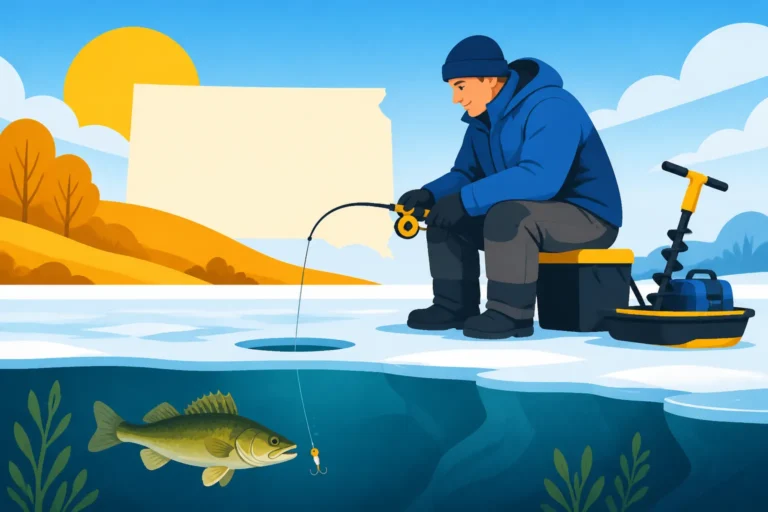
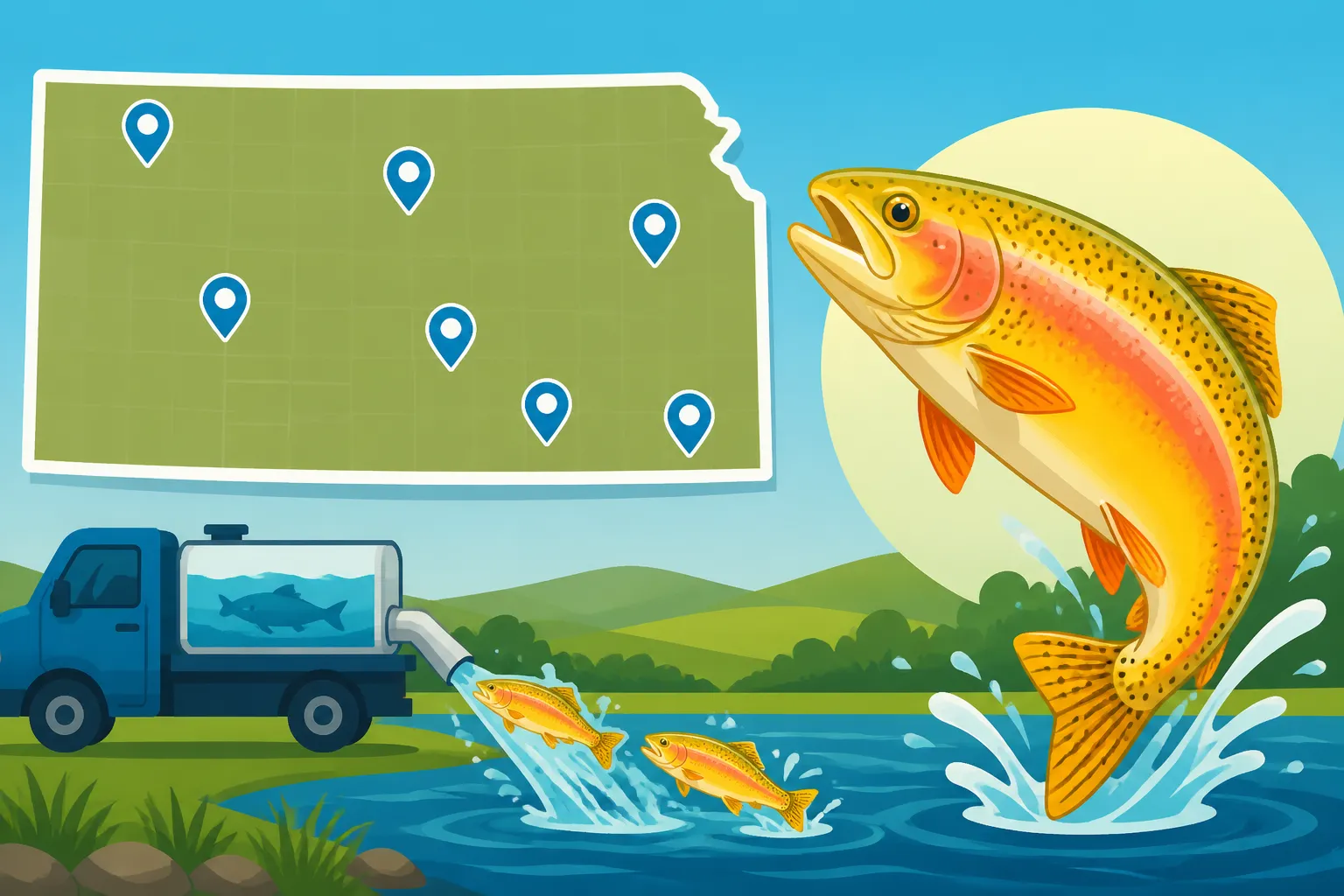
The arrival of cooler temperatures signals the start of the annual Kansas Winter Trout Fishing Guide. From roughly December 1st through March 31st, the KDWP actively stocks various community lakes and urban ponds across the state with thousands of trout. This program is a fantastic opportunity for anglers to extend their fishing season and target a species not typically found in Kansas's warm-water lakes. These stockings typically occur in locations where water temperatures remain cool enough for trout to thrive, often in smaller, managed impoundments. While the bulk of the stockings consists of traditional Rainbow Trout, the KDWP deliberately includes Golden Rainbow Trout in select waters, adding a special incentive for anglers. This ensures that a lucky few get to experience the thrill of catching these shimmering, golden beauties. The program also requires anglers to purchase a separate Kansas Adult Trout Permit Costs $14.50 in addition to their regular fishing license, making it a dedicated effort to support this unique fishery.
Key Locations for Golden Rainbow Trout Stocking in Kansas
Pinpointing exactly where to find Golden Rainbow Trout can feel a bit like a treasure hunt. While KDWP stocks many locations with regular rainbow trout, the Golden Rainbows are usually distributed more sparingly, often to add an extra layer of excitement to certain community fishing lakes and urban ponds.
Annual Stocking Sites and Their Characteristics
The KDWP doesn't stock Golden Rainbow Trout at every single trout stocking location. Instead, they choose a select number of waters each winter to receive a portion of these special fish. These are typically smaller, easily accessible community lakes or urban ponds, making them perfect for a quick fishing trip. The exact sites can vary slightly year to year, but some locations have consistently been part of the program, or frequently receive them.
Here are some examples of places that have historically received, or are frequently candidates for, Golden Rainbow Trout stockings as part of the winter program:
- Shawnee North Pond (Topeka): This popular urban pond is a frequent recipient of trout stockings, including Golden Rainbows. Its accessible shoreline and well-maintained facilities make it a favorite for local anglers.
- Lake Shawnee (Topeka): While larger, specific areas of Lake Shawnee, particularly near the dam or designated fishing zones, are often part of the winter trout program and have seen Golden Rainbows stocked.
- Cedar Bluff State Park (Ogallah): Located in western Kansas, the reservoir's outlet area or smaller ponds within the park can be prime spots for winter trout.
- El Dorado State Park (El Dorado): Similar to Cedar Bluff, specific managed ponds or access points within the large state park can be designated for trout stocking.
- Lake Henry (Lawrence): This community lake is a regular participant in the winter trout program, providing excellent opportunities for local anglers.
- Melvern Lake (Outlet Pond, Melvern): The controlled environment of an outlet pond often makes it an ideal spot for trout, as water temperatures can be more consistent.
- Shawnee Mission Park (Shawnee): A highly popular urban park in the Kansas City metro area, its lake is a go-to for trout stockings, offering convenience for many anglers.
- Watson Park (Wichita): This urban pond in Wichita often sees Golden Rainbow stockings, providing easy access for city residents.
- Lakewood Park Lake (Salina): Another community favorite that regularly participates in the winter trout program, including the occasional golden fish.
When these special fish are released, they often congregate in the cooler, deeper sections of these ponds or near any incoming fresh water. They might initially be a bit disoriented, making them easier to catch right after a stocking. However, as they acclimate, they become more wary. Remember that these smaller bodies of water can also be popular, so expect company, especially on weekends immediately following a stocking event. For details on broader fishing regulations, check out the Kansas Fishing Regulations Explained.
How to Stay Informed About Stocking Schedules
The key to successfully catching a Golden Rainbow Trout is knowing when and where they've been stocked. The KDWP is your absolute best friend in this endeavor.
- KDWP Website: The official KDWP website is the most reliable source for stocking information. They maintain a detailed schedule, often updated weekly, listing specific dates and locations for trout stockings, including notations if Golden Rainbows are part of the delivery. You can often find this under their "Fishing Reports" or "Trout Program" sections.
- KDWP Social Media & Newsletters: Follow KDWP on their social media channels (Facebook, X, etc.) and subscribe to their email newsletters. They frequently announce stocking events and highlights, sometimes even sharing photos of the Golden Rainbows being released.
- Local Bait and Tackle Shops: These local hubs are invaluable resources. Shop owners and staff are often directly in touch with KDWP or hear through the angling grapevine when new fish have arrived. Stopping by a local shop like those often found near popular fishing spots can give you real-time updates and insider tips. You might even find some specialized tackle or bait recommended for the freshly stocked trout.
- Community Forums and Fishing Groups: Online forums and local fishing groups on social media can also provide timely information from fellow anglers who have just witnessed a stocking or had success. Just be sure to cross-reference with official KDWP sources to confirm.
Always check the most current information before you head out, as stocking schedules can change due to weather, fish availability, or other factors. Staying informed is half the battle when targeting these beautiful, special fish.
Essential Tips for Golden Rainbow Trout Anglers
Once you know where to find them, the next step is to prepare for the catch! Golden Rainbow Trout respond well to techniques commonly used for other stocked trout, but a few specific considerations can make all the difference.
Recommended Gear and Tackle
Trout, especially stocked ones, tend to have a more delicate bite than, say, a brute of a catfish. This means light tackle is your best friend.
- Rod and Reel: A light to ultralight spinning rod, typically 5 to 6.5 feet long, paired with a small spinning reel (size 1000 or 2000) spooled with 4-6 pound test monofilament or fluorocarbon line, is ideal. This setup allows for sensitive feel and accurate casting of small baits and lures. You don't need heavy-duty gear to enjoy the fight of a trout.
- Hooks: Small, sharp hooks are crucial. Size 10 or 12 treble hooks are popular for PowerBait, while size 8 or 10 single hooks are good for worms or corn. Consider using "trout hooks" which are often finer wire and barbless, making for easier release if you're practicing catch and release.
- Sinkers and Bobbers: A small split shot or an adjustable slip sinker rig will keep your bait near the bottom. For suspending bait, a small, sensitive bobber (like a slip bobber for adjustable depth) can be incredibly effective, allowing you to present your bait just off the bottom where trout often cruise.
- Bait: This is where the magic often happens.
- PowerBait: Perhaps the most popular bait for stocked trout. Colors like rainbow, chartreuse, or even garlic-scented varieties are deadly. Mold it onto a treble hook, allowing it to float just off the bottom.
- Live Worms: Small pieces of nightcrawler or red worms can be irresistible. Thread them onto a small single hook.
- Corn: Believe it or not, canned corn works surprisingly well. The bright color and sweet smell attract trout.
- Small Lures: Mini-spoons (like Kastmasters or Phoebe spoons), inline spinners (such as Rooster Tails or Mepps), or tiny soft plastic jigs can also entice strikes, especially if the trout are a bit more active. You can find a huge variety of these options, often with good customer reviews, on Amazon if you're looking to stock up before your trip. For more specific bait recommendations, check out our Best Bait for Winter Trout guide.
- Net: A small, fine-mesh landing net is helpful for safely landing and handling these beautiful fish, especially if you plan to release them.
Best Fishing Techniques for Stocked Trout
Catching stocked trout, especially Golden Rainbows, often comes down to presentation and patience. They can be finicky, but sometimes incredibly aggressive.
- Bottom Fishing with PowerBait: This is a tried-and-true method. Use a slip-sinker rig: thread a small egg sinker onto your main line, tie on a swivel, then attach an 18-24 inch leader (4-6 lb test fluorocarbon is nearly invisible in water) to a small treble hook. Mold PowerBait around the hook, making sure it floats. The sinker holds your line down, but the PowerBait floats, presenting it right at the trout's eye level. This is often the most effective method, especially shortly after a stocking.
- Bobber Fishing: For a more active approach, or when trout are cruising higher in the water column, a small bobber can be effective. Set your bobber so your bait (a piece of worm, corn, or small PowerBait nugget) is suspended a foot or two off the bottom, or at a depth where you've seen activity. Cast it out and let it drift naturally. This is an excellent technique if you want to try to actively fish, covering different depths.
- Casting Small Lures: If the fish aren't biting stationary baits, try covering water with small spinners or spoons. Cast them out and retrieve them slowly and steadily. Vary your retrieve speed and add small twitches to mimic injured baitfish. This can trigger an aggressive strike from a trout that might ignore static bait. This is a great way to find active fish and cover a lot of water quickly. For more detailed lure advice, check out Kansas Trout Fishing Bait and Lures.
- Patience and Observation: Trout can be surprisingly shy. If one spot isn't producing, don't be afraid to move a short distance along the bank. Observe other anglers to see what's working for them, and pay attention to any rises or movements on the water surface. The best time to catch these fish can vary, so be ready to experiment. Our guide on How to Catch Rainbow Trout offers even more in-depth strategies.
Maximizing Your Golden Rainbow Trout Experience
Catching a Golden Rainbow is special, but truly enjoying the experience involves understanding the fish and respecting the environment. It's about more than just the fish you take home; it's about the entire outing.
Understanding Trout Behavior in Stocked Waters
When trout are first released into a new environment, they can behave a bit differently than wild trout. Knowing what to expect can greatly improve your success.
- Initial Disorientation: Right after stocking, trout might be a bit disoriented. They haven't had time to acclimate to their new surroundings, find natural cover, or develop their usual feeding patterns. This can sometimes make them easier to catch initially, as they might be less wary. They tend to congregate near the stocking point for a short period before dispersing.
- Schooling Behavior: Stocked trout often remain in schools, especially in open water. If you catch one, there's a good chance there are more in the immediate vicinity. This makes working an area thoroughly, or returning to a productive spot, a smart move.
- Sensitivity to Pressure: These fish can quickly become "educated." If an area receives a lot of angling pressure, they'll become warier of lines, hooks, and loud noises. Using lighter line, smaller baits, and a stealthy approach becomes more important as the season progresses.
- Temperature Preferences: Trout thrive in cold water, ideally between 45-65 degrees Fahrenheit. In Kansas, this means they'll seek out the coolest available water in a pond or lake, often in deeper sections or near any incoming cold water. Understanding Water Temperature Kansas Walleye Prefer can also help in context, though trout have a more specific cold-water requirement.
- Feeding Patterns: Initially, they might strike at anything, but as they settle in, they'll often key in on specific, readily available food sources, whether it's the PowerBait they're used to, small aquatic insects, or even fish pellets if the pond was previously a hatchery setting. Experimenting with different baits can help you dial in their preference.
Respecting Regulations and the Environment
Part of being a good angler is understanding and respecting the rules that protect our fisheries and the places we love to fish. This is especially true for the special Winter Trout Program.
- Know the Rules: Always check the current Kansas Fishing Regulations Explained before you go. This includes specific creel limits (usually 5 trout per day during the season) and any length limits, though stocked trout typically don't have minimum length requirements. Remember, anyone over 15 years old needs a fishing license, and if you plan to keep trout during the designated season, you must also possess a Kansas Trout Permit Guide. There are specific rules for juniors, so check Kansas Youth Fishing License Rules if you're bringing kids along.
- Catch and Release Ethics: While many anglers keep their trout for a delicious meal, practicing responsible catch and release is important if you're not planning to keep your limit, or if you just want to enjoy the thrill of the catch. Handle fish gently with wet hands, avoid touching their gills, and release them quickly. Barbless hooks can make this process much easier.
- Leave No Trace: Kansas's beautiful fishing spots, whether they're Kansas State Park Fishing Permit Rules areas or Kansas Community Fishing Lake Rules, are for everyone to enjoy. Pack out everything you pack in, including fishing line, bait containers, and any other trash. Leaving the area cleaner than you found it ensures these spots remain pristine for future generations of anglers.
- Be Mindful of Others: These stocked trout locations can get busy, especially immediately after a stocking. Be courteous to fellow anglers, maintain a reasonable distance, and share the water responsibly.
By being informed and practicing ethical angling, you contribute to the health of Kansas's fisheries and ensure that the exciting opportunity to catch a Golden Rainbow Trout remains a cherished experience for years to come.
Here's a quick look at some key details for planning your Golden Rainbow Trout adventure:
| Feature | Description |
|---|---|
| Season | Officially, the Kansas Winter Trout Season Runs December 1 to March 31. |
| Primary Goal | Provide cold-weather fishing opportunities, with Golden Rainbows adding a special, visually striking catch. |
| Typical Locations | Smaller community lakes, urban ponds, designated areas in state parks (e.g., Shawnee North Pond, Lake Shawnee, Melvern Outlet Pond, Watson Park, Shawnee Mission Park Lake, Lake Henry, Lakewood Park Lake). |
| Permit Required | Yes, a Kansas Trout Permit is required in addition to a valid fishing license for anyone 16 and older to possess trout. |
| Common Baits | PowerBait (various colors/scents), small live worms, canned corn. |
| Recommended Lures | Small inline spinners (Mepps, Rooster Tail), mini-spoons (Kastmaster, Phoebe), tiny soft plastic jigs. |
| Best Time to Fish | Often best shortly after stocking, but can be good throughout the season if conditions are right. Early morning or late afternoon can be productive. Check the Kansas Trout Stocking Schedule for December for upcoming dates. |
| Daily Creel Limit | Typically 5 trout per day, but always verify current regulations for the specific waterbody you are fishing. |
| Identifying Golden | Distinctive bright yellow to orange coloration, often with a faint red lateral stripe, lacking the typical black spots of a rainbow trout. |
Remember, the KDWP is your ultimate resource for the most up-to-date information on where and when these beautiful fish are stocked. Happy hunting for those golden beauties!
Disclaimer
The information provided in this guide is for general informational purposes only and does not constitute legal advice. Fishing regulations and stocking schedules in Kansas can change. Always consult the official Kansas Department of Wildlife and Parks (KDWP) website or publications for the most current and accurate regulations, licensing requirements, and stocking information before planning your fishing trip. Adherence to all local, state, and federal laws is the responsibility of the angler.