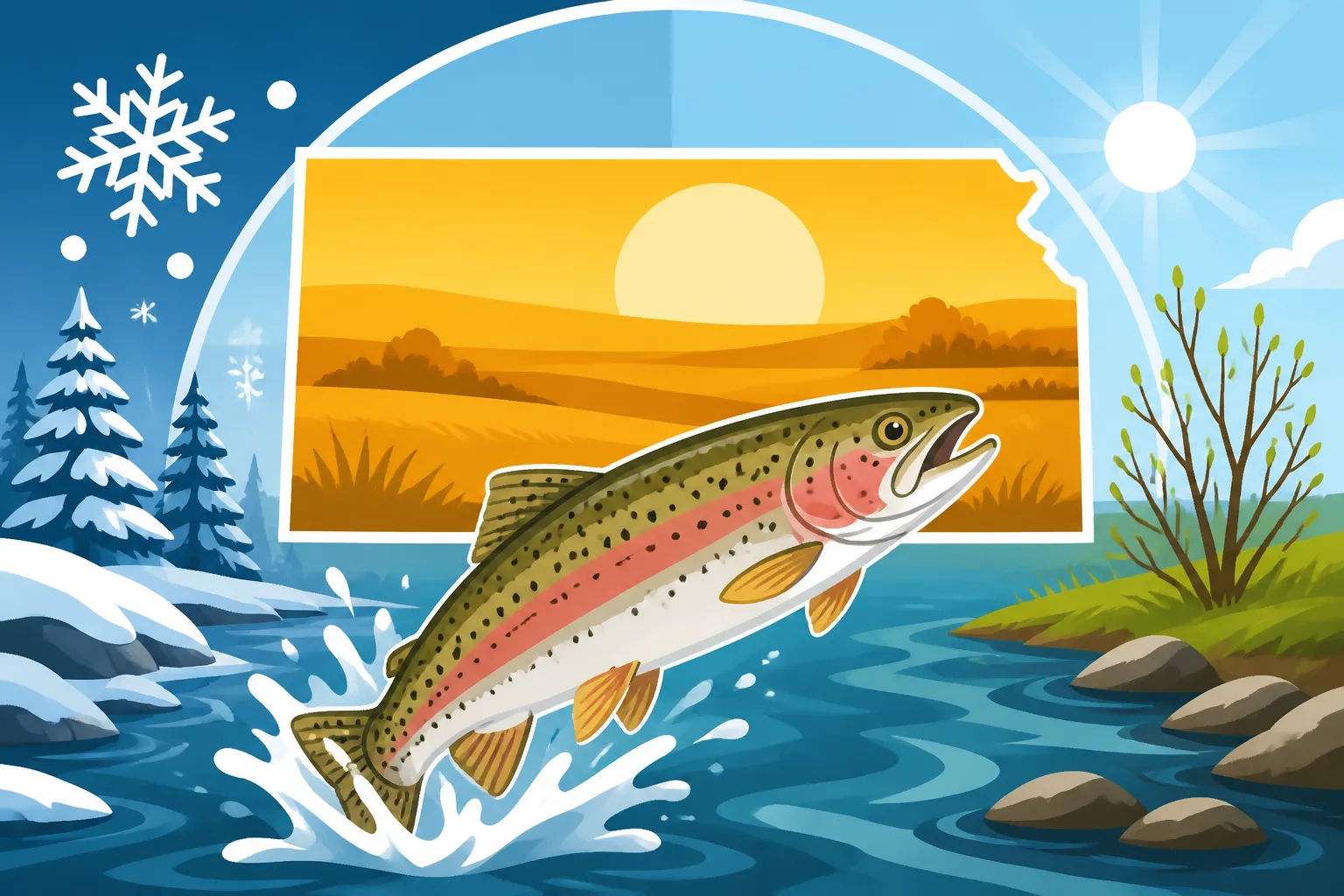
Kansas Trout Season Runs December 1 to March 31
It can be tough when the cooler weather rolls in, and you're starting to think about putting your fishing gear away for the year. But for many anglers in Kansas, the arrival of cold fronts and crisp air signals the exciting start of trout season! Knowing the exact dates for when you can target these beautiful, cold-water fish is crucial for planning your trips, staying legal, and making the most of this unique winter fishing opportunity. This guide will walk you through everything you need to know about the Kansas trout season, from its official start and end dates to what you'll need to participate, ensuring you're ready to hit the water.
Understanding the Kansas Trout Season Dates
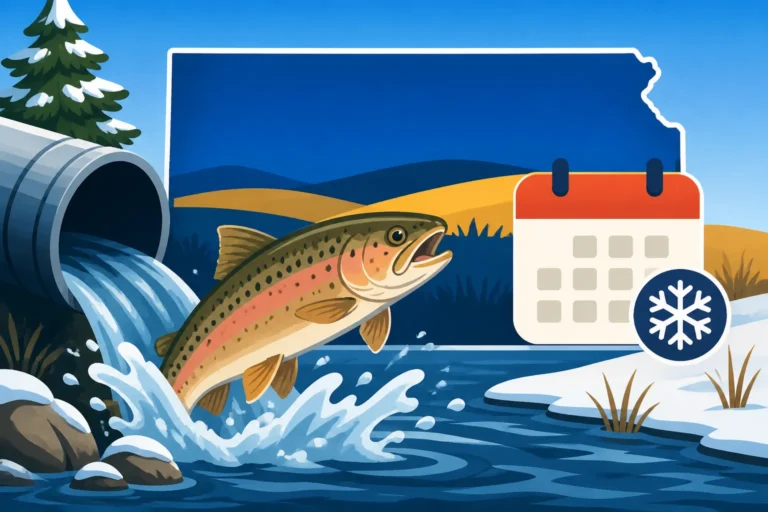
For those eager to chase rainbow trout in the heart of Kansas, the official season is a relatively straightforward affair, running consistently each year. You can mark your calendars with confidence: the Kansas trout season officially kicks off on December 1st and wraps up on March 31st of the following year. This four-month window is specifically designed to align with the colder water temperatures that trout thrive in, allowing the Kansas Department of Wildlife and Parks (KDWP) to stock these non-native species in various locations across the state.
During this period, lakes, ponds, and even some rivers that typically wouldn't sustain trout populations become temporary havens for these spirited fish. The KDWP carefully monitors water temperatures, ensuring conditions are optimal for the trout's survival and for anglers to have a fair shot at catching them. While the dates are fixed, understanding the underlying reasons for this timing helps you appreciate the effort that goes into providing this cold-weather fishing experience. It's a testament to the KDWP's dedication to diversifying fishing opportunities for Kansans, giving us something exciting to do when other warm-water species slow down.
The Nuances of Winter Trout Fishing in Kansas
Fishing for trout during the colder months in Kansas isn't just about showing up with a rod; it's a distinct experience that requires a bit of understanding about trout behavior and local conditions. The waters are often clearer, the air crisper, and the general atmosphere on the water is quieter, offering a serene escape. However, these conditions also present unique challenges and rewards that differ significantly from chasing bass or catfish in the summer.
Adapting to Colder Water Temperatures
Trout, particularly rainbow trout, are cold-water species. This means they are most active and comfortable when water temperatures are in the 40s and 50s Fahrenheit. During the Kansas winter, our stocked waters easily fall into this ideal range. However, their activity levels can fluctuate with extreme cold snaps or sudden thaws. On particularly frigid days, trout might be a bit lethargic, holding tight to deeper pockets or structure. On milder, sunny winter days, especially if there's a slight warming trend, they can become quite active, moving into shallower areas to feed. This requires anglers to pay attention to both air and water temperatures, often adjusting their presentation or fishing depth throughout the day. Remember, patience is a virtue, and sometimes the bite will come in short, intense bursts, rather than a steady pick throughout the day.
Navigating Weather Challenges and Comfort
Kansas winters can be unpredictable. You might have a balmy 50-degree day one week and a bone-chilling 10-degree day with strong winds the next. This variability means being prepared for anything. Dressing in layers is absolutely essential to stay comfortable and safe out on the water. Thermal underwear, fleece, and a good waterproof/windproof outer shell can make all the difference. Beyond clothing, consider hand warmers, a thermos of hot coffee or soup, and even a portable shelter if you plan to spend extended periods on the ice or bank. Staying comfortable means you can focus on fishing, not shivering. You can find excellent cold-weather gear and accessories, like insulated gloves or thermal socks, with a quick search on Amazon, which can significantly improve your experience when fishing in brisk conditions.
Where to Find Stocked Trout in Kansas
The Kansas Department of Wildlife and Parks goes to great lengths to provide accessible trout fishing opportunities across the state. They achieve this by regularly stocking various community lakes, state fishing lakes, and even some specific stream sections with thousands of rainbow trout each season. Knowing where these fish are released is key to a successful trout outing.
Identifying Key Stocking Locations
KDWP maintains a comprehensive list of waters designated for winter trout stocking. These typically include many of the urban and community fishing lakes (CFLs) that are easily accessible to anglers in and around populated areas. For instance, popular spots often include Shawnee Mission Park Lake, Lake Henry, Cedar Bluff State Park, and specific sections of the Severy City Lake. These lakes are chosen not only for their accessibility but also for their ability to maintain the colder water temperatures trout need. The goal is to bring this unique fishing experience close to home for as many Kansans as possible. Before heading out, always check the latest KDWP stocking schedule, as specific dates and locations can vary slightly year to year based on conditions and fish availability. For more information on fishing in these specific areas, be sure to read our guide on Kansas Community Fishing Lake Rules.
Understanding Trout Stocking Schedules
Trout stocking doesn't just happen once at the beginning of the season; it's an ongoing process. KDWP usually performs multiple stockings throughout the December 1st to March 31st period, ensuring a fresh supply of fish and sustained angling opportunities. These stockings are often announced on the KDWP website or through local KDWP office communications. For example, you might find details about the Kansas Trout Stocking Schedule for December or subsequent months. These schedules are invaluable for planning your trips, as fishing tends to be hottest right after a fresh stocking. However, don't shy away from fishing later in the season; these stocked trout adapt quickly to their new environments and can become more challenging, and therefore more rewarding, to catch as the season progresses. Many anglers even find that a few weeks after stocking, the trout are more aggressive and willing to chase different types of lures.
Essential Gear and Permits for Kansas Trout Fishing
Just like with any specialized fishing, targeting trout in Kansas requires not only the right approach but also the proper licenses and gear. Don't let a technicality or a lack of the right equipment dampen your winter fishing fun.
The All-Important Trout Permit
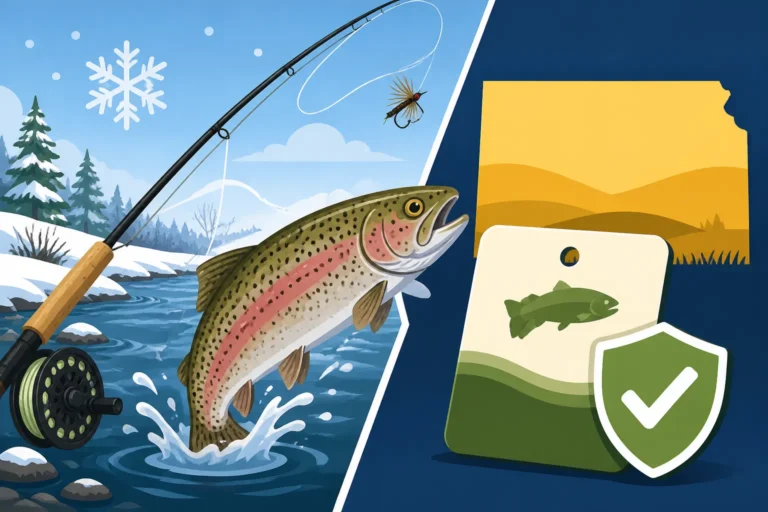
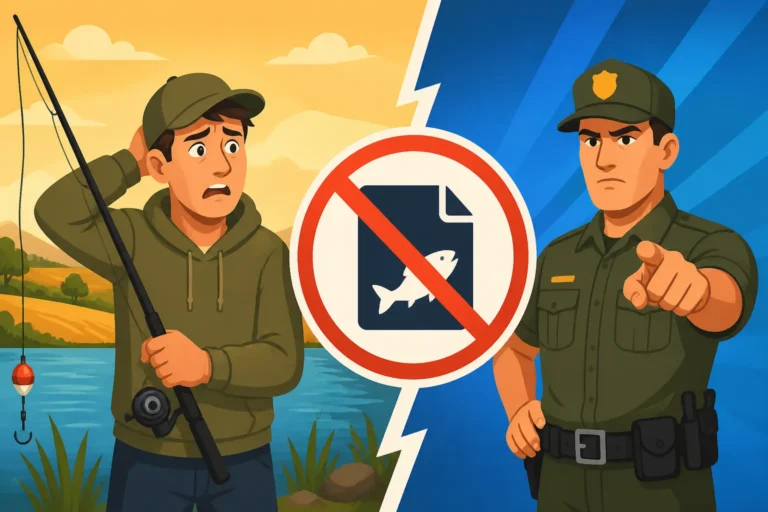
First and foremost, beyond your standard Kansas fishing license – which you'll definitely need, unless you're exempt – you must also possess a valid Kansas Trout Permit Guide. This permit is specifically required for anyone fishing in waters designated as a "trout water" during the official trout season. The permit helps fund the stocking program, ensuring these opportunities continue year after year. It's a small investment for a lot of winter enjoyment. You can easily purchase your trout permit online through the KDWP licensing portal, or from authorized vendors across the state. Kids under a certain age might be exempt from the general fishing license, but generally, the trout permit rules apply to most actively fishing individuals. It’s always best to check the KDWP regulations for specific age requirements, especially regarding Do Kids Need a Fishing License in Kansas?.
| Requirement | Details | Cost (Resident Adult) |
|---|---|---|
| Fishing License | Required for all anglers 16-74 years old. | ~$25 (Annual) |
| Trout Permit | Required to fish designated trout waters during Dec 1 – Mar 31. | ~$14.50 (Annual) |
| State Park Permit | Required for vehicles entering certain state parks (not always needed for fishing access, check rules). | Varies |
| Season Dates | December 1st to March 31st | N/A |
| Creel Limit | 5 trout per day (check specific water rules, some might vary) | N/A |
Recommended Rods, Reels, and Line
For trout, most anglers opt for ultra-light or light-action spinning rods, typically ranging from 5 to 6.5 feet in length. These rods offer the sensitivity needed to detect subtle trout bites and the flexibility to handle lighter lines and baits. Pair this with a small spinning reel (size 1000 or 2000) spooled with 4 to 6-pound monofilament or fluorocarbon line. Monofilament is forgiving and offers good knot strength, while fluorocarbon is nearly invisible underwater and has less stretch, providing better feel. Some anglers prefer a braided line with a fluorocarbon leader for ultimate sensitivity. You can find a wide array of specialized ultralight setups on Amazon, perfect for chasing Kansas trout.
Baits and Lures That Tempt Trout
Trout have a varied diet, and they can be caught on a surprising array of baits and lures. The most common and effective choices include:
- PowerBait & Dough Baits: These scented, moldable baits are incredibly popular and effective. They come in various colors and shapes, mimicking fish eggs or small morsels. Typically fished on a small treble hook or a single hook under a bobber, or on the bottom with a small weight.
- Live Bait: Small worms (like mealworms or wax worms), corn, or even tiny minnows (where legal) can be irresistible to trout. These are often fished under a bobber or on a light Carolina rig.
- Small Spinners: Lures like Panther Martins, Mepps, or Rooster Tails in sizes #0 to #2 are excellent for covering water and triggering aggressive strikes. Their flashing blades and vibrating action are highly attractive. You can easily stock up on a variety of these versatile lures on Amazon before your next trip.
- Tiny Jigs: Micro jigs, typically 1/32 to 1/16 ounce, tipped with a small plastic grub, a piece of PowerBait, or a live worm, can be deadly when trout are finicky. Fishing them under a bobber or slowly retrieving them near the bottom can yield great results. For more detailed insights into what to offer these fish, check out our guide on the Best Bait for Winter Trout.
Remember that presentation is often more important than the specific bait. Trout in stocked waters can be pressured, so subtle, natural presentations are often best. Experiment with different colors, retrieves, and depths until you find what they're hitting on that day.
Disclaimer
The information provided in this guide is for general informational purposes only. While we strive to offer accurate and up-to-date content, fishing regulations, season dates, and stocking schedules in Kansas are subject to change. Always consult the official Kansas Department of Wildlife and Parks (KDWP) website or their current printed regulations summary before planning any fishing trip to ensure compliance with all applicable laws and rules. Fishing conditions, including ice thickness and water levels, can be unpredictable, so always prioritize your safety and exercise caution when on or near the water.