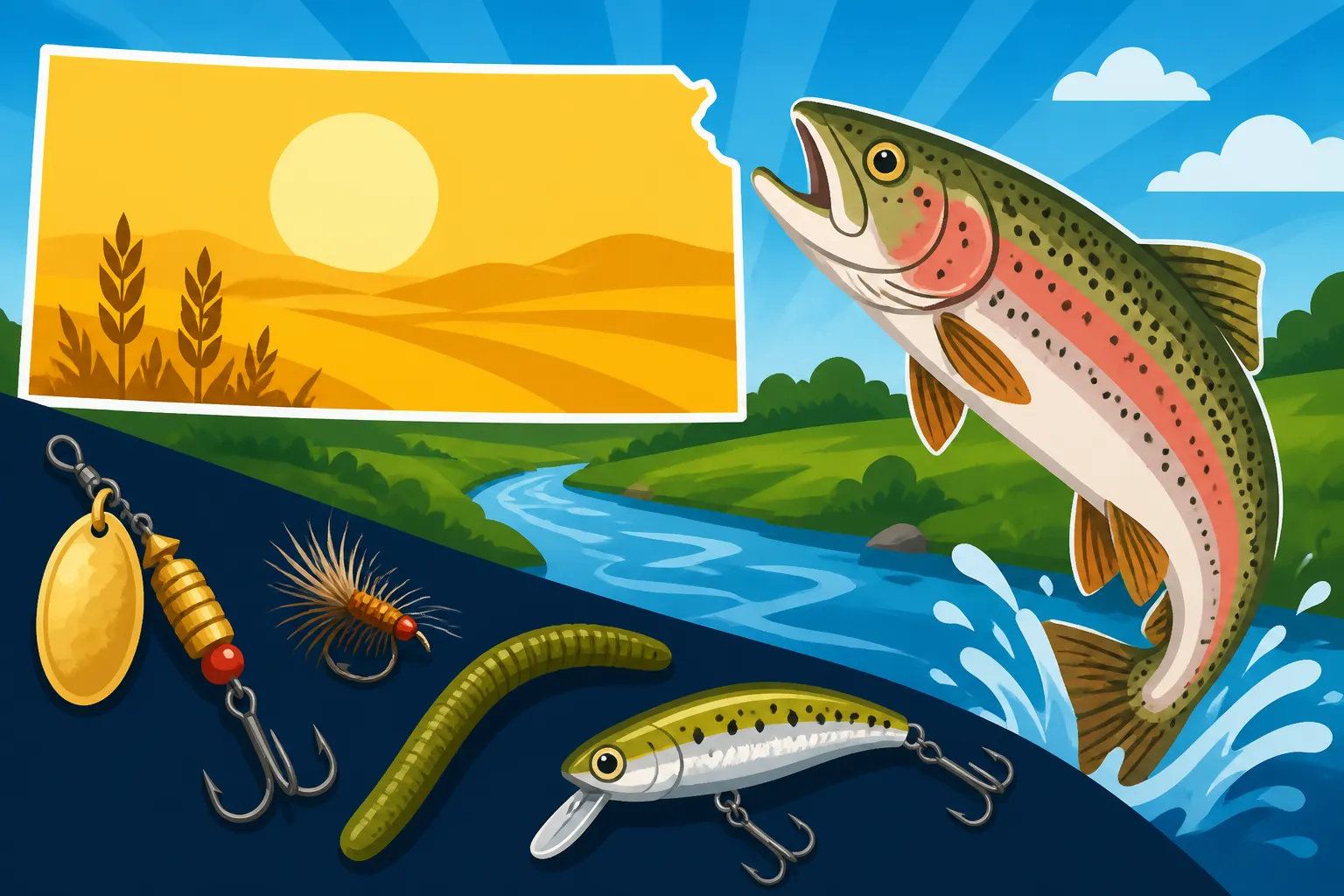
Kansas Trout Fishing Bait and Lures
It’s a tale as old as time for Kansas anglers: you’re out on a crisp winter day, the air is cold, and the promise of a feisty rainbow trout is in the air. Yet, sometimes, despite your best efforts, the fish just aren't biting. It’s incredibly frustrating to see others pulling in fish while your line remains stubbornly still. The truth is, cracking the code for Kansas trout often comes down to understanding the nuances of bait and lure selection and, just as importantly, how you present them. This comprehensive guide is designed to demystify the process, helping you choose and deploy the most effective baits and lures for consistent trout fishing success in the Sunflower State.
Understanding Kansas Trout and Their Feeding Habits
Before we even dive into specific baits and lures, let's talk about the stars of the show: Kansas trout. Unlike some native species, our trout program relies heavily on stocking, primarily rainbow trout, with occasional golden rainbow trout making an appearance. These fish are often raised in hatcheries, which influences their initial feeding preferences, but once released into Kansas waters, they adapt quickly to natural food sources and environmental conditions.
Where Kansas Trout Are Stocked
The Kansas Department of Wildlife and Parks (KDWP) stocks trout in designated waters during the cooler months, typically from November through March. These locations range from urban community lakes like those in Wichita or Topeka, to various state fishing lakes and even a few rivers and streams. Knowing where these fish are released is your first step. For a detailed list and schedule, check out the Kansas Trout Stocking Schedule for December and understand that these fish are often concentrated in specific areas after stocking. They don’t always disperse widely right away, especially in smaller ponds and lakes. If you're wondering about specific areas, our guide on Kansas Trout Stream Locations can point you to some promising spots, though most Kansas trout fishing occurs in stillwater environments.
What Trout Naturally Eat
While hatchery-raised trout are accustomed to commercial pellets, once introduced into lakes and streams, they quickly learn to forage for natural food. Their diet typically includes a variety of aquatic insects like mayfly nymphs, caddisfly larvae, and scuds. They'll also consume terrestrial insects that fall into the water, small crustaceans, leeches, and even tiny baitfish or fry if available. This natural diet gives us clues about what artificial baits and lures might mimic most effectively. The more your offering looks, smells, or moves like their natural food, the better your chances of success.
Key Behaviors Affecting Bait and Lure Choice
Trout, especially those fresh from the hatchery, can be surprisingly bold, but they also quickly become wary, particularly in heavily fished areas. They have excellent eyesight, so line visibility can be a factor, and they are sensitive to vibrations and sudden movements. Water temperature plays a huge role; during the cooler Kansas Trout Season Runs December 1 to March 31, their metabolism slows down, and they may be less willing to chase fast-moving lures. This often means slower presentations and baits that sit in their strike zone for longer periods become more effective. They also tend to school, so if you catch one, there are often more nearby. However, after the initial stocking, they can spread out and seek out structure or deeper, cooler water.
Essential Live and Scented Baits for Kansas Trout
For many anglers targeting trout in Kansas, especially beginners or those fishing community lakes, powerbaits and live baits are often the go-to choices. They capitalize on trout's strong sense of smell and their natural feeding instincts.
PowerBait and Scented Dough Baits
Without a doubt, PowerBait and other scented dough baits are probably the most popular and effective options for Kansas trout. Why? Because these hatchery fish were raised on pellets, and these dough baits are specifically formulated to smell and taste similar, making them incredibly attractive. The bright colors, combined with strong scent dispersion, make them irresistible.
- Types and Colors: You'll find PowerBait in various forms: classic moldable dough, PowerBait Eggs, or PowerNymphs. For colors, consider bright options like chartreuse, florescent orange, yellow, and rainbow. White and natural baitfish colors can also be highly effective, especially in clearer water. Often, having a variety of colors and experimenting is key to finding what the fish prefer on a given day. You'll find an incredible array of PowerBait colors and forms available on Amazon, making it easy to experiment without visiting multiple stores.
- Presentation: The trick with PowerBait dough is to mold it onto a small treble or single hook (size 10-14 is usually good) into a tear-drop or nugget shape. The goal is for the bait to be buoyant enough to float off the bottom, lifting your hook out of the muck and into the trout's line of sight. This is typically achieved by using a small split shot or an egg sinker above a swivel, creating a short leader (12-24 inches) to your hook. This setup, often called a "Carolina rig" or "slip sinker rig," allows the trout to pick up the bait without feeling the weight of the sinker immediately, which can cause them to drop it. For more general advice on trout baits, check out Best Bait for Winter Trout.
Worms and Larvae
While PowerBait often gets all the glory, natural worms and insect larvae are still incredibly effective, especially as trout become more accustomed to their new environment and start keying in on natural food sources.
- Mealworms and Wax Worms: These small, wiggling critters are a trout delicacy. They are easy to keep, relatively inexpensive, and their natural movement and scent can trigger bites when other baits fail. Hook them through one end once or twice, ensuring the hook point is exposed but the worm can still wriggle. They can be fished under a bobber or on a light Carolina rig, just like PowerBait, to keep them floating slightly off the bottom or gently drifting. For those looking to stock up on a variety of mealworms or wax worms, Amazon is a convenient place to find bulk quantities.
- Small Nightcrawlers or Redworms: If you can find smaller worms, or pinch off a section of a nightcrawler, these can also be excellent. Their natural scent and action are hard for a trout to resist. Often, a small piece of worm threaded onto a small hook (size 10-12) under a tiny bobber or fished on the bottom with minimal weight can be deadly.
Salmon Eggs and Corn
These traditional trout baits have a long history of success, largely due to their visual appeal and, in the case of salmon eggs, their natural scent.
- Canned Salmon Eggs: These vibrant, soft eggs are a classic trout bait. They are relatively small, making them perfect for smaller hooks (size 12-16). You can fish them individually or in clusters. The bright orange or red color is highly visible in the water, and their subtle scent is attractive. They are best fished on a light leader, either under a bobber or with minimal weight, allowing them to drift naturally or settle gently.
- Kernel Corn: Believe it or not, plain old kernel corn can be surprisingly effective for trout. Its bright yellow color stands out, and it has a subtle sweetness that sometimes tempts finicky fish. It's often used by European anglers and has found its way into trout fishing in the US. Hook 2-3 kernels onto a small hook and fish it similarly to salmon eggs. While less common, it’s always worth trying if the usual baits aren’t producing.
Top Artificial Lures for Kansas Trout
While bait fishing is highly productive, sometimes the thrill of catching a trout on an artificial lure is unmatched. Lures allow for active fishing, covering more water and enticing strikes through action and flash.
Small Spinners
Spinners are a staple in any trout angler's tackle box, and for good reason. Their rotating blade creates flash and vibration, mimicking a small baitfish or insect, which often triggers an aggressive strike.
- Popular Brands and Sizes: Brands like Mepps (Aglia, Comet), Rooster Tail, and Panther Martin are perennial favorites. For Kansas trout, stick to smaller sizes, typically 00, 0, or 1. These are lightweight and perfect for ultralight spinning gear.
- Colors and Presentation: Silver and gold blades are excellent all-around choices. For murkier water or low light, try brass or even painted blades in chartreuse or orange. The key to spinner fishing is a consistent, slow to medium retrieve. You want the blade to spin just fast enough to create action without twisting your line excessively. Cast near submerged structure, drop-offs, or along weed lines, and retrieve at varying depths until you find where the fish are holding. When it comes to artificial lures, brands like Mepps, Rooster Tail, and Kastmaster are stalwarts, and you can easily browse their extensive selections on Amazon, often with helpful customer reviews.
Spoons
Spoons, with their wobbling, flashing action, are another highly effective lure, especially for active trout looking to chase something substantial.
- Classic Spoon Lures: The Little Cleo, Kastmaster, and Dardevle are iconic spoon lures that have caught countless trout. Their erratic, wobbling action as they fall or are retrieved is incredibly enticing.
- Sizes and Techniques: For Kansas trout, smaller spoons in the 1/16 oz to 1/8 oz range are ideal. Silver, gold, copper, and bright colors like red/white or blue/silver are excellent choices. Spoons can be cast and retrieved steadily, allowing for a slight wobble, or you can impart a jigging action, letting them flutter on the fall. This flutter often triggers strikes as the lure mimics a dying baitfish. They’re particularly effective when fishing deeper water or when trout are suspended.
Micro Jigs and Soft Plastics
When trout are finicky, or when the water is cold and clear, a subtle presentation with a micro jig or soft plastic can be the ticket. These mimic small insects, larvae, or even tiny baitfish with a lifelike movement that's hard to resist.
- Jig Types and Colors: Think tiny jigs, often 1/64 oz to 1/32 oz, with marabou, chenille, or plastic bodies. White, black, olive, and brown are great natural colors, while bright pink or chartreuse can provoke strikes in stained water.
- Soft Plastic Options: Gulp! Alive! baits, like the 1-inch Minnow or Trout Worm, are incredibly popular because they combine the lifelike action of plastic with a powerful scent. Other micro soft plastics, like tiny grubs or worms, also work wonders.
- Presentation: The key here is a slow, methodical retrieve. Cast out and let the jig sink, then use a very slow reel-and-pause retrieve, or tiny twitches of the rod tip to make the jig "dance." Often, the strike will feel like a subtle tap or just added weight on your line. This technique is often discussed in broader guides like Kansas Trout Fishing Techniques for Beginners, emphasizing patience and subtlety.
Effective Rigging and Presentation Strategies
Having the right bait or lure is only half the battle. How you rig and present it makes a world of difference in enticing those wary trout.
Simple Carolina Rigs for Dough Baits
As mentioned earlier, the Carolina rig is a bedrock technique for floating dough baits. It keeps your bait off the bottom, away from debris, and visible to cruising trout.
- Components: You'll need a small egg sinker (1/8 oz to 1/4 oz is common, depending on casting distance), a barrel swivel, and a leader of 12 to 24 inches of fluorocarbon or monofilament line (4-6 lb test). Don't forget small, sharp treble or single hooks (size 10-14).
- Assembly: Thread your main line through the egg sinker, then tie on the barrel swivel. To the other end of the swivel, tie your leader, and then your hook. The leader length is crucial: a longer leader allows the bait to drift more naturally, while a shorter one keeps it closer to the weight for precise placement. Fluorocarbon leader material is excellent because it's nearly invisible underwater, a big advantage with clear-sighted trout.
Ultralight Spinning Setups for Lures
For active lure fishing, an ultralight setup is not just a preference; it's almost a necessity. It allows for delicate presentations, feels even the lightest bites, and makes fighting a feisty trout an absolute blast.
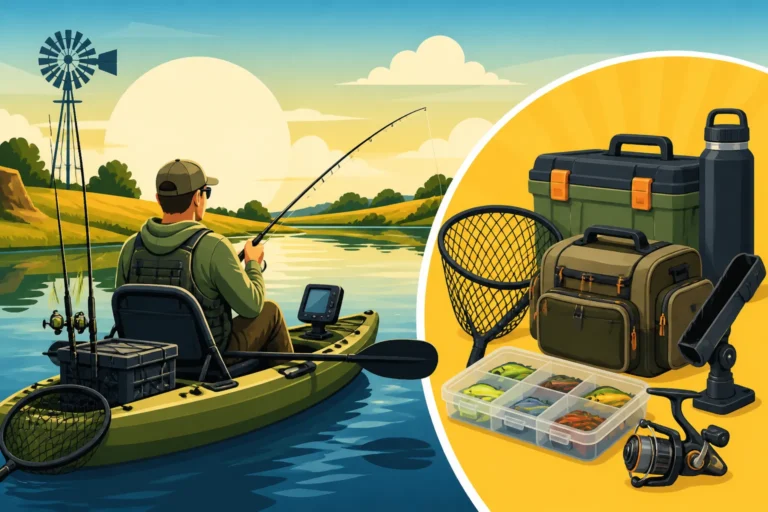
- Rod and Reel: A 5' to 6'6" ultralight spinning rod paired with a small spinning reel (size 500-1000) is perfect. This combination allows for casting small, lightweight lures with accuracy and provides excellent sensitivity. For general gear advice, our Best Rods and Reels for Kansas Fishing guide has some excellent recommendations that translate well to trout.
- Line Choice: Spool your reel with 2-4 lb test monofilament or fluorocarbon line. Braided line can also be used, but it's often best to tie a fluorocarbon leader to the end of it, again for stealth. Don't forget to check Amazon for ultralight fishing line and small, sharp hooks – essential components for successful trout fishing. The lighter line allows your lures to perform optimally and presents a less intimidating profile to the fish.
Reading the Water for Optimal Placement
Trout, like all fish, relate to their environment. Learning to "read the water" is a skill that will dramatically increase your success.
- Structure and Cover: Look for submerged logs, rock piles, weed beds, or changes in bottom contour. These areas provide cover, ambush points, and often hold baitfish or insects. Trout will often sit on the edge of these structures.
- Current and Seams: If fishing a stream or river (less common in Kansas, but possible), identify current breaks, eddies, and seams where faster water meets slower water. Trout will often hold in the calmer water, waiting for food to be swept past them.
- Depth and Temperature: In smaller lakes and ponds, especially after stocking, trout might be found at various depths. They often prefer cooler water. Use a depth finder if you have one, or systematically fish different depths until you locate them. Knowing the Kansas Trout Season Runs December 1 to March 31 is crucial, as cooler water generally means they can be shallower early and late in the day.
Adapting Bait and Lures to Kansas Seasons and Conditions
Kansas weather and water conditions can change rapidly, and successful trout anglers adapt their tactics accordingly. What works on a calm, sunny day might fail miserably during a cold front or after heavy rain.
Cold Water Considerations in Winter
Given that Kansas trout are a winter fishery, understanding their behavior in cold water is paramount. Their metabolism slows down significantly, meaning they aren't as active or aggressive.
- Slower Retrieves: When water temperatures drop, trout are less likely to chase fast-moving lures. Slow down your retrieves dramatically. Think subtle twitches, long pauses, and presentations that allow the bait or lure to sit in the strike zone for an extended period. This is especially true if you are trying to How to Catch Rainbow Trout in the depths of winter.
- Smaller Baits and Lures: Often, downsizing your offering can make a big difference. A smaller jig, a single salmon egg, or a tiny spinner might be more appealing than a larger, more energetic presentation.
- Scent Importance: In cold water, trout rely more on their sense of smell. Scented baits like PowerBait become even more crucial, and adding scent attractants to your artificial lures can be a game-changer. Our guide on Kansas Winter Trout Fishing Tips delves deeper into these cold-weather nuances.
Clear Water Versus Murky Water
The clarity of the water directly impacts a trout's ability to see your bait or lure, and thus influences your choices.
- Clear Water Strategies: In clear water, trout have excellent visibility, making line stealth and natural presentations critical. Opt for fluorocarbon leaders, smaller hooks, and natural-looking baits (like natural-colored PowerBait, worms, or subtle jigs). Bright, flashy lures can still work, but a more subdued approach is often better. The trout will have plenty of time to inspect your offering.
- Murky Water Strategies: When the water is stained or murky, visibility is low. This is where scent becomes paramount, and bright, highly visible colors can make a huge difference. Think chartreuse, orange, or even glow-in-the-dark PowerBait. Lures that create more vibration and flash, like larger-bladed spinners or spoons, can help trout locate them in low-visibility conditions.
Current Versus Stillwater Tactics
Most Kansas trout fishing happens in stillwater environments like ponds and lakes, but occasionally, streams or river tailwaters are stocked.
- Stillwater Techniques: In lakes and ponds, trout might be cruising or holding near structure. Spread out your casts to cover different areas, and experiment with depths. Dead-sticking PowerBait or a worm under a bobber is highly effective, as is slowly retrieving jigs and spinners.
- Current Techniques (If Applicable): If you're lucky enough to fish a Kansas trout stream, understanding current is key. Cast upstream and let your bait or lure drift naturally with the current, retrieving just fast enough to keep slack out of your line. This technique, known as "drift fishing," is highly effective for presenting baits naturally. For specialized methods, you might even consider Fly Fishing Techniques for Kansas Trout if conditions allow.
Advanced Tips and Troubleshooting for Kansas Trout
Even with the best baits and lures, trout can sometimes be incredibly challenging. Here are some advanced tips and troubleshooting strategies to keep in your back pocket.
When Trout Are Finicky
We've all been there: the fish are there, you see them, but they just won't bite. This is when you need to become a detective.
- Downsizing Everything: If you're using a 1/8 oz spinner, try a 1/16 oz. If you have a size 10 hook, go to a 12 or 14. Even dropping down to 2 lb test line can make a difference. Sometimes, the smallest change can trigger a strike from a wary fish.
- Changing Colors and Scents: Don't be afraid to switch up your PowerBait color every 15-20 minutes if you're not getting bites. The same goes for lures. Sometimes a slight change from silver to gold, or from green to pink, can be the magic bullet. Adding scent attractants (gel, spray, or paste) to your lures can also be a game changer, offering an extra appeal. Many anglers also swear by scent attractants from brands like Pro-Cure, which are readily available on Amazon to give your lures an extra edge.
- Varying Retrieve Speed and Depth: Experiment with how fast or slow you're retrieving your lure. Try a stop-and-go retrieve, or a steady slow roll. Also, systematically fish different depths. Start near the bottom, then mid-water, then near the surface, until you find their preferred zone.
Avoiding Common Mistakes
Even experienced anglers fall into common traps that can hinder trout success.
- Too Heavy Line: As mentioned, trout have excellent eyesight. Using line that's too heavy (e.g., 8 lb test) can be very visible to them, making them shy away. Stick to 2-6 lb test, with fluorocarbon leaders being a major advantage.
- Wrong Hook Size: Match your hook size to your bait. A tiny salmon egg on a huge hook looks unnatural. Conversely, a large worm on a tiny hook won't present well or hook fish effectively.
- Spooking Fish: Trout are easily spooked by sudden movements, loud noises, or shadows overhead. Approach the water quietly, keep a low profile, and avoid stomping around on the bank. If you're fishing a popular community lake, consider getting your Kansas Trout Permit Guide well in advance and arriving early to get a prime, undisturbed spot.
Utilizing Scent Enhancers
Adding scent to your artificial lures is a fantastic way to bridge the gap between "hard" lures and natural baits, especially in colder water where trout are less active.
- Types of Scent: You can find liquid, gel, or paste scents in various flavors like garlic, anise, or specific baitfish profiles. Brands like Pro-Cure, Smelly Jelly, or Berkley Gulp! Alive! series offer a wide range.
- Application: Apply a generous amount of scent directly to your spinners, spoons, or soft plastics. Reapply frequently, especially after catching a fish or after several casts, as the scent will wash off over time. The added scent can encourage a trout to hold onto a lure for just a second longer, giving you more time to set the hook.
Bait and Lure Comparison for Kansas Trout
Here’s a quick overview to help you decide which bait or lure might be best for your next Kansas trout fishing trip:
| Bait/Lure Type | Best For | Pros | Cons |
|---|---|---|---|
| PowerBait Dough | Stillwater, stocked trout, beginners | Strong hatchery scent, buoyant, various colors, easy to use | Can be messy, fish swallow deeply, less active presentation |
| Mealworms/Wax Worms | Finicky fish, natural presentation, all waters | Natural scent & action, easy to store, versatile | Smaller bites, may require constant re-baiting |
| Salmon Eggs/Corn | Clear water, slow bites, traditional approach | Highly visible, subtle appeal, good for small hooks | Can be easily stolen, less scent than PowerBait |
| Small Spinners | Active fish, covering water, aggressive bites | Flash & vibration, wide range of colors/sizes, fun to fish | Less effective for finicky or deep-water fish, can twist line |
| Small Spoons | Deeper water, moderate current, casting distance | Erratic wobble, good flash, can jig or retrieve | Can snag easily in heavy cover, less subtle than jigs |
| Micro Jigs/Soft Plastics | Finicky fish, clear water, subtle presentation | Natural action, versatile for different retrieves, sensitive bites | Requires finesse, light line, and careful presentation |
Final Thoughts on Your Kansas Trout Adventure
Trout fishing in Kansas, particularly during the winter stocking program, offers a fantastic opportunity to enjoy the outdoors and put some beautiful fish in the cooler. Remember that having a valid Kansas Fishing License Guide and a specific Kansas Adult Trout Permit Costs $14.50 are essential before you even cast a line. While there's no single "magic" bait or lure, understanding the options, how to present them, and being willing to adapt to the conditions on any given day will dramatically increase your success. So grab your ultralight gear, pack a variety of baits and lures, and head out to one of Kansas's many stocked waters. You're now better equipped to tackle those finicky trout and enjoy a rewarding day on the water!
Disclaimer
Please note that fishing regulations, stocking schedules, and lake conditions in Kansas can change. Always consult the latest Kansas Department of Wildlife and Parks (KDWP) regulations before fishing. This guide is for informational purposes only and should not replace official KDWP guidelines.