Pounds of Rainbow Trout Kansas Stocks Each Season
For many Kansas anglers, the winter months used to mean packing away the rods and waiting patiently for spring. But thanks to a fantastic program by the Kansas Department of Wildlife and Parks (KDWP), those chilly days now bring some of the most exciting fishing opportunities of the year: rainbow trout! If you've ever wondered how many of these feisty, colorful fish make their way into our waters, you're in the right place. This guide will dive deep into the stocking efforts, what it means for your winter fishing adventures, and how you can make the most of it.
Understanding Kansas's Winter Trout Stocking Program
The concept of trout fishing in Kansas might sound a bit exotic, given our state's reputation for warmwater species like catfish, bass, and crappie. However, the KDWP has a dedicated program to bring cold-water excitement to anglers during the colder months when many other species become less active. This isn't just a casual dumping of a few fish; it's a carefully planned operation designed to create a vibrant, accessible fishery.
The primary goal of the winter trout program is to provide unique recreational opportunities. When lake temperatures drop, typically below 50-60 degrees Fahrenheit, rainbow trout can thrive in Kansas waters. These fish are essentially "put-and-take" trout, meaning they are stocked for anglers to catch and keep, providing a delicious meal alongside a fun outing. This program is particularly popular in community lakes and urban ponds, making it easy for families and anglers of all ages to participate without traveling far. It's a fantastic way to beat the winter blues and introduce new people to the joy of fishing, especially when the big reservoirs might be too cold or windy for comfort.
The Seasonal Window for Trout Fishing
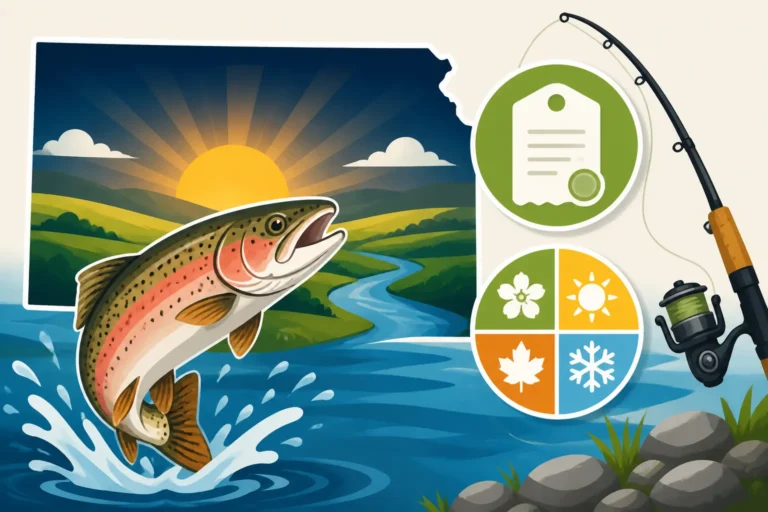
The Kansas trout season typically kicks off in early November and runs through mid-April. This aligns perfectly with the time of year when water temperatures are most suitable for rainbow trout. During this period, designated waters across the state receive regular infusions of these spirited fish. Understanding this window is crucial for planning your trips. If you're hoping to catch some of these beautiful fish, you'll need to make sure you're out there during their prime season. The KDWP provides a handy guide to Kansas Trout Season Runs December 1 to March 31, but remember that stocking often begins earlier and can extend a bit later depending on weather conditions.
The beauty of this seasonal approach is that it ensures the stocked trout are in the best possible condition when they're introduced to our lakes and ponds. It also means anglers can look forward to a relatively consistent supply throughout the cooler months. Imagine a crisp winter morning, steam rising off the water, and the tug of a rainbow trout on your line – it's a truly special experience that this program makes possible. You'll often find that the fish are quite active right after stocking, providing some fast-paced action before they spread out and become a bit more wary.
The "Put-and-Take" Philosophy
When we talk about "put-and-take" fisheries, it means the trout are stocked specifically to be caught, rather than to establish a self-sustaining population. Rainbow trout are not native to Kansas, and our warm summer water temperatures generally prevent them from surviving year-round or reproducing effectively in most of our public waters. This is why the KDWP focuses on stocking during the cooler months.
This approach offers several benefits. Firstly, it creates immediate fishing opportunities. Anglers don't have to wait years for a population to establish itself; the fish are ready to be caught shortly after stocking. Secondly, it allows for a diverse fishing experience that complements our native warmwater fisheries. It introduces a different challenge and a different type of fish, which can be particularly exciting for those looking to expand their angling horizons. Finally, it helps manage resources effectively. The KDWP can precisely control the number and size of fish stocked to meet recreational demand without impacting native ecosystems or requiring extensive habitat management for a non-native species. If you're new to this, remember to grab your Kansas Trout Permit Guide before you head out, as it's typically required in addition to your standard fishing license.
The Scale of Trout Stocking: Pounds and Locations
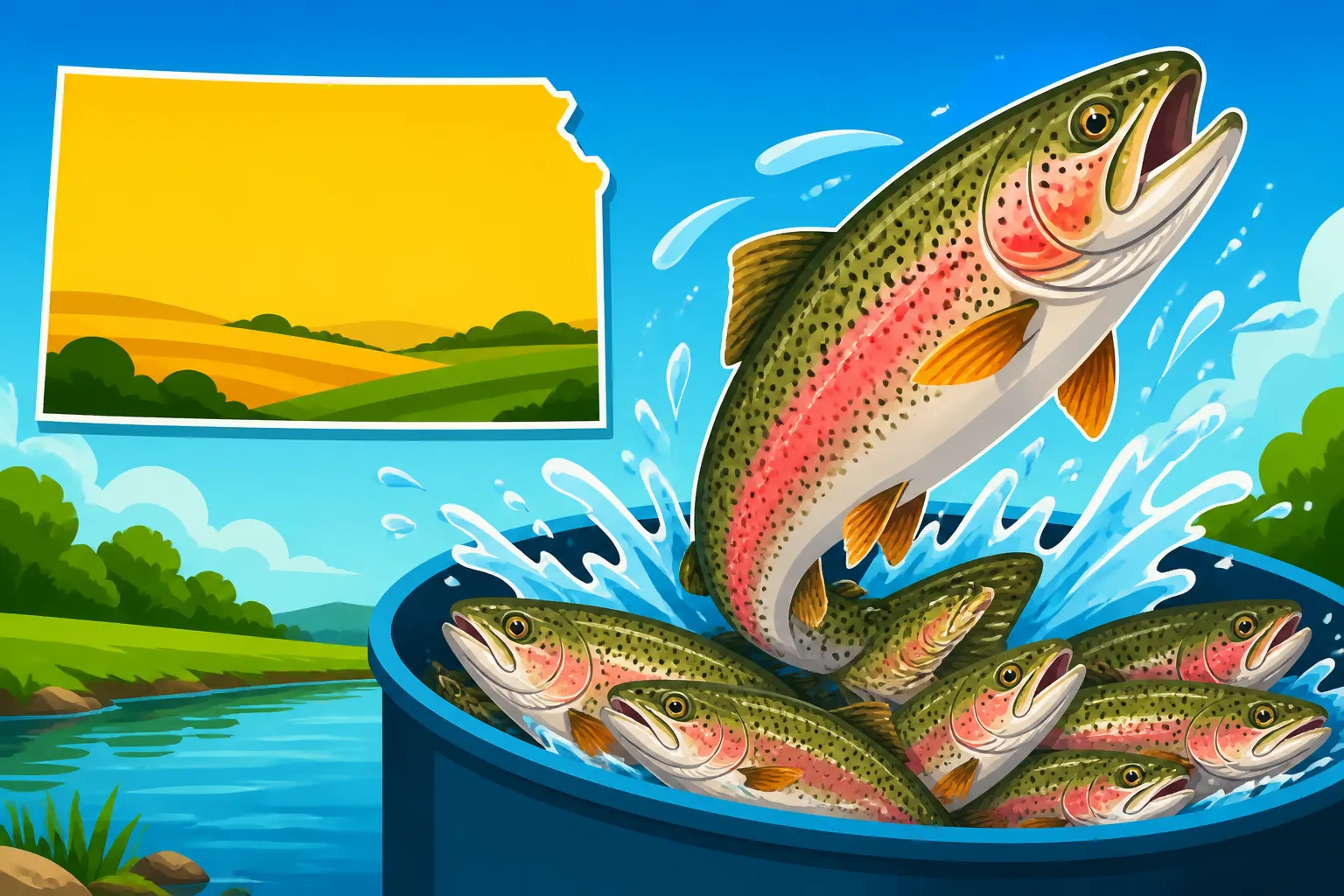
So, let's get down to the numbers! How many pounds of rainbow trout does Kansas actually stock each season? It's a significant amount, showcasing the KDWP's commitment to this popular winter program. While exact figures can fluctuate slightly year to year based on budget, fish availability, and environmental conditions, the Kansas Department of Wildlife and Parks typically stocks over 125,000 pounds of rainbow trout annually. This is a massive effort, translating to hundreds of thousands of individual fish distributed across the state.
To put that into perspective, imagine a small car – that's roughly 2,000 to 3,000 pounds. So, we're talking about the equivalent weight of 40 to 60 small cars worth of trout introduced into Kansas waters each year! These fish usually range from 10 to 12 inches in length, making them a nice size for both sport and table fare. Sometimes, the KDWP will also include a percentage of "trophy" sized trout, weighing two pounds or more, just to add an extra thrill for lucky anglers.
Distribution Across Kansas Waters
The KDWP doesn't just dump all these trout into one big lake. Instead, they strategically distribute them to designated trout waters across the state. These locations are carefully selected based on several factors: accessibility, suitability of water conditions during winter, and proximity to population centers to maximize angler participation. You'll find these trout in a mix of state fishing lakes, city and county community ponds, and even some rivers or streams.
Some of the most popular and regularly stocked locations include:
- Kansas City Metro Area: Lakes like Wyandotte County Lake, Cedar Lake, and Kill Creek Park Lake are frequent recipients, offering easily accessible fishing for urban anglers.
- Wichita Area: South Lake and Vic's Lake often see significant stockings, providing opportunities for those in the state's largest city.
- Topeka Area: Lake Shawnee is a prime trout destination, known for its consistent stockings and good access.
- Other Community Lakes: Many smaller community lakes and ponds in towns like Salina, Hays, Emporia, Pittsburg, and Garden City also get their share of trout, ensuring widespread access.
- State Fishing Lakes: Certain state fishing lakes, even in more rural areas, are included in the stocking schedule.
- Specific Rivers/Streams: While less common than stillwater impoundments, certain stretches of rivers, particularly where cold water flows, might also be stocked.
The KDWP usually releases a detailed Kansas Trout Stocking Schedule for December and for other months throughout the season, so it's always a good idea to check their website or local news sources for the most up-to-date information on which specific bodies of water are being stocked and when. This ensures you can plan your trip to hit the freshest fish!
Trout Species Stocked
While "rainbow trout" is the general term, it's worth noting that the KDWP primarily stocks regular rainbow trout. However, occasionally, they'll spice things up with a special treat: golden rainbow trout. These are a unique color variation of the rainbow trout, instantly recognizable by their vibrant golden-yellow hue, often with a prominent red stripe. They're genetically identical to regular rainbows but offer an exciting visual catch that adds another layer of fun to the winter season.
The stocking strategy involves releasing healthy, hatchery-raised fish that are accustomed to being handled and are ready to bite. They are transported in specialized trucks equipped with aerated tanks to ensure their well-being during transit. Once at the lake, they are carefully released, often attracting a crowd of eager anglers ready to cast their lines.
Here's a quick overview of the typical stocking schedule and quantity:
| Stocking Season | Primary Species Stocked | Typical Size Range | Total Pounds Annually (Approx.) | Purpose |
|---|---|---|---|---|
| Early Nov – Mid Apr | Rainbow Trout | 10-12 inches (some 2lb+) | 125,000+ lbs | Create put-and-take winter fishery |
| Occasional Special | Golden Rainbow Trout | 10-14 inches (some larger) | Included in total | Added novelty and angling excitement |
This consistent stocking program ensures that anglers have fresh opportunities throughout the colder months, making the trout program a reliable and exciting part of the Kansas fishing calendar.
What This Means for Kansas Anglers
For those of us who love to fish, the substantial stocking of rainbow trout in Kansas opens up a whole new world of opportunities. It means that even in the heart of winter, when many other species are lethargic or difficult to locate, there's still a vibrant, active fishery to enjoy. This program dramatically extends the fishing season and provides a different kind of challenge and reward.
Expanded Winter Fishing Opportunities
Before this robust trout program, winter fishing in Kansas often meant bundling up for ice fishing, or maybe targeting catfish in deeper holes on warmer days. But with trout, anglers now have a dedicated, reliable target for those colder months. It means you can keep your fishing gear out all year long, rather than storing it away for several months. For many, it's a welcome reprieve from the cabin fever that can set in during the long winter.
Think about it: instead of wishing for spring, you can now eagerly anticipate the first trout stockings. This transforms winter from a fishing "off-season" into a dynamic period with specific targets and techniques. It’s also often a fantastic family activity. Community lakes and ponds are typically safe and easily accessible, making it a perfect outing for kids and beginners. The consistent stocking means a higher chance of success, which is always a great motivator, especially for new anglers.
Gear and Technique Adjustments
Fishing for rainbow trout often requires a slightly different approach than what many Kansas anglers are used to for bass or catfish. Trout tend to be sensitive to light line, small baits, and subtle presentations. This can be a fun challenge and an opportunity to refine your skills. For example, instead of heavy braided line, you might opt for light monofilament or fluorocarbon (4-6 lb test) to maximize sensitivity and minimize visibility.
When it comes to bait, trout can be quite diverse in their preferences. PowerBait, in its various forms (dough, nuggets, or Gulp! varieties), is almost universally effective. Small spinnerbaits like Rooster Tails or Panther Martins, tiny spoons, or even micro jigs tipped with a wax worm or mealworm can also be incredibly productive. Fly fishing is another excellent option, especially if you're looking for a more traditional trout fishing experience in some of the deeper community lakes or designated stream sections. You'll find a wealth of information on effective strategies in a guide like Kansas Trout Fishing Bait and Lures. Many of these specialized baits and lures are readily available online through retailers like Amazon, making it easy to gear up for your next trip without a lot of hassle.
The Trout Permit Requirement
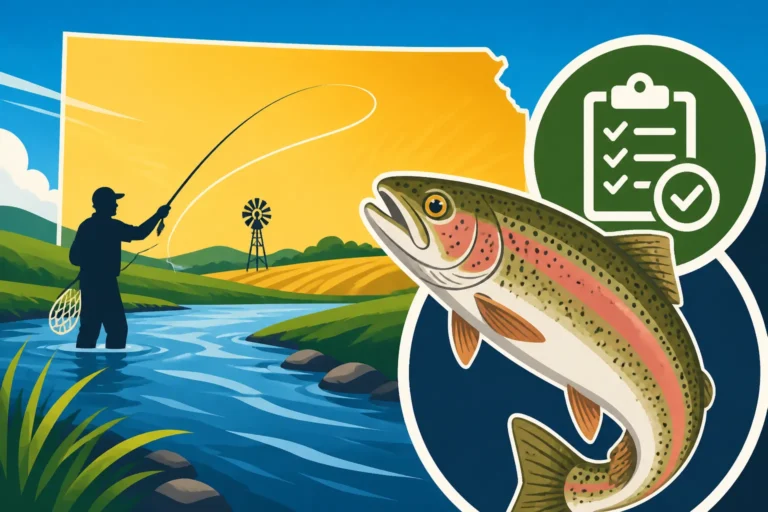
It's important to remember that fishing for trout in Kansas's designated trout waters requires a special Trout Permit, in addition to your regular Kansas fishing license, if you are 16 years or older. This permit helps fund the stocking program, ensuring its continuation for years to come. The permit is reasonably priced, with a Kansas Adult Trout Permit Costs $14.50 for the season.
This minor extra step ensures that the program remains self-sustaining and robust. It's a small price to pay for the fantastic fishing opportunities it provides throughout the winter. Always double-check the KDWP regulations, as rules can sometimes change or specific waters might have unique requirements (e.g., length limits on certain larger trout). Ignorance of the law is not an excuse, and a quick check online can save you from a potential fine.
Tips for a Successful Kansas Trout Season
To truly make the most of the KDWP's generous trout stocking program, a little planning and preparation go a long way. These fish are eager to bite, but knowing a few tricks of the trade can significantly increase your success rate and overall enjoyment.
Timing Your Trip for Fresh Stockings
One of the biggest advantages of fishing a put-and-take trout fishery is that the fish are often very active and less wary immediately after being stocked. The KDWP typically announces its stocking schedules, either through press releases, their website, or social media channels. Keeping an eye on these announcements is your best bet for finding "fresh" trout.
Aim to hit the designated trout waters within a day or two of a stocking event. The trout will be acclimating to their new environment and often feeding aggressively. As the days pass, they tend to spread out, become more pressured by anglers, and might grow more selective in their feeding habits. So, if you're looking for fast action, being among the first to cast a line after a stocking is a prime strategy. Many dedicated anglers even follow the KDWP trucks, if safely possible, to ensure they're on location the moment the fish are released.
Essential Gear for Trout Angling
While trout fishing doesn't require a massive investment, having the right gear certainly helps. Here’s a breakdown of what you’ll typically need:
- Light Rod and Reel: A light to ultralight spinning rod (5-6 feet) paired with a small spinning reel spooled with 4-6 pound test monofilament or fluorocarbon line is ideal. This setup provides the sensitivity needed to detect subtle bites and the finesse to cast small lures. You can often find great beginner combos on Amazon.
- Variety of Baits:
- PowerBait: This is almost a staple. Carry a few different colors (chartreuse, rainbow, pink, garlic scented). Mold it into a small ball around a treble hook or a single hook with a small split shot weight.
- Live Bait: Wax worms, mealworms, and small red worms are highly effective, especially when fished under a bobber or on a light slip-sinker rig.
- Small Lures: 1/16 to 1/8 ounce inline spinners (like Mepps or Rooster Tail) in silver, gold, or black, and small spoons (Kastmasters, Little Cleos) are excellent for active trout.
- Terminal Tackle: Small hooks (size 10-14), split shot weights, small swivels, and a few bobbers will complete your setup.
- Landing Net: A small, fine-mesh landing net is invaluable for safely landing trout, especially if you plan to release some or if you catch one of those feisty trophy fish.
- Warm Clothing: Don't forget, it's winter! Layers, waterproof outer gear, warm gloves, and a hat are crucial for comfort and staying out longer.
Having a good selection of these items will prepare you for almost any trout scenario you encounter. Many specialized items or bulk bait options can be conveniently ordered from online retailers like Amazon, ensuring you're fully stocked before hitting the water.
Favorite Spots and Techniques
Different trout waters may call for slightly different tactics, but some general principles apply across the board. In community ponds and smaller lakes, trout often cruise the shorelines, especially near drop-offs, points, or any submerged structure. They also tend to congregate near the area where they were originally stocked.
- Bank Fishing: This is the most common approach. Cast out PowerBait rigs with a small weight to allow the bait to suspend just off the bottom. If using lures, make slow, steady retrieves, varying your speed and adding small twitches to entice bites. Pay attention to fish cruising the banks in clear water.
- Under a Bobber: For live bait or PowerBait, a small slip bobber allows you to present your offering at a specific depth where the trout are holding. This is excellent for targeting fish that are suspended in the water column.
- Piers and Docks: These structures offer excellent access to deeper water and can provide shade or cover that attracts trout. Cast around and under them.
- Ice Fishing: If conditions allow and the ice is safe, ice fishing for trout can be incredibly productive. Small jigs tipped with wax worms or PowerBait, fished through holes in the ice, can yield consistent catches. Always prioritize safety when considering ice fishing – never venture onto ice that isn't at least 4 inches thick. You can learn more about this in our guide to Kansas Ice Fishing Guide.
Regardless of your chosen location or technique, observe other anglers, pay attention to successful patterns, and don't be afraid to experiment. Sometimes, a slight change in lure color, retrieval speed, or bait depth can make all the difference. The joy of trout fishing, especially in Kansas, is discovering what works best on a given day in a particular spot.
Disclaimer
Fishing regulations can change. Always consult the latest Kansas Department of Wildlife and Parks (KDWP) regulations before heading out to ensure you are in compliance with all current laws and permit requirements. This guide is for informational purposes only and does not supersede official KDWP publications.