Kansas Ice Fishing Guide
The crisp, cold air of a Kansas winter can feel like it shuts down the fishing season, leaving many of us longing for the open water and the thrill of a bite. It’s a common frustration, feeling like you have to pack away your rods and reels for months, but what if I told you that some of the most exciting and unique angling opportunities happen when the lakes freeze solid? This comprehensive guide will walk you through everything you need to know to transform those chilly days into unforgettable ice fishing adventures across the Sunflower State.
Understanding Kansas Ice Fishing Conditions
Venturing onto the ice in Kansas requires a different mindset and preparation than your typical open-water trip. The conditions can be incredibly dynamic, shifting with sudden temperature drops and thaws, making safety the absolute priority. It’s not just about catching fish; it’s about understanding the environment you’re stepping into and respecting its power.
The Unpredictable Kansas Winter
Kansas winters are, to put it mildly, a mixed bag. One week you might be enjoying unseasonably warm temperatures, and the next, a polar vortex sweeps through, plunging us into single-digit territory. This variability means that prime ice fishing conditions don't always last for extended periods, and they can be quite localized. What's safe and solid ice on one lake might be dangerously thin just a few miles down the road or even on a different part of the same water body. Anglers need to be constantly vigilant and check conditions frequently, sometimes even day-to-day, before heading out.
The fluctuating temperatures also affect fish behavior. A sudden cold snap can send fish into deeper, more stable water, making them harder to locate. Conversely, a prolonged period of stable cold can create a thriving ice fishery as fish acclimate and become more active under the ice. Always pay attention to recent weather patterns, not just current conditions, as they give valuable clues about what the fish might be doing and how safe the ice truly is.
Ice Safety: The Golden Rule
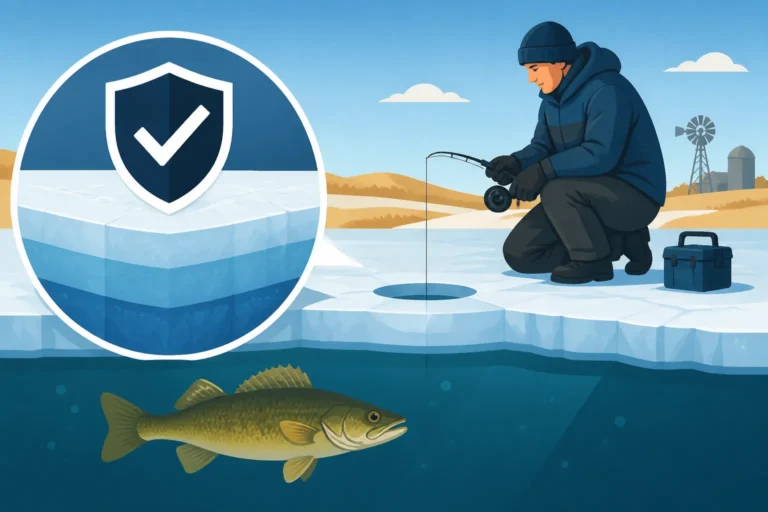
There's no fish worth risking your life over, and that's the absolute golden rule of ice fishing. The Kansas Department of Wildlife, Parks, and Tourism (KDWPT) consistently stresses the critical importance of ice thickness. A good rule of thumb is that 4 inches of clear, solid ice is generally considered safe for individual foot travel, but you need more for groups, snowmobiles, or ATVs. Never assume ice is safe just because others are on it. They might be taking risks, or their equipment might be different.
It’s crucial to understand that not all ice is created equal. Clear, blue ice formed during a sustained cold snap is much stronger than cloudy, white, or "honeycomb" ice, which forms from refrozen snow or during a thaw. Always check multiple spots, especially near inlets, outlets, bridges, or areas with current, as these can have significantly thinner ice due to water movement. Carrying safety gear like ice picks, a spud bar to test the ice, and a throw rope is non-negotiable. For a deeper dive into staying safe, check out our guide on Kansas Ice Fishing Safety Tips.
Recommended Minimum Ice Thickness Guide
| Activity | Minimum Clear, Solid Ice Thickness | Notes |
|---|---|---|
| Individual Foot Travel | 4 inches | Always test as you go |
| Small Groups | 5-7 inches | Spread out, test frequently |
| Snowmobile/ATV | 6-8 inches | Factor in weight, speed, and group size |
| Light Car/Small Truck | 8-12 inches | Extremely risky, generally not recommended |
Prime Ice Fishing Season in Kansas
While it varies, the prime ice fishing season in Kansas typically kicks off in late December or early January, extending through February, and sometimes into early March. The western and northern parts of the state usually see stable ice conditions earlier and longer due to colder average temperatures. Reservoirs like Webster, Kirwin, and Lovewell in northwest Kansas are often among the first to freeze over reliably.
In central and eastern Kansas, the window can be shorter and more sporadic. Large reservoirs like Clinton Lake, Milford Lake, and Cheney Reservoir might offer safe ice for a few weeks, but mild spells can quickly deteriorate conditions. Community ponds and smaller lakes often freeze faster and more uniformly than large, deep reservoirs. Always keep an eye on local KDWPT reports and forums for real-time updates on ice conditions in your target areas. The best time to fish is often right after a prolonged cold snap, when the ice is safe and stable, and fish have settled into their winter patterns.
Essential Gear for Kansas Ice Fishing Success
Stepping onto the hard water without the right gear is like going on a safari without a camera – you'll miss out, and you might even get into trouble. Ice fishing demands specialized equipment that can withstand freezing temperatures and help you stay warm, safe, and productive. Investing in quality gear isn't just about comfort; it's about making your time on the ice enjoyable and, most importantly, safe.
Rods, Reels, and Line for the Hard Water
Unlike open water fishing, ice fishing uses shorter, more sensitive rods, typically ranging from 24 to 36 inches. These shorter lengths are perfect for fishing in the confined space of a shelter or sitting on a bucket over a hole. The sensitivity is key to detecting the subtle bites of cold-water fish, which often just "breathe" on the bait. You’ll want ultra-light to medium-light action rods for panfish (crappie, bluegill) and medium to medium-heavy for walleye, saugeye, or even unexpected catfish.
Your reels should be small spinning reels, often sized 500 to 1000, designed to handle cold temperatures without freezing up. Look for reels with smooth drags, as even a feisty crappie can snap light line if the drag sticks. For line, fluorocarbon or monofilament in 2-6 pound test is common for panfish, offering low stretch and good knot strength. For larger species, you might step up to 8-10 pound test monofilament or even braided line with a fluorocarbon leader for abrasion resistance. You can find a great selection of these specialized items on platforms like Amazon, making it easy to gear up.
Augers: Hand, Power, and Propane
An auger is your portal to the fish beneath the ice – without it, you're just a spectator. There are several types, each with its pros and cons:
- Hand Augers: These are manual, crank-style augers, typically 6 or 8 inches in diameter. They're lightweight, inexpensive, and excellent for early season ice up to about 10-12 inches thick. They're also great for smaller ponds where you don't need many holes or if you prefer a quiet, low-tech approach. However, drilling many holes or through thick ice can be exhausting.
- Electric Augers: Powered by rechargeable lithium-ion batteries, electric augers are quiet, powerful, and environmentally friendly. They can drill dozens of holes on a single charge and are becoming increasingly popular for their convenience. Brands like ION and Strikemaster offer fantastic electric options that make quick work of even thicker Kansas ice.
- Propane Augers: These augers run on small propane canisters, offering powerful and consistent performance. They're a good middle ground between gas and electric, providing ample power without the fumes of traditional gasoline models. They tend to be a bit heavier than electric models but are reliable in very cold conditions.
Choosing the Best Ice Fishing Auger for Kansas Lakes often comes down to how much ice you expect to encounter, how many holes you plan to drill, and your budget. For most Kansas anglers, a quality 6- or 8-inch electric or propane auger will be a game-changer.
Ice Shelters: Shacks, Shanties, and Hubs
Staying warm and out of the wind is crucial for an enjoyable day on the ice, and that’s where an ice shelter comes in. From simple windbreaks to elaborate heated shacks, shelters transform a freezing ordeal into a comfortable angling experience.
- Flip-Over Shelters: These are often built on a sled base, allowing for quick setup and easy transport of gear. They flip over to become a windbreak or enclosed shelter. Brands like Clam and Eskimo are well-known for their durable flip-overs, offering models for one to two anglers. They're excellent for mobile anglers who like to move and drill new holes frequently.
- Hub-Style Shelters: These are pop-up tents that expand into a square or hexagon, offering more interior space and vertical room. They’re lighter than flip-overs, typically easier to set up, and can accommodate larger groups. Many are insulated, providing excellent protection from the biting Kansas winds. You can find many options on Amazon, varying in size and insulation level, perfect for a day out with friends or family.
- Permanent Shanties: While less common in Kansas due to our unpredictable ice, some dedicated anglers on larger, consistently frozen lakes might use small, hard-sided shanties. These offer the most comfort and protection but require significant effort to move and set up.
For the vast majority of Kansas ice anglers, a good hub-style or flip-over shelter is the ideal choice. They provide warmth, block the wind, and make it far more pleasant to spend hours on the hard water. Consider how many people you typically fish with and how much gear you bring when choosing the Best Ice Fishing Shelter for Kansas.
Safety Equipment You Can't Afford to Skip
Beyond the auger and shelter, several critical safety items should always be part of your ice fishing kit. These aren’t optional; they are life-saving tools that could mean the difference between a minor mishap and a major tragedy.
- Ice Picks: These are two pointed handles connected by a rope, worn around your neck. If you break through the ice, you can use them to get a grip on the ice and pull yourself out. They are cheap, lightweight, and absolutely indispensable.
- Spud Bar: A heavy, sharp metal bar used to test ice thickness as you walk. Pounding the ice ahead of you allows you to gauge its strength. If it takes only one or two hits to break through, the ice is too thin.
- Rope/Throw Bag: A length of sturdy rope, ideally with a floatable bag, that can be thrown to someone who has fallen through. Make sure it's at least 50 feet long.
- Headlamp/Flashlight: Even if you plan to fish during the day, conditions can change quickly, or you might stay out later than expected. A reliable light source is essential for navigating the ice safely in low visibility.
- First-Aid Kit: Basic medical supplies are always a good idea, including bandages, antiseptic wipes, pain relievers, and any personal medications. Accidents happen, and being prepared is key.
Remember, even experienced anglers can misjudge ice conditions. Carrying and knowing how to use these items is a testament to responsible angling and ensures you're prepared for any unexpected challenges on the ice.
Top Kansas Spots for Hard Water Action
Kansas offers a surprising array of ice fishing opportunities, from massive reservoirs to small, easily accessible community ponds. Knowing where to go and what to expect from different types of water bodies is key to planning a successful trip. The landscape of Kansas ice fishing is as diverse as its open-water counterpart, provided the cold weather cooperates.
Reservoirs and State Fishing Lakes
Kansas is home to numerous large reservoirs, many of which can provide fantastic ice fishing when conditions are right. These bodies of water often hold significant populations of walleye, saugeye, crappie, and white bass. However, their size and depth mean they take longer to freeze solidly, and strong winds can create dangerous patches of thin ice even on otherwise safe days.
- Milford Lake: As the largest lake in Kansas, Milford offers vast opportunities, though it's important to be cautious about ice conditions, especially in deeper areas. When it does freeze safely, anglers target crappie in the timbered coves and walleye on submerged humps and points. You can find more specific details on Is Milford Lake Good for Ice Fishing?.
- Wilson Lake: Known for its clear waters and rocky structure, Wilson can offer excellent walleye fishing through the ice. Focus on points, humps, and channel edges. It’s also a great spot for saugeye.
- Cheney Reservoir: A popular spot for walleye and wipers during open water, Cheney can also produce good catches through the ice. Be mindful of its wide-open nature, which makes it susceptible to wind.
- Webster, Kirwin, and Lovewell Reservoirs: Located in the colder northwest region of the state, these lakes often provide some of the earliest and most consistent ice fishing. Walleye, crappie, and channel catfish are common targets here.
- State Fishing Lakes: Many of the smaller Kansas State Fishing Lakes Guide across the state can also be excellent ice fishing destinations. These often freeze faster and have more consistent ice conditions due to their shallower depths and protected coves. Lakes like Glen Elder, Melvern, and Council Grove can all offer good ice fishing for crappie, bluegill, and catfish.
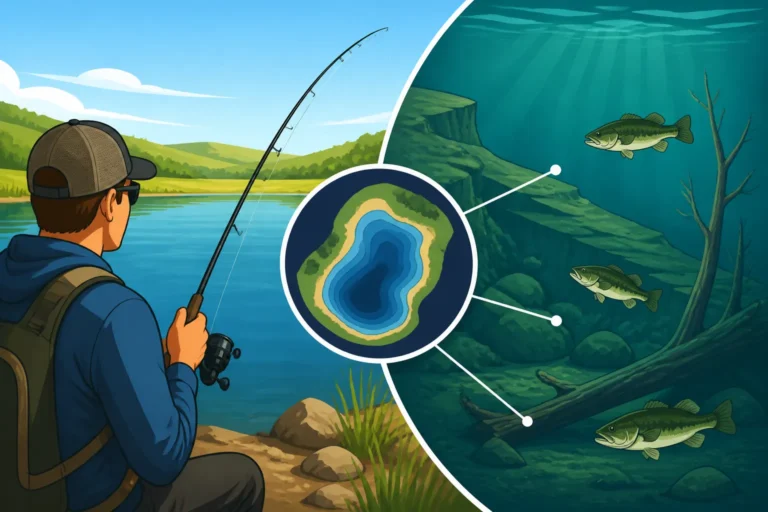
When fishing larger reservoirs, always be aware of the contours of the lake bottom. Use a mapping app on your phone or a good old-fashioned paper map to identify likely holding areas for fish, such as creek channels, humps, and submerged timber.
Community Ponds and Urban Waters
For many Kansas anglers, especially those living near populated areas or just starting out, community ponds and urban lakes are invaluable resources for ice fishing. These smaller, shallower bodies of water typically freeze earlier and more uniformly than large reservoirs, making them safer and more accessible for a wider range of anglers.
- Fast Freeze-Up: Due to their smaller size and shallower average depths, community ponds and city lakes are often the first waters to develop safe ice each winter. This means a longer potential ice fishing season for those who might not want to wait for the big reservoirs.
- Easy Access: Many of these ponds are located within city parks or easily accessible rural areas, reducing travel time and making them perfect for a quick evening trip or a family outing. They often have designated parking and sometimes even amenities like restrooms.
- Panfish Powerhouses: While you might not find trophy walleye, these ponds are often stocked with an abundance of panfish like crappie, bluegill, and channel catfish. These species are fun to catch, readily bite through the ice, and are excellent table fare, making them ideal targets for beginners and seasoned anglers alike.
- KDWPT Stocking Programs: Many community lakes are part of KDWPT's Community Fisheries Assistance Program, which means they are regularly stocked. Some even receive special winter trout stockings, offering a unique cold-weather opportunity to target rainbow and even golden rainbow trout, often in addition to their resident warm-water species. If you're looking for stocked trout, be sure to check the Kansas Trout Permit Guide and the local stocking schedule.
Always check local regulations for specific community ponds, as some might have special rules regarding bait, tackle, or limits. These smaller bodies of water are fantastic for introducing kids to ice fishing due to their easier access and often abundant panfish action.
Finding the Best Ice Fishing Lakes
Locating the best ice fishing lake in Kansas often comes down to a combination of factors: reliable ice conditions, target species, and proximity. It’s not a one-size-fits-all answer, as what’s "best" for one angler might not be for another.
- KDWPT Reports: The Kansas Department of Wildlife, Parks and Tourism is your best friend. Their website often provides updated fishing reports, including ice conditions, for various lakes across the state. These reports are invaluable for real-time information.
- Local Bait Shops: These are gold mines of information. Bait shop owners and employees are often avid anglers themselves and know the local conditions intimately. They can tell you where the bite is hot, what bait is working, and, most importantly, where the ice is safe.
- Online Forums and Social Media Groups: Many dedicated Kansas fishing forums and Facebook groups exist where anglers share their experiences, reports, and tips. These can be a great way to get a pulse on current conditions, but always cross-reference information and prioritize safety.
- Scouting: Sometimes, the best way to find a spot is to drive around. Look for other anglers already on the ice (but don't assume their spot is safe for you) or observe areas that tend to freeze first, like shallow coves or sheltered bays.
Remember, conditions can change rapidly. Always call ahead, check multiple sources, and practice extreme caution when evaluating any ice fishing location.
Mastering Kansas Ice Fishing Techniques
Ice fishing isn't just about drilling a hole and dropping a line. Just like open water, there are specific techniques that will increase your success and make your time on the hard water more productive. Understanding how fish behave in cold water and adapting your approach accordingly is key to bringing home a respectable catch.
Jigging for Panfish and Walleye
Jigging is perhaps the most common and effective technique for ice fishing, especially for panfish like crappie and bluegill, but also for walleye and saugeye. The idea is to present a small lure or bait vertically, often with subtle movements to entice a bite.
- Panfish Jigging: For crappie and bluegill, tiny jigs (1/32 to 1/16 ounce) tipped with a small piece of live bait (like a wax worm, euro larva, or minnow head) or a micro soft plastic bait are incredibly effective. Look for areas with submerged brush piles, weed lines, or structure, often in 10-25 feet of water. Use a sensitive, ultra-light rod to detect the incredibly light bites. The presentation is key: a slow, subtle lift-and-drop, often with pauses, will imitate an injured insect or small baitfish. Pay close attention to your line, as many bites will feel like a slight "tick" or a sudden slackening.
- Walleye and Saugeye Jigging: When targeting walleye and saugeye, you'll generally use slightly larger jigs (1/8 to 1/4 ounce) or spoons. Popular lures include Rattle Traps, Rapala Jigging Raps, and slender spoons like the Swedish Pimple. Tip these with a minnow head, or use a whole live minnow on a plain jig. Walleye often hold near the bottom along contours, humps, and old creek channels. A more aggressive jigging motion with longer pauses can trigger a reaction strike, especially during low-light periods. Pay attention to your fish finder if you have one; seeing fish on the screen can help you adjust your jigging depth and retrieve speed.
One fantastic resource for cold-water species is our Kansas Winter Trout Fishing Guide, which often involves specialized jigging techniques for those finicky fighters. Keep your presentation varied until you find what the fish prefer on any given day.
Tip-Ups for Larger Game Fish
While jigging is active, tip-ups offer a more passive approach, allowing you to cover more water and target larger, more wary fish like walleye, saugeye, and even large channel or flathead catfish.
- How They Work: A tip-up consists of a spool of line submerged in the hole and a flag that "tips up" when a fish takes the bait and pulls line off the spool. This allows you to fish multiple holes simultaneously (check regulations for the number of lines allowed). This is great for anglers who want to cover more ground or enjoy a more relaxed ice fishing experience.
- Rigging for Success: For walleye and saugeye, rig your tip-ups with a live shiner or fathead minnow on a single hook (treble hooks are also common, but check local rules) suspended at various depths. Often, targeting fish near the bottom or just above structure is productive. Use a lead-weight or split-shot to keep the bait down.
- Catfish on Tip-Ups: Don't underestimate the power of catfish in the winter! Large channel and flathead catfish are often caught through the ice, especially on reservoirs and larger state lakes. For these hard fighters, use larger bait, such as shad, cut bait, or large live minnows, rigged closer to the bottom. Heavy-duty tip-ups with strong line (20-30 lb test braided or monofilament) are recommended to handle these powerful fish. Be prepared for a fight when that flag flies!
Setting up a spread of tip-ups around your jigging holes can be a highly effective strategy, especially during those times when the bite is slow or fish are cruising rather than actively feeding in one spot.
Live Bait vs. Artificial Lures
The debate between live bait and artificial lures is as old as fishing itself, and it continues on the ice. Both have their place, and often, a combination is most effective.
- Live Bait Advantages: In cold water, fish metabolism slows, and they often become more finicky. Live bait, such as minnows (fatheads, shiners), wax worms, spikes (maggots), or euro larvae, offers natural scent, action, and taste that can be irresistible to reluctant fish. For species like crappie and bluegill, a small jig tipped with a wax worm can be deadly. For walleye, a live minnow on a plain hook or under a bobber is often the ticket.
- Artificial Lure Advantages: Artificial lures, particularly small jigs, spoons, and soft plastics, allow for more active fishing and can cover water more quickly. They come in a vast array of colors and shapes, allowing you to experiment. Lures like Rapala Jigging Raps, Custom Jigs & Spins Diamond Jigs, or small tungsten jigs are excellent for aggressive jigging and can often out-produce live bait when fish are active. Plus, you don't have to worry about keeping live bait alive in freezing temperatures.
- The Best of Both Worlds: Often, the most productive strategy is to combine them. Tipping a small spoon or jig with a live minnow head or a couple of wax worms adds scent and a little extra enticement that can make all the difference. This hybrid approach gets the best of both worlds, offering the attraction of a lure with the natural appeal of live bait.
Keep a variety of both live bait and artificials on hand. Fish preferences can change hour by hour, and being able to adapt to what they're biting on is the mark of a skilled ice angler.
Understanding Fish Behavior Under Ice
Fish don't disappear in winter; they simply adapt to the colder conditions. Understanding these adaptations is crucial for locating and catching them through the ice.
- Slower Metabolism: As water temperatures drop, fish metabolism slows down significantly. This means they feed less frequently and move less. They become more sluggish, which means your presentations need to be slower and more subtle. Violent jigging might scare them away; gentle lifts and drops are often more effective.
- Depth and Structure: Fish often seek out stable water temperatures and available food sources. This means they will often congregate around distinct underwater structures like humps, points, drop-offs, submerged timber, or weed edges. These features offer cover, ambush points, and often hold baitfish. Many species, especially walleye and crappie, will suspend in the water column over deeper areas or hold tight to the bottom in relation to these structures.
- Oxygen Levels: While not as critical in Kansas as in some northern states, oxygen levels can play a role, especially in smaller, shallower ponds with heavy snow cover. Fish need oxygen, and if snow blocks sunlight, aquatic plants can't photosynthesize, leading to reduced oxygen. This can sometimes cause fish to move to areas with more inflow or shallower, open water if available.
- Low Light Periods: Just like open water, low light conditions – dawn, dusk, and even night fishing (where permitted) – can be prime times for many species, particularly walleye and saugeye. These fish use the cover of darkness to hunt, and they become more active during these periods. For the dedicated angler, extending your day into twilight can often yield impressive results.
By understanding these fundamental changes in fish behavior, you can make informed decisions about where to drill your holes, what bait to use, and how to present it effectively, significantly increasing your chances of success. Our Fish You Can Catch Ice Fishing in Kansas guide offers more detailed information on specific species.
Targeting Popular Kansas Ice Fish Species
The variety of fish you can catch through the ice in Kansas might surprise you. While panfish are a winter staple, many other species, including some true trophies, can be successfully targeted. Each species has its preferred habitat and biting patterns under the ice, requiring slightly different approaches.
Crappie and Bluegill: Panfish Perfection
Crappie and bluegill are the bread and butter of Kansas ice fishing. They are abundant, relatively easy to catch, and provide delicious fillets. They are also excellent species for introducing new anglers to the sport due to their willingness to bite.
- Crappie Strategy: Crappie often school up in large numbers during winter, typically suspending in deeper water near submerged timber, brush piles, or old creek channels. They love standing structure. Look for them in 15-30 feet of water, though they might move shallower during feeding windows. Small jigs (1/32 to 1/16 ounce) tipped with a minnow, a minnow head, or a small soft plastic bait are incredibly effective. Tungsten jigs in bright colors like chartreuse, pink, or white can also be excellent. Use a sensitive rod, and vary your depth and retrieve until you find the school.
- Bluegill Bites: Bluegill are usually found shallower than crappie, often relating to weed beds, bottom structure, or gradual slopes in 8-20 feet of water. They're not as inclined to suspend high in the water column. Tiny jigs (1/64 to 1/32 ounce) tipped with a single wax worm, spike, or a small piece of artificial bait are perfect. They have very soft bites, so watch your line intently for any movement. Often, the best bluegill action comes from gently quivering your bait just off the bottom.
Walleye and Saugeye: Winter Challengers
Walleye and their hybrid cousins, saugeye (a walleye-sauger cross), are highly sought-after game fish in Kansas and offer a thrilling challenge through the ice. They are known for their delicious fillets and their elusive nature.
- Location, Location, Location: Walleye and saugeye typically relate to structure: points, humps, sharp drop-offs, and old creek channels in reservoirs. They often hold tight to the bottom or suspend just above structure in 20-40 feet of water. During low-light conditions (dawn, dusk, and night), they might move shallower onto flats or along shorelines to feed.
- Preferred Baits and Lures: For aggressive walleye, jigging spoons (like Swedish Pimples or Kastmasters) or lipless crankbaits (like Rapala Jigging Raps or Slab Raps) can trigger reaction strikes. Tip these with a minnow head for added scent. For a more subtle approach, a plain hook with a lively minnow (shiners or fatheads) under a bobber or on a tip-up is often deadly. Plastics on a jig head can also work when fished slowly.
- Patience and Persistence: These fish can be finicky. Be prepared to move and drill multiple holes to find active fish. A good fish finder is invaluable for identifying suspended fish or marking structure. Pay attention to the subtle cues – a slight tap or a heaviness on the line might be all you get. Remember that Kansas Walleye Minimum Length Limit of 21 Inches and Kansas Walleye Daily Limit of Two Fish are in place to protect these valuable fish.
Catfish: An Unexpected Winter Treat
Many anglers pack away their catfish gear in the winter, but it's a mistake! Channel and even flathead catfish can be caught through the ice, offering a heavy fight on light gear.
- Channel Catfish: These fish are often found in deeper holes or basins, especially near creek channels or old riverbeds. They don't mind cold water and will actively feed. Cut bait (shad or carp), chicken liver, or even large shiner minnows fished on the bottom with a simple sinker rig are effective. Tip-ups are a great way to target them.
- Flathead Catfish: While less common than channels, trophy flatheads are occasionally caught through the ice, especially in areas with substantial timber or rock cover. They prefer live bait, so a large shiner or sunfish (where legal) fished on a heavy-duty tip-up near submerged logs or rock piles is your best bet. Be prepared for a long battle!
- Winter Catfish Benefits: Winter catfish are often cleaner tasting due to the cold water and reduced algae. Catching a big cat through a small hole is a unique and exciting experience that many anglers overlook. Don't be afraid to try for them, especially if you're targeting other species and have an extra line to spare.
Rules, Regulations, and Permits for Kansas Ice Anglers
Just because the water's frozen doesn't mean the rules go out the window! Adhering to Kansas fishing regulations is paramount, not just for legality but for conservation and ensuring healthy fisheries for years to come. Ignoring these can lead to fines and a ruined day on the ice.
Kansas Fishing License Requirements
The most fundamental requirement for any angler in Kansas is a valid fishing license. This holds true whether you're fishing open water or hard water. If you're 16 years of age or older and a Kansas resident, or any age if you're a nonresident, you'll need one.
- Who Needs One: Generally, all resident anglers age 16 through 74 must possess a Kansas fishing license. Nonresidents of any age (unless exempt by specific state rules) also need a license. There are exemptions, such as those fishing on their own land, or during designated Kansas Free Fishing Days Guide. Always carry your license with you when fishing, either a physical copy or a digital one on your phone.
- Types of Licenses: Kansas offers various license types, including annual, 5-year, and combination hunting/fishing licenses. For specifics on pricing and options, our Kansas Fishing License Guide breaks down all the details. If you're specifically targeting trout, remember you'll also need a Kansas Trout Permit Guide in addition to your general fishing license, even if you’re fishing a community pond that’s been stocked for winter trout.
- Where to Buy: Licenses are easy to obtain online through the KDWPT website, at most KDWPT offices, or from authorized license vendors like sporting goods stores and some bait shops. Buying online is often the most convenient option, especially if you decide to go ice fishing last minute.
Specific Ice Fishing Regulations
Beyond general fishing regulations, Kansas has specific rules that apply to ice fishing. It's crucial to be aware of these to avoid any legal issues.
- Number of Lines: The general rule in Kansas is that you may fish with no more than two (2) poles or rods at any one time, regardless of whether you are open water or ice fishing. However, during the ice fishing season (which KDWPT defines as December 1 to March 15), anglers are permitted to use up to five (5) lines when fishing through the ice. This is a significant advantage for ice anglers, allowing you to cover more water with tip-ups or jigging rods.
- Hole Size: The regulations typically specify a maximum diameter for ice fishing holes, usually 12 inches. This prevents excessively large holes that could pose a safety hazard to other anglers or wildlife. Always ensure your auger is within this limit.
- Shelter Requirements: If you use a portable ice fishing shelter, it typically must be removed from the ice by a certain date (usually March 15). Permanent shelters often have more stringent rules and may require identification. Always check the current year's Kansas Fishing Regulations Summary for the most up-to-date information on shelter rules and removal dates.
- Species-Specific Limits: All general length and creel limits for various fish species (walleye, crappie, catfish, etc.) still apply when ice fishing. Don't assume that because it's winter, the rules are relaxed. Always know the limits for the fish you are targeting. Our Kansas Fishing Regulations Explained provides comprehensive detail on these.
Other Permits and Considerations
While a fishing license and adherence to specific ice fishing rules cover most situations, there might be other permits or considerations depending on where you choose to fish.
- State Park Vehicle Permits: If you plan to access a lake within a Kansas State Park (e.g., Milford State Park, Wilson State Park, Cheney State Park), you will generally need a State Park vehicle permit, in addition to your fishing license. These can be purchased annually or as a daily pass at park offices or self-pay stations. This permit grants you access to park facilities and launch ramps, even if you're just walking onto the ice. You can find more details on Kansas State Park Fishing Permit Rules.
- Private Land Access: If you plan to ice fish on a private pond or lake, you must have permission from the landowner. A Kansas fishing license is still required unless you are fishing on land that you own and reside on. Always respect private property and leave no trace.
- Night Fishing: While generally allowed, always confirm local ordinances if fishing in urban community ponds, as some parks may have specific hours of operation. For larger reservoirs, night fishing through the ice is a popular and effective tactic for species like walleye. Ensure you have proper lighting and communicate your presence to others.
Taking the time to understand and follow all regulations not only keeps you out of trouble but also contributes to responsible angling, ensuring these fantastic winter fishing opportunities continue for everyone.
Practical Tips for a Comfortable and Productive Day
Ice fishing can be an incredibly rewarding experience, but it can also be a miserable one if you're not prepared for the elements. Comfort, safety, and smart strategy go hand-in-hand to ensure a productive and enjoyable day on the hard water.
Staying Warm and Dry on the Ice
The biggest hurdle for many new ice anglers is staying warm. Kansas winters can be brutal, with wind chills plummeting well below zero. Layering is your best friend.
- Base Layers: Start with moisture-wicking base layers made from synthetic materials or merino wool. Cotton is a no-go; it traps moisture and will make you cold once you start to sweat (yes, even in winter!).
- Mid-Layers: Add insulating layers like fleece jackets, down vests, or wool sweaters. These provide the bulk of your warmth.
- Outer Layers: Your outermost layer needs to be waterproof and windproof. A good ice fishing suit (bibs and jacket) designed for extreme cold is ideal. These suits often have built-in flotation, adding an extra layer of safety.
- Extremities: Don't forget your head, hands, and feet. A warm hat that covers your ears is essential, as is a balaclava or neck gaiter on windy days. Waterproof, insulated gloves or mittens are critical. For your feet, wear wool or synthetic socks and insulated, waterproof boots, preferably rated for sub-zero temperatures. Keep extra pairs of socks in your bag.
- Heat Sources: A portable propane heater is a game-changer inside your ice shelter. Brands like Mr. Heater offer safe, portable options. Hand warmers and toe warmers can also provide a comforting boost of heat when tucked into gloves or boots, especially if you're out without a shelter.
Drilling Smart and Moving Often
One of the key differences in ice fishing compared to open water is the ability to easily move and "scout" for fish by drilling multiple holes. Don't be afraid to be mobile!
- The Power of Multiple Holes: While respecting the legal limit of lines you can use, drilling a series of holes in a grid pattern or along a contour line allows you to quickly assess different depths and structures. If you're not getting bites in one hole after 15-20 minutes, move to the next! This is where a fast, efficient auger like an electric or propane model really shines.
- Start Shallow, Go Deep (or vice versa): If you're fishing a new spot, start by drilling some holes in shallower water (e.g., 8-10 feet) and gradually work your way deeper, drilling new holes every 20-30 feet. Alternatively, if you know there's a deep basin, start there and work your way up adjacent slopes. This systematic approach helps you locate active fish.
- Follow the Fish Finder: If you have a portable fish finder (flasher or LCD unit), use it religiously. Drill a hole, drop your transducer, and observe. If you don't see fish within a few minutes, move. If you mark fish but can't get them to bite, try a different bait, presentation, or simply drill another hole nearby. A good fish finder is one of the most valuable tools for maximizing your productivity on the ice. For those looking for a new unit, check out our Kansas Fish Finder Buying Guide on available options.
Packing Smart: Food, Drinks, and Essentials
A day on the ice can be physically demanding, and you'll burn a lot of calories just staying warm. Packing the right provisions is essential for maintaining energy and morale.
- Hydration is Key: Even in cold weather, you can become dehydrated, especially if you're physically active. Bring plenty of water. A thermos of hot coffee, tea, or hot chocolate is also a wonderful morale booster. Avoid excessive alcohol, as it dehydrates you and impairs judgment, which is dangerous on the ice.
- Energy-Boosting Snacks: Pack high-energy, easy-to-eat snacks like granola bars, nuts, dried fruit, jerky, or sandwiches. Foods that are easy to eat with gloves on are a plus. A hot meal from a thermos can feel like a gourmet feast on a cold day.
- Tools and Extras: Always have a pair of pliers (forceps or needle-nose) for removing hooks, a small pair of line clippers, and a tape measure to check fish lengths. A small towel or rag is handy for wiping fish slim or drying hands. A reliable portable power bank for charging your phone (and maybe your electric auger battery if it's compatible) is also a smart addition to your gear bag. Platforms like Amazon carry a wide range of these useful accessories.
- Waste Management: Be a responsible angler and pack out everything you pack in, including any trash, broken line, or dead bait. Leave the ice cleaner than you found it.
By taking these practical tips to heart, you'll not only enhance your comfort and safety but also significantly increase your chances of having a successful and memorable Kansas ice fishing adventure.
Disclaimer
The information provided in this guide is for general informational purposes only and is not intended as legal, safety, or professional advice. Ice conditions are highly variable and can change rapidly. Always exercise extreme caution, confirm current ice conditions with local authorities (such as the Kansas Department of Wildlife, Parks and Tourism), and prioritize your safety above all else. Adhere strictly to all state and local fishing regulations. The author and publisher are not responsible for any accidents, injuries, or legal issues that may arise from using this information.