Can You Keep 50 Crappie a Day in Kansas?
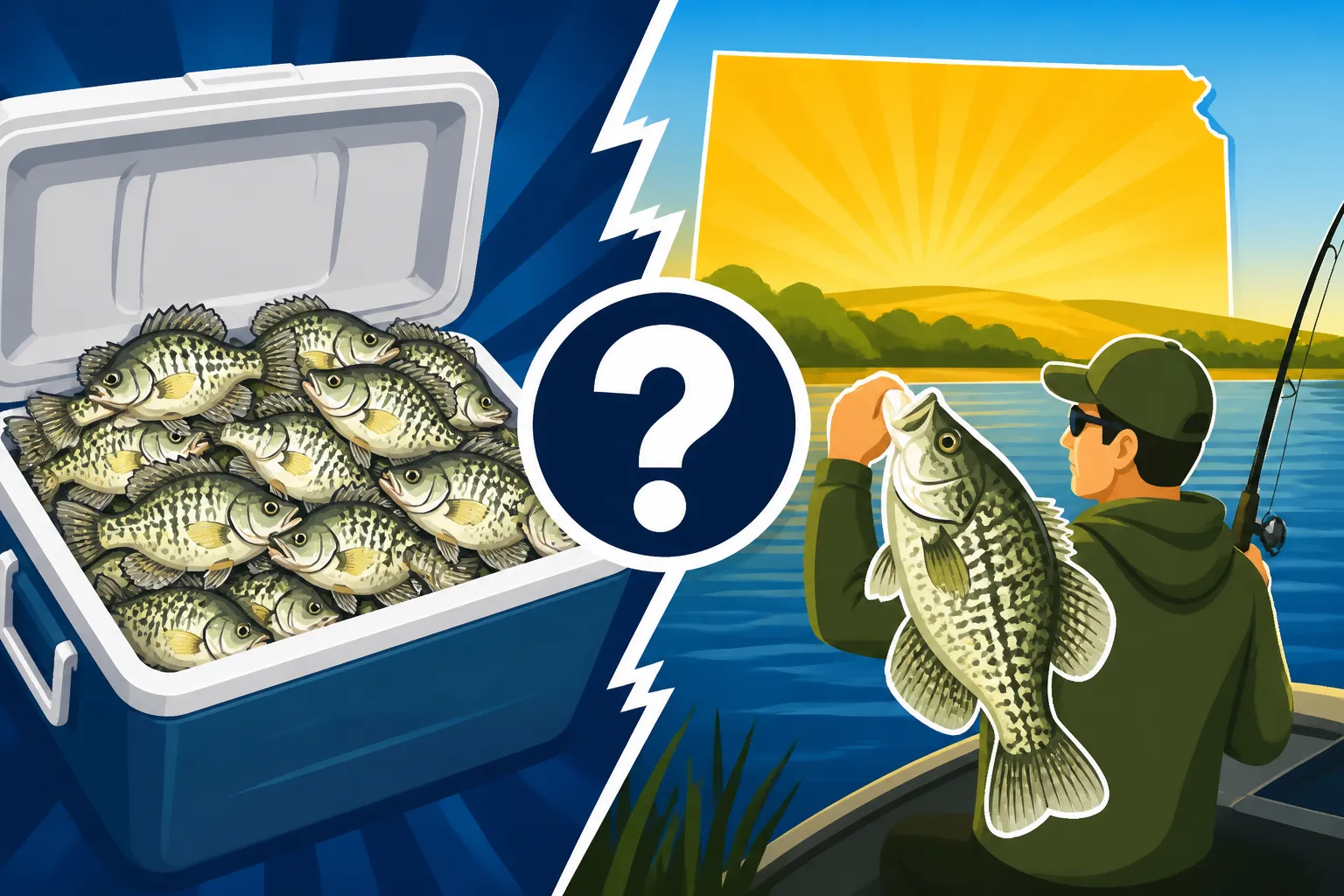
It’s a question that pops into many Kansas anglers’ minds when they’re having a fantastic day on the water, pulling in slab after slab: "Can I really keep 50 crappie today?" It feels almost too generous, doesn't it? After all, hitting a "limit" of anything often means just a handful of fish. But with crappie, especially when they're biting aggressively, it's a very real possibility, and understanding the rules surrounding it is key to a successful and legal fishing trip here in the Sunflower State. This guide will dive deep into the specific regulations, why they exist, and how you can responsibly enjoy Kansas's abundant crappie fishing opportunities.
Understanding Kansas Crappie Regulations
Kansas offers some truly exceptional crappie fishing, and the regulations are designed to sustain that for generations. While that 50-fish number might sound like a dream, there's more to it than just the count.
The 50 Crappie Daily Creel Limit
Let's get right to it: yes, you can legally keep 50 crappie per day in many Kansas waters. This isn't a myth or a typo; it's a testament to the prolific nature of crappie and the Kansas Department of Wildlife and Parks (KDWP) management strategies. Crappie, both white and black, are known for their rapid reproduction and growth rates. In many reservoirs and ponds, they can quickly overpopulate, leading to stunted growth if their numbers aren't managed through angling pressure. A generous creel limit like 50 allows anglers to help thin out these populations, which in turn can lead to healthier, larger fish for everyone in the long run.
However, it’s not simply a free-for-all to throw every crappie you catch into the livewell. This daily creel limit is often paired with other critical rules that ensure the long-term health of the crappie fishery. Missing these details can quickly turn a great day into a costly one, so always remember to check the finer print.
The Importance of Length Limits
While the 50-fish limit gets a lot of attention, the statewide 10-inch minimum length limit for crappie is just as, if not more, important for many anglers. This means that out of those 50 crappie you’re allowed to keep, each one must be at least 10 inches long from the tip of its snout to the end of its tail. This regulation is crucial for protecting the younger, breeding-age fish. By allowing crappie to reach at least 10 inches, they typically have had a chance to spawn at least once, contributing to the next generation of crappie. This ensures that the population can replenish itself, providing continued angling opportunities.
Imagine a scenario where there were no length limits. Anglers might keep dozens of 6-inch or 7-inch crappie, depleting the stock of future spawners and larger fish. The 10-inch rule helps ensure that a good portion of the crappie population reaches a size where they can successfully reproduce, and it also contributes to the likelihood of catching those prized "slab" crappie that everyone talks about. Always carry a reliable measuring device; a simple ruler or a measuring board that you can find on Amazon is essential.
Special Lake-Specific Regulations
Here's where it gets a little tricky, and it’s why you can never rely solely on the general statewide rules. Many specific lakes, reservoirs, and community ponds in Kansas have their own unique crappie regulations that override the general statewide limits. These special regulations are put in place because each body of water is a unique ecosystem, and what works for a massive reservoir like Milford Lake might not work for a smaller State Fishing Lake or a Community Fishing Lake.
For instance, a smaller lake might have a reduced daily creel limit, perhaps 20 or 25 crappie, or it might have a slot limit, where you can only keep fish between certain lengths, with fish both smaller and larger than the slot needing to be released. Some lakes might even have a higher minimum length limit, say 12 inches, to foster trophy crappie growth. Before you ever cast a line, especially if you're visiting a new body of water, it is absolutely essential to consult the current Kansas Fishing Regulations Explained guide or check the signs posted at the boat ramp or access points. These localized rules are critical, and ignorance of them is not an excuse for violations.
Why Kansas Has These Crappie Limits
Understanding the "why" behind fishing regulations can make them a lot easier to follow and appreciate. It's not just about arbitrary rules; it's about science and sustainability.
Managing Healthy Crappie Populations
Crappie are fascinating fish from a management perspective because they can be almost too successful at reproducing. In many fertile Kansas waters, if left unchecked, crappie populations can explode. While that sounds great on the surface (more fish!), it often leads to a situation where there are too many fish competing for the same limited food resources. This competition results in stunted growth, meaning a lake full of small, skinny crappie that never reach a desirable size for anglers.
The KDWP employs these specific limits, including the relatively high 50-fish creel, as a tool to manage these populations. By encouraging anglers to harvest a good number of crappie, especially the more numerous smaller ones (while respecting length limits), it helps thin out the population. This allows the remaining fish more food and space, leading to faster growth rates and healthier, larger crappie. It's a delicate balance, and these rules are informed by extensive biological surveys and data collection from fisheries biologists. This proactive management helps maintain a vibrant Kansas Crappie Fishing Guide for years to come.
Balancing Angler Opportunity and Conservation
The goal of the KDWP is always a dual one: provide excellent fishing opportunities for Kansans and nonresidents alike, while simultaneously ensuring the long-term conservation of the state's aquatic resources. Crappie limits are a prime example of this balance in action. A 50-fish daily creel limit with a 10-inch minimum means that anglers can enjoy a productive day, taking home a substantial meal of delicious fish, which is a significant part of the angling experience for many. It encourages people to get out and fish, knowing they can be rewarded for their efforts.
At the same time, the minimum length limit acts as a safeguard. It ensures that enough fish survive to reproductive age and beyond, maintaining a healthy breeding stock. This combination attempts to satisfy both the desire for immediate harvest and the need for future sustainability. It's a continuous juggling act, influenced by environmental factors, fishing pressure, and the biological characteristics of crappie in different bodies of water. For those interested in deeper conservation topics, our guide on Kansas Fishing Law Enforcement and Penalties offers more insights into the protection of our fisheries.
What Happens If You Exceed Crappie Limits?
It's tempting when the bite is hot, or maybe you just miscounted, but exceeding fishing limits in Kansas is a serious offense with real consequences.
Penalties for Violations
Fishing without proper regard for the regulations, whether it’s keeping too many fish, undersized fish, or fishing without a license, can lead to significant penalties. Conservation officers with the KDWP are actively patrolling lakes and rivers across the state, and they are well-versed in the regulations. If you're caught violating crappie limits, you could face hefty fines. These fines can vary depending on the severity of the violation, the number of fish involved, and whether it's a repeat offense. Beyond monetary penalties, you could also have your fishing license suspended or revoked, meaning you wouldn't be able to fish in Kansas for a period of time.
In some cases, your fishing gear, including rods, reels, and even your boat, could be confiscated. It's a situation no angler wants to find themselves in. The bottom line is that these rules are in place for a reason, and enforcement is taken seriously to protect the state's valuable fisheries. Always err on the side of caution, measure twice, and if in doubt, release the fish. Our post on Fishing Without a License Penalties in Kansas further outlines the legal repercussions of not adhering to state regulations.
The Impact on Fishery Health
Beyond the legal ramifications for the individual angler, exceeding crappie limits has a detrimental impact on the overall health of the fishery. When too many crappie, especially undersized ones, are removed from a population, it can disrupt the natural balance. Harvesting fish below the minimum length limit directly reduces the number of fish that have a chance to spawn, thereby impacting future generations. This can lead to a decline in overall population numbers, a reduction in the average size of fish in the lake, and potentially even collapse a fishery in extreme cases.
Think of it like a bank account: if you keep making withdrawals without enough deposits, you'll eventually run out of funds. For a fish population, spawning is the deposit, and responsible harvesting is a controlled withdrawal. Over-harvesting, especially of small fish, is like taking out too much, too quickly, from the breeding stock, which makes it incredibly difficult for the population to recover. The KDWP stocks millions of fish each year to supplement natural populations, as detailed in the Number of Waterbodies Stocked With Kansas Trout for example, but these efforts are undermined by irresponsible angling.
Tips for Ethical and Successful Crappie Fishing in Kansas
Now that you understand the "why" and "how" of crappie regulations, let's talk about how to make your fishing trips both ethical and highly successful.
Measuring and Releasing Fish Properly
Responsible angling starts with knowing your regulations and having the right tools. Always carry a reliable measuring device with you. A commercially available fish measuring board or a simple ruler attached to your boat or tackle box works perfectly. When you catch a crappie, measure it immediately. Lay the fish flat on its side, with its snout touching the zero mark, and observe where the tip of the tail (pinched together) falls on the ruler. If it's under the 10-inch minimum (or whatever the special lake regulation dictates), it must be released immediately.
When releasing fish, do so gently. Minimize air exposure, especially in warmer weather. Handle the fish with wet hands to protect its slime coat, which is vital for its health and disease resistance. If the fish is deeply hooked, consider cutting the line as close to the hook as possible rather than trying to rip the hook out, which often causes more damage. Rapid release increases the chances of survival for those precious future spawners.
Locating Crappie Hotspots
Finding crappie is half the battle, and knowing where they like to hang out will greatly improve your chances of catching legal-sized fish. Crappie are structure-oriented fish. They love cover! Look for brush piles, submerged timber, rock piles, bridge pilings, and even dock structures. In reservoirs like Clinton Lake or Hillsdale Lake, areas with standing timber or flooded creek channels are classic crappie magnets. They often relate to baitfish, so if you can find schools of shad or minnows, crappie are likely nearby.
The depth crappie hold will change with the seasons and even throughout the day. In spring, during the spawn, they’ll move shallow, often in just a few feet of water. In summer, they’ll generally move deeper, seeking cooler temperatures and stable cover. Fall sees them moving back into shallower feeding areas as temperatures drop, and in winter, they'll often suspend over deep structure. A good fish finder can be an invaluable tool for locating these submerged structures and the fish holding on them, helping you target productive areas and avoid unproductive ones. For more specific location tips, check out our Kansas Community Fishing Lake Rules guide.
Gear and Techniques for Crappie
You don't need highly specialized gear to catch crappie, but using appropriate tackle will certainly make your experience more enjoyable and effective. Light to ultralight spinning rods, typically 6 to 7 feet long, paired with small spinning reels spooled with 4-6 pound test monofilament or fluorocarbon line, are perfect. This setup allows for delicate presentations and can handle those light crappie bites.
As for baits and lures, minnows are a classic and highly effective choice. They can be fished under a bobber or on a simple jig head. Small jigs, ranging from 1/32 to 1/8 ounce, are also incredibly popular. Soft plastic bodies in various colors, like chartreuse, white, or black-and-chartreuse, can be tipped with a minnow or fished plain. These jigs can be cast and retrieved, vertically jigged over structure, or even trolled slowly. Understanding the specific Kansas Crappie Fishing Techniques for different seasons will definitely boost your success rate.
When you're out there, remember that patience and persistence are key. And above all, have fun! There’s nothing quite like a mess of fresh crappie for dinner after a day well spent on the beautiful waters of Kansas.
| Regulation Type | Statewide Crappie Limit | Example Special Lake Limit (Hypothetical) |
|---|---|---|
| Daily Creel Limit | 50 Crappie | 20 Crappie |
| Minimum Length | 10 Inches | 12 Inches (or a slot limit, e.g., 10-13 inches) |
| Species Covered | White and Black Crappie | White and Black Crappie |
| Source | Kansas Fishing Regulations | Lake-Specific Signs / KDWP Website |
Disclaimer
Please remember that fishing regulations, bag limits, and length restrictions can change. Always consult the latest official Kansas Department of Wildlife and Parks (KDWP) fishing regulations before heading out on the water. This guide is for informational purposes only and should not be considered legal advice.