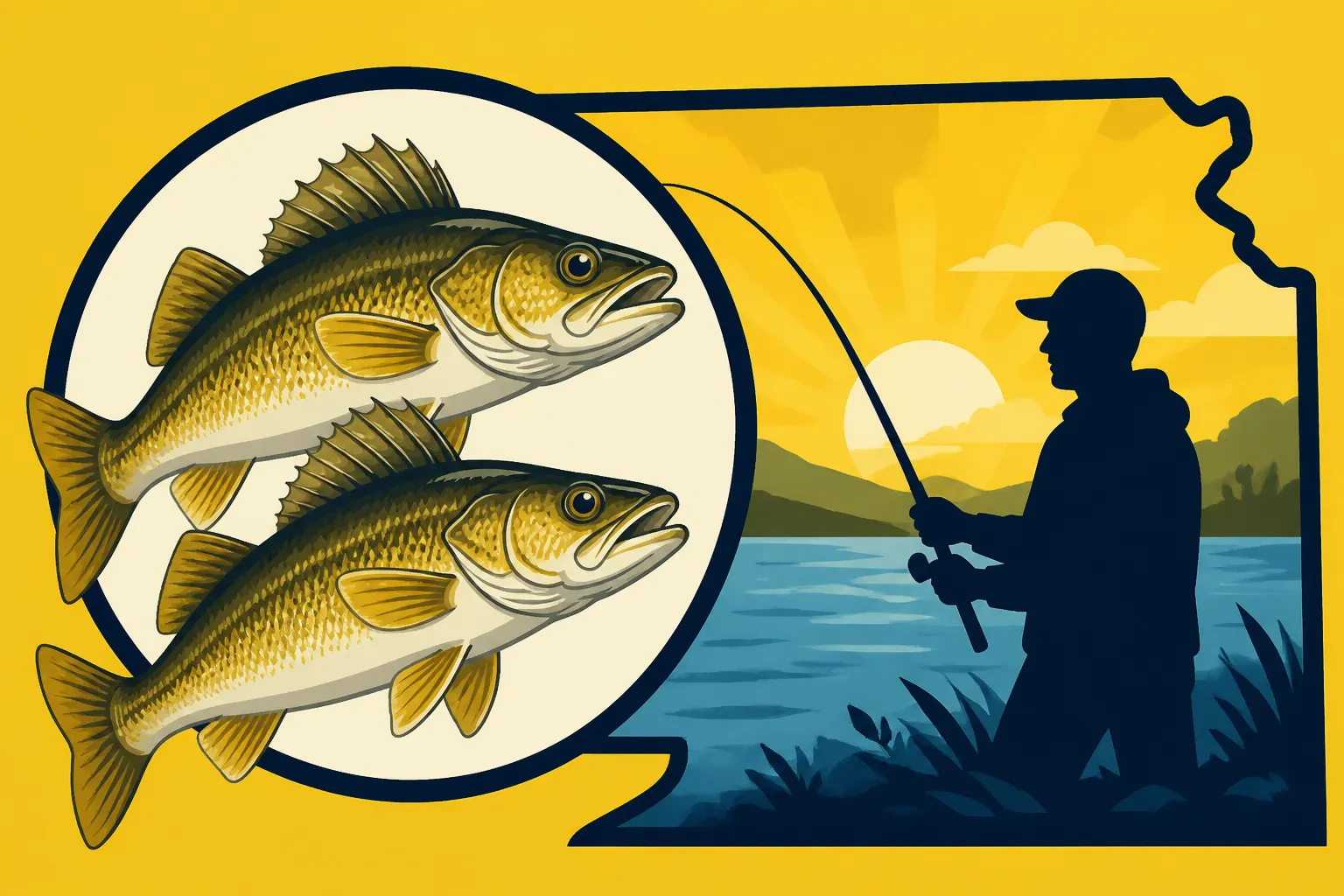
Why the Kansas Walleye Limit Is Only Two Fish
It can be incredibly puzzling, even a little frustrating, to see a daily limit of just two walleye when you're out on the big Kansas reservoirs, especially when other species allow for a much more generous creel. You might find yourself wondering why KDWP sets such a seemingly restrictive number. This guide will dive deep into the specific reasons behind the Kansas walleye limit, explaining the biological necessities, management strategies, and the long-term vision that informs these crucial regulations.
Understanding Kansas Walleye Management Strategies
The Kansas Department of Wildlife and Parks (KDWP) doesn't just pull numbers out of a hat when it comes to setting fishing limits. Every regulation, including the seemingly low two-fish walleye limit, is carefully crafted based on extensive scientific research, population surveys, and a deep understanding of the species' biology. It's all about ensuring the health and sustainability of our precious fisheries for generations to come.
The Biological Need for Limits
Walleye are a prized sport fish in Kansas, known for their elusive nature and delicious white meat. However, they're also a species that requires careful management due to their specific biological characteristics. Unlike some other fish, walleye don't typically reproduce in massive numbers annually, and their recruitment (the survival rate of young fish to adulthood) can be highly variable, often dependent on environmental factors like water levels and temperature during their spawning season.
Their growth rate, while decent, means it takes several years for a walleye to reach a size where it can reproduce effectively. If anglers were allowed to harvest large numbers of these fish, especially before they've had a chance to spawn multiple times, the population could quickly be decimated. KDWP regularly monitors these populations in lakes like Milford Lake, Cheney Reservoir, and Wilson Lake to understand their health. The current limits are a direct response to ensuring that enough adult walleye survive to contribute to the next generation, protecting the future of Kansas Walleye Fishing. Without these limits, it wouldn't take long for the walleye fishing to suffer dramatically, impacting everyone who enjoys chasing these elusive fish.
Balancing Angler Harvest and Fish Population Health
The core challenge for any wildlife management agency is to strike a delicate balance between allowing anglers to enjoy their sport and harvest fish, while simultaneously safeguarding the long-term health of the fish populations. With walleye, this balance is particularly crucial. A low daily limit, like two fish, serves several important functions in achieving this balance.
Firstly, it significantly reduces the overall harvest pressure on the walleye population. If every angler kept a dozen walleye every time they went out, our reservoirs would quickly be depleted. By limiting the number, KDWP spreads the harvest among more anglers, giving a greater number of people the opportunity to catch and keep a couple of quality fish, rather than a few anglers catching many. This approach fosters a more equitable distribution of the resource. Secondly, it incentivizes catch-and-release, especially for those who might catch more than their limit but choose to release healthy fish back into the water. This mindset helps promote conservation and ensures that a robust breeding stock remains, which is vital for the natural reproduction of walleye. These rules are part of the broader framework of Kansas Fishing Regulations Explained, designed to protect all species.
The Specifics of the Kansas Walleye Limit
So, let's get down to the nitty-gritty of what the regulation actually entails and why those specific numbers are in place. It's not just a "two fish" rule; there's also a critical length component that works in tandem to protect the fishery.
The Two-Fish Daily Creel Limit
In Kansas, the daily creel limit for walleye is indeed set at two fish. This means that in any given day, an angler cannot possess more than two walleye that meet the legal length requirements. This limit is one of the more stringent in the state's fishing regulations, reflecting the particular vulnerability and value of the walleye population. Compare this to species like crappie or white bass, which often have much higher daily limits. The reason for this disparity lies directly in the reproductive capacity, growth rates, and popularity of the species.
For walleye, a lower limit helps prevent overfishing by individual anglers and discourages commercial-scale harvest, which would be detrimental to a recreational fishery. It forces anglers to be selective and often encourages a "quality over quantity" approach. You might not fill a cooler with walleye, but you'll likely be bringing home two good-sized, healthy fish that you worked hard for. This also ensures that there's always a chance for other anglers to experience the thrill of catching one of these coveted fish. Understanding the Kansas Fishing Seasons and Limits is crucial for all anglers.
The 21-Inch Minimum Length Requirement
Hand-in-hand with the two-fish daily limit is the equally critical 21-inch minimum length requirement for walleye in most Kansas waters. This means that any walleye caught must measure at least 21 inches from the tip of its snout to the end of its tail, or it must be immediately and carefully released. This regulation is perhaps even more vital than the creel limit for the long-term health of the walleye population.
The 21-inch minimum length is specifically designed to protect immature walleye, allowing them to reach sexual maturity and spawn at least once, and ideally multiple times, before they become legal for harvest. Walleye typically reach sexual maturity around 15-18 inches for males and 18-20 inches for females, though this can vary slightly by water body and individual fish. A 21-inch minimum ensures that these fish have had a chance to contribute to the natural reproduction cycle. Removing fish before they've had a chance to reproduce significantly impacts the future population. Additionally, larger fish tend to be more prolific spawners, producing more eggs. By protecting these mid-to-large size fish, KDWP ensures a healthier and more resilient walleye population for years to come. For more details on this, you can check out the Kansas Walleye Length Limits.
The Science and Data Behind the Regulations
These regulations aren't arbitrary; they are the result of rigorous scientific study and ongoing monitoring by KDWP fisheries biologists. They are constantly collecting data, analyzing trends, and adapting management strategies to ensure the best outcomes for both the fish and the anglers.
KDWP's Monitoring and Stocking Programs
KDWP employs a variety of methods to monitor walleye populations across Kansas reservoirs. This includes extensive netting surveys, where biologists deploy gill nets and trap nets at different times of the year to capture, measure, weigh, and assess the health of walleye. Electrofishing is another common technique, particularly in shallower waters, where an electric current temporarily stuns fish, allowing them to be safely collected, processed, and released.
Through these surveys, biologists collect crucial data points:
- Population Density: How many walleye are in a given area?
- Age and Growth Rates: How fast are the fish growing? What age classes are present?
- Reproductive Success: Are enough young walleye surviving to replenish the population?
- Harvest Pressure: How many fish are being caught and kept by anglers?
This data helps KDWP determine if a population is healthy, declining, or thriving, and whether current regulations are effective. For example, if surveys show a lack of larger, spawning-size walleye, it might indicate that the length limit isn't sufficient, or that harvest pressure on those sizes is too high. This data also informs their extensive stocking programs. Many of Kansas's walleye fisheries are sustained, at least in part, by supplemental stocking. KDWP raises and releases millions of walleye fingerlings into reservoirs like Clinton Lake, Council Grove Lake, and Perry Lake annually. The regulations, particularly the 21-inch minimum, work hand-in-hand with these stocking efforts to protect those stocked fish until they can contribute to the fishery naturally. It's a comprehensive approach to managing Kansas Walleye Fishing.
Case Studies: What Happens Without Strict Limits
To truly appreciate why Kansas has a two-fish, 21-inch walleye limit, it's helpful to consider what happens in fisheries where such protective measures are absent or insufficient. History, both locally and globally, is full of examples of how overharvest can devastate a fish population.
Imagine a scenario where there were no length limits, and anglers could keep any walleye they caught, regardless of size. Many anglers would naturally target the easier-to-catch smaller fish, which are more abundant. This would result in a "growth overfishing" situation, where too many young fish are removed before they have a chance to grow to their full potential and, critically, before they can reproduce. Over time, the average size of fish in the population would decrease dramatically, and the overall number of fish would dwindle as fewer and fewer individuals reach spawning age.
Similarly, if the creel limit was much higher, say 10 or 15 fish per day with no length limit, a relatively small number of highly skilled or persistent anglers could remove a significant portion of the fish population, especially during peak feeding times or spawning aggregations. This would lead to a rapid decline in fish numbers and a complete collapse of the fishery. We’ve seen this happen with other species in different regions, where a once-thriving fishery becomes a ghost of its former self due to insufficient regulations. The Kansas walleye limits are proactive measures designed to prevent such a collapse, ensuring that anglers can continue to enjoy catching walleye for years to come. These measures contribute to why Kansas has some of the Best Walleye Lakes in Kansas.
Angler Perspectives and Adapting to the Limit
While the two-fish limit might initially feel restrictive, many seasoned Kansas walleye anglers have come to appreciate and even embrace it. It shifts the focus from filling a cooler to the quality of the catch and the sport of pursuing these challenging fish.
Embracing Quality Over Quantity
For many anglers, the two-fish walleye limit transforms the fishing experience. Instead of a frantic race to catch as many fish as possible, it becomes a strategic pursuit for two legal-sized, healthy walleye. This encourages a more thoughtful approach to fishing, emphasizing technique, patience, and understanding fish behavior. The satisfaction of landing two beautiful 21-inch-plus walleye after a challenging day on the water is often far greater than catching a dozen smaller, less impressive fish.
It also strongly promotes catch-and-release practices. Many anglers, once they have their two legal fish, will continue fishing, carefully releasing any additional walleye they catch. This not only helps preserve the population but also allows more anglers to enjoy the thrill of the fight. The focus shifts to the experience – the hunt, the battle, and the respectful handling of the fish – rather than solely on the final haul. This cultural shift among anglers is a vital component of sustainable fisheries management. If you're looking for gear to improve your success, many online retailers like Amazon offer a wide array of specialized walleye lures and equipment.
Gear and Techniques for Targetting Walleye
Adapting to the walleye limit also means refining your gear and techniques to specifically target those legal-sized fish. Walleye are known for being structure-oriented and often prefer specific depths and water temperatures. Successfully catching them often involves precision.
Anglers targeting walleye might focus on:
- Jigging: Using jigs tipped with live bait (like shiners or nightcrawlers) or soft plastics can be incredibly effective when walleye are holding tight to structure or deep breaks.
- Trolling: Covering large areas with crankbaits, especially those designed to dive to specific depths, can help locate active walleye, particularly on large reservoirs like Cheney Reservoir Walleye Fishing or Milford Lake Walleye Fishing.
- Bottom Bouncing: This technique involves a specialized weight that "bounces" along the bottom, keeping your bait (like a spinner rig with a worm) right in the strike zone where walleye often feed.
Having the right equipment, such as a sensitive medium-light to medium-heavy action rod, a good quality spinning or baitcasting reel, and a reliable fish finder, can make a huge difference. You can find excellent Kansas Walleye Fishing Techniques resources that delve into these methods in more detail. Investing in good quality tackle from places like Amazon, known for a wide selection, can definitely pay off when you're trying to entice those elusive keepers. For more specific recommendations, exploring articles like Best Lures for Kansas Walleye can also be very helpful.
Here's a quick summary of the key Kansas Walleye Regulations:
| Regulation Type | Specifics | Purpose |
|---|---|---|
| Daily Creel Limit | 2 Walleye | Reduces overall harvest, distributes catch among more anglers. |
| Minimum Length | 21 inches (statewide, consult local exceptions) | Protects immature fish, ensures at least one spawning cycle. |
| Possession Limit | Double the daily creel limit (4 Walleye) | Allows for multi-day trips while preventing excessive harvest. |
Note: Always consult the official KDWP fishing regulations for the most current and site-specific rules before heading out, as regulations can change and some waters may have special provisions.
Disclaimer
Please remember that fishing regulations, including limits and length requirements, can change. Always consult the official Kansas Department of Wildlife and Parks (KDWP) regulations guide or website before any fishing trip to ensure you have the most up-to-date information for the specific body of water you plan to fish. This guide is for informational purposes only and should not be considered a substitute for official KDWP resources.