Kansas Crappie Fishing Techniques
There's nothing quite like the frustration of heading out to your favorite Kansas lake, armed with all your gear, only to spend hours chasing elusive crappie without a single bite. You know they're there, hidden somewhere in the depths or tucked away in cover, but figuring out how to consistently put them in the boat or on the bank can feel like solving a complex puzzle. This comprehensive guide will peel back the layers of mystery surrounding Kansas crappie fishing, providing you with seasonal strategies, essential gear recommendations, and proven techniques to transform your crappie fishing from a guessing game into a consistent success.
Understanding Kansas Crappie Behavior Through the Seasons
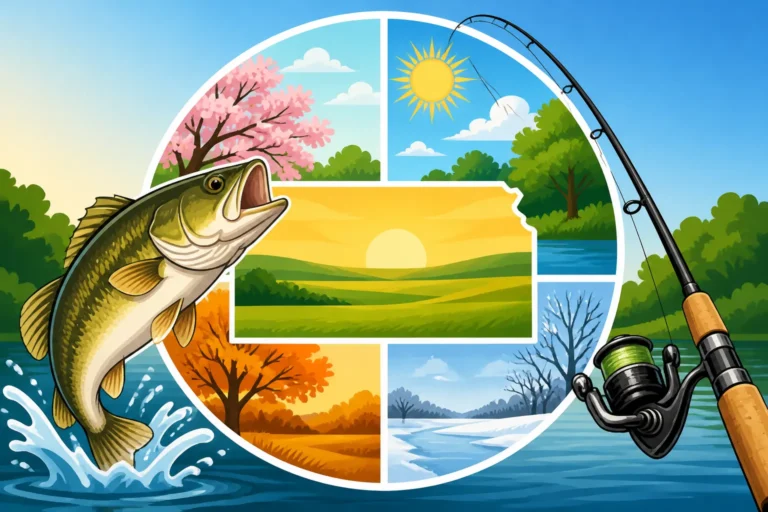
Crappie, whether white or black, are fascinating fish whose behavior patterns shift dramatically with the changing seasons, largely dictated by water temperature and food availability. To consistently catch them, you first need to understand their annual calendar and how they respond to the environment. Without this foundational knowledge, you're essentially just throwing darts in the dark.
Spring: The Spawn and Pre-Spawn Frenzy
Ah, spring! This is arguably the most anticipated time for crappie anglers in Kansas, and for good reason. As the ice melts and water temperatures begin to climb, crappie stir from their winter slumber and migrate towards shallower waters to feed aggressively in preparation for spawning. This pre-spawn period, typically when water temperatures are in the low 50s Fahrenheit, can offer some of the most exciting action of the year. They're hungry, active, and concentrating in areas that offer both food and protection.
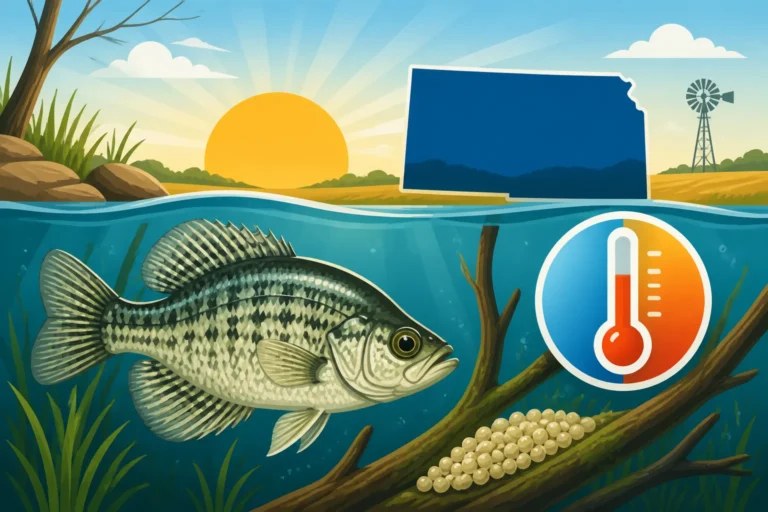
Once water temperatures reach the mid-50s to low 60s, the crappie spawn kicks into full gear. Female crappie move into incredibly shallow water, often just a few feet deep, to deposit their eggs on submerged brush, rocks, or even lily pads. Males then guard these nests diligently. This is when crappie are most vulnerable and concentrated, making them easier targets for anglers who know where to look. Understanding When Crappie Move Shallow in Kansas is key to intercepting these fish. Look for north-facing banks or protected coves that warm up faster, creating ideal spawning conditions. The challenge here is not just finding them, but presenting your bait or lure in a way that triggers a strike without spooking these territorial fish.
Summer: Deep Water and Nighttime Opportunities
As Kansas summer heats up and water temperatures soar into the 70s and 80s, crappie vacate their shallow spawning beds and retreat to deeper, cooler, and more stable environments. This can be a frustrating time for anglers accustomed to spring's easy pickings. They'll seek out thermal refuges where they can find both comfort and a reliable food source, often suspending over deep creek channels, congregating around submerged timber, or hiding in the dense shade of brush piles. Think about the deepest parts of your favorite lake, like Milford Lake or Cheney Reservoir; crappie will often be found at depths of 15 to 30 feet, or even deeper, relating to significant structure.
Summer also ushers in prime opportunities for night fishing. As the sun sets and the water cools slightly, crappie become more active and less wary. The use of submerged lights, which attract baitfish like shad and minnows, in turn draws in hungry crappie. This technique can be incredibly effective, especially on clear-water lakes where crappie might be more skittish during daylight hours. Night fishing allows you to target these deeper fish in a more relaxed and often more productive setting, away from the midday sun and boat traffic. The key is to be prepared with the right lighting and a patient approach.
Fall: Following Baitfish and Cooler Waters
When autumn leaves begin to change color and the crisp air signals falling water temperatures, Kansas crappie embark on another significant migration. This post-spawn, pre-winter period is often characterized by what anglers call the "fall feed." Crappie are preparing for the lean winter months by gorging themselves on baitfish. They become much more active and roam widely, often following large schools of shad as they move from deep main lake basins into creek arms and coves.
This is a time of transition, where crappie might be found at various depths depending on the specific water body and current conditions. They'll often school up in larger groups, making it possible to catch multiple fish once you locate a productive school. Look for them in the mid-depth ranges, typically 8-20 feet, especially around the edges of creek channels, humps, and submerged points where baitfish are abundant. Locating How to Find Crappie in the Fall often means keeping an eye on your fish finder for bait balls and then targeting the areas directly below or around them. They're still structure-oriented but will move more freely than in summer.
Winter: Ice Fishing and Deep Water Patience
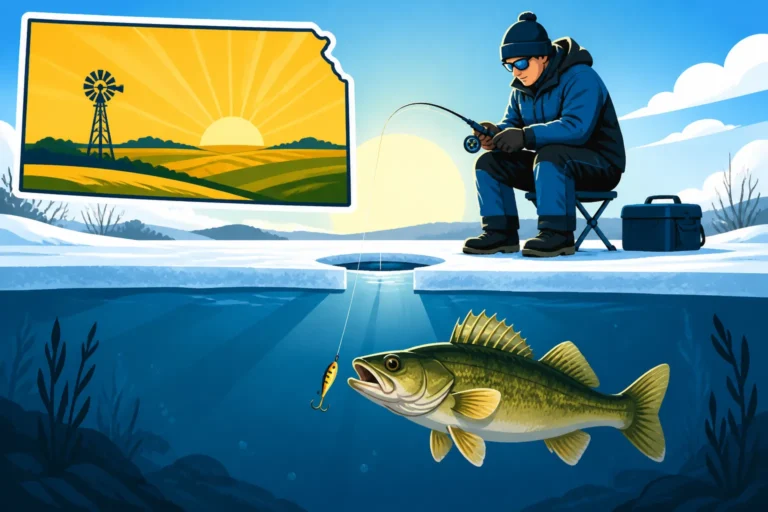
Winter fishing in Kansas, whether through the ice or on open water, demands a different kind of patience and precision. As water temperatures plummet, crappie's metabolism slows significantly, and they become less active. They typically retreat to the deepest, most stable parts of the lake or reservoir, often suspending in large schools over deep water, or holding tight to the bottom in deep timber or brush piles. On smaller lakes or ponds that freeze over, ice fishing offers unique access to these deep-water haunts.
For ice anglers, finding these suspended schools is paramount. Crappie will often hold just above the thermocline, or near the bottom in tight groups. A good fish finder is indispensable here. For those fishing open water on larger reservoirs like Perry Lake or Wilson Lake, it means slow, meticulous presentations in deep basins or targeting deep submerged river channels. The bites will be subtle, and the action slower, but winter crappie can be incredibly rewarding, offering some of the best-eating fish of the year. This is where your understanding of Kansas Ice Fishing Guide comes in handy, ensuring you're safe and equipped for the conditions.
Essential Gear for Kansas Crappie Success
Having the right tools for the job can make all the difference in crappie fishing. While you don't need to break the bank, investing in some quality, purpose-driven gear will significantly improve your catch rates and overall enjoyment on the water. Crappie fishing often requires finesse and sensitivity, which means your tackle choices are critically important.
Rods, Reels, and Line Choices
For crappie, a lightweight, sensitive setup is paramount. You're typically using small baits and detecting subtle bites, so feel is everything.
- Rods: A good crappie rod is usually 5 to 7 feet long, with a light to ultralight action and a fast tip. This combination allows for long, accurate casts of small lures, provides excellent sensitivity for detecting light bites, and offers enough backbone to handle a decent crappie while still protecting light line. Many anglers favor a 6-foot, light-action spinning rod. For spider rigging or trolling, longer rods, sometimes up to 12-16 feet, are used to spread lines out from the boat. Consider brands like BnM Poles or Lew's for specialized crappie rods, which you can often find great deals on through Amazon.
- Reels: A small spinning reel (500 to 1000 series) that balances well with your chosen rod is ideal. Smooth drag is crucial, as crappie have soft mouths that can tear easily under too much pressure. A quality reel ensures smooth line retrieval and minimal tangles, making for a more pleasant fishing experience. For specific recommendations, check out our guide on the Best Reel Size for Crappie.
- Line: Light line is key for crappie fishing. 4 to 6-pound test monofilament or fluorocarbon is generally preferred for its invisibility and low stretch. Monofilament is a popular choice due to its affordability and forgiving stretch, while fluorocarbon offers superior abrasion resistance and less stretch for better sensitivity. Some anglers use braided line for sensitivity, but often add a fluorocarbon leader for stealth. The thin diameter of lighter lines allows for better lure action and deeper presentations with lighter weights.
Baits and Lures That Crappie Can't Resist
Crappie are opportunists, and a wide variety of baits and lures can entice them. However, some stand out as consistent performers in Kansas waters.
- Live Bait: Live minnows are, for many, the undisputed champion for crappie fishing. A lively minnow suspended under a bobber or fished on a small jig head is often irresistible. The natural movement and scent of a minnow can trigger strikes even when crappie are less active. Small shiners or fathead minnows are commonly used. You can find excellent bait storage systems for keeping minnows lively, many of which are available on Amazon.
- Jigs: Small jigs, typically 1/16 to 1/8 ounce, are incredibly versatile. They can be tipped with a minnow, a small plastic grub, or a tube bait. Colors vary by water clarity and forage, but chartreuse, white, pink, and various combinations are popular. Jigging spoons and blade baits can also be effective, especially when crappie are holding deep. For more in-depth advice on specific presentations, our guide on the Best Bait for Kansas Crappie offers excellent insights.
- Soft Plastics: Tiny soft plastic grubs, tubes, and "crappie magnets" in sizes ranging from 1 to 2 inches are highly effective. These can be fished on bare jig heads, under bobbers, or slow-trolled. The variety of shapes, colors, and actions allows anglers to mimic various baitfish and insect larvae that crappie feed on. Experiment with retrieve speeds and jigging motions to find what crappie prefer on any given day.
Electronics and Accessories for Locating Crappie
In crappie fishing, especially when targeting suspended fish or deep structure, "finding" them is often 80% of the battle. Electronics can significantly shorten this search.
- Fish Finders (Sonar): A quality fish finder is almost a necessity for serious crappie anglers. Look for models with good down imaging and side imaging capabilities, which allow you to see structure, baitfish schools, and individual crappie in detail. Portable fish finders are great for kayak anglers or those who fish from various locations. Brands like Humminbird and Lowrance offer excellent options across various price points, many of which can be ordered through Amazon.
- Trolling Motors: For precise boat control, especially when slow trolling or holding over a specific brush pile, a reliable trolling motor is invaluable. Spot-Lock or equivalent GPS anchoring features are game-changers, allowing you to stay on a productive spot without dropping an anchor.
- Crappie Lights: For summer night fishing, submersible crappie lights are essential. These lights attract plankton, which draws in baitfish, and in turn, attracts crappie. Both green and white lights are popular, with green often preferred for its ability to penetrate water effectively.
- Rod Holders: When spider rigging or slow trolling, multiple rod holders allow you to present several baits at different depths and distances from the boat, increasing your chances of finding the crappie's preferred zone.
Mastering Spring Crappie Techniques in Kansas
Spring crappie fishing can be fast and furious, but you need to understand their predictable movements and behaviors during this crucial time of year. Knowing where they'll be and how they'll react is half the battle.
Identifying Spawning Grounds and Pre-Spawn Staging
As Kansas waters warm, crappie first gather in "staging" areas before moving to their actual spawning beds. These staging areas are typically slightly deeper waters adjacent to known spawning flats or coves. Think about points that lead into a shallow cove, or creek channels that run alongside a broad, shallow flat. They’ll congregate here, feeding heavily and waiting for the water to reach optimal spawning temperatures. These spots are often overlooked but can hold massive numbers of fish. Look for depths between 8-15 feet during this phase, especially areas with submerged brush or timber that provides cover.
Once the spawn truly kicks in, crappie move into incredibly shallow water, often just 1-5 feet deep. They prefer areas with some form of cover – flooded timber, brush piles, submerged weed beds, or even riprap shorelines – where they can build their nests. North-facing banks tend to warm faster and are often productive early in the spawn. Protected coves with dark, mucky bottoms also absorb heat quickly. A great place to start your search is by targeting the backs of creeks and shallow pockets on the main lake that offer both warmth and cover. Remember that Best Depth for Crappie Fishing in Spring can vary significantly based on sunlight and water clarity, so be prepared to adjust.
Casting and Pitching Jigs to Shallow Cover
During the pre-spawn and spawn, casting and pitching small jigs into shallow cover is a highly effective technique. Crappie holding tight to structure are often ambush predators, waiting for an easy meal to swim by. A small jig, whether tipped with a minnow or a soft plastic, presented accurately into these areas can be irresistible.
- Jig Presentations: For tight cover, a simple cast-and-retrieve method with a slow, steady retrieve or a subtle twitching action can work wonders. Allow the jig to sink for a few seconds before starting your retrieve, letting it get down to the fish. When fishing around brush or timber, try "swimming" the jig just above or through the branches. Use light line, like 4-pound test, to maximize sensitivity and natural lure action. The weight of your jig should match the depth and wind conditions; 1/32 or 1/16 ounce is common for shallow water.
- Targeting Specific Cover: Focus your efforts on visible cover such as submerged logs, dock pilings, lily pad edges, and brush piles that are just barely under the surface. Make precise casts that land your jig right on the edge of the cover or directly into pockets within it. Sometimes, a gentle "plop" of the jig hitting the water is enough to get a crappie's attention. Patience is key here; work each piece of cover thoroughly before moving on. For more detail on specific jigging strategies, read about How to Jig for Crappie in Rocky Cover.
Spider Rigging and Slow Trolling Tactics
When crappie are spread out over flats or along channel edges during the pre-spawn, spider rigging or slow trolling can be an incredibly efficient way to cover water and locate schools. This technique involves using multiple long rods extended out from the boat, presenting several baits at varying depths simultaneously.
- Spider Rigging Setup: Typically, anglers use 4-8 long rods (10-16 feet) in specialized rod holders around the boat. Each rod is rigged with a different bait, often a jig-and-minnow combination or a small soft plastic. The baits are then slowly pulled through the water, usually at speeds of 0.5 to 1.5 mph. The goal is to present a wide "spread" of baits to maximize the chances of intersecting a school of crappie. This method is particularly effective for suspended crappie or those holding slightly off the bottom.
- Slow Trolling: Similar to spider rigging but often with fewer rods and a focus on following specific contour lines or channel breaks. Trolling allows you to systematically explore larger areas of the lake. Experiment with different jig weights, colors, and depths until you find what the crappie are responding to. A small electric trolling motor is essential for maintaining slow, consistent speeds, especially in windy conditions. Many anglers use a small sonar unit on their trolling motor to precisely guide their baits over submerged structure or baitfish schools.
Summer Strategies for Deep-Water Crappie
Summer can test an angler's patience, but with the right approach, it can be a highly rewarding time to chase crappie in Kansas. The key is to think deep and be willing to fish through the night.
Locating Deep Brush Piles and Submerged Structures
As the heat intensifies, crappie seek refuge in the cooler, more stable waters of the main lake basin or deeper creek channels. Their preferred summer hangouts are deep brush piles, submerged timber, rock piles, ledges, and creek channel drops. These structures provide shade, cover from predators, and often hold schools of baitfish, creating a complete ecosystem for crappie.
- Using Sonar: This is where your fish finder truly shines. Spend time idling over promising areas, meticulously scanning for submerged structure and schools of fish. Look for significant depth changes, sharp drop-offs, or irregular bottom contours that might indicate hidden cover. Once you locate a brush pile or a cluster of timber, mark it on your GPS. Modern side imaging sonar can reveal these treasures off to the sides of your boat, allowing you to cover more ground efficiently.
- Targeting Specific Lakes: Larger Kansas reservoirs like Clinton Lake, Melvern Lake, or Pomona Lake, with their extensive submerged timber and deep creek channels, are prime candidates for summer deep-water crappie. Many of these lakes have intentionally placed brush piles by the Kansas Department of Wildlife, Parks, and Tourism (KDWPT) to enhance fish habitat, and these locations are often publicly available. Look for them on KDWPT lake maps or online resources.
Vertical Jigging and Dropping Baits
Once you've pinpointed a deep brush pile or a school of crappie suspended over a creek channel, the most effective technique is often vertical jigging or dropping baits directly down to them. This precise presentation minimizes spooking the fish and keeps your offering in the strike zone longer.
- Precise Presentation: Use your trolling motor to position your boat directly over the marked structure or fish school. Drop a small jig (1/8 to 1/4 ounce, depending on depth and current) or a minnow-tipped jig straight down. Watch your fish finder closely; you'll often see your bait descending and the crappie reacting. The key is to keep your bait just above the fish or right in the middle of the school.
- Subtle Movements: Summer crappie in deep water are often less aggressive. A slow, subtle jigging motion is usually more effective than aggressive jerks. A slight quiver of the rod tip or a slow lift-and-drop can entice a strike. Sometimes, simply holding the bait perfectly still a foot or two above the fish is all it takes. Be alert for those light "thump" bites or even just a feeling of added weight on your line.
Night Fishing with Lights and Minnows
As mentioned earlier, summer nights offer a fantastic opportunity to catch crappie, especially on clear-water lakes. The strategy revolves around attracting baitfish, which then draw in the crappie.
- Setting Up: Find a good spot over deep water, preferably near a creek channel or submerged timber. Anchor your boat securely. Deploy your submersible crappie lights, allowing them to hang a few feet below the surface. As the night progresses, plankton and insects are drawn to the light, followed by baitfish like shad.
- Fishing Techniques: Once the baitfish start swarming, the crappie won't be far behind. Use a simple slip bobber rig with a live minnow, setting the depth so your minnow is suspended just above or in the middle of the baitfish school. Small jigs tipped with minnows or soft plastics can also be effective. Cast them into the lighted area and retrieve slowly, or simply drop them vertically. The subdued light and calmer conditions often make crappie more willing to bite than during the bright, hot day. This is a relaxed and often highly social way to fish, perfect for a summer evening on the water.
Fall Crappie Fishing: Following the Food
Fall can be an incredibly productive time for crappie in Kansas, as they feed aggressively in preparation for winter. Their movements are largely dictated by the migration of their primary food source: baitfish.
Tracking Baitfish Movements
As water temperatures cool, baitfish, particularly shad, begin to move out of the shallow coves and into deeper creek channels and main lake basins. Crappie follow these baitfish schools relentlessly, making them easier to locate for anglers who know what to look for.
- Sonar for Baitfish: Your fish finder becomes your best friend in the fall. Instead of just looking for crappie, actively search for large schools of baitfish. They will appear as dense clouds or balls on your screen. Crappie will often be lurking right below, within, or on the edges of these baitfish schools. Concentrate your efforts on main lake points, channel swings, and tributary mouths where baitfish are likely to congregate before moving further into the creeks.
- Wind and Current: Pay attention to wind direction and any current, as these factors can push baitfish into predictable areas. Wind-blown points or areas where current eddies form can concentrate baitfish, and thus crappie. When you find one, chances are there are more in the vicinity.
Trolling and Casting Transition Zones
The fall is an excellent time for both trolling and casting, allowing you to cover water and adapt to the crappie's roaming behavior.
- Trolling Creek Channels: Slow trolling jigs or minnow rigs along the edges of creek channels is a highly effective way to intercept nomadic crappie. Maintain a speed of 0.8-1.5 mph, and vary your lure depth until you find the strike zone. Use your fish finder to stay precisely on the channel edge, as crappie will often suspend along these breaks. This is particularly effective on reservoirs with well-defined creek systems.
- Casting to Structure: While crappie are following baitfish, they still relate to structure. Cast small jigs or crankbaits to submerged brush piles, standing timber, or rock piles in the 10-25 foot range. Often, crappie will use these structures as ambush points along their feeding routes. Fan casting around these areas can help you locate scattered fish before a major school moves through. For more detail, check out our Kansas Fall Crappie Fishing Tips guide.
Targeting Creek Channels and Deep Flats
Crappie will use creek channels as highways during the fall, moving between deeper wintering grounds and shallower feeding areas. Deep flats adjacent to these channels are also prime locations.
- Channel Swings and Bends: Focus on the bends and swings in creek channels, as these areas often have deeper holes or scour points where crappie will hold. The inside turns might be shallower and warmer, attracting baitfish, while the deeper outside turns offer cooler water and cover for crappie.
- Deep Flats with Cover: Look for large, relatively flat areas in 15-30 feet of water that have scattered brush piles, rock formations, or standing timber. These deep flats can hold enormous schools of crappie in the fall, particularly as the water continues to cool. These are prime locations for spider rigging or vertical jigging, as you can often stay on a productive school for extended periods.
Unlocking Winter Crappie Opportunities
Winter crappie fishing might demand extra layers and a bit more grit, but the rewards can be substantial. When the bite is on, it often means pulling out several quality fish from a single spot.
Ice Fishing for Suspended Crappie
When Kansas lakes freeze over, ice fishing opens up access to spots that might be difficult to reach by boat during open water seasons. Crappie are often suspended in the water column during winter, making vertical presentations through the ice highly effective.
- Finding the Right Spot: Crappie on hard water will usually be in the deepest parts of the lake or pond, often suspending over the main lake basin or deep creek channels. Use a portable fish finder or "flasher" to locate schools of crappie and determine their precise depth. Drill multiple holes to cover a wider area, focusing on areas near submerged timber or brush piles, as these often hold fish.
- Subtle Presentations: Winter crappie are notorious for light bites. Use tiny jigs, usually 1/32 to 1/16 ounce, often tipped with a single crappie minnow or a small piece of scented plastic like a Berkley PowerBait Micro Power Grub. A small tungsten jig can be effective for getting down to depth quickly. A very slow, subtle jigging motion is usually best, sometimes just a gentle lift and drop of a few inches. Be patient, and don't be afraid to hold your bait perfectly still for extended periods.
Open Water Techniques in Winter's Chill
Not all Kansas lakes freeze completely, or perhaps you're fishing a year-round open water reservoir. In these conditions, crappie still gravitate to the deepest, most stable water available.
- Deep Water Structure: Focus on vertical presentations over deep brush piles, standing timber, or rock outcroppings in 20-40 feet of water. Crappie will often be tightly schooled and holding very close to these structures. Use your sonar to identify these "sweet spots."
- Dead Sticking: Sometimes, the best technique in cold water is to "dead stick" a minnow. This involves suspending a live minnow on a small hook (like a #4 or #6 Aberdeen) with a split shot or small sinker, directly below the boat, and letting it hang perfectly still. The natural movement of the minnow is often enough to trigger a strike from lethargic crappie. Keep your rod tip slightly submerged to reduce wind interference and increase sensitivity.
Patience and Precision in Cold Water
Winter crappie fishing is a game of patience and precision. The bites are often subtle, and the fish are less inclined to chase a bait.
- Feel the Bite: Because bites are so light, use a sensitive rod and line. Watch your line closely for any unnatural twitch or pause. Sometimes the only indication of a bite is a slight "tick" or a feeling of added weight. Keep a tight line to maximize feel.
- Slow and Low: Everything in winter fishing needs to be slow and low. Slow retrieves, slow jigging motions, and keeping your bait in the lowest part of the water column where the fish are holding. Don't be afraid to leave your bait in the strike zone for several minutes. When you find crappie in winter, you've often found a whole school, so stay put and work the area thoroughly.
Advanced Tips and Tricks for Kansas Crappie Anglers
Beyond the seasonal approaches, there are nuances and advanced tactics that can further elevate your crappie fishing game in Kansas. These tips often come from years of experience and paying close attention to the details.
Reading the Water and Interpreting Fish Finders
Becoming a truly successful crappie angler involves more than just casting a line; it's about understanding the subtle cues the water gives you and expertly interpreting your electronics.
- Water Clarity and Color: Clear water often means crappie are spookier and hold deeper, requiring lighter lines and more natural bait presentations. Murky or stained water, common in many Kansas reservoirs after heavy rains, can make crappie more aggressive and willing to strike larger, brighter baits closer to the surface. Pay attention to how color and clarity change throughout the year and adjust accordingly.
- Wind and Waves: A light chop on the water can be beneficial, breaking up the surface and making your presentation look more natural while also stimulating crappie to feed. However, heavy wind can make boat control difficult and bites harder to detect. Learn to use the wind to your advantage, perhaps by drift fishing a long flat.
- Sonar Interpretation: Your fish finder isn't just for showing you blobs; it's a window into the underwater world. Learn to distinguish between baitfish, crappie, and other species. Crappie often appear as distinct arches or "blobs" that suspend higher in the water column compared to bottom-hugging catfish or bass. Practice reading contour lines on your mapping to understand underwater topography, such as old creek beds, humps, and points. The better you get at this, the faster you'll find productive spots. A good fish finder is a tool you can continually learn from.
The Art of Crappie Rigging: From Jigs to Slip Bobbers
Developing a versatile rigging arsenal for crappie will ensure you're prepared for any situation Kansas lakes throw at you.
- Jig and Minnow Combinations: The classic. Use a light jig head (1/32 to 1/8 oz) and thread a small minnow onto the hook, ensuring the hook point is exposed. This can be fished under a bobber, tight-lined, or slow-trolled. For more targeted advice on hook size, see our guide on the Best Hook Size for Crappie Jigs.
- Slip Bobber Rigs: Essential for presenting live bait or small jigs at a precise depth, especially when crappie are suspended. A slip bobber allows you to cast a bait rig that's set to a specific depth, much deeper than a fixed bobber. It's fantastic for fishing around submerged timber or brush where a fixed bobber would get snagged.
- Double Rigging: This technique uses two jigs or a jig and a minnow on a single line, often separated by 12-18 inches. This allows you to present two different colors or depths simultaneously, helping you quickly determine what crappie prefer. Just be mindful of local regulations on the number of hooks allowed.
- Pushing and Pulling: These are variations of trolling where you either "push" baits out in front of the boat (spider rigging) or "pull" them behind. Each has its advantages depending on depth, structure, and crappie behavior. Experiment with both to see what works best on a given day.
Local Hotspots and Community Lake Strategies
Kansas offers a wealth of crappie fishing opportunities, from vast reservoirs to smaller, community-managed lakes. Understanding the nuances of each can dramatically boost your success.
- Major Reservoirs: Lakes like Milford, Cheney, Wilson, and Tuttle Creek are renowned for their crappie populations. These larger bodies of water often require a boat and the use of electronics to navigate their extensive structures. Focus on the major creek channels, standing timber, and man-made brush piles.
- State Fishing Lakes: Kansas also boasts numerous State Fishing Lakes (SFLs) that are actively managed by KDWPT. These smaller lakes are often great for bank fishing or small boats and frequently receive habitat improvements. Many of these offer fantastic crappie fishing and are less intimidating than the big reservoirs.
- Community Fishing Lakes: Many cities across Kansas maintain "Community Fishing Lakes" (CFLs), which are often stocked and highly accessible, even for beginners or those without a boat. These lakes frequently have fishing piers, paved access, and amenities. While they may not hold the trophy crappie of larger reservoirs, they offer consistent action. Understanding the Kansas Community Fishing Lake Rules is important, as some may have specific regulations. These lakes are excellent places to practice new techniques and get kids hooked on fishing. You can often find great deals on basic crappie tackle for these spots on Amazon.
Regulations and Conservation for Sustainable Crappie Fishing
As responsible anglers, it's crucial to understand and abide by Kansas fishing regulations. These rules are in place to ensure healthy fish populations for future generations to enjoy. Beyond regulations, embracing conservation practices helps sustain our valuable natural resources.
Understanding Length and Bag Limits
Kansas has specific length and creel (bag) limits for crappie, which can vary by water body. It's imperative to consult the current Kansas Fishing Regulations Summary before each fishing trip.
- Statewide Regulations: Generally, Kansas has a statewide daily creel limit for crappie, often quite generous, but a minimum length limit typically applies to ensure fish have a chance to reproduce. For specific numbers, our guide on Kansas Crappie Length and Bag Limits provides the most up-to-date information. However, always double-check the KDWPT official regulations, as they can change.
- Site-Specific Regulations: Many lakes and reservoirs in Kansas have special regulations that supersede the statewide rules. For example, a particular lake might have a slot limit (where fish within a certain size range must be released) or a reduced creel limit to protect trophy fish or rehabilitate a population. Always check the KDWPT fishing regulations for the specific lake you plan to fish. Failure to do so can result in fines and penalties, which nobody wants after a great day on the water.
Practicing Catch and Release and Ethical Angling
While crappie are delicious, practicing selective harvest and catch-and-release is vital for maintaining robust fisheries.
- Selective Harvest: Don't just keep every legal crappie you catch. Consider keeping smaller, eating-sized crappie for the skillet and releasing the larger, healthier "breeder" fish. These larger fish are crucial for successful spawning and passing on strong genetics. A good rule of thumb is to keep plenty for a meal but release the biggest fish to ensure a healthy population.
- Proper Handling: If you plan to release a crappie, handle it with care. Minimize its time out of the water, use wet hands when handling to protect its slime coat, and remove hooks gently. If a fish is deeply hooked, it's often best to cut the line rather than try to extract the hook, as this can cause more damage. A quality landing net can help you safely bring fish into the boat and reduce stress.
- Cleanliness and Respect: Always pack out what you pack in, leaving no trash behind. Respect other anglers, boaters, and property owners. These simple acts of ethical angling contribute to a positive experience for everyone and ensure our Kansas waterways remain beautiful and productive. Remember, we're all stewards of these incredible fishing resources. For a complete understanding of all rules, consult the Kansas Fishing Regulations Explained guide.
Disclaimer
Fishing regulations, conditions, and fish behavior can change. Always consult the latest Kansas Department of Wildlife, Parks, and Tourism (KDWPT) regulations before heading out. Safety should always be your top priority on the water.