Kansas Nonresident Trout Permit Cost
It can feel like a maze trying to figure out all the permits and licenses you need, especially when you're visiting Kansas from out of state and just want to enjoy some good trout fishing. You've got your main fishing license squared away, but then you hear whispers of an extra permit just for trout, and the cost and requirements can be unclear. This guide will walk you through exactly what a nonresident trout permit entails in Kansas, how much it costs, and why it's a necessary step before you cast a line for those beautiful rainbows.
Understanding the Kansas Nonresident Trout Permit
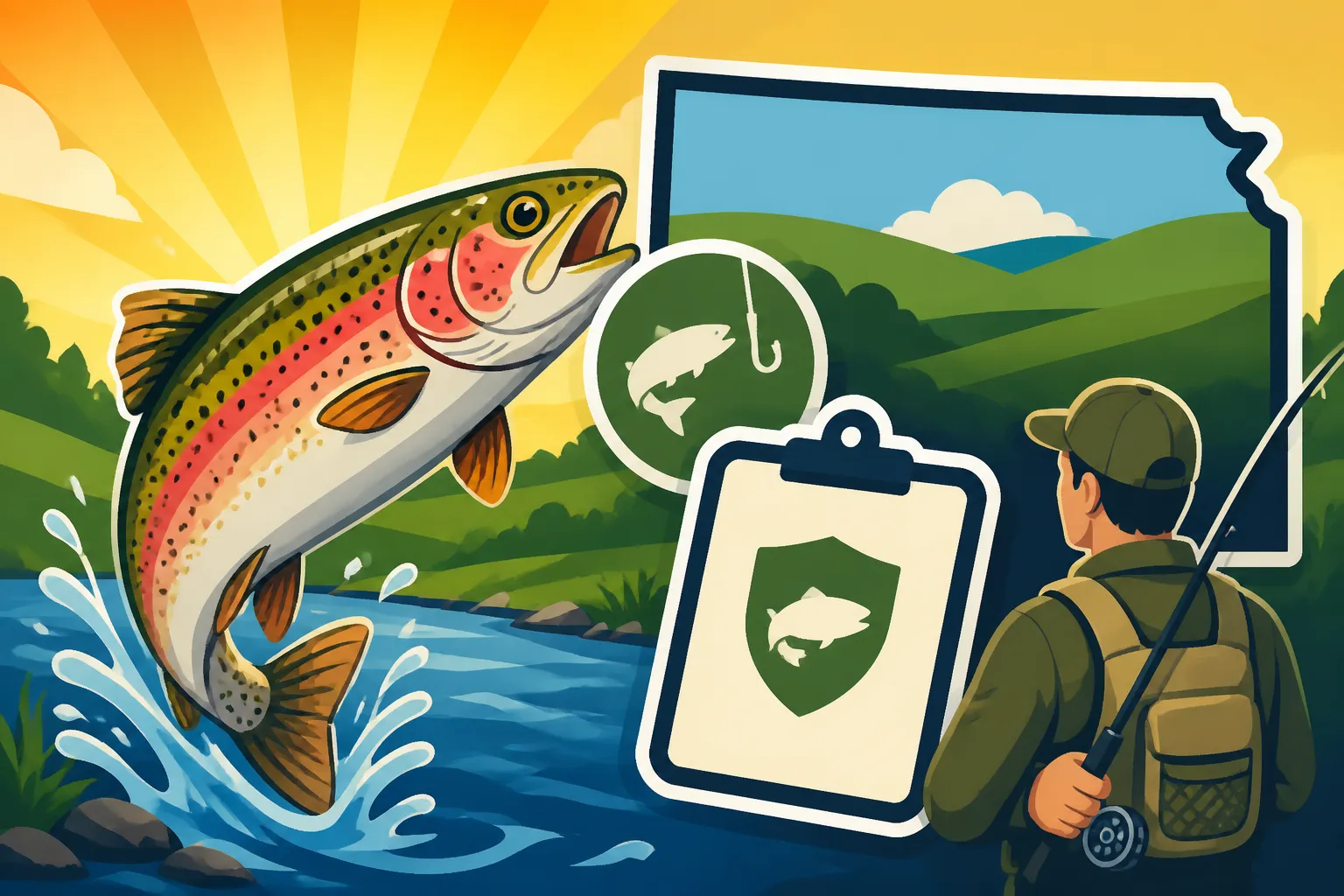
First things first, let's clear up a common point of confusion. If you're coming to Kansas from another state, you'll need a general nonresident fishing license. That's a given. However, if your plan includes targeting trout in waters designated for trout fishing, you're going to need an additional stamp on top of that base license. Think of it like a special access pass for specific fisheries and species. The Kansas Department of Wildlife and Parks (KDWP) uses the funds from these permits directly to support their trout stocking program, ensuring there are plenty of fish for everyone to enjoy. It’s not just an arbitrary fee; it’s what keeps those winter trout seasons vibrant and exciting for anglers.
Why the Extra Permit for Nonresidents?
You might be wondering why trout require their own separate permit, especially when you’ve already purchased a general fishing license. The simple truth is that trout aren't naturally abundant in many Kansas waters. The KDWP undertakes a significant effort and expense to stock thousands of rainbow trout each winter into various community lakes and state fishing lakes across the state. These are "put-and-take" fisheries, meaning they are stocked specifically for anglers to catch. The revenue generated from both resident and nonresident trout permits directly funds the purchase and transportation of these trout, which are often sourced from hatcheries outside of Kansas. Without this dedicated funding stream, maintaining a viable trout fishery would be incredibly difficult, if not impossible. So, while it feels like another hurdle, it's really an investment in the unique angling opportunity that Kansas provides during its colder months.
The Specific Cost for Nonresidents
Now, let's get down to brass tacks: the actual cost. As a nonresident angler looking to fish for trout in Kansas, you'll need to purchase a trout permit in addition to your Kansas Nonresident Fishing License Guide.
As of the most recent information, the cost for a nonresident adult trout permit is $14.50.
For younger anglers, there's a different rate: a nonresident youth trout permit costs $7.00. This applies to those under the age where a full fishing license is required but who are old enough to need a permit for trout. Generally, children under 16 don't need a general fishing license, but the trout permit rules still apply to youth who want to keep trout from designated waters.
It's important to remember these prices are for the permit itself and are separate from your base fishing license. Always double-check the KDWP website or a licensed vendor for the most current pricing, as fees can occasionally be adjusted.
How and Where to Purchase Your Nonresident Trout Permit
Getting your trout permit in Kansas is a fairly straightforward process, designed to be as convenient as possible for anglers, whether you're planning your trip weeks in advance or making a last-minute decision to hit the water. You have a few different avenues to acquire this essential stamp.
Online Purchase Options
The easiest and often most recommended way to get your nonresident trout permit is through the Kansas Department of Wildlife and Parks (KDWP) licensing portal. This online system is available 24/7, meaning you can purchase your permit anytime, anywhere, as long as you have internet access.
Here's a quick rundown of how it usually works:
- Visit the KDWP Website: Head to the official KDWP licensing section.
- Select Nonresident Options: Navigate to the nonresident fishing license and permit options.
- Choose Your Permits: You'll select your general nonresident fishing license first (if you don't already have one), and then you'll see the option to add the trout permit. Make sure you select the correct permit type (adult or youth).
- Provide Information: You'll need to enter your personal details, including your name, address, date of birth, and usually your driver's license number or state ID.
- Payment: Use a credit or debit card to complete the purchase.
- Print or Save: Once purchased, you'll usually receive an email confirmation with a printable copy of your permit. Many anglers now rely on digital copies stored on their phones, which is generally accepted by law enforcement, though having a physical backup is always a good idea. This allows you to quickly get your Kansas Fishing License Online Renewal done and add the trout permit in one go.
In-Person Purchase Locations
If you prefer a more traditional approach, or if you find yourself in Kansas and realize you forgot to grab your permit, there are plenty of physical locations where you can make your purchase.
- KDWP Offices: All KDWP regional and district offices sell licenses and permits. Staff there can also answer any questions you might have about specific regulations or trout stocking schedules.
- Licensed Vendors: Many sporting goods stores, bait and tackle shops, and even some large retailers like Walmart and local convenience stores are authorized KDWP license vendors. These locations often have staff who are knowledgeable about local fishing conditions and can provide valuable tips. It's always a good idea to call ahead to confirm their operating hours and that they sell fishing permits.
- State Park Offices: If you’re already at a state park that hosts a designated trout water, the park office might also be an option for purchasing your permit.
When buying in person, you'll typically need to show a valid form of identification. The process is quick, and you'll walk out with a physical permit in hand.
What Information You'll Need
Regardless of whether you purchase online or in person, be prepared to provide some basic information:
- Your full legal name.
- Your current physical address (from your home state).
- Your date of birth.
- A valid form of identification, such as a driver's license or state ID number.
Having this information readily available will ensure a smooth and quick transaction, getting you on the water faster to enjoy your trout fishing experience.
When a Nonresident Trout Permit is Absolutely Necessary
It's not enough to just buy the permit; you also need to understand when and where it's actually required. Not every body of water in Kansas holds trout, and even in those that do, the need for a permit is typically tied to specific seasons and stocking efforts. This is crucial for avoiding any unintentional run-ins with Kansas Fishing Law Enforcement and Penalties.
Kansas Winter Trout Stocking Season
The primary time you'll need a trout permit as a nonresident is during the KDWP's winter trout stocking season. This season typically runs from December 1st through March 31st. During these months, the KDWP actively stocks various lakes and ponds across the state with rainbow trout. These stockings create unique fishing opportunities in waters that wouldn't otherwise support a natural trout population.
- Designated Trout Waters: The permit is required when fishing in waters that have been specifically designated as "trout waters" by the KDWP. These are the locations where the stocking efforts are focused.
- Permit Period: Even if you're not actively targeting trout but are fishing in a designated trout water during the stocking season, you might still need the permit if you possess trout. The intent is to cover all angling activity in these special trout fisheries during their operational period.
For example, if you're visiting one of the many Kansas Community Fishing Lakes that receive trout stockings, and it's January, you'll definitely need that permit. You can find detailed information on the season and specific stocking locations in the KDWP’s Kansas Winter Trout Fishing Guide.
Year-Round Trout Waters and Exceptions
While the winter season is the most common time for trout fishing in Kansas, there are a few rare instances or unique scenarios to consider:
- Year-Round Trout Opportunities: Kansas does have a limited number of waters that are managed for year-round trout fishing, such as a few cold-water releases below dams (like below Milford Lake or Tuttle Creek). If you're fishing these areas, the trout permit may be required year-round, regardless of the typical winter stocking schedule. Always consult the most current Kansas Fishing Regulations Explained for specific details on these unique locations.
- "Catch and Release Only" Waters: In some instances, a specific section of a designated trout water might be designated "catch and release only." Even in these scenarios, you often still need the trout permit to legally fish for trout, as the permit funds the stocking that makes the fishing possible.
- Youth Exemptions: While a youth trout permit is available, be aware that some age exemptions for general fishing licenses (e.g., kids under 16 don't need a regular license) don't always extend to the trout permit if they intend to keep trout from designated waters. Always verify the rules for minor anglers with the KDWP.
To make it easier to understand, here's a quick reference table for nonresident trout permit costs:
| Permit Type | Nonresident Adult Cost | Nonresident Youth Cost |
|---|---|---|
| Annual Trout Permit | $14.50 | $7.00 |
Remember, having your permit handy, whether digitally or a physical copy, is essential. Conservation officers routinely check for both general fishing licenses and the specific trout permit in designated areas during the trout season.
Maximizing Your Nonresident Trout Fishing Experience
So you’ve got your nonresident fishing license and your trout permit in hand – excellent! Now it's time to make the most of your Kansas trout fishing adventure. Being prepared with the right knowledge and gear can make all the difference, especially when you're fishing unfamiliar waters.
Essential Gear and Tackle for Kansas Trout
Even though Kansas is known for its prairie landscapes, the KDWP does a fantastic job of creating quality trout fishing experiences. Having the right gear tailored for these stocked fisheries can greatly improve your success.
- Rods and Reels: A light to ultralight spinning rod (5 to 6 feet long) paired with a small spinning reel spooled with 4-6 lb test monofilament or fluorocarbon line is usually perfect. Trout in stocked ponds can be a bit line-shy, so a lighter line can be advantageous.
- Baits and Lures: Stocked rainbow trout often respond well to a variety of offerings. Popular choices include:
- PowerBait or Berkley Gulp! Trout Dough: These scented, moldable baits are highly effective when fished on a small hook with a lightweight sinker (like an egg sinker or split shot) on the bottom, or suspended under a bobber. You can find a wide range of colors and scents, with some anglers swearing by chartreuse or rainbow blends.
- Small Spinners: Lures like Panther Martin, Mepps, or Rooster Tail spinners in sizes #0 to #2 are deadly. Silver, gold, or brass blades with a colored body (black, white, yellow) often draw strikes.
- Mini Jigs: Small marabou jigs or plastic grub tails (1/32 to 1/16 ounce) in white, black, or olive can be effective when slowly retrieved or jigged.
- Live Bait: Worms (nightcrawlers, red wigglers) or small minnows can also entice trout.
- Other Essentials: Don't forget a small tackle box to keep your lures organized (many options are available on Amazon), a pair of needle-nose pliers for hook removal, a small net for landing fish, and a cooler with ice if you plan to keep your catch. A good pair of polarized sunglasses will help you spot fish beneath the surface on clear days.
For more in-depth advice on what to use, check out our guide on Kansas Trout Fishing Bait and Lures.
Understanding Trout Regulations Beyond the Permit
Just having the permit is one step; understanding the daily limits and specific rules for trout fishing is another critical component. These regulations are designed to manage the resource effectively and ensure fair fishing for everyone.
- Daily Creel Limit: In most designated trout waters during the winter season, the daily creel limit for trout is 5 fish. This means you can keep up to five trout per day. Once you've reached your limit, you must cease fishing for trout in that designated water until the next day.
- Possession Limit: The possession limit is usually twice the daily creel limit (10 fish), but always confirm the specific rules for the water body you are fishing.
- Length Limits: For most stocked rainbow trout in Kansas, there are no specific length limits, meaning you can keep any legal-sized trout caught within your daily creel limit. However, certain special regulation waters might have different rules, so always consult the KDWP fishing regulations summary before you head out.
- Methods of Take: Generally, you can use traditional rod and reel methods. Specific rules regarding the number of poles or tackle types might apply, so a quick check of the Kansas Fishing Regulations Explained is always recommended.
Finding Stocked Trout Waters
The KDWP does an excellent job of publicizing where and when they stock trout. Their website is your best friend for this, often providing a detailed stocking schedule. Many of these waters are part of the Kansas Community Fishing Lake Rules program, making them easily accessible, often with amenities like paved parking and fishing piers. You can also often find maps and directions to these locations, along with general information about the facilities. Some of these lakes even offer accessible fishing piers, which is fantastic for anglers with mobility challenges.
Don't be afraid to visit a local bait shop once you arrive in Kansas. These places are treasure troves of hyper-local knowledge, and the staff can often tell you which baits are hot, where the fish are biting, and any recent changes in local regulations or stocking schedules. Before your trip, picking up some essential winter fishing gloves on Amazon can keep your hands warm while handling fish in cold Kansas weather.
By understanding the permit requirements, knowing the cost, and being prepared with the right gear and knowledge of regulations, your nonresident trout fishing experience in Kansas can be incredibly rewarding. It’s an opportunity to enjoy a different kind of angling in the heart of the Midwest, and a chance to make some fantastic memories.
Disclaimer
Please note that fishing regulations and permit costs are subject to change. Always consult the official Kansas Department of Wildlife and Parks (KDWP) website or their most current fishing regulation summary for the most up-to-date and accurate information before planning your fishing trip. This guide is for informational purposes only.