Kansas Free Fishing Days Are June 6 and 7
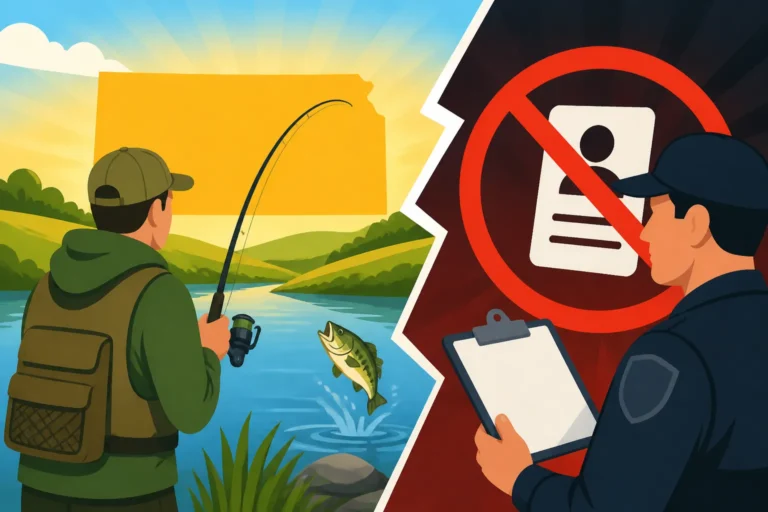
The joy of fishing in Kansas can sometimes feel a bit overshadowed by the upfront scramble to understand licenses, permits, and all the associated rules. It’s a common frustration, especially if you’re new to the sport or just looking for a spontaneous outing with the family. This comprehensive guide is here to clear the waters, focusing specifically on Kansas Free Fishing Days, which fall on June 6 and 7, offering a fantastic opportunity to cast a line without that primary licensing worry.
Understanding Kansas Free Fishing Days
For many of us who love to fish, the annual "Free Fishing Days" in Kansas are like a breath of fresh air. It’s a dedicated period when the Kansas Department of Wildlife and Parks (KDWP) opens up the state’s waters to everyone, regardless of whether they hold a current fishing license. It's a fantastic initiative, but like anything, there are nuances to understand.
What Are Free Fishing Days?
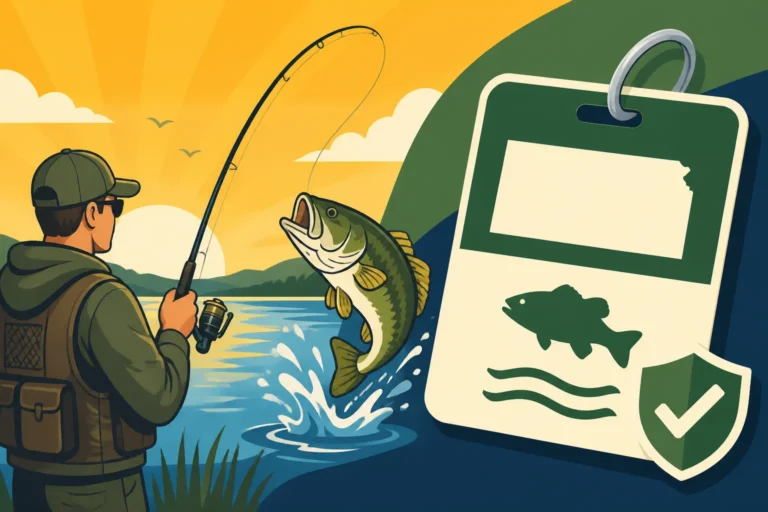
Simply put, Kansas Free Fishing Days are specific dates each year when the requirement for a state fishing license is temporarily waived for all residents and nonresidents. For 2024, these golden opportunities are June 6 and 7. This means that on these two days, you can grab your rod and reel and head to nearly any public waterbody in Kansas without having to purchase a Kansas Fishing License Guide or worry about the typical fees. It’s designed to encourage more people to experience the tranquility and excitement of fishing, from seasoned pros introducing grandkids to the sport, to complete beginners who’ve always wanted to try but felt daunted by the initial steps.
The idea is to remove a significant barrier – the cost and paperwork of a license – and simply let people enjoy the outdoors. Imagine not having to worry about how much a Kansas Resident Annual Fishing License Costs $25 or a Kansas Nonresident Annual Fishing License Costs $75 for a short outing. It's truly a gift to the community and a wonderful way to foster a love for angling.
Why Does Kansas Offer Free Fishing Days?
The KDWP has a multifaceted approach when it comes to offering free fishing days. Primarily, it's about promoting fishing as an accessible and enjoyable recreational activity for everyone. Think about it: many people might hesitate to buy a full annual license if they're unsure if they'll enjoy fishing, or if they only plan to go once or twice a year. Free Fishing Days provide that low-commitment entry point. It's a perfect chance for parents to take their kids out for the first time without the added expense or for former anglers to rekindle their passion.
Beyond just participation, these days also serve as an educational opportunity. Many local organizations and KDWP staff might host events, clinics, or demonstrations at various lakes and ponds across the state, teaching basic fishing techniques, fish identification, and ethical angling practices. It’s a way to introduce the public to the state's natural resources and the importance of conservation, all while having a good time. It can also be a fantastic way to explore new waters or try out a different fishing style, say, if you're usually a bass angler but want to try for catfish in a local community pond.
Specific Dates and Timing
Mark your calendars, because for the current year, the official Kansas Free Fishing Days are June 6 and June 7. These dates typically fall on the first full weekend of June, aligning with National Fishing and Boating Week, a nationwide initiative. It's important to remember that these dates are fixed and generally do not change throughout the year, so planning ahead is key.
This two-day window gives you ample opportunity. You can dedicate one day to a family outing at a local community lake, perhaps introducing the little ones to bluegill fishing, and the next day you could try a more adventurous spot, like a stretch of the Kansas River for channel catfish. The beauty is that the "free" aspect applies for the entire 24-hour period of both dates, from midnight to midnight, so whether you're an early bird or prefer a peaceful evening session, you're covered. Just ensure you're within these specific dates, as outside of them, standard Kansas Fishing License Guide rules apply.
Who Benefits from Kansas Free Fishing Days?
Free Fishing Days are truly for everyone, but certain groups find them particularly beneficial. It’s a fantastic equalizer, opening doors that might otherwise remain closed due to cost or unfamiliarity.
New Anglers and Families
Imagine you've never held a fishing rod, or perhaps you're a parent eager to introduce your children to the joys of the outdoors, but you're not sure where to start. The idea of investing in licenses for everyone, on top of gear, can be a real deterrent. That's where Free Fishing Days shine. They remove the primary barrier of the license cost, making it incredibly accessible for beginners and families.
For kids, it's an unforgettable experience. They don't have to worry about whether Do Kids Need a Fishing License in Kansas?, they can simply focus on the excitement of reeling in their first fish. Parents can relax knowing they're compliant with regulations without the extra expense, allowing them to concentrate on teaching their kids about casting, baiting hooks, and the patience that fishing requires. Many local parks, like those found in the Kansas Community Fishing Lake Rules program, are often great choices for these family outings, offering easy access and a good chance of catching smaller panfish, which can be perfect for keeping young anglers engaged. You can find affordable starter fishing kits on Amazon that include a rod, reel, line, and a basic tackle box, making the initial gear investment minimal for these exploratory days.
Visiting Nonresidents
Kansas boasts some incredible fishing opportunities, drawing anglers from neighboring states like Missouri, Oklahoma, and Nebraska. Typically, nonresidents face higher license fees, which can be a hurdle for a short visit. For example, a Kansas Nonresident Annual Fishing License Costs $75, which might seem steep for a weekend trip.
During Free Fishing Days, nonresidents are extended the same courtesy as residents – no state fishing license required! This is a massive boon for those looking to explore Kansas's diverse waters, from the famed walleye fisheries of Wilson Lake to the expansive crappie populations of Milford Lake, without the usual financial commitment. It provides an excellent chance to scout new fishing spots or visit family and combine it with a stress-free fishing excursion. Just remember, while the state fishing license is waived, other specific permits or access fees might still apply, so it’s always wise to check local regulations for your chosen fishing spot.
Experienced Anglers Trying New Waters
Even seasoned anglers can benefit from Free Fishing Days. Perhaps you typically fish for bass but have always wanted to try your hand at Kansas Catfish Fishing Techniques in a different reservoir, or maybe you’re curious about a state fishing lake you’ve never visited. Normally, exploring a new type of fishing or a completely new body of water might make you hesitate about committing to a full license if it's outside your usual routine.
Free Fishing Days eliminate that hesitation. It's a perfect no-pressure opportunity to test out a new technique, experiment with different lures, or explore a distant lake without feeling like you've "wasted" a license purchase on an unknown outcome. It allows you to broaden your angling horizons, find new favorite spots, or even just enjoy a relaxing day on the water without the usual regulatory checks at the back of your mind. You might even discover a hidden gem! For specific gear needs for a new technique, online retailers like Amazon offer a vast selection, ensuring you're ready for any new angling adventure.
Rules and Regulations During Free Fishing Days
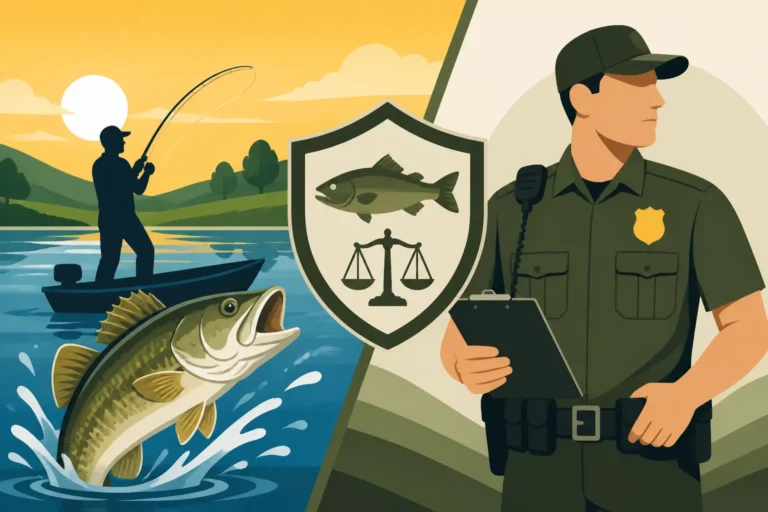
While the main draw of Free Fishing Days is the waived fishing license requirement, it's crucial to understand that it’s not a complete free-for-all. Other important regulations remain in effect to ensure the health of Kansas’s fish populations and the safety of all outdoor enthusiasts.
Are All Fishing Rules Waived?
Absolutely not. This is one of the most common misconceptions about Free Fishing Days. While the state fishing license requirement is waived, all other Kansas Fishing Regulations Explained remain in full force. This includes:
- Creel Limits: The number of fish you can keep per day for specific species (e.g., Kansas Walleye Daily Limit of Two Fish, Kansas Crappie Daily Limit of 50 Fish, or Kansas Channel Catfish Daily Limit) must still be observed. These limits are in place to prevent overfishing and maintain healthy fish populations for future generations.
- Length Limits: Minimum or maximum length requirements for certain fish species (e.g., Kansas Walleye Minimum Length Limit of 21 Inches or Kansas Crappie Minimum Length Limit of 10 Inches) are still strictly enforced. These ensure that fish have a chance to grow and reproduce before being harvested.
- Method of Take: Rules regarding acceptable fishing methods (e.g., pole and line, trotlines, jug fishing) and bait restrictions still apply. You can't just throw out a net and call it a day!
- Possession Limits: The total number of fish you can have in your possession, typically twice the daily creel limit, is still applicable.
Fishing without a license is a serious offense on any other day, and ignorance of the law is no excuse. While Free Fishing Days give you a pass on the license itself, you still need to be aware of all the other rules. It's a good idea to download or pick up a copy of the current Kansas Fishing Regulations Summary from the KDWP website or a local bait shop before you head out.
Special Permits Still Required
This is another critical point that sometimes gets overlooked. While the general fishing license is not needed, specific special permits are still required, even on Free Fishing Days. The most common one you'll encounter is the Kansas Trout Permit Guide. If you plan to fish in designated trout waters during the Kansas Trout Season Runs December 1 to March 31 (or even outside of it if trout are still present), you will still need to purchase a trout permit. This applies whether you're an adult or a youth. The revenue from these permits directly funds the stocking of trout in Kansas waters, so it's essential for maintaining those specific fisheries.
Other special permits, though less common for the average angler, might also apply depending on your specific activities. For instance, if you're engaging in activities like paddlefish snagging during its season, there might be specific regulations or permits tied to that method which would still be in effect. Always double-check with the KDWP or local signage if you plan on targeting special species or using unique methods.
Boating and State Park Access
Fishing from the bank is one thing, but if you're planning on using a boat, kayak, or even fishing within a state park, there are additional considerations.
- Boat Registration: Your boat, if powered by a motor or sail, must still be properly Kansas Boat Registration Guide and display its registration numbers. Free Fishing Days do not exempt you from boating regulations. This includes having all required safety equipment, like life jackets (PFDs) for everyone on board, a fire extinguisher, and a sound-producing device. You can find more details in the Kansas Boat Registration for Anglers or the Kansas Boating Safety Equipment Requirements.
- State Park Vehicle Permits: If your chosen fishing spot is located within a Kansas State Park, you will still need a valid State Park Vehicle Permit to enter the park grounds with your vehicle. This is separate from a fishing license and provides access to all park amenities. You can purchase these at park offices or self-pay stations. Many anglers often overlook this, only to find themselves needing to purchase one on arrival.
It's about respecting all aspects of outdoor recreation, not just the fishing itself. The goal is to provide license-free fishing, not a free-for-all on all associated regulations and permits.
| Regulation Type | Free Fishing Days (June 6 & 7) | Regular Days |
|---|---|---|
| State Fishing License | WAIVED | Required |
| Kansas Trout Permit | REQUIRED | Required |
| Daily Creel Limits | ENFORCED | Enforced |
| Fish Length Limits | ENFORCED | Enforced |
| Method of Take Rules | ENFORCED | Enforced |
| Boat Registration | REQUIRED | Required |
| State Park Vehicle Permit | REQUIRED | Required |
| Boating Safety Equipment | REQUIRED | Required |
Maximizing Your Free Fishing Experience
Now that you know the ins and outs of Free Fishing Days, let's talk about how to make the most of them! These two days are a fantastic chance to create lasting memories and perhaps even ignite a lifelong passion for fishing.
Best Spots to Consider
Kansas offers a diverse range of fishing environments, from vast reservoirs to intimate community ponds and flowing rivers. For Free Fishing Days, consider spots that offer easy access and a good chance of success, especially if you're bringing new anglers along.
- Community Fishing Lakes: These are often excellent choices, especially for families and beginners. Many of these lakes, scattered in and around cities like Wichita, Topeka, and Kansas City, are managed by KDWP specifically for public access and good catch rates. They're typically well-stocked with channel catfish, bluegill, and sometimes even trout in the cooler months. Spots like Lake Shawnee in Topeka or Watson Park in Wichita are popular choices, offering amenities like restrooms and accessible fishing piers. You can find more details on Kansas Community Fishing Lake Rules.
- State Fishing Lakes: Kansas has numerous state fishing lakes that are usually less crowded than major reservoirs but still offer great opportunities for various species. These lakes are often well-maintained and provide a peaceful setting.
- Major Reservoirs: Lakes like Milford Lake, Cheney Reservoir, or Tuttle Creek Lake offer extensive opportunities for a wider variety of species, including walleye, crappie, white bass, and big catfish. If you have a boat, these are prime targets. If you're a bank angler, focus on accessible points, jetties, or public docks. For example, the riprap near the dam at Milford Lake can be great for white bass or walleye.
- Rivers: The Kansas River, particularly segments with public access points, can be fantastic for channel catfish and even flathead catfish. Bank fishing on rivers requires a bit more care due to currents, but the rewards can be substantial. Look for slower-moving eddies or deep holes.
Choosing a spot depends on your target species, whether you're bank fishing or boating, and who you're fishing with. A quick search online for "best bank fishing spots in Kansas" or "family fishing spots near [your city]" can yield great results.
Essential Gear Checklist
You don't need to break the bank to enjoy Free Fishing Days. In fact, keeping it simple is often the best approach, especially for beginners. Here’s a basic checklist:
- Rod and Reel: A simple spincast or spinning combo is perfect for beginners and versatile enough for panfish, catfish, and smaller bass. You can find very affordable options on Amazon, often as complete kits.
- Tackle Box: Keep it light! A small box with an assortment of hooks (sizes 6-2 for panfish and catfish), sinkers (split shots and small egg sinkers), bobbers, and a few basic lures (like small jigs or spinners) will cover most scenarios.
- Bait: Live bait like worms (nightcrawlers or red wigglers) or minnows are universally effective. For catfish, stink bait or cut bait works wonders. If you prefer artificials, try small plastic grubs or curly-tail jigs.
- Pliers/Forceps: Essential for removing hooks safely and quickly.
- Stringer or Cooler: To keep your catch fresh if you plan to keep fish within the legal limits. Even a small personal cooler from Amazon can do the trick.
- Sun Protection: Sunscreen, a hat, and sunglasses are vital, even on cloudy days.
- Bug Spray: Especially important in June when mosquitoes and other insects are active.
- Chair: A simple folding chair can make bank fishing much more comfortable.
- Water/Snacks: Stay hydrated and energized!
Remember, you don't need fancy gear. The goal is to get out there and enjoy the experience. A simple setup for Kansas Fishing Techniques for Beginners can lead to a lot of fun.
Tips for Success on Free Days
- Go Early or Late: These days can be popular, so arriving early in the morning or planning for an evening trip can help you avoid crowds and often coincide with better biting times.
- Focus on Panfish: For kids or new anglers, targeting bluegill, crappie, or sunfish can provide consistent action and build confidence. These fish are often found near submerged cover, docks, or weed edges.
- Ask for Advice: Don't be shy about asking fellow anglers at the lake for tips on what they're catching and what bait or lures are working. Most anglers are happy to share their knowledge.
- Check the Weather: June weather in Kansas can be unpredictable. Be prepared for heat, sudden thunderstorms, and wind. Always prioritize safety.
- Respect the Environment: Pack out everything you pack in. Leave no trace, and consider picking up any litter you find. Teach good environmental stewardship to younger anglers.
- Review Regulations: Even though the license is free, a quick glance at the Kansas Fishing Regulations Explained will ensure you're compliant with size and creel limits. Nobody wants a fine on a free fishing day!
- Have Fun: Above all, enjoy the opportunity. Free Fishing Days are about appreciating the outdoors and creating positive memories, regardless of how many fish you catch.
Kansas Free Fishing Days on June 6 and 7 are an amazing chance to get out and enjoy the bountiful waters of the state. With a little planning and an understanding of the rules, you're set for a fantastic time on the water.
Disclaimer
Please note that while this guide provides comprehensive information, fishing regulations and dates can change. Always consult the official Kansas Department of Wildlife and Parks (KDWP) website or their most current fishing regulations summary for the definitive and most up-to-date information before you head out. This content is for informational purposes only and does not constitute legal advice.