Kansas Winter Trout Fishing Guide
There's nothing quite like the chill of a Kansas winter, but for many anglers, that cold snap brings with it a unique opportunity: the chance to tangle with feisty rainbow and even golden rainbow trout. It can be incredibly frustrating when you're bundled up, eager to fish, but you're not entirely sure where the trout are, what they're biting on, or even if you have the right permit. This comprehensive guide is here to cut through that confusion, giving you everything you need to know to successfully navigate the Kansas winter trout season, from permits and prime locations to the best gear and techniques.
Unraveling the Kansas Winter Trout Season Mystery
For many, the idea of trout fishing conjures images of clear mountain streams, not the flatlands of Kansas. But thanks to the Kansas Department of Wildlife and Parks (KDWP) winter trout program, we get to enjoy this exciting fishery right in our backyard. It's a special time of year, distinct from our warm-water pursuits, and understanding its nuances is key to a successful outing.
When and Where Kansas Trout Season Runs
The official Kansas trout season typically kicks off on November 1st and continues through March 31st. During this period, KDWP actively stocks various designated waters across the state with thousands of rainbow trout, and sometimes even a few golden rainbows, making them accessible for public fishing. This isn't a year-round, self-sustaining population in most of these waters; instead, it's a "put-and-take" fishery designed to give anglers a fun, cold-weather option.
Think of it as a limited-time engagement. You've got a specific window to enjoy this unique opportunity, and if you miss it, you'll have to wait until the next season. The beauty of this structured season is that it provides a predictable fishing experience when many other species are less active. It's also why precise timing and location knowledge are so crucial, as the fish are put into specific bodies of water at specific times. This managed approach ensures that anglers have a fair shot at catching trout throughout the colder months, turning what could be a dreary season into an exciting one.
KDWP's Dedicated Trout Stocking Program
The heart of Kansas winter trout fishing lies in the KDWP's robust stocking program. Each season, the department stocks thousands of rainbow trout, often weighing between half a pound to a pound, into designated Community Fishing Lakes (CFLs) and other public waters. This isn't a one-and-done event; KDWP schedules multiple stockings throughout the season, sometimes from December through February, ensuring a continuous supply of fresh fish for anglers. They often announce these schedules on their website, which can be a game-changer for planning your trips.
For instance, you might find a particular lake receiving its first batch of trout in November, another in December, and perhaps a final one in January or February. Knowing the Kansas Trout Stocking Schedule for December or the Kansas Trout Stocking Schedule for January and February can help you hit the water right after a fresh stocking, when the fish are often more active and less pressured. These stockings are spread across the state, from urban ponds in Wichita and Topeka to larger state park lakes. The sheer Number of Waterbodies Stocked With Kansas Trout is impressive, providing ample opportunity for anglers regardless of where they live in Kansas. It's a testament to KDWP's dedication to providing diverse fishing opportunities for its citizens.
Essential License and Permit Requirements
Before you even think about casting a line for these winter beauties, you need to make sure your paperwork is in order. In Kansas, a standard fishing license is generally required for residents aged 16 through 74, and for all non-residents aged 16 and over. But here's the crucial part: if you intend to fish for trout, you'll also need a special Trout Permit, regardless of your age, unless you're exempt from needing a fishing license entirely (like during specific free fishing days or for very young children).
This Trout Permit is an additional stamp or endorsement you purchase alongside your regular fishing license. It's a small fee, but skipping it can lead to a fine if a game warden checks your license. You can find all the details on the Kansas Trout Permit Cost and Season or check out a comprehensive Kansas Fishing License Guide for general information. Remember, the goal here is to enjoy the outdoors responsibly, and that means respecting the regulations that help manage these fantastic resources. It's a minor hoop to jump through, but it ensures the program remains sustainable and well-funded for future seasons.
Discovering Prime Winter Trout Fishing Locations
One of the most common frustrations for winter trout anglers is figuring out where to go. Kansas is a big state, and while many waters are stocked, not all are equally productive or accessible. Finding those sweet spots where trout are plentiful and willing to bite makes all the difference.
Designated Community Fishing Lakes (CFLs)
Community Fishing Lakes (CFLs) are often the unsung heroes of the Kansas winter trout program. These are typically smaller, easily accessible lakes, many of them located within city limits or close to urban areas like Wichita, Topeka, or Kansas City. They're designed for easy public access and are frequently stocked, making them perfect for a quick after-work trip or a weekend outing with the family. Think of places like Lake Shawnee in Topeka, Veterans Memorial Park Lake in Wichita, or Antioch Park Lake in Overland Park.
These CFLs are often well-maintained, sometimes featuring accessible fishing piers, paved walking paths, and ample parking. The smaller size of these lakes can also be an advantage, as it often means less water to cover when searching for trout. Many of these lakes fall under specific Kansas Community Fishing Lake Rules, so it's always a good idea to check the local regulations for the specific lake you plan to visit, as they can sometimes have unique rules regarding bait, tackle, or creel limits. They're usually the first places to get stocked and offer consistent action throughout the winter months, making them an excellent starting point for any angler.
State Parks and Larger Reservoirs
Beyond the urban CFLs, several Kansas State Parks and larger reservoirs also participate in the winter trout stocking program. These locations often offer a more expansive fishing experience, sometimes with a greater sense of wilderness, even if they're still easily accessible. Lakes like Perry Lake, Clinton Lake, or even some areas of larger reservoirs like Milford Lake might receive trout stockings in designated areas.
While the sheer size of these waters can be intimidating, the advantage is often the potential for less crowded conditions and varied fishing opportunities. You might find deeper water, more structure, or simply more room to spread out. Some state parks might require a separate state park vehicle permit in addition to your fishing license, so be sure to check those details before heading out. Fishing in these larger bodies of water can also sometimes lead to larger trout, as they might have more natural forage available, allowing them to grow a bit bigger before being caught. Plus, the scenic beauty of a winter state park adds an extra layer of enjoyment to your fishing trip.
River and Stream Access Considerations
While most of Kansas's winter trout fishing is focused on stocked lakes and ponds, there are a few exceptions and specific considerations for river and stream access. For instance, the Mined Land Wildlife Area in southeast Kansas has several pits that are stocked, and occasionally, specific stretches of rivers or streams might be designated for trout fishing. However, these are less common for winter trout compared to the dedicated lake program.
When considering river or stream fishing for trout in Kansas, it's absolutely paramount to consult the KDWP regulations closely. River environments can be more dynamic and present different challenges than stillwaters. You'll need to pay close attention to water flow, depth, and potential ice conditions. Public access points can also be more limited on rivers compared to the readily available access at CFLs. For the vast majority of Kansas anglers seeking winter trout, focusing on the stocked lakes and ponds will yield the most consistent and accessible opportunities, but if you're an adventurous angler, a deeper dive into KDWP's site might reveal a hidden gem of a stream.
Essential Gear and Tackle for Kansas Winter Trout
Successfully catching trout in winter isn't just about finding them; it's also about presenting your bait or lure effectively in cold water, and that requires the right tools. Cold temperatures can make gear behave differently, and specialized tackle can significantly improve your chances and comfort.
Rods, Reels, and Line Choices for Winter Trout
When it comes to winter trout, precision and sensitivity are your best friends. You'll want to opt for lighter tackle than you might use for, say, catfishing. A light to ultra-light action spinning rod, typically between 5 to 6.5 feet in length, is ideal. This softer action allows you to cast lighter baits and lures, detect subtle bites that often characterize cold-water trout, and protect light lines. Pair this with a small spinning reel, size 1000 or 2000, spooled with 4 to 6-pound test monofilament or fluorocarbon line.
Monofilament offers good knot strength and stretch, which can be forgiving on a light bite. Fluorocarbon, on the other hand, is nearly invisible underwater, offers less stretch for increased sensitivity, and sinks faster, which can be an advantage when fishing tiny jigs or flies. Some anglers even prefer a braided main line with a fluorocarbon leader for maximum sensitivity, but be wary of braided line freezing to your rod guides in extremely cold temperatures. Consider brands like Berkley Trilene for mono or Seaguar for fluorocarbon leaders; you can often find great deals on spools through retailers like Amazon. The key is to have a setup that lets you feel those faint nibbles and gives the trout a natural presentation.
Baits, Lures, and Flies that Tempt Cold Trout
Trout in cold water can be finicky, but they're still driven by hunger. For bait fishing, classics like powerbait (especially in bright, visible colors like chartreuse, orange, or rainbow), corn, or small pieces of nightcrawler are highly effective. These baits offer scent and a natural or highly attractive visual profile. Sometimes, a combination, like a PowerBait egg on a small hook tipped with a wax worm, can be deadly.
For lures, think small and subtle. Tiny inline spinners (like Panther Martins or Mepps), micro jigs (1/32 to 1/16 ounce) tipped with a small plastic grub or a live wax worm, and small spoons (Kastmasters, Little Cleos) are excellent choices. The flash and subtle action often trigger strikes. Fly anglers will find success with small nymphs, midge patterns, or even tiny streamer patterns fished under an indicator or slowly stripped. The Best Bait for Winter Trout often boils down to what the fish are keying in on that particular day, so having a variety is always a good strategy. Don't be afraid to experiment with different colors and sizes until you find what works.
Winter Attire and Comfort Gear: Staying Warm and Focused
Let's be real: winter fishing in Kansas can be downright chilly. Staying warm and comfortable isn't just about enjoyment; it's about safety and maintaining focus. Layering is paramount. Start with a moisture-wicking base layer, add insulating layers like fleece or down, and top it off with a waterproof and windproof outer shell. A good pair of waterproof, insulated boots is non-negotiable, along with warm gloves or mittens, and a hat that covers your ears.
Beyond clothing, consider a portable pop-up shelter if you plan on extended bank fishing or ice fishing. A portable propane heater can make a world of difference inside a shelter, transforming a freezing day into a cozy outing. Hot beverages in a thermos, hand warmers, and even a comfortable portable chair will greatly enhance your experience. No one wants to cut a trip short because they're too cold. Investing in quality cold-weather gear, easily sourced from outdoor retailers or online platforms like Amazon, means you can spend more time focusing on catching fish and less time shivering.
Mastering Effective Winter Trout Fishing Techniques
Trout behavior changes dramatically in cold water. They become less active, their metabolism slows, and they're less likely to chase down a fast-moving meal. Adapting your techniques to these cold-water conditions is crucial for consistent success.
Still Fishing and Bait Presentation
For many winter trout anglers, still fishing with bait is a go-to technique, and for good reason—it's incredibly effective. The idea is to present your bait in a natural, enticing way and let it sit where the trout are likely to be. A simple slip-sinker rig or a split-shot rig can work wonders. Use a small, sharp hook (size 10 to 14) to present your bait. If using PowerBait, mold it into a small ball that floats just off the bottom, or use an egg-shaped blob that resembles fish eggs.
When still fishing, patience is key. Trout might take their time to investigate the bait. Watch your rod tip for subtle taps or a slow bend, which often indicates a trout has picked up your offering. It's often best to let them take it for a moment before setting the hook gently, especially with light line. Consider fishing near drop-offs, submerged cover, or along the edges of weed lines where trout might be seeking refuge from currents or looking for dormant insect larvae. The passive nature of still fishing allows you to cover areas thoroughly, and if you're using scent-heavy baits, the aroma can draw fish in from a distance.
Light Lure and Jigging Strategies for Cold Water
While still fishing is effective, don't overlook the power of active lure presentation, particularly with light jigs and spinners. The key here is slow and subtle. Forget aggressive retrieves; in cold water, a slow, methodical approach is usually best. For jigs, try a tiny 1/32 to 1/16 ounce jig head paired with a small plastic grub (like a Berkley Gulp! Alive! Minnow or a tube jig) or tipped with a live minnow or wax worm. Cast it out, let it sink, and then retrieve it with slow lifts and drops, or a gentle jigging motion.
Inline spinners should be retrieved just fast enough to get the blade spinning, creating subtle flash and vibration. Consider a smaller blade size in winter. When fishing vertically from a boat or through ice, slow jigging tiny spoons or vertical jigs directly over suspected trout holding areas can be incredibly productive. The flash and flutter of a spoon often mimic dying baitfish, a tempting meal for sluggish trout. Remember, trout often hold deeper in winter, so allow your lures to sink to the appropriate depth. The motto for cold water lure fishing is "less is more" when it comes to speed and aggression.
Fly Fishing Approaches for Winter Trout
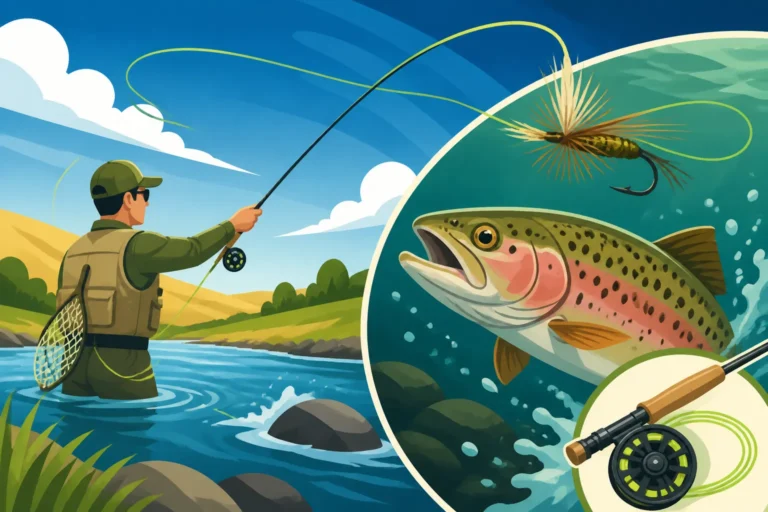
For the dedicated fly angler, winter offers its own set of challenges and rewards. While streams are less common for stocked trout in Kansas, where they exist, or in larger lake environments, fly fishing can be exceptionally effective. Nymphing is often the most productive technique. Trout in cold water are rarely looking up for dry flies; they're usually feeding on subsurface insects. Use small nymph patterns like Hare's Ear, Pheasant Tail, or Prince Nymphs, often in sizes 18-22, presented under a strike indicator.
Drift your nymphs naturally with the current or slowly retrieve them along lake bottoms. Dead-drifting, where your fly moves at the same speed as the water, is crucial for fooling wary trout. Small midge patterns, which are abundant even in cold weather, can also be highly effective. For lake fishing, slowly stripping small woolly buggers or other streamer patterns can imitate baitfish, which trout will still pursue, albeit slowly. Remember, these trout are often stocked, and while they might not be wild, they can still be fooled by a well-presented fly. For more advanced tips on Fly Fishing Techniques for Kansas Trout, consider researching specific patterns that mimic common winter aquatic insects.
Reading the Water and Weather for Winter Trout Success
Just like understanding the fish, understanding their environment – the water and the weather – is paramount. These factors dictate where trout will hold, when they'll feed, and how active they'll be. Ignoring them is like fishing blindfolded.
Understanding Water Temperature and Oxygen
Water temperature is the single most critical factor influencing trout activity in winter. Trout are cold-blooded, so their metabolism slows dramatically as water temperatures drop. They'll seek out the most comfortable temperatures, often slightly warmer pockets of water. In lakes, this might mean deeper areas where the water column is more stable, or sometimes shallow, darker bottoms that absorb more sunlight. Ideal water temperatures for rainbow trout are generally between 45-65°F (7-18°C). Below 40°F, they become very lethargic.
Oxygen levels are also important, though less of a concern in well-aerated lakes and ponds during winter. However, if there's heavy ice cover with significant snow on top, preventing light penetration, oxygen levels can drop, making fish even more sluggish. Trout will gravitate towards areas with adequate oxygen and comfortable temperatures. Using a portable fish finder can help you identify these depth zones. If you're fishing near an inlet or outlet, these areas can sometimes provide slightly warmer or more oxygenated water, acting as an attractant for trout.
Impact of Cold Fronts and Barometric Pressure Changes
Just like other fish, trout are sensitive to changes in weather, particularly cold fronts and shifts in barometric pressure. A sharp, sudden cold front often brings high, clear skies and rising barometric pressure. These conditions typically make fishing tougher. Fish tend to become less active and might hold tighter to cover or deeper structure. The sudden drop in temperature and increased pressure can put them off feeding.
Conversely, a stable period of overcast weather, or even slightly falling pressure before a storm, can sometimes stimulate feeding. Trout might sense the approaching change and feed more actively. When a cold front hits, slow down your retrieve even further, use smaller baits, and focus on presenting them directly to where the fish are holding. Don't be discouraged by a tough day after a front; simply adjust your expectations and tactics. Sometimes, the most subtle adjustments to your approach, like reducing the size of your bait or slowing your presentation to an absolute crawl, can make all the difference.
Best Time of Day and Conditions for Winter Trout
Unlike summer, where early morning and late evening are prime, winter trout fishing often sees the best action during the warmest part of the day. This usually means late morning to mid-afternoon, when the sun has had a chance to warm the shallows or raise the overall water temperature a degree or two. Bright, sunny days can be good, especially if the sun hits a dark bottom that warms the water.
However, overcast days with stable weather can also be very productive, as the low light often encourages trout to cruise more openly. Avoid fishing immediately after a major snowstorm or during extremely windy conditions, as these can make both fishing and staying warm difficult. Look for those calm, slightly milder winter days. A bit of cloud cover with minimal wind and temperatures in the 30s or low 40s (Fahrenheit) can be absolutely perfect. Being out on a calm, quiet winter day, with a thermos of hot coffee, can be incredibly peaceful, even if the fish aren't jumping into your net.
Beyond the Catch: Handling and Regulations
Catching a beautiful winter trout is only part of the experience. Responsible angling means understanding how to handle your catch, knowing the rules for keeping or releasing them, and generally practicing good stewardship of our natural resources.
Proper Trout Handling and Release for Sustainability
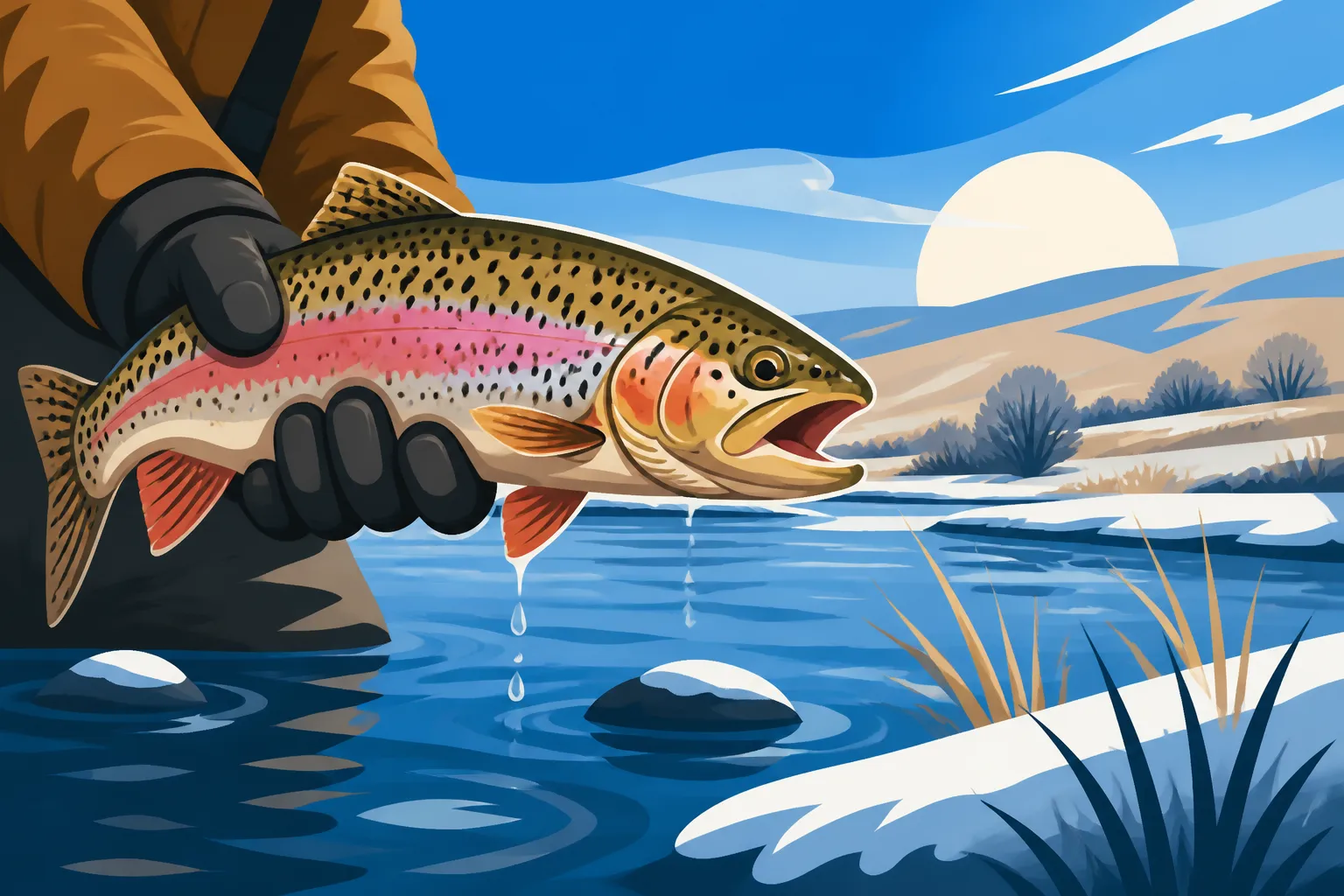
If you plan to release a trout, proper handling is paramount to its survival. Trout are delicate fish, and rough handling can cause significant stress or injury. First, try to land the fish quickly to minimize exhaustion. Use a rubberized net if possible, as it's gentler on their slime coat and fins. Avoid touching the fish with dry hands, as this removes their protective slime layer, making them susceptible to disease. Instead, wet your hands thoroughly before handling.
Keep the fish in the water as much as possible while removing the hook. If the hook is deeply set, consider cutting the line rather than trying to rip it out, especially if you're using barbless hooks, which are highly recommended for catch-and-release fishing. Hold the fish gently by the tail and support its belly, allowing it to recover in the water until it swims away on its own. This ethical approach ensures that healthy fish can continue to thrive and contribute to the fishery, allowing others to enjoy the thrill of the catch.
Creel Limits and Length Restrictions
Kansas has specific creel limits (the number of fish you can keep) and sometimes length restrictions for trout during the winter season. These regulations are in place to manage the fishery and ensure a fair distribution of the stocked fish among anglers. Typically, the daily creel limit for trout in Kansas is five fish. However, this can vary by location, especially at certain Community Fishing Lakes or specific designated waters.
There may also be instances of "no-kill" or "catch-and-release only" areas, though these are less common in the winter trout program. It's absolutely crucial to consult the current Kansas Fishing Regulations Explained booklet or the KDWP website before each outing. Fines for exceeding creel limits or keeping undersized fish can be substantial, and ignorance of the law is not an excuse. Always double-check the regulations for the specific body of water you're fishing to avoid any unfortunate surprises. These rules are there to maintain a healthy and enjoyable fishing experience for everyone.
Reviewing Kansas Fishing Regulations: Stay Updated!
The Kansas Department of Wildlife and Parks (KDWP) issues a comprehensive fishing regulations summary each year, and it's your go-to source for all the rules. Regulations can change from year to year, or even within a season, so relying on old information is a recipe for trouble. Beyond trout-specific rules, the booklet covers general fishing license requirements, methods of take, special regulations for certain species, and rules for specific bodies of water.
It's a small booklet, but it contains a wealth of information. You can often pick up a physical copy wherever fishing licenses are sold, or download a digital version from the KDWP website. Make it a habit to review these regulations before your first trip of the season, and periodically throughout the winter, especially if you plan to visit a new location. Things like Kansas Daily Creel Limits by Species can vary widely, and knowing these details ensures you're fishing legally and responsibly. A quick check of the regulations can save you a lot of hassle and ensure a smooth, enjoyable fishing trip.
Overcoming Common Challenges and Troubleshooting
Winter trout fishing, while rewarding, definitely comes with its own unique set of challenges. From frozen gear to finicky fish, a prepared angler knows how to adapt and overcome.
Dealing with Frozen Guides and Line in Freezing Temperatures
One of the most annoying aspects of fishing in truly freezing conditions is dealing with ice buildup. Your rod guides can freeze solid, making it impossible to cast or retrieve line smoothly. Your line itself can stiffen and freeze to the spool, causing tangles or even breaking. This frustration is real, and it can quickly ruin a good fishing day.
To combat this, carry a small bottle of antifreeze solution (like line conditioner or reel lube) and periodically apply it to your guides and line. Some anglers even use a quick squirt of cooking spray on their guides, though this can be messy. If your guides do freeze, simply dip the rod tip in the water for a few seconds to melt the ice, or carefully pick it out with your fingers (never use anything sharp!). Using a fishing line designed for cold weather, such as a cold-weather monofilament or a braided line with a good coating, can also help. Keep your reel as warm as possible, maybe by tucking it into your jacket between casts. Prevention is always easier than trying to fix frozen gear when your hands are already cold.
Locating Reluctant Biters and Adapting Your Approach
Sometimes, despite your best efforts, the trout just aren't biting. This is often the case when a cold front has recently moved through, or if the fish are heavily pressured. Don't throw in the towel! This is when you need to become a detective and adapt your approach. Start by changing your location. If you've been fishing a shallow flat, try moving to deeper water, a drop-off, or an area with more structure like submerged timber or rocks. Trout will often school up tightly in winter, so finding one can mean finding many.
Next, experiment with your presentation. If you've been using bait, try a small lure, or vice-versa. Change colors. Slow down your retrieve even more. Sometimes, an almost imperceptible twitch or dead-sticking your bait for an extended period is what it takes. Don't be afraid to downsize your line, hooks, and baits. When trout are reluctant, a subtle, ultra-light presentation is often the key to fooling them. Remember, these stocked fish are usually hungry, but cold water makes them less willing to expend energy, so make it easy for them. A versatile tackle box, perhaps one you assembled from items found on Amazon, will allow you to quickly switch tactics.
Staying Warm and Safe on the Ice or Cold Bank
Beyond just comfort, staying warm is a critical safety measure when winter trout fishing, especially if you're ice fishing. Hypothermia is a real risk. As discussed earlier, proper layering is essential. If ice fishing, never go alone, and always tell someone where you're going and when you expect to return. Carry ice picks around your neck, a spud bar or auger to check ice thickness, and a rope. A minimum of 4 inches of clear, solid ice is generally recommended for walking, but conditions can vary wildly, even on the same body of water.
For bank fishing, be mindful of slippery banks, especially those covered in frost or a thin layer of ice. Wear appropriate footwear with good traction. Even if you're not ice fishing, carrying a change of warm, dry clothes in your car is a smart move, just in case you slip or get unexpectedly wet. Always have a fully charged phone and emergency supplies. Enjoying the peace and quiet of winter fishing is wonderful, but never compromise your safety for a fish.
Wrapping Up Your Winter Trout Adventures
The Kansas winter trout season is a fantastic opportunity to extend your angling season and experience a different kind of fishing challenge. It's a special program that brings a unique species to our waters, offering a cold-weather escape when many other fish are dormant. From understanding the KDWP stocking schedules and securing your Kansas Trout Permit Guide to mastering subtle presentations and staying warm, every aspect contributes to a memorable and successful outing. So, bundle up, grab your gear, and head out to those crisp Kansas waters. There's a feisty trout waiting with your name on it!
Disclaimer
Fishing involves inherent risks, including but not limited to drowning, falls, and exposure to the elements. Always prioritize safety, understand and follow all local and state regulations, and be aware of weather and water conditions. This guide is for informational purposes only and does not substitute for professional advice or official KDWP regulations.