Late Renewal Rules for a Kansas Fishing License
We've all been there: that sudden pang of dread when you're gearing up for a fantastic day on the water, only to realize your Kansas fishing license might have expired. It’s a common mix-up, and nobody wants to get caught off guard. This guide is here to walk you through exactly what happens when your Kansas fishing license passes its expiration date and, more importantly, how to quickly get back to enjoying the fantastic angling opportunities across the Sunflower State.
Understanding the Kansas Fishing License Renewal Cycle
Navigating the various types of fishing licenses and their expiration dates in Kansas can sometimes feel a bit like trying to untangle a bird's nest of fishing line. But understanding the basics is your first step to avoiding that "oh no!" moment at the boat ramp.
Annual vs. Multi-Year Licenses
Kansas offers a few different options when it comes to fishing licenses, primarily breaking down into annual and multi-year choices. For many anglers, the Kansas Resident Annual Fishing License Costs $25 and is the go-to. This license is valid from January 1st through December 31st of the calendar year it's purchased for, regardless of when you actually buy it. So, if you buy an annual license in June, it still expires on December 31st of that same year. This is a crucial detail many folks overlook, leading to those late-season surprises.
On the other hand, for those of us who appreciate a bit more convenience and foresight, the Kansas Department of Wildlife and Parks (KDWP) offers multi-year licenses, such as the 5-year option. Opting for a Kansas Resident Five-Year Fishing License Costs $100 and provides a solid period of worry-free fishing. These multi-year licenses are valid for five full years from the date of purchase, which can be a fantastic way to prevent that end-of-year scramble to renew. It's truly a "set it and forget it" solution for a good long while, letting you focus on catching fish instead of checking expiration dates.
The Importance of Timely Renewal
It might seem obvious, but fishing with an expired license in Kansas is essentially the same as fishing without a license at all. And let me tell you, that's a situation you absolutely want to avoid. The KDWP takes its regulations seriously, and for good reason—these licenses fund critical conservation efforts, fish stocking programs, and habitat restoration that ensure our state's fisheries remain healthy and abundant for generations to come. Without that steady stream of funding, our fantastic fishing spots like Milford Lake or Cheney Reservoir wouldn't be nearly as productive.
There's no unwritten "grace period" that allows you to fish for a week or two after your license expires. The moment that date passes, your license is invalid. If a KDWP game warden checks your license and finds it expired, you could face significant penalties. It's not just a slap on the wrist; we're talking about fines and potential court appearances. Imagine being out on a beautiful spring day, lines in the water, only to have your trip cut short and your wallet lighter because you forgot to renew. It's a frustrating scenario that's entirely preventable. That's why being proactive about your renewal, or opting for a multi-year license, is such a smart move.
What Happens If Your Kansas Fishing License Expires?
The moment your fishing license expires, it ceases to be valid. There's no gray area here. Many people wonder if there's a "late renewal" process with an added fee, much like renewing your car tags after the due date. Let's clear that up.
No "Late Fee" – Just a New Purchase
One of the biggest misconceptions about an expired Kansas fishing license is that you can simply pay a "late fee" to reactivate it. This isn't how it works in Kansas. Unlike some other states or types of permits, the KDWP doesn't impose an extra charge or penalty specifically for a late renewal. Instead, once your license expires, it's considered void. To get back to legal fishing, you simply need to purchase a brand-new license.
Think of it this way: if you had an annual license that expired on December 31st, and you realize in February that you haven't renewed, you're not "renewing" your old license. You're buying a new annual license for the current year. The cost will be the standard fee for that license type, not an inflated price due to tardiness. While this might sound like a relief since there's no extra charge, it doesn't diminish the fact that you can't fish legally until that new license is in hand.
The Legal Ramifications of Fishing Without a Valid License
This is where the rubber meets the road. If your Kansas fishing license has expired, and you choose to cast a line anyway, you are, by definition, fishing without a license. This isn't a minor infraction; it's a violation of Kansas fishing regulations. What Happens If You Fish Without a License in Kansas? can be quite serious, ranging from substantial monetary fines to the confiscation of your fishing gear. In some severe or repeat cases, it could even lead to loss of fishing privileges.
Let's paint a picture: You're enjoying a beautiful afternoon targeting wipers at Wilson Lake, completely lost in the moment. A KDWP game warden approaches for a routine license check. You proudly pull out your old license, only to have the warden inform you it expired last month. Suddenly, your peaceful day turns stressful. The Fine for Fishing Without a License in Kansas can easily run into the hundreds of dollars, plus court costs. Is that risk worth a few dollars for a license? Absolutely not. It's a hassle and an expense that far outweighs the cost of a valid license. Always ensure your license is current before you even head out the door with your fishing rod.
Steps to Get Back on the Water After Expiration
So, you've realized your license has expired. Don't panic! Getting a new one is straightforward, and the KDWP has made it pretty convenient for anglers. The key is to address it immediately and ensure you have a valid license before your next outing.
Online Renewal/Purchase Options
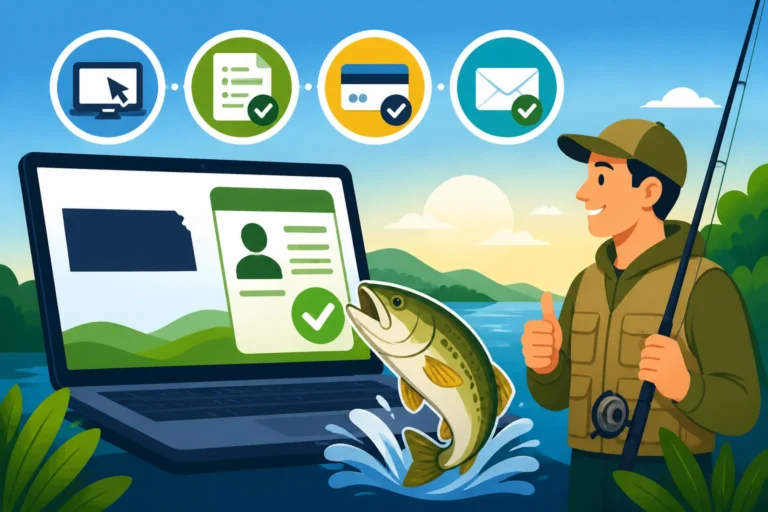
For most folks, the quickest and easiest way to obtain a new Kansas fishing license after expiration is to do it online. The KDWP website (ksoutdoors.com) has a user-friendly portal where you can purchase licenses 24/7. Even though it's technically a "new purchase" rather than a renewal, the system is designed to streamline the process for returning anglers. You'll likely use your existing KDWP ID number or your driver's license number to access your profile.
Once you complete the purchase, you'll typically receive an immediate digital confirmation or a temporary license that you can print out at home. This means you can go from "expired" to "legal" in a matter of minutes, allowing you to salvage that spontaneous fishing trip. It’s a huge convenience, especially if you're planning a last-minute outing to a favorite spot like Perry Lake or Pomona Lake. Many anglers even save a digital copy to their phone, which is perfectly acceptable for showing to a warden. If you're wondering Where to Buy a Kansas Fishing License Online, the official KDWP site is always your best bet.
In-Person Purchase Locations
For those who prefer a face-to-face transaction or need a physical card right away, there are plenty of brick-and-mortar options. You can visit most Kansas county clerk's offices, numerous sporting goods stores, and local bait shops throughout the state. Big retailers like Walmart are often a popular choice for their widespread locations and convenient hours. It's worth noting that Can You Buy a Kansas Fishing License at Walmart? The answer is almost always yes, and it’s a quick process at their customer service desk.
Local bait shops, especially those near popular fishing destinations like the many smaller Kansas State Fishing Lakes, are also fantastic places. Not only can you get your license, but you can also pick up some fresh bait, get a local fishing report, and maybe even grab a new lure that’s been hot in the area. When you're buying in person, you'll walk out with your physical license card, which gives many anglers extra peace of mind.
Required Information for Purchase
Whether you're purchasing online or in person, you'll need to provide some basic personal information. This typically includes:
- Your KDWP ID number: If you've ever had a license in Kansas before, you'll have one of these. It helps link your new purchase to your existing records.
- Your driver's license number: This is a standard identification requirement.
- Your date of birth: To verify age and eligibility for specific license types (e.g., senior or youth licenses).
- Your current residential address: For record-keeping and residency verification.
Always double-check that the information you provide is accurate. Mismatched details can lead to complications down the line. Having these details handy will make the purchase process much smoother and get you back to planning your next fishing adventure, whether that's targeting catfish on the Kansas River or crappie at Hillsdale Lake.
Preventing Future Late Renewals
Nobody enjoys the stress of realizing their license has expired. The good news is there are several easy strategies you can employ to make sure you're always covered when you hit the water. A little proactive planning goes a long way!
Utilizing KDWP Reminders and Notifications
The Kansas Department of Wildlife and Parks understands that life gets busy, and remembering an annual license renewal can slip through the cracks. That's why they offer helpful email reminder services. When you purchase your license, or at any time on their website, you can opt-in to receive notifications. These typically include an email alert a few weeks or months before your license is set to expire. This is an invaluable tool, acting as a friendly nudge that says, "Hey, your fishing fun is about to run out, better take action!"
Signing up for these official reminders is a no-brainer. It costs nothing but a few seconds of your time and can save you a world of trouble. Think of it as having a personal assistant dedicated to your fishing compliance. These Reminder Rules for Kansas Fishing License Renewal are there to assist you, so definitely take advantage of them. You can manage your notification preferences directly through your KDWP online account.
Setting Personal Reminders and Calendar Alerts
While the KDWP's reminders are great, I always suggest backing them up with your own personal system. We live in a digital age, and our smartphones are incredibly powerful tools for organization. Set a recurring annual alert in your phone's calendar for December 1st, or perhaps January 1st if you prefer to buy it right at the start of the new year. Label it clearly: "Renew Kansas Fishing License!" You can even set it to repeat every year.
Another excellent strategy is to associate the purchase with a specific annual event. Maybe you always buy your license after the holidays when things calm down, or perhaps you make it part of your spring fishing prep routine in March. For instance, you could commit to buying your license when you’re picking up new line or organizing your tackle box for the upcoming season. Consistency is key here. Because When a Kansas Annual Fishing License Expires is usually December 31st, setting a reminder a few weeks before that date gives you ample time. You might even find useful fishing-themed planners or calendars on Amazon that can help you track these important dates alongside your fishing goals for the year.
Considering Multi-Year Licenses for Convenience
Honestly, for many dedicated anglers, the multi-year license is the ultimate solution to preventing late renewals. While the initial outlay might be a bit more than a single annual license, the long-term benefits and peace of mind are often worth it. As discussed earlier, a 5-year license means you only have to think about renewing once every five years. That's four fewer opportunities to forget!
The Kansas Five-Year Fishing License Savings also makes it an attractive financial option over time. You lock in the price, avoiding any potential future increases, and you save yourself the recurring administrative hassle. It's a fantastic investment in your consistent access to Kansas's incredible fisheries. For someone who consistently fishes year after year, it makes perfect sense. Imagine buying it once and not having to think about it again until your kids are years older or your tackle box on Amazon has completely transformed! It simply removes a recurring item from your mental to-do list, allowing you to focus on the more enjoyable aspects of fishing.
Kansas Fishing License Expiration and Renewal Overview
Here’s a quick overview of the common Kansas fishing license types and what their expiration means for you:
| License Type | Expiration Date | "Late Renewal" Process | Resident Cost (Annual/5-Year) | Benefit for Preventing Lateness |
|---|---|---|---|---|
| Annual Fishing License | December 31st | Purchase new annual license | $25 | Easy to forget annual deadline, requires consistent reminders. |
| 5-Year Fishing License | 5 years from purchase | Purchase new 5-year license | $100 | Infrequent renewal, excellent for long-term peace of mind. |
| Trout Permit | March 31st (winter) | Purchase new trout permit | $14.50 (Adult) | Specific to trout season, often purchased in addition to regular license. |
| Combination Hunt/Fish | December 31st | Purchase new combo license | Varies (check KDWP site) | Consolidates hunting and fishing, still requires annual attention. |
Remember, your best defense against late renewals is awareness and proactive action. Always double-check your license status before you head out, and utilize the tools available from KDWP and your personal tech to keep yourself legal and ready for action. For a full breakdown, always refer to the Kansas Fishing License Guide or the detailed Kansas Fishing Regulations Explained to stay informed on specific rules like Kansas Fishing Seasons and Limits.
Disclaimer
Please note that fishing regulations and license requirements can change. While every effort has been made to provide accurate and up-to-date information, it is always the angler's responsibility to verify current regulations directly with the Kansas Department of Wildlife and Parks (KDWP) before fishing. This guide is for informational purposes only and should not be considered legal advice.