Fine for Fishing Without a License in Kansas
There's nothing quite like the excitement of a day out on a Kansas lake or river, casting a line and soaking in the peace and quiet. But that blissful calm can shatter in an instant if a Kansas Department of Wildlife and Parks (KDWP) game warden approaches and you suddenly realize your fishing license is expired, or worse, nonexistent. Many anglers find themselves in this frustrating predicament, wondering just how serious the consequences are for a simple oversight. This guide is here to walk you through exactly what kind of fine you might face for fishing without a license in Kansas, the process involved, and how to make sure it never happens to you.
The Unfortunate Reality: Penalties for Fishing Without a License in Kansas
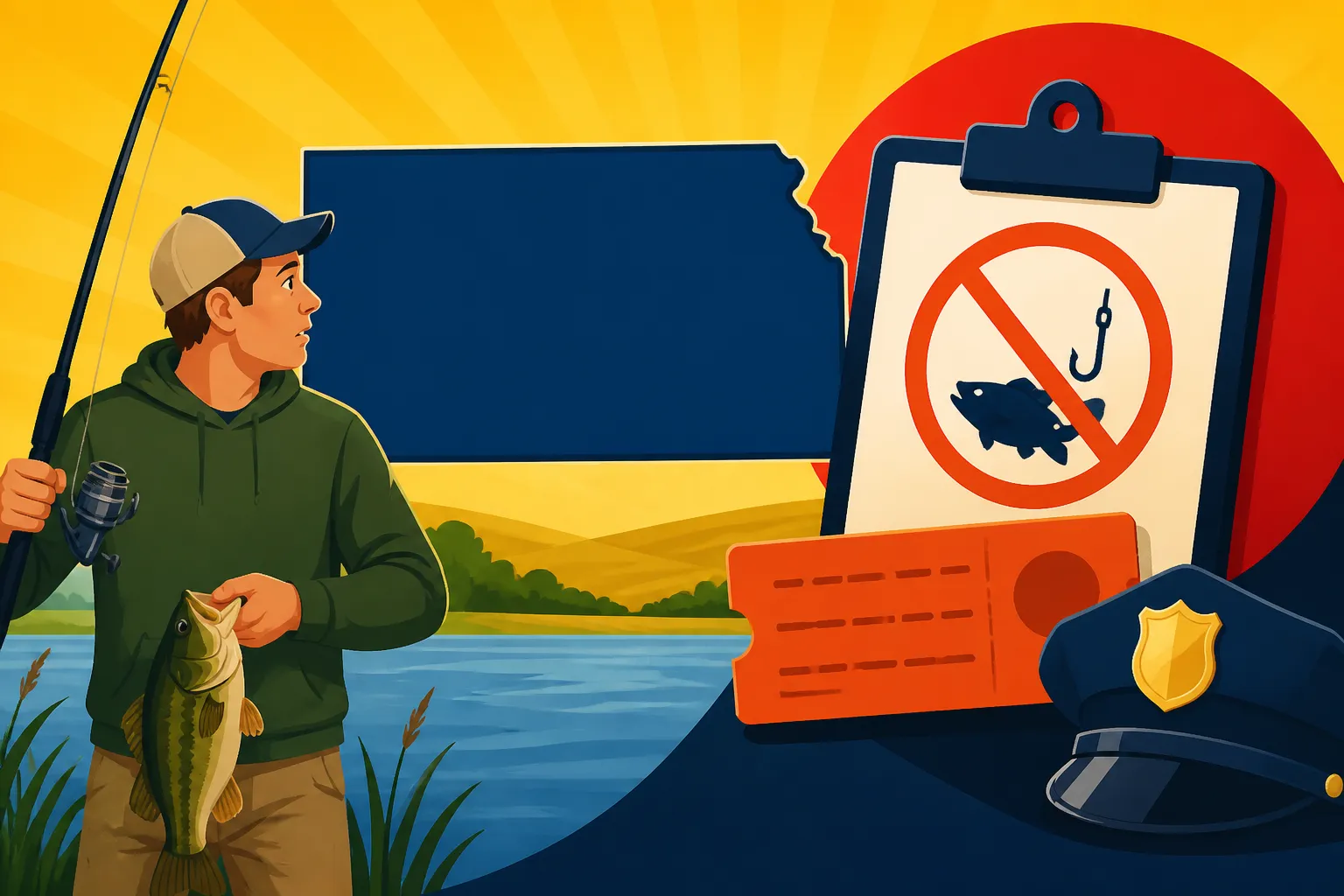
Let's be upfront: fishing without a valid license in Kansas isn't just a slap on the wrist. It’s a violation that the state takes seriously, primarily because license sales are a crucial part of funding conservation efforts that benefit all anglers. The financial hit alone can be a real shock, not to mention the potential loss of fishing privileges.
Understanding the Initial Fine Structure
When you're caught fishing without a license in Kansas, you're typically looking at a Class C misdemeanor. While that might not sound as severe as some other charges, it carries a significant penalty. The base fine for a first offense usually falls in the range of $100 to $500, but here's where it gets tricky: that's just the starting point. This initial fine doesn't include the additional court costs and administrative fees that inevitably pile on top.
Imagine this scenario: you're enjoying a beautiful morning at Clinton Lake, reeling in a few nice channel catfish. A friendly KDWP officer checks your license, and you discover it expired last month. Instead of just paying the $25 for an annual resident license, you're now facing a minimum fine of $100, possibly more, plus an additional $80-$100 in court costs and surcharges. Suddenly, your peaceful morning has become a much more expensive outing than you ever anticipated. It's a frustrating situation that many anglers inadvertently find themselves in, thinking they can just "explain it away." Unfortunately, the law is pretty clear on this.
Additional Costs and Consequences Beyond the Initial Fine
The financial impact extends far beyond the base fine. When you receive a citation for fishing without a license, you'll almost certainly incur court costs. These aren't negligible; they can often add another substantial sum to your total penalty. Depending on the county and specific judicial district, these administrative fees can vary, but they are rarely cheap.
Beyond the monetary aspect, one of the most significant consequences for anglers is the potential suspension of your fishing privileges. The Kansas Department of Wildlife and Parks has the authority to suspend or revoke your hunting and fishing licenses for a period, which could range from a few months to several years, especially if you have prior violations. This means that even if you decide to buy a license after being caught, you might not be legally allowed to use it for a certain period. Think about how heartbreaking it would be to miss an entire spring crappie season or a fall walleye run because of an earlier lapse in judgment. In more severe or repeat cases, the state can even pursue the forfeiture of your fishing equipment, like your rods, reels, or even your boat if it's deemed to have been used in the commission of a serious wildlife violation. This is why understanding Kansas Fishing Law Enforcement and Penalties is so crucial.
What Happens When You're Caught: The Enforcement Process
It's natural to feel a knot in your stomach if you see a KDWP vehicle approaching while you're fishing. Knowing what to expect during an encounter can help you navigate the situation calmly and minimize further complications.
Interaction with a Kansas Conservation Officer
Kansas Conservation Officers (also known as game wardens) are highly trained law enforcement professionals tasked with enforcing wildlife, boating, and fishing regulations across the state. They have the authority to stop individuals engaged in fishing activities, request identification, and check for valid licenses and permits. When an officer approaches, the best course of action is always to be cooperative, polite, and honest.
They will typically introduce themselves and explain why they are conducting a check. If you can't produce a valid license, they will explain the violation. Trying to argue, evade, or provide false information will only escalate the situation and could lead to additional charges, making your predicament much worse. Keep in mind that officers are primarily focused on ensuring compliance and protecting Kansas's natural resources, not just handing out tickets. However, if a violation is observed, they are obligated to act.
The Citation and Court Proceedings
If an officer determines you're fishing without a valid license, they will issue you a citation, much like a traffic ticket. This citation will detail the specific violation, the date and location, and instructions on how to proceed. You'll typically have two main options:
- Pay the Fine: For many first-time, straightforward offenses, you might be able to simply pay the fine online or by mail before your scheduled court date. This often includes the base fine and all associated court costs. While convenient, it's an admission of guilt and will still result in a misdemeanor on your record.
- Appear in Court: You always have the right to contest the citation in court. This means appearing before a judge in the local district court on the date specified on your ticket. You might choose this option if you believe you were wrongly accused, or if there were extenuating circumstances you wish to present to the judge. However, be prepared to present a clear case, as the burden of proof is typically on you to demonstrate your innocence or request leniency. Ignoring a citation is never an option, as it can lead to further legal troubles, including warrants for your arrest and additional penalties.
Avoiding the Hassle: Easy Ways to Ensure You're Licensed
The easiest way to avoid the stress, fines, and potential loss of fishing privileges is, of course, to ensure you always have a current and valid Kansas fishing license. It’s far simpler and cheaper than dealing with the consequences of a violation.
Purchasing Your Kansas Fishing License
Getting your license couldn't be easier these days, so there's really no excuse for being caught without one. The Kansas Department of Wildlife and Parks (KDWP) has streamlined the process significantly:
- Online: The most convenient method is to purchase your license directly from the KDWP website. It’s quick, secure, and you can do it 24/7 from the comfort of your home. You'll receive a digital copy immediately that you can store on your phone. If you're planning a trip, consider getting your Kansas Fishing License Online Renewal taken care of well in advance.
- In-Person: If you prefer a physical license or need some bait and tackle, you can visit a wide array of vendors across the state. Many sporting goods stores, local bait shops, and even major retailers like Walmart sell Kansas fishing licenses. County clerk offices are also often authorized vendors.
- By Phone: You can also purchase licenses over the phone through the KDWP’s licensing unit.
Before heading out, double-check your gear. Need a new fishing vest or some updated tackle? Amazon has a vast selection that can be delivered right to your door, making prep simple. While you're at it, make sure you have a good quality waterproof case for your phone – easily found on Amazon – especially if you're relying on a digital license.
For a comprehensive guide on where to secure your license, check out our article on Where to Buy a Kansas Fishing License. It lists all the options so you can pick the one most convenient for you.
Understanding License Requirements and Exemptions
Kansas has specific rules about who needs a fishing license, and knowing these can save you a lot of grief. It's not a one-size-fits-all situation, and some folks are genuinely exempt.
- Age Requirements: Generally, all Kansas residents 16 through 64 years of age need a fishing license. For non-residents, anyone 16 years and older requires a license. This means that if you're bringing the grandkids along, they might be exempt based on age. Learn more about this in our guide, Do Kids Need a Fishing License in Kansas?.
- Residency: There's a clear distinction between residents and non-residents, which affects the cost and type of license you need. A Kansas Resident Fishing License Cost is significantly less than what a non-resident pays, so make sure you correctly identify your residency status. For our friends visiting the Sunflower State, take a look at our Kansas Nonresident Fishing License Guide to ensure you're covered.
- Special Exemptions: Kansas does offer several exemptions. For example, landowners fishing on their own property don't always need a license. There are also specific provisions for certain disabled individuals and military personnel, such as the Kansas Disabled Veteran Fishing License. The state also hosts annual Kansas Free Fishing Days Guide, during which a license isn't required for anyone. However, these are limited, so don't count on them for every outing! To dive deeper into who qualifies for these special circumstances, read our full article on Kansas Fishing License Exemptions.
To give you a quick visual, here’s a table outlining common license types and an illustrative comparison of their cost versus the potential fine for going without one:
| License Type (Annual Resident) | Approximate Cost (KDWP) | Potential First Offense Fine (Illustrative Range) |
|---|---|---|
| Annual Fishing License | $25 | $100 – $500 (plus court costs) |
| One-Day Fishing License | $3.50 | $100 – $500 (plus court costs) |
| Five-Year Fishing License | $100 | $100 – $500 (plus court costs) |
| Trout Permit (Adult Add-on) | $14.50 | $100 – $500 (plus court costs, if required) |
As you can clearly see, the cost of even an annual license is a fraction of what you'd pay in fines. It's a no-brainer to stay legal! And remember, this table only covers fishing; if you're also bringing a boat, don't forget about Kansas Boat Registration for Anglers.
The Long-Term Impact of a Violation
While the immediate fine and court costs are certainly painful, a license violation can have ripple effects that extend far beyond that initial interaction with a conservation officer.
Record of Offense and Future Implications
A Class C misdemeanor, even for something seemingly minor like fishing without a license, becomes part of your public record. This means it could show up on background checks, which might impact future employment opportunities or other situations where a clean record is preferred. It's not a felony, but it's still a criminal offense. Furthermore, if you’re a hunter as well, a fishing license violation could potentially lead to the suspension of your hunting privileges too. The KDWP often treats hunting and fishing licenses under a unified system when it comes to violations. This interconnectedness means a lapse in one area can unexpectedly affect your ability to enjoy other outdoor pursuits.
If you have subsequent violations, the penalties become significantly harsher. Repeat offenders often face higher fines, longer license suspensions, and an increased likelihood of equipment forfeiture. It’s a slippery slope that’s best avoided by simply doing things by the book from the start. Taking the time to understand all Kansas Fishing Regulations Explained can prevent these unwanted future complications. If you're ever in doubt, reach for a quick search on Amazon for "Kansas fishing regulations book" to have the official rules at your fingertips.
Ethical Angling and Conservation
Beyond the legal and financial ramifications, there's an ethical component to consider. Fishing licenses aren't just a revenue stream for the state; they are the bedrock of wildlife conservation funding in Kansas. The money collected from license sales goes directly towards:
- Fish Stocking: Funding programs that stock popular game fish in lakes and rivers across the state, ensuring healthy populations for future angling.
- Habitat Improvement: Investing in projects that improve aquatic habitats, making them more suitable for fish to thrive.
- Research and Management: Supporting scientific research to better understand fish populations, disease prevention, and effective management strategies.
- Public Access: Creating and maintaining public access points, boat ramps, and fishing piers for all anglers to enjoy.
When you fish without a license, you're not contributing your fair share to these essential efforts. It undermines the collective responsibility that anglers have to protect and enhance the very resources we all cherish. Being a responsible angler means understanding that your license is more than just a piece of paper; it’s an investment in the future of Kansas fishing.
Disclaimer
The information provided in this guide is for general informational purposes only and does not constitute legal advice. While we strive to provide accurate and up-to-date information, fishing regulations and penalties are subject to change. Always consult the official Kansas Department of Wildlife and Parks (KDWP) regulations or a legal professional for the most current and specific information regarding fishing licenses and penalties in Kansas.