Waconda Lake Fishing Spots
Navigating a new lake, especially one as vast and dynamic as Waconda Lake, can feel like trying to find a needle in a haystack. Many anglers spend countless hours just trying to locate fish, often returning home frustrated and empty-handed. This comprehensive guide is designed to cut through that guesswork, giving you the insider scoop on the best fishing spots across Waconda Lake so you can spend less time searching and more time reeling in those memorable catches.
Getting to Know Waconda Lake: An Angler's Overview
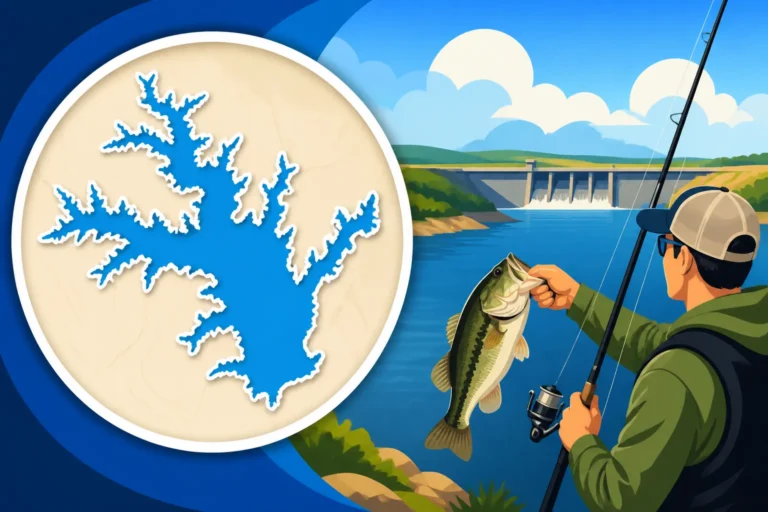
Waconda Lake, officially known as Glen Elder Reservoir, is a true gem in north-central Kansas, offering diverse fishing opportunities that draw anglers from all corners of the state and beyond. It's a lake with a rich history, formed by the impoundment of the Solomon River. What makes Waconda truly special for fishing isn't just its size, but its varied underwater landscape and consistent management by the Kansas Department of Wildlife, Parks and Tourism (KDWPT).
Waconda Lake's Unique Character
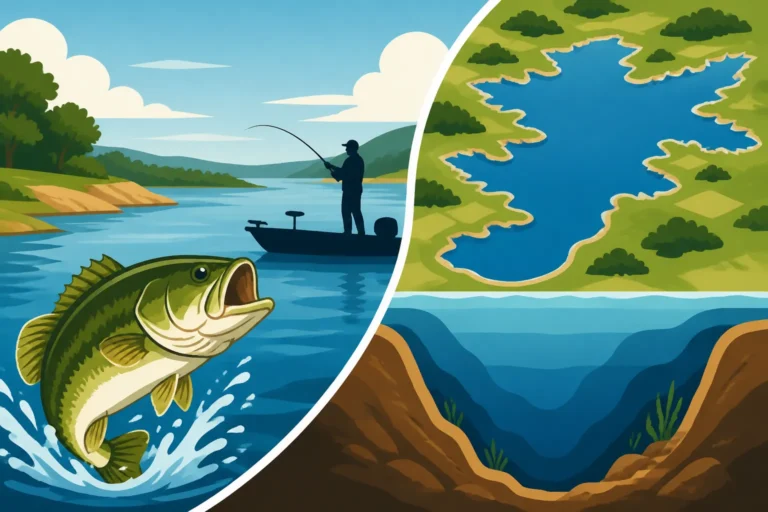
Unlike some of the more uniform reservoirs, Waconda Lake presents a fascinating mix of habitats. You'll find expansive flats, pronounced creek channels, rocky points, submerged timber, and deep ledges, all contributing to a vibrant ecosystem. This variety means that different fish species thrive in different areas, and understanding these nuances is key to successful fishing. The lake's depth can vary significantly depending on seasonal water levels, but generally, it offers plenty of deep-water sanctuaries for fish, especially during warmer months. The clarity of the water also fluctuates, often clearer near the dam and southern stretches, and more stained up the river arms, which impacts fish behavior and your choice of lures.
Furthermore, Waconda Lake is enveloped by Glen Elder State Park, which offers excellent amenities for anglers, including multiple boat ramps, campgrounds, and accessible fishing piers. This accessibility makes it a prime destination for a weekend getaway or even just a day trip. The KDWPT regularly stocks the lake with various species, ensuring a healthy and thriving fishery. For those looking to combine their fishing adventure with other outdoor activities, the park provides hiking trails, wildlife viewing, and designated swimming areas, making it a fantastic family-friendly destination.
Key Fish Species in Waconda
Waconda Lake is celebrated for several prominent fish species, each presenting its own unique challenge and reward. Walleye are undoubtedly a favorite, known for their elusive nature and delicious fillets. Anglers flock here specifically for the chance to catch a trophy walleye, often found lurking around rocky structures. Beyond walleye, saugeye, a walleye-sauger hybrid, are also present and offer similar angling experiences.
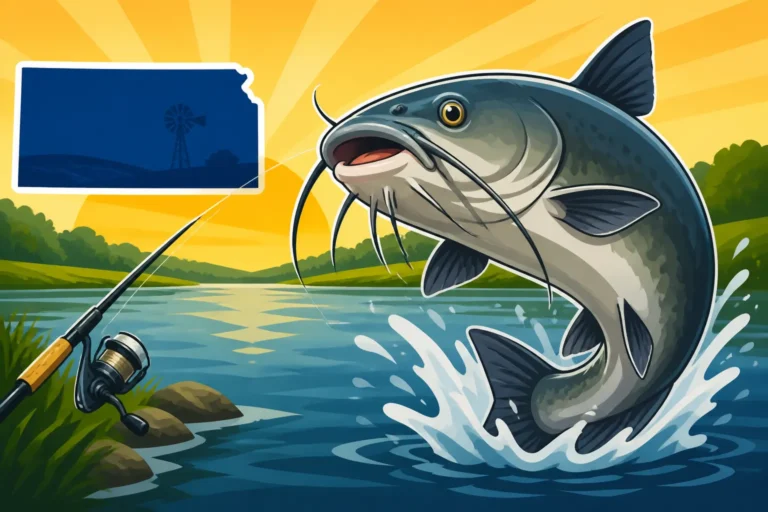
Catfish, including channel, blue, and flathead, thrive in Waconda's riverine sections and deeper holes, providing fantastic action for those who enjoy targeting larger, hard-fighting fish. Crappie fishing is also incredibly popular, particularly in spring and fall when these panfish gather around submerged brush and timber. And let's not forget the thrilling white bass and wiper (hybrid striped bass) action, especially during their legendary runs, which can offer non-stop excitement. Each of these species has preferred habitats and feeding patterns, which we'll delve into as we explore the best spots on the lake. You can learn more about specific regulations for these species in the main guide on Kansas Fishing Regulations Explained.
Prime Spots for Walleye and Saugeye
Waconda Lake has a well-deserved reputation as one of Kansas's premier walleye fisheries. These elusive predators demand a keen understanding of their preferred habitats and seasonal movements. Targeting them effectively means focusing on areas that provide structure, forage, and ideal water conditions. Saugeye, often found in similar habitats, offer an exciting bonus to your walleye pursuits.
Rocky Points and Humps
Walleye are absolute magnets for rocky points and submerged humps, especially those that drop off into deeper water. These structures provide ambush points where walleye can wait for baitfish to pass by. On Waconda Lake, you'll find numerous such points, particularly along the main lake body and extending into the larger coves. Look for areas where the shoreline transitions from gradual slopes to abrupt drop-offs, often indicated by subtle changes in vegetation or rock size on the bank. These "breaks" are key.
During the pre-spawn and post-spawn periods, walleye will congregate heavily on these points. Early mornings and late evenings are prime times, as walleye move shallower to feed. Trolling crankbaits that mimic baitfish or drifting with live bait like shiners or nightcrawlers on a bottom bouncer can be incredibly effective here. You might also try jigging a spoon or a soft plastic jig right on the edges of these drop-offs. Always pay attention to your depth finder; finding that perfect transition from 10 to 20 feet of water near a rock pile can be the difference between a slow day and a banner one. Remember to check the Kansas Walleye Length Limits before you head out.
Deep Water Structures and Ledges
As the seasons progress and water temperatures rise, especially in the heat of summer, walleye and saugeye often retreat to deeper, cooler waters. This means shifting your focus to deep-water structures like submerged roadbeds, old creek channels, and significant underwater ledges. Waconda Lake has remnants of its former landscape hidden beneath its surface, which creates fantastic deep-water cover. Using a good fish finder is almost essential to pinpoint these subtle but crucial features.
These deep-water haunts might be less obvious than shoreline points, but they can hold large schools of walleye. Vertical jigging with heavy spoons or blade baits directly over these structures is a proven tactic. Another effective method is slow trolling with deep-diving crankbaits or live bait rigs, following the contours of the old river channels. Pay attention to suspended fish or schools of baitfish on your electronics, as walleye are often found in close proximity. These areas are also excellent for night fishing, when walleye become more active and venture out from their deep-water sanctuaries to feed. If you're looking for an expert to show you some of these hidden gems, using a service like FishingBooker can connect you with experienced local guides.
Chasing Catfish: From Channels to Flatheads
Catfish are a cornerstone of Kansas fishing, and Waconda Lake certainly delivers on that front. Whether you're after the scrappy channel cats, the massive blue cats, or the elusive flatheads, Waconda has the habitat to support them all. Understanding their preferences is key to filling your stringer with these hard-fighting fish.
River Channels and Creek Arms
The old Solomon River channel, now submerged, is a superhighway for catfish in Waconda Lake. These deeper trenches provide a natural current flow and serve as migration routes and holding areas for channel and blue catfish. Upstream in the creek arms where the Solomon River and other tributaries feed into the lake, you'll find shallower, often muddier water that’s rich in oxygen and forage, particularly after rains. These areas are fantastic for channel cats, which tend to be more active in moving water.
For channel catfish, try fishing cut bait (shad or carp are excellent), stink baits, or even punch baits directly in the current seams or deeper holes of these channels. A simple slip-sinker rig cast to the edge of the channel and allowed to settle can be deadly. Blue catfish, which can grow to impressive sizes, often hold in the deeper sections of the main river channel, especially where it meets significant bends or underwater obstructions. They prefer fresh cut bait, so consider bringing a cast net for shad. The creek arms also attract flathead catfish, particularly around submerged logjams and undercut banks, where they ambush prey. For flatheads, live bait like bluegills or small carp is almost always the best choice. Make sure to review the Kansas Catfish Daily Limits before you head out.
Timber and Brush Piles
Catfish, especially flatheads, are notorious for loving heavy cover. Submerged timber, fallen trees, and intentionally placed brush piles create ideal ambush points and protective structures where these fish can hide. Waconda Lake has plenty of these areas, particularly in the upper reaches of the reservoir and in various coves where creek beds once flowed. These spots offer shade, refuge, and concentrated baitfish populations.
When targeting these areas, patience is crucial. Flatheads are solitary and territorial, so finding one often means focusing on a specific log or pile of brush. Anchor your boat upwind and cast your live bait presentation as close to the cover as possible without getting snagged immediately. Heavy tackle is a must here, as these fish will try to bury you in the structure. For channel catfish, brush piles offer a great place to drift stink bait or cut bait, as schools of them will often congregate there. Using a robust fishing setup, perhaps a medium-heavy action rod with 20-30 lb monofilament line, will give you the pulling power needed to extract a big cat from the snags. You can find more detailed information on specific techniques in our guide to Kansas Catfish Fishing Techniques.
Crappie and Panfish Havens
For many anglers, the thrill of catching a mess of crappie or other panfish is second to none. Waconda Lake offers excellent opportunities for both white and black crappie, along with bluegill and redear sunfish. These species are often found concentrated around specific types of cover, making them a fun target for anglers of all skill levels.
Submerged Brush and Cedar Trees
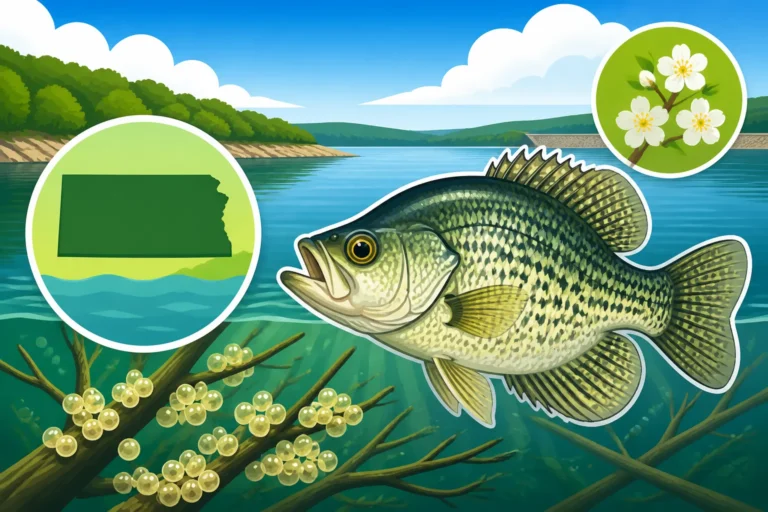
Crappie absolutely adore submerged brush piles and cedar trees. These structures provide protection from predators, shade from the sun, and attract the smaller baitfish and insects that crappie feed on. KDWPT, along with local angling groups, has strategically placed numerous brush piles throughout Waconda Lake to enhance crappie habitat. Many of these locations are marked on publicly available KDWPT maps, or you can find them by diligently searching with your fish finder. Look for these structures in depths ranging from 8 to 20 feet, depending on the season and time of day.
Spring and fall are prime times for crappie fishing around these brush piles. In spring, crappie move shallower to spawn, and these piles provide excellent staging areas. During the fall, they often school up again, feeding aggressively before winter sets in. Small jigs tipped with minnows or soft plastic crappie baits are incredibly effective. A common technique is to vertically jig over the brush, letting your lure slowly fall into the branches. You'll often feel a subtle tap when a crappie bites. Don't be afraid to try different depths within the brush pile, as crappie can suspend at various levels. Always check the Kansas Crappie Length and Bag Limits to ensure you're compliant.
Docks and Bridge Pilings
While Waconda Lake isn't heavily dotted with private docks like some residential lakes, the existing public docks and bridge pilings can be fantastic crappie and panfish hotspots. The pilings of bridges, especially those that cross deeper water, offer vertical structure that attracts baitfish and provides cover for crappie. The shade cast by docks and bridges can also draw fish in during bright, sunny days.
Focus on the shaded sides of these structures, particularly where the pilings extend into deeper water. Small minnows fished under a bobber or tiny jigs cast and retrieved slowly along the pilings are excellent methods. For bluegill and redear sunfish, a small worm or cricket on a tiny hook can be irresistible. These areas are often accessible to bank anglers, making them great spots for families or those without a boat. The steady current around bridge pilings can also concentrate fish, so pay attention to how the water moves. Many anglers find success by slowly "spider rigging" multiple rods around these structures, each baited slightly differently, until they discover what the fish are biting on that day.
White Bass and Wiper Runs: Open Water Action
Few fishing experiences rival the exhilarating, fast-paced action of a white bass or wiper run on a Kansas lake. Waconda Lake is renowned for its explosive schooling fish, providing opportunities for non-stop bending rods. These aggressive predators chase baitfish relentlessly, and knowing where and when to find them is key to a memorable outing.
Dam Areas and Spillways
The areas near the dam and especially the spillway or discharge channels can be absolute goldmines for white bass and wipers, particularly during spring and early summer. As water flows through the dam, it creates current, oxygenates the water, and often concentrates baitfish that are pulled through or attracted to the movement. This creates a feeding frenzy opportunity for schooling fish. The discharge area below the dam, where the Solomon River continues, can be fantastic for both species.
Anglers often line the banks below the dam, casting anything from Kastmaster spoons and inline spinners to small crankbaits. The key is to cast into the current and let your lure swing through the active feeding zones. From a boat, you can position yourself strategically to intercept schools as they move through the area. During times of higher generation or flow, the action can be non-stop. Keep an eye on the water's surface for schooling baitfish or splashing fish, which indicates an active feeding frenzy. It's often a high-energy environment, so be prepared for a fight! These areas can be incredibly productive for anglers, and a guided trip booked through a service like FishingBooker might give you an edge in understanding the best approaches.
Wind-Blown Points and Flats
White bass and wipers are highly nomadic and often follow schools of shad across large expanses of the lake. One of the most consistent patterns for finding them is to target large, wind-blown points and expansive flats in the main body of Waconda Lake. The wind pushes baitfish against these structures, creating a natural congregation point that these predators exploit. Look for points that extend far out into the lake or wide-open flats that might only be 10-20 feet deep.
When the wind is blowing consistently from one direction, focus on the downwind side of these points. White bass and wipers will often herd the shad into these areas, making them easy targets. Trolling crankbaits across these flats is a very popular and effective method for covering water and locating active schools. Once you hook into one, it's often a sign that an entire school is nearby, so be ready for multiple hookups! Casting spoons, lipless crankbaits, or Sassy Shads can also yield great results. Pay close attention to your fish finder for large schools of baitfish and predator marks. You'll often see the classic "arcs" of fish actively pursuing bait. To maximize your chances, understanding the nuances of how weather affects fishing, like described in Kansas Fishing Seasons and Limits, can be very beneficial.
Here's a quick look at where different species tend to hang out:
| Fish Species | Primary Habitat | Best Time to Target | Common Lures/Bait |
|---|---|---|---|
| Walleye/Saugeye | Rocky points, submerged humps, deep ledges | Spring/Fall (shallow), Summer (deep) | Crankbaits, jigs, spoons, live shiners, nightcrawlers |
| Channel Catfish | River channels, creek arms, brush piles | Spring-Fall (active) | Cut bait, stink baits, punch baits |
| Flathead Catfish | Heavy timber, logjams, undercut banks | Warm months, night | Live bluegill, small carp |
| Crappie | Submerged brush, cedar trees, docks, bridge pilings | Spring/Fall | Small jigs (minnow or plastic), live minnows |
| White Bass/Wiper | Dam areas, spillways, wind-blown points, open flats | Spring-Fall (active) | Spoons, inline spinners, crankbaits, Sassy Shads |
Accessing the Lake: Shore, Boat Ramps, and Beyond
Getting to your desired fishing spot is often half the battle, especially on a large reservoir like Waconda Lake. Thankfully, Glen Elder State Park provides ample access for both boaters and bank anglers, ensuring everyone has a fair shot at the lake's bounty.
Public Boat Ramps and Marinas
Waconda Lake offers several well-maintained public boat ramps strategically located around the reservoir, making it easy to launch your vessel and get out on the water. The main boat ramps are typically found within Glen Elder State Park, offering paved access, ample parking, and often nearby amenities like restrooms and fish cleaning stations. For example, the Outlet Area and Cawker City Area are popular launching points, providing access to different sections of the lake.
Before heading out, it's a good idea to check current lake levels, as low water conditions can sometimes affect ramp usability, especially for larger boats. Marinas, while sometimes limited to specific services, often provide fuel, bait, and tackle, which are invaluable for those long days on the water. Always practice proper boat ramp etiquette to keep things running smoothly for everyone. This includes preparing your boat beforehand, launching quickly, and moving your vehicle and trailer to the designated parking area promptly. Remember, if you plan to visit a Kansas State Park, you might need a Kansas State Park Vehicle Permit for Anglers in addition to your fishing license.
Bank Fishing Opportunities
For anglers who prefer to stay on solid ground, Waconda Lake offers numerous fantastic bank fishing opportunities. The shoreline along Glen Elder State Park is often accessible, with designated fishing areas, paved trails, and even some handicap-accessible fishing piers. These spots can be incredibly productive, especially during the spring spawn for crappie or during white bass runs near the dam. The causeways and bridge areas also provide excellent bank access.
When bank fishing, look for areas with submerged structure close to shore, such as brush piles, rocky outcrops, or abrupt drop-offs. These natural features will attract fish within casting distance. A simple slip-sinker rig for catfish or a bobber rig for crappie and bluegill can be highly effective. Early morning and late evening often provide the best bank fishing action, as fish move closer to shore to feed. Don't overlook the upper creek arms during periods of stable water, as these areas can hold good numbers of channel catfish. Even without a boat, you can have a truly rewarding day on Waconda Lake's banks. To ensure you have all the necessary permissions, double-check your Kansas Fishing License Guide before you cast your line.
Seasonal Strategies for Waconda Lake Anglers
Waconda Lake fishes differently depending on the season, and adapting your approach is crucial for consistent success. The Kansas weather dictates fish behavior, from their feeding patterns to their preferred depths and locations. Understanding these seasonal shifts will put you light-years ahead of the average angler.
Springtime Action and Spawning Runs
Spring is a time of renewed hope and incredible fishing action on Waconda Lake. As ice melts and water temperatures begin to climb, fish become incredibly active. Walleye move to rocky points and shallow flats for their pre-spawn and spawning rituals. This is often the best time to target trophy fish. Crappie also move into shallower water, congregating around submerged brush and cedar trees in the coves. The warming water signals a major feeding push for virtually all species.
The white bass and wiper runs are legendary in the spring, especially in the river arms feeding the lake and below the dam. These fish will aggressively chase shad, providing fast and furious action. For spring fishing, light tackle and active presentations are often key. Shallow-running crankbaits, jigs, and live minnows are go-to baits. Pay attention to water temperatures; specific temperature ranges trigger spawning for different species. For example, once the water hits the low to mid-50s for crappie, or mid-40s to low-50s for walleye, you know they'll be moving shallow. You can get more insights on specific seasonal behaviors from our guide to Kansas Fishing Seasons and Limits.
Summer's Deep Water Game and Night Fishing
As the Kansas summer heats up, Waconda Lake's fishing shifts to deeper water and often favors early morning, late evening, or even night fishing. Walleye and saugeye will retreat to the cooler, more stable temperatures found around deep ledges, submerged humps, and the old river channel. Trolling deep-diving crankbaits or vertical jigging become essential tactics during the day.
Catfish remain active throughout the summer, often found in the deeper sections of the river channels or around heavy timber. Night fishing for catfish, especially flatheads, can be incredibly productive during the warmer months, as they move out of their daytime sanctuaries to feed. White bass and wipers will still be schooling, but you'll often find them chasing bait in open water or around wind-blown main lake points early and late in the day. Many anglers find success using glow-in-the-dark lures or fishing under submersible lights at night to attract baitfish and subsequently, the predators. Our Kansas Night Fishing Guide offers fantastic tips for fishing after dark.
Fall Feeding Frenzies and Winter Ice Fishing
Fall brings another burst of phenomenal fishing activity to Waconda Lake. As water temperatures cool, fish begin to feed aggressively, fattening up for the lean winter months. Walleye return to shallower rocky points and humps, offering excellent casting and trolling opportunities. Crappie also school up and can be found around brush piles and docks, often providing some of the best crappie fishing of the year. White bass and wipers continue their schooling behavior, often in predictable patterns around structure as they chase baitfish.
Once winter fully sets in and the lake freezes over, Waconda Lake transforms into a popular destination for ice fishing. Depending on ice thickness and safety, anglers target walleye, crappie, bluegill, and even northern pike through the ice. Small jigs, spoons, and live minnows fished vertically through drilled holes are the mainstays of ice fishing. Always prioritize safety when ice fishing; never venture onto thin ice, and check local conditions frequently. You can find essential safety information and techniques in our Kansas Ice Fishing Guide. For those who enjoy the thrill of the chase, understanding these yearly cycles is the secret to consistent success on Waconda Lake.
Disclaimer
Fishing conditions and regulations in Kansas can change frequently. Always consult the official Kansas Department of Wildlife, Parks and Tourism (KDWPT) website or their current fishing regulations pamphlet before planning your trip to ensure you have the most up-to-date information on licenses, limits, and specific lake rules. Stay safe and enjoy your time on the water!