Best Kansas Lake for Channel Catfish
There's nothing quite like the thrill of a hard-fighting channel catfish, but figuring out which of Kansas's fantastic fishing spots holds the real monsters can feel like searching for a needle in a haystack. You want to spend your time on the water, not just guessing where the big ones are biting. This comprehensive guide is designed to cut through the noise, revealing the absolute best lakes in Kansas where you can consistently hook into impressive channel catfish.
The Allure of Channel Catfish in Kansas Waters
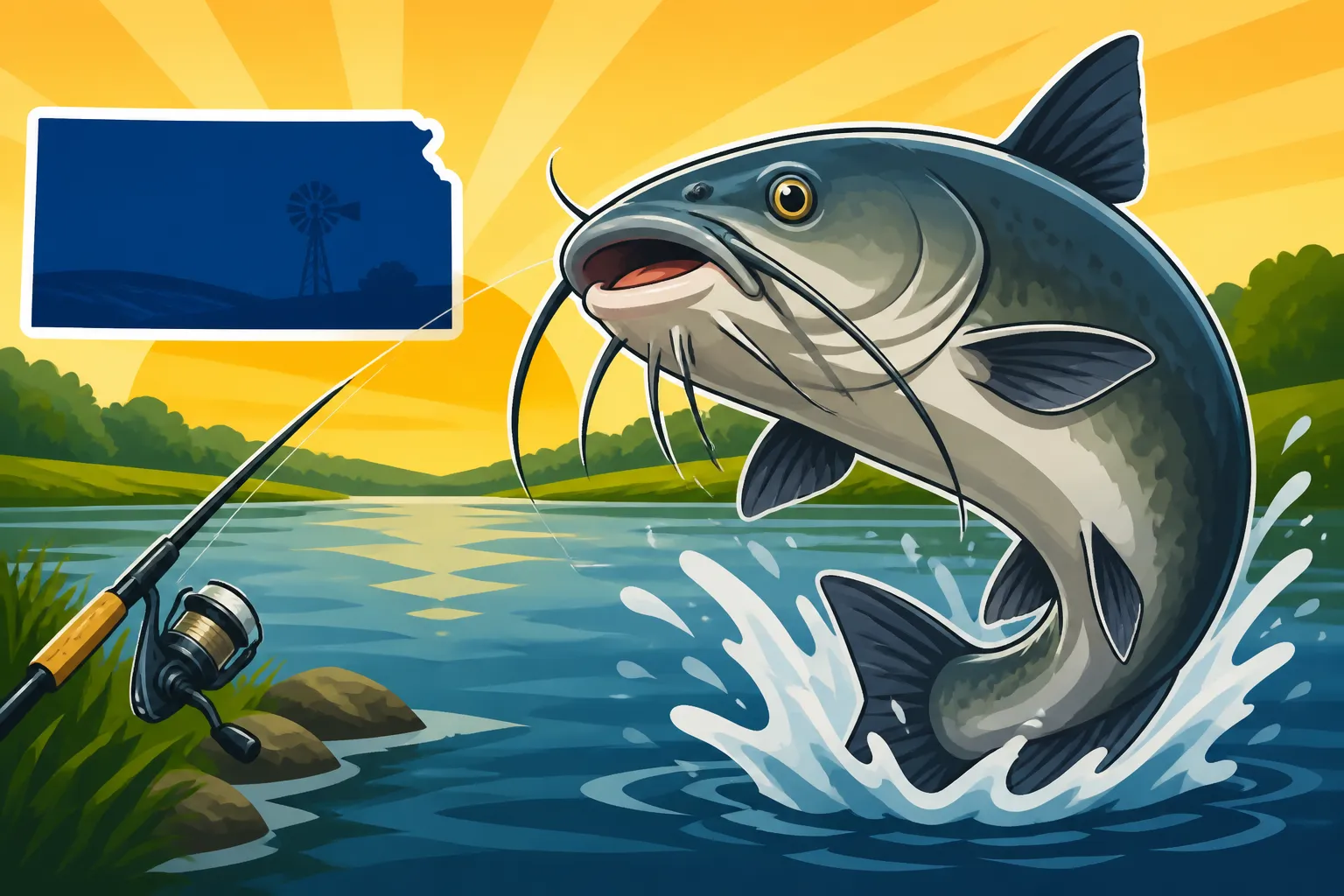
Channel catfish are often considered the backbone of Kansas fishing, and for good reason. They’re plentiful, grow to respectable sizes, put up a serious fight, and perhaps best of all, they are absolutely delicious on the dinner table. For many Kansans, chasing channel cats isn't just a hobby; it's a tradition.
Why Channel Cats Command So Much Attention
There's a special connection anglers have with channel catfish. Unlike some finicky game fish, channel cats are generally aggressive eaters, making them a fantastic target for anglers of all skill levels, from seasoned veterans to those just learning the ropes. They're resilient, thriving in a variety of environments from large reservoirs to small farm ponds and winding rivers. Plus, the sheer joy of reeling in a big channel cat, feeling that strong, determined pull, is an experience that keeps anglers coming back year after year. Whether you're planning a quiet afternoon by the bank or a lively night-fishing expedition, channel cats are always a worthy pursuit. Their willingness to bite, combined with their excellent flavor profile, truly makes them a premier sport fish in the Sunflower State.
What Makes a Lake a Channel Catfish Haven
Not all water bodies are created equal when it comes to producing robust populations of channel catfish. A truly great channel catfish lake boasts several key characteristics. First, it needs ample forage. Channel cats are opportunistic feeders, so a healthy ecosystem with plenty of shad, sunfish, and aquatic invertebrates provides them with a consistent food source, allowing them to grow large and strong. Second, a variety of habitats is crucial. Look for lakes with diverse structures like rocky points, submerged timber, deep channels, current breaks, and muddy flats. These areas offer both hiding spots and prime feeding grounds. Finally, good water quality and proper management by the Kansas Department of Wildlife, Parks and Tourism (KDWPT) play a significant role. Lakes that are regularly monitored and managed for fish health and population balance tend to consistently produce better fishing opportunities. Understanding these factors is key to knowing where to focus your efforts.
Unveiling Kansas's Premier Channel Catfish Destinations
When it comes to targeting channel catfish in Kansas, a few lakes consistently rise to the top, offering anglers some of the best opportunities for both numbers and trophy-sized fish. These aren't just any lakes; they are proven hotbeds for robust catfish populations, providing diverse habitats and abundant forage.
Milford Lake: The Giant of Kansas Catfish
It's hard to talk about Kansas fishing without mentioning Milford Lake, and for channel catfish, it's often considered the undisputed king. As the largest lake in Kansas, Milford offers an incredible amount of diverse habitat, from vast open waters to numerous coves, submerged timber, and the expansive river arms of the Republican River and its tributaries. This sprawling reservoir, located near Junction City, provides the perfect environment for channel catfish to thrive and grow to impressive sizes. Anglers regularly report catching channel cats in the 5-10 pound range, with much larger trophy fish always a possibility.
The lake’s nutrient-rich waters and extensive forage base, particularly shad, fuel the growth of its catfish population. During the warmer months, the shallow, mud-bottomed flats in the upper reaches of the lake and in the river channels become prime feeding grounds. Areas with standing timber or brush piles also tend to hold significant numbers of fish. Milford Lake’s sheer size means there’s always a new spot to explore, and its reputation for producing both quantity and quality channel cats makes it a must-visit destination for any serious catfish angler. When planning your trip, consider checking out the Milford Lake Fishing Guide for detailed insights into specific hot spots and seasonal patterns.
Tuttle Creek Lake: A Riverine Catfish Powerhouse
Just north of Manhattan, Tuttle Creek Lake presents another fantastic option for channel catfish enthusiasts, especially those who appreciate a more riverine fishing experience. This reservoir is known for its strong currents and a substantial amount of timber and snags, particularly in its upper reaches and the old river channel of the Big Blue River. These characteristics mimic natural river environments, which channel catfish absolutely adore. The constant flow brings a steady supply of food, and the cover provides excellent ambush points and shelter.
Tuttle Creek's channel catfish often grow large, with many anglers reporting catches in the double-digit weight class. The river arms are particularly productive, especially after periods of rain when water levels rise and new feeding opportunities emerge along the flooded banks. The areas around rocky shorelines and submerged trees are also magnets for catfish. Given its reputation, it's wise to consult resources like the Tuttle Creek Lake Catfish Fishing guide to get the most out of your visit. Anglers here use a variety of techniques, from bank fishing with prepared baits to boat fishing and even trotlines or jug lines in designated areas, all designed to capitalize on the lake's abundant catfish.
Cheney Reservoir: Southern Kansas's Catfish Haven
Located west of Wichita, Cheney Reservoir offers excellent channel catfish fishing in the southern part of the state. While perhaps more famous for its walleye and wiper fishing, Cheney holds a robust population of channel cats that are often overlooked, making it a potentially less crowded, yet highly productive, destination. Cheney is a large, relatively shallow lake with extensive mud flats, rocky areas, and occasional submerged vegetation, all of which provide ideal habitat for channel catfish.
The lake’s consistent shad population ensures that the channel cats have plenty to eat, allowing them to grow to respectable sizes. During the warmer months, particularly late spring and summer, the shallow coves and points become active feeding grounds. Night fishing can be incredibly productive here, as the catfish move into shallower water under the cover of darkness. The areas around the various campgrounds and public access points also offer good bank fishing opportunities. Don't underestimate Cheney; it's a fantastic choice for those looking for reliable channel catfish action.
Other Notable Lakes for Quality Catfish
While Milford, Tuttle Creek, and Cheney often steal the spotlight, Kansas is dotted with many other lakes that offer fantastic channel catfish opportunities. Each has its unique charm and angling potential:
- Clinton Lake (Lawrence): Known for its clear waters and abundant forage, Clinton offers excellent channel catfish fishing, particularly in the warmer months. Look for fish in deeper channels during the day and shallower flats at night.
- El Dorado Lake (El Dorado): This lake, popular for its bass and striper fishing, also boasts a healthy population of channel cats. The upper river arms and areas with submerged timber are often productive.
- Pomona Lake (Vassar): A fantastic lake in eastern Kansas for numbers of channel catfish, often providing consistent action for anglers using traditional catfish baits. Its numerous coves and standing timber are key areas.
- Melvern Lake (Melvern): Similar to Pomona, Melvern is another eastern Kansas gem known for its reliable channel catfish bite. The river channel and areas with brush piles are prime targets.
These lakes, along with many of the smaller Kansas State Fishing Lakes and Community Fishing Lakes, are regularly stocked and managed to provide excellent fishing. Always remember to check the Kansas Fishing Regulations Explained for specific rules and limits pertaining to each body of water before you head out.
Mastering Techniques for Kansas Channel Cats
Catching channel catfish isn't usually rocket science, but understanding the right baits, techniques, and prime times can drastically improve your success rate and help you land those trophy fish. Whether you prefer fishing from the bank or a boat, there are tried-and-true methods that consistently yield results.
The Best Baits and Rigs That Entice Channel Cats
Channel catfish are notoriously unfussy eaters, which is fantastic news for anglers. Their keen sense of smell makes scent-heavy baits incredibly effective. Here’s a rundown of what generally works best:
- Prepared Stink Baits: These are a classic for a reason. Commercial stink baits, often made from cheese or blood, come in various forms (dough balls, dip baits, punch baits) and are incredibly effective at attracting catfish from a distance. Brands like Sonny's or Rippin Lips are popular choices among Kansas anglers.
- Cut Bait: Fresh or frozen cut bait, especially from oily fish like shad or carp, is a top-tier option. Simply cut strips or chunks of fish and hook them. The natural oils and scent dispersion are irresistible to channel cats.
- Chicken Livers and Gizzards: Easily accessible from grocery stores, chicken livers are a messy but highly effective bait. Their soft texture means they might come off the hook easily, so consider using a treble hook or tying them on with bait thread. Gizzards are tougher and stay on the hook better.
- Worms and Nightcrawlers: While perhaps more commonly associated with panfish, a big wad of nightcrawlers can certainly tempt a hungry channel cat, especially smaller ones.
- Shrimp: Raw, peeled shrimp, especially those that have been allowed to "stink up" a bit, can be surprisingly effective for channel cats.
When it comes to rigging, simplicity is often best. A basic Carolina Rig (also known as a slip-sinker rig) is a favorite among catfish anglers. It consists of a slip sinker (1/2 to 2 ounces, depending on current and casting distance), a bead, a barrel swivel, and an 8-18 inch leader tied to a stout circle hook (sizes 2/0 to 5/0). The slip sinker allows the fish to take the bait without feeling the weight, leading to more confident bites. For bank fishing, many anglers also use a simple bottom rig with a heavy pyramid or flat-sided sinker to hold the bait in place against currents. To dive deeper into bait choices, check out our guide on Best Bait for Kansas Catfish.
Prime Times and Strategic Spots for Success
Timing and location are crucial for consistently catching channel catfish. While they can be caught throughout the day, certain periods and areas are more productive.
- Summer Nights: Hands down, the absolute best time for channel catfish in Kansas is during the warm summer nights. As the sun sets and water temperatures cool slightly, catfish become much more active, moving into shallower feeding areas. Many anglers swear by night fishing, often staying out until the early hours of the morning. Our Kansas Night Fishing Guide offers more specific tips for after-dark success.
- Late Spring and Early Summer: As water temperatures rise into the 60s and 70s Fahrenheit, channel cats become very active, feeding heavily before and after their spawning period. This is a prime time for both numbers and larger fish.
- Overcast Days: Channel cats prefer lower light conditions. Overcast days can extend their feeding windows throughout the daytime hours.
- Structure is Key: Focus your efforts on areas with distinct structure. This includes:
- River Channels and Creek Mouths: In reservoirs, the old submerged river and creek channels act as highways for catfish. The mouths where these channels enter the main lake are often ambush points.
- Rocky Points and Bluffs: These areas provide cover and attract baitfish, which in turn attract catfish.
- Submerged Timber and Brush Piles: Catfish love to hide in and around woody cover. If you can find standing timber or submerged brush, you’ve likely found a catfish holding area.
- Mud Flats: Especially at night, channel cats will cruise shallow mud flats, often in the upper arms of reservoirs, searching for food.
- Current Seams: In river sections or areas below dams, look for seams where faster current meets slower water. Catfish will sit in the slower water, waiting for food to drift by.
Understanding the Kansas Fishing Seasons Guide can further help you pinpoint the most productive times of year for channel catfish and other species.
Equipping for Your Kansas Catfish Expedition
Having the right gear and understanding the local regulations are just as important as knowing where and when to fish. A successful and enjoyable catfish outing hinges on being prepared.
Essential Gear and Current Regulations
You don't need a boatload of expensive gear to catch channel catfish, but a few key items will make your experience much more effective and comfortable.
- Rods and Reels: A medium-heavy to heavy action spinning or baitcasting rod, typically 6 to 9 feet in length, paired with a sturdy reel spooled with 15-30 pound monofilament or braided line, is ideal. This setup provides the backbone needed to cast heavy baits and handle strong-fighting catfish. Many anglers opt for a Best Rod and Reel Combo for Catfish for simplicity.
- Terminal Tackle: As mentioned, a selection of slip sinkers, barrel swivels, and stout circle hooks (2/0 to 5/0) will cover most situations. Don't forget a good supply of bait, a sharp fillet knife, and a cooler for keeping your catch fresh.
- Landing Gear: A sturdy landing net is invaluable for securing larger catfish, especially if you're fishing from a boat or a high bank. For truly massive flatheads, a large catfish specific net or a gloved hand can be necessary, but for channel cats, a regular large landing net usually suffices.
- Lighting (for night fishing): If you plan on fishing after dark, a reliable headlamp or a lantern is essential. This helps with baiting, unhooking fish, and navigating your fishing spot safely.
Before you even wet a line, make sure you're compliant with all Kansas fishing regulations. Every angler 16 years of age and older needs a valid Kansas Fishing License Guide. Additionally, be aware of specific length and creel limits for channel catfish, which can vary by water body. Currently, the statewide daily creel limit for channel catfish is 10 fish. However, certain community lakes or specific reservoirs might have different rules, so always consult the latest Kansas Fishing Regulations Explained from KDWPT. It's especially important to verify the Kansas Channel Catfish Daily Limits for your chosen lake.
| Lake | Primary Catfish Type | Best Known For | Common Techniques | Typical Sizes (lbs) | Notes |
|---|---|---|---|---|---|
| Milford Lake | Channel, Blue, Flat | Trophy Channel, Numbers | Cut Bait, Stink Bait, Jugs | 5-15 (Trophy >20) | Largest lake, diverse habitat |
| Tuttle Creek Lake | Channel, Blue, Flat | Trophy Channel, Numbers | Cut Bait, Stink Bait, Trotlines | 3-12 (Trophy >15) | Riverine environment, lots of timber |
| Cheney Reservoir | Channel | Consistent Bites | Cut Bait, Prepared Baits | 2-8 | Good night fishing, less crowded for cats |
| Clinton Lake | Channel, Flat | Steady Action | Prepared Baits, Livers | 2-10 | Clearer water, good structure |
Finding Guides and Local Expertise
Sometimes, the best way to jumpstart your channel catfish success on a new lake is to tap into local knowledge. Fishing guides who specialize in catfish can offer invaluable insights into current hot spots, bait presentations, and seasonal patterns that only years of experience can provide. They often have specialized equipment, like side-imaging sonar to locate deep holes or bait schools, and know the nuances of a particular body of water.
Services like FishingBooker can be an excellent resource for connecting with local Kansas fishing guides who specialize in catfish. You can browse different guide profiles, read reviews from other anglers, and find someone who fits your budget and fishing style. While it's great to learn on your own, a guided trip can accelerate your learning curve and almost guarantee a productive day on the water, providing memories (and maybe a new personal best catfish!) that will last a lifetime. Don't hesitate to leverage such resources to make your Kansas fishing adventure truly unforgettable.
Disclaimer
The information provided in this guide is for general informational purposes only and is subject to change. Always consult the official Kansas Department of Wildlife, Parks and Tourism (KDWPT) regulations for the most current and accurate fishing license requirements, seasons, limits, and rules before engaging in any fishing activities.