Marion Reservoir Fishing Spots
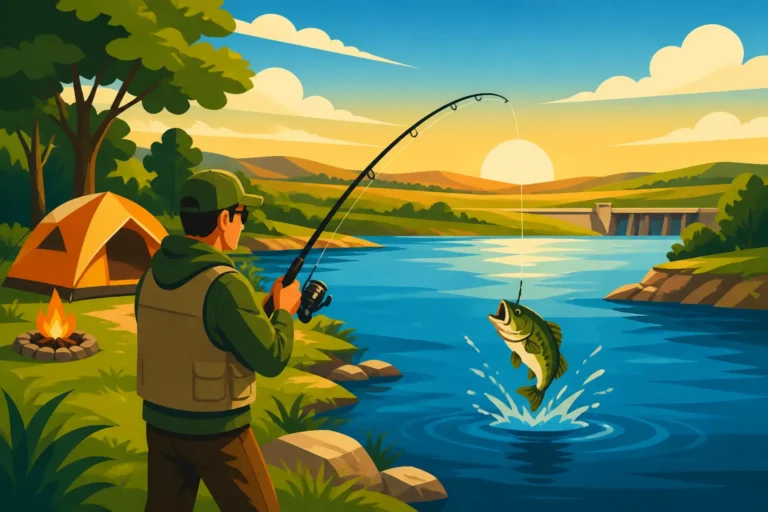
Alright, fellow anglers, let's talk about one of central Kansas's hidden gems that can be both incredibly rewarding and, let's be honest, a little bit perplexing: Marion Reservoir. Many of us have pulled up to a new lake, looked out at the vastness, and wondered, "Where do I even begin?" The good news is, you're not alone in feeling that overwhelm. This guide is all about cutting through that confusion, helping you unlock the secrets to successful fishing on Marion Reservoir, from its deepest channels to its shallowest coves.
Getting to Know Marion Reservoir's Unique Character
Marion Reservoir, often just called "Marion Lake" by locals, is a fantastic body of water that offers a diverse fishing experience. But like any good fishing spot, it has its own personality, and understanding that personality is your first step toward a successful outing. It's not always the easiest lake to figure out, but with a little local insight, you'll be well on your way.
Location and General Layout
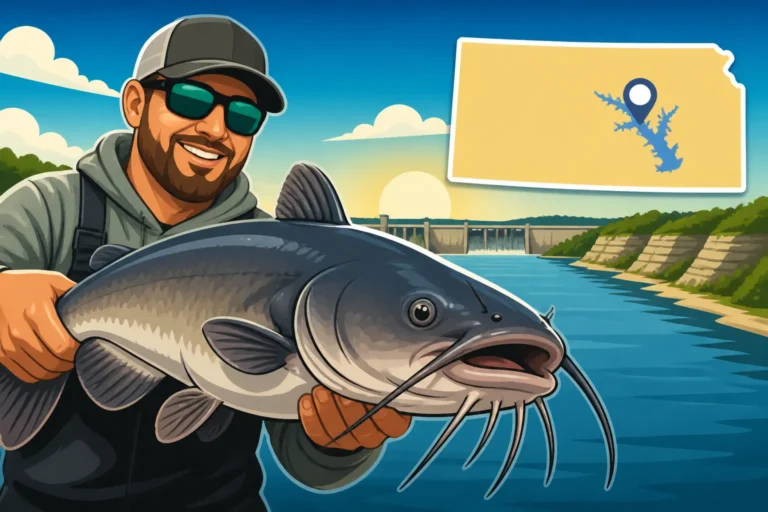
Marion Reservoir sits pretty in central Kansas, about 3 miles northwest of Marion, Kansas. It's a U.S. Army Corps of Engineers project on the Cottonwood River, primarily designed for flood control and water supply, but it quickly became a popular recreation destination, especially for anglers. The lake itself is a decent size, covering about 6,160 surface acres at conservation pool, with a fairly irregular shoreline stretching over 50 miles. This varied shoreline means you'll find everything from steep bluffs and rocky points to more gradual, brushy banks and shallow coves. The Cottonwood River and Doyle Creek arms feed into the reservoir, providing essential current and nutrient flow that influences fish behavior throughout the year.
What you'll notice pretty quickly is how the lake transitions from the more riverine upper arms, which can get quite shallow and have more timber, to the wider, deeper main lake basin near the dam. This diversity in habitat is precisely what makes Marion so appealing for a variety of fish species, but it also means you can't fish the whole lake with one strategy. You need to adapt to what each section offers, much like solving a new puzzle with every trip.
Water Characteristics and Bottom Structure
Marion Reservoir's water clarity can vary quite a bit, depending on rainfall and time of year. After heavy rains, especially in the spring, the upper river arms can become quite stained or even muddy as they carry runoff into the lake. This turbidity often pushes fish, particularly walleye, crappie, and white bass, towards the clearer main lake areas or forces them to hug structure more tightly. During drier periods, or in the main lake basin, you might find clearer conditions, especially deeper down. Understanding these changes in clarity is crucial because it dictates lure color choices and where fish might be holding.
Beneath the surface, Marion Reservoir is a treasure trove of structure. The original Cottonwood River and Doyle Creek channels wind through the lake bed, acting as fish highways and holding areas. These channels are often lined with old standing timber, particularly in the upper and middle sections of the lake, creating excellent cover for crappie and catfish. You'll also find numerous submerged humps, ledges, and rocky points, especially on the main lake. These features are prime real estate for walleye and striped bass hybrids (wipers). Anglers who take the time to learn these contours with a good fish finder will undoubtedly have a leg up on those just casting randomly. Don't forget the rip-rap along the dam face; it's a classic spot for various species, particularly during windy conditions or low light.
What Makes Marion Different
Compared to some of the larger Kansas reservoirs like Milford Lake or Cheney Reservoir, Marion sometimes flies under the radar. This can be a huge advantage for anglers looking for less crowded waters, though it can still get busy on prime weekends. What truly sets Marion apart is its fantastic blend of riverine and open-water characteristics, which creates incredibly diverse fishing opportunities. You can target big channel catfish in the slow-moving upper reaches one day, then chase schooling white bass or wipers in the main lake basin the next.
Another unique aspect is its excellent habitat management by the Kansas Department of Wildlife and Parks (KDWP). They actively maintain and add brush piles and other fish attractors, which are invaluable for crappie and often hold other species. Keeping an eye on the KDWP's stocking reports and habitat maps can give you a significant edge here. This proactive management, combined with its diverse structure, means Marion offers consistent action if you know where to look. It’s a lake that rewards persistence and a willingness to explore different techniques.
Prime Fishing Targets at Marion Reservoir
Marion Reservoir is a multi-species lake, meaning you're not just limited to one type of fishing. This diversity keeps things exciting and gives you options no matter what the conditions are throwing at you. Let's dive into the main species that call Marion home and how to find them.
Walleye Hotspots and Habits
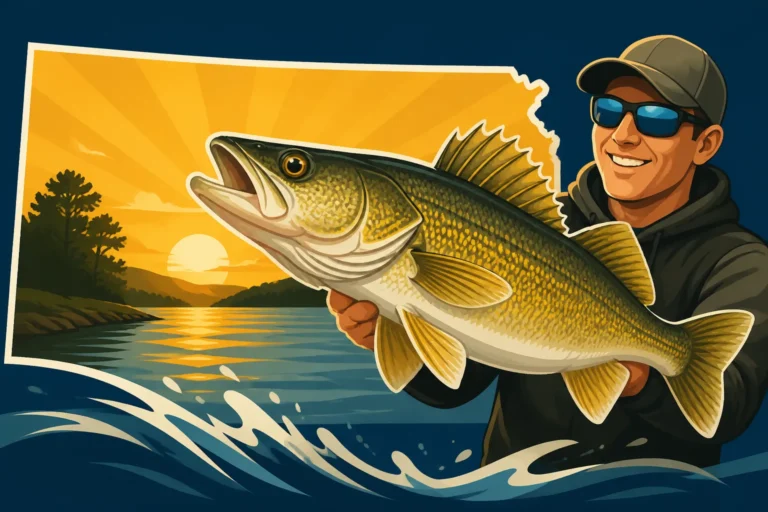
Walleye are a prized catch in Kansas, and Marion Reservoir definitely has its share of them. These toothy predators are primarily structure-oriented and light-sensitive, which often dictates their location. You'll find walleye generally prefer rocky points, main lake humps, and submerged roadbeds or creek channels. The rip-rap along the dam is a classic spot, especially during windy conditions when waves create a current that disorients baitfish, making them easy targets for lurking walleye. In the spring, during their spawn, these fish will move onto shallow, rocky areas to lay eggs. Post-spawn, they often retreat to slightly deeper water near these same rocky structures.
Throughout the summer, walleye tend to move to deeper main lake humps and the edges of creek channels where they can find cooler water and ambush baitfish. Trolling crankbaits or presenting jigs and live bait (like shad or minnows) along these contours can be incredibly effective. The depths can range from 10 to 25 feet, or even deeper during the hottest parts of summer. Knowing your electronics, especially a good fish finder, to locate these underwater structures is paramount for consistent walleye success at Marion. Don't overlook low-light periods like dawn, dusk, and even night fishing, as walleye become much more active hunters under these conditions. If you're looking to refine your approach, our guide on Kansas Walleye Fishing Techniques offers some excellent strategies.
Channel and Flathead Catfish Havens
Marion Reservoir is a fantastic destination for catfish anglers, boasting healthy populations of both channel catfish and flathead catfish. These fish are less particular about water clarity and are often found throughout the lake, from the shallow, muddy upper arms to the deeper main lake basin.
Channel catfish are widespread and abundant. You'll often find them cruising the edges of creek channels, in brush piles, or along the muddier flats, especially where there's a good current or fresh inflow. The upper reaches of the Cottonwood River and Doyle Creek arms are particularly productive, offering plenty of timber and debris for channels to hide around. They're opportunistic eaters, responding well to various baits like cut bait, stink baits, nightcrawlers, and even chicken livers. Bank fishing for channel cats can be excellent, particularly in the evening, near public access points with a bit of current or structure. For more specialized tips on bait, check out our piece on Best Bait for Kansas Catfish.
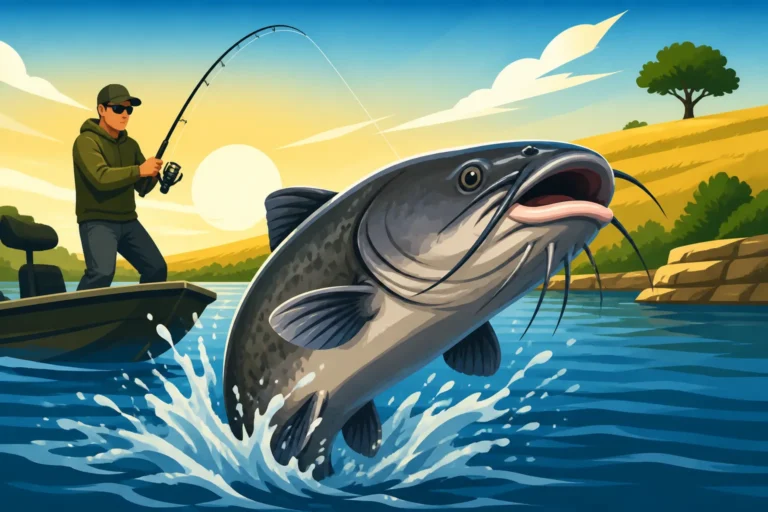
Flathead catfish, the true ambush predators, prefer live bait and chunky cover. Look for them in deeper holes in the river channels, around large submerged timber, or in brush piles. They are less common than channels but grow much larger. You'll need stout tackle and patience to wrestle these behemoths out of their lairs. Live bluegill or shad are irresistible to a hungry flathead. Targeting them at night, especially with a boat and powerful lights, can yield some impressive catches in the heavily timbered sections of the lake.
Crappie Sanctuaries and Seasonal Movements
Crappie fishing at Marion can be phenomenal if you know where to find these schooling panfish. Both white crappie and black crappie inhabit the reservoir, with whites typically dominating. They are almost always associated with structure, especially brush piles, standing timber, and submerged laydowns.
In spring, crappie move into shallow coves and protected bays to spawn, often congregating around any available cover like submerged brush, cattails, or even docks. The northern and eastern coves of Marion Reservoir, particularly those fed by smaller creeks or with good timber, can be hotspots during this time. Small jigs (1/16 to 1/8 ounce) tipped with a minnow or a soft plastic body are deadly. As the water warms in summer, crappie retreat to deeper, cooler water, often suspending over the main lake basin or clinging to deep brush piles and channel breaks. This is when a good fish finder is indispensable for locating these schools. Fall sees them moving back shallower as water temperatures cool, feeding aggressively before winter. During the colder months, they'll often be found in large schools over deeper timber or brush piles, waiting for baitfish to pass by.
White Bass Runs and Schooling Action
White bass are Marion Reservoir's answer to fast-paced, high-action fishing. These aggressive, schooling predators are a blast to catch, especially when they're in a feeding frenzy. You can often find them in large schools, chasing baitfish on the surface, creating visible "boils" or "jumps" as they attack.
The most famous white bass action often occurs in spring and early summer during their spawning runs up the Cottonwood River and Doyle Creek arms. Anglers flock to these areas, especially where there's current, to cast small crankbaits, Kastmasters, or Road Runner jigs. This can be some of the most exciting bank fishing available. Throughout the summer and fall, white bass roam the open waters of the main lake basin, often associated with humps or ledges where baitfish gather. Keep an eye out for flocks of diving birds – gulls or pelicans often signal white bass pushing bait to the surface. Trolling small crankbaits or casting silver spoons into these schooling fish can lead to non-stop action. If you're new to targeting this species, our Kansas White Bass Guide provides a fantastic overview of their habits and how to catch them.
Navigating Marion's Best Fishing Access Points
Getting onto Marion Reservoir, whether by boat or from the bank, is pretty straightforward thanks to several well-maintained access points. However, knowing the nuances of each can make your trip much smoother.
Boat Ramp Locations and Considerations
Marion Reservoir offers several public boat ramps that cater to different parts of the lake. The main ramps are generally located at Marion County Park, Cottonwood Point, and French Creek Cove.
- Marion County Park (South-East Side): This is one of the primary access points, offering multiple ramps and usually good parking. It's conveniently located near the city of Marion, making it easy to resupply if needed. The ramps here are generally well-maintained and provide good access to the main lake basin and the lower part of the Cottonwood River arm. However, during periods of extremely low water, some ramps may become difficult to use, so it's always wise to check current lake levels before heading out. This area is also popular for camping and other recreational activities.
- Cottonwood Point (West Side): Located on the western side, this ramp gives you quicker access to the wider main lake areas and some of the more significant humps and points. It's a great choice if you're primarily targeting walleye or open-water white bass. Like other ramps, its usability can be affected by water levels.
- French Creek Cove (North-West Side): This ramp provides access to the upper reaches of the reservoir, including the Doyle Creek arm. If you're looking to target crappie in timber or channel catfish in the more riverine sections, this is a good starting point. Be aware that this area can be shallower and have more submerged hazards, requiring careful navigation.
Remember, operating any boat on Kansas waters means you'll need to adhere to proper regulations, including having your vessel registered. For detailed information on what that entails, check out our guide on Kansas Boat Registration for Anglers. Always ensure your boat is properly equipped with safety gear, and always practice good ramp etiquette, especially on busy weekends.
Productive Bank Fishing Opportunities
You don't need a fancy boat to have a successful day at Marion Reservoir. There are plenty of fantastic bank fishing spots where you can cast a line and have a great time.
- The Dam Face and Rip-Rap: The rip-rap along the face of the dam is a perennial favorite for bank anglers. This rocky structure attracts baitfish, which in turn draws in walleye, white bass, and even channel catfish. Casting jigs, crankbaits, or fishing with live bait like minnows or worms can be productive here. The deep water immediately off the dam also provides access to fish that might be holding in cooler water during summer.
- Marion County Park Shoreline: Around Marion County Park, there are numerous accessible shoreline areas and even some designated fishing piers. These spots are perfect for families or anglers looking for convenience. You can target crappie around brush piles, panfish, and channel catfish, especially in the evenings. The small coves and points offer varying depths and cover.
- Roadbeds and Bridge Areas: Keep an eye out for old roadbeds or bridge remnants that might extend into the water from the shoreline, especially in the upper arms. These structures can be magnets for fish, particularly crappie and catfish. Access might require a bit of walking, but these less-pressured spots can yield excellent results. Always check for public access before venturing onto unfamiliar land.
- Community Fishing Lake Rules: While Marion Reservoir isn't a "Community Fishing Lake" in the specific KDWP program sense, many of the smaller, accessible park areas within the reservoir's boundaries follow similar principles of easy access. Our Kansas Community Fishing Lake Rules guide offers good general advice for fishing these types of easily accessible, managed waters.
Camping and Nearby Amenities for Anglers
Making a weekend trip out of your fishing adventure to Marion Reservoir is a popular choice, and there are several excellent camping options available.
- Marion County Park: This park, managed by the county, offers a variety of camping options, from primitive tent sites to RV hookups. Many sites are waterfront or have easy access to the lake, making it incredibly convenient for anglers. The park also features restrooms, showers, and picnic areas, providing a comfortable base camp for your fishing excursions. Being so close to the lake means you can be on the water at first light or fish late into the evening without a long drive.
- Cottonwood Point Recreation Area: Another Corps of Engineers-managed area, Cottonwood Point also offers camping with amenities, providing a great alternative or additional option for a multi-day trip. Its location on the western side can give you different fishing opportunities right from your campsite.
- City of Marion: The nearby city of Marion, just a few miles southeast of the reservoir, offers basic amenities such as gas stations, bait shops, grocery stores, and a few dining options. It’s always a good idea to stock up on essentials here before heading to your campsite or the boat ramp, especially if you're planning an extended stay. Make sure you have all your necessary gear, and don't forget to grab some fresh bait!
Seasonal Strategies for Marion Reservoir Success
Understanding how fish behave throughout the year at Marion Reservoir is key to consistent success. Each season presents unique opportunities and challenges, and adapting your tactics accordingly will pay dividends. After all, what works in spring for crappie won't necessarily work in summer for walleye.
Spring's Bounty: Spawn and Post-Spawn Tactics
Spring is a time of renewal and intense fishing activity at Marion Reservoir. As water temperatures rise, fish become much more active, and many species move shallow for their annual spawn.
- Crappie: This is prime time for crappie. As water temperatures climb into the 50s and 60s Fahrenheit, crappie migrate into shallow coves, especially those with brush piles, standing timber, or emergent vegetation. Look for water 2-8 feet deep. Slow-trolling small jigs or casting to visible cover with minnows under a bobber are highly effective. The coves on the north and east sides of the lake, particularly those with a bit of a muddy bottom that warms quickly, are often hotspots.
- Walleye: Walleye make their spawning run typically when water temperatures are in the low 40s to low 50s. They'll stage on rocky points and flats near the dam or other significant main lake rock structures. After the spawn, they'll often hold on these same areas but move slightly deeper to recover, feeding aggressively on baitfish. Casting jigs or slowly trolling crankbaits along the edges of these structures can be very productive.
- White Bass: The white bass run up the Cottonwood River and Doyle Creek arms can be spectacular in spring. As they push upstream to spawn, they stack up in incredible numbers. Casting small inline spinners, jigs, or spoons into current breaks and eddies can result in non-stop action. This is often an excellent bank fishing opportunity.
- Catfish: Channel catfish become very active in spring, feeding heavily on anything available. They'll be found in creek channels, around fresh inflows, and in the shallows of the upper lake arms. Flatheads will also start to move more, looking for suitable spawning sites in holes or under logs.
Always keep an eye on the Kansas Fishing Seasons and Limits for specific species, as regulations can sometimes vary by water body.
Summer's Deep Dive and Night Fishing
Summer brings warmer water temperatures, which often pushes many fish species to deeper, cooler waters, or makes them more active during low-light conditions.
- Walleye: During the heat of summer, walleye will often retreat to deeper humps, main lake points, and the edges of creek channels, sometimes holding 15-30 feet deep or more. Trolling deep-diving crankbaits or vertical jigging spoons or heavy jigs can be effective. Night fishing for walleye can be excellent, especially around lighted docks or main lake points where baitfish congregate.
- Catfish: Summer is prime time for channel and flathead catfish. Channel cats will be active throughout the lake, particularly in the upper river arms, creek mouths, and any areas with current. Night fishing for channels with stink bait or cut bait is incredibly popular. Flatheads will often be found in their deep timber strongholds, and fishing live bait at night near these structures is your best bet for a trophy.
- White Bass: White bass will continue to school in the main lake basin, often pushing baitfish to the surface during early morning, late evening, or overcast days. Look for diving birds as a clue. If the surface action isn't happening, they'll be suspended over structure or in open water. Trolling small crankbaits or casting spoons is effective. Night fishing for white bass under lights can also be very productive.
- Crappie: Crappie will suspend over deeper brush piles or along channel edges. Using electronics to locate these schools is crucial. Vertical jigging small jigs or minnows directly over the schools is the most effective method.
Fall's Feeding Frenzy
As water temperatures begin to cool in fall, many fish species enter a "feeding frenzy," fattening up for the lean winter months. This can be one of the most productive times to fish Marion Reservoir.
- Walleye: Walleye move shallower again, often returning to the same rocky points and main lake humps they used in spring. They'll be very aggressive, chasing baitfish. Trolling crankbaits, casting jigs, or using slip-bobber rigs with live bait can all be very successful. The fall bite can rival or even surpass the spring bite for numbers and size.
- Crappie: Crappie will also move shallower, relating to brush piles and timber in coves and along channel edges. They'll be actively feeding on baitfish, and you can often find large schools. Jigs and minnows remain the go-to baits. Look for them in 5-15 feet of water.
- White Bass: White bass continue their schooling behavior in the main lake, often forming massive schools. Look for surface boils, especially on calm days. They'll be chasing baitfish relentlessly. Fall is an excellent time to cover water by trolling or casting to visible schools.
- Catfish: Channel catfish remain active, particularly in the upper arms and flats. Flatheads will also be feeding heavily before the cold weather sets in. Fishing fresh cut bait or live bait can yield big results.
Winter's Chill: Ice Fishing and Deep Water Holds
While Kansas winters can be unpredictable, when solid ice forms on Marion Reservoir, it can offer some fantastic ice fishing opportunities. Even without ice, open-water winter fishing can be productive for those willing to brave the cold.
- Ice Fishing: If the ice is safe (at least 4 inches for foot travel, more for groups), you can target crappie, white bass, and sometimes walleye. Crappie will be suspended over deep brush piles or timber. Small jigs tipped with wax worms or minnow heads are effective. White bass often school in open water. Always prioritize safety on the ice.
- Open Water Winter Fishing: If the lake remains open, fish will generally hold in deeper, more stable areas. Walleye will be concentrated on deep main lake humps or channel edges. Crappie will be tightly schooled over deep brush piles. Fishing vertically with jigs or spoons, or slowly trolling deep-diving crankbaits, are the primary methods. Bait choice tends to be smaller and slower presentations are key.
Essential Gear and Bait for Marion Reservoir
Having the right tools for the job can make all the difference, especially on a diverse body of water like Marion Reservoir. Let's break down some essential gear and bait recommendations that will help you tackle its various species.
Rods, Reels, and Line for Common Species
- Walleye: For walleye, a medium-light to medium power spinning rod (6'6" to 7'6") with a fast action tip is ideal for casting jigs and feeling subtle bites. Pair it with a 2500 or 3000 size spinning reel spooled with 8-10 lb braided line, tied to a 6-10 lb fluorocarbon leader. If you're trolling, a medium power casting rod (7' to 8'6") with a moderate action is better, matched with a line counter reel and 10-12 lb monofilament or fluorocarbon.
- Catfish: When targeting channel cats, a medium-heavy power spinning or casting rod (7' to 8') with a moderate-fast action will handle most situations. For flatheads, you'll want a heavy power casting rod (7'6" to 9') with a strong backbone. Pair these with robust reels spooled with 20-30 lb monofilament or 30-65 lb braided line, depending on the size of fish you're expecting and the amount of cover. Braided line offers superior strength and sensitivity for battling big cats in timber.
- Crappie: A light or ultra-light power spinning rod (5' to 7') with a fast action tip is perfect for crappie. A 1000 or 2000 size spinning reel spooled with 4-6 lb monofilament or fluorocarbon will give you the sensitivity needed for light bites and casting small jigs. For spider rigging or vertical jigging, longer crappie-specific rods (8-12 feet) can be beneficial.
The key is to match your setup to the species and the conditions. A lighter setup for finesse crappie fishing won't cut it for a monster flathead, and vice-versa.
Top Baits and Lures for Marion's Fish
Choosing the right bait or lure is often more important than any other factor. Here's what tends to work best at Marion:
- Walleye: Live minnows (shiners, fatheads) on a jig or slip-bobber rig are deadly. Nightcrawlers drifted with a bottom bouncer or on a spinner rig are also excellent. For artificials, crankbaits (especially deep-divers like Berkley Flicker Shad or Rapala Shad Raps) in shad, chrome, or firetiger patterns are top choices for trolling. Jigging spoons (like a Northland Forage Minnow) or 1/4 to 3/8 oz jigs tipped with a minnow or soft plastic paddle tail are effective for vertical presentations. If you're looking for more details on lures, check out Best Lures for Kansas Walleye.
- Catfish: Live baits are king for flatheads – bluegill, sunfish, or large shad are irresistible. For channel catfish, cut bait (shad, carp), chicken livers, and prepared stink baits are perennial favorites. Nightcrawlers, especially a big wad of them, will also catch plenty of channels. Drift fishing with cut bait or anchoring and fan casting with multiple rods are common tactics. For more specific bait recommendations, our Best Bait for Kansas Catfish article can be a great resource.
- Crappie: Live minnows are hard to beat, whether fished under a bobber or tipped on a jig head. Small soft plastic jigs (1/32 to 1/8 oz) in white, chartreuse, or black/chartreuse are also highly effective, especially when fished slowly. Spider jigs or tube jigs are common choices. For specific lure types, our guide on Best Lures for Kansas Crappie has some excellent ideas.
- White Bass: Small inline spinners (Rooster Tails, Mepps), silver or white spoons (Kastmasters, Little Cleos), and small crankbaits (like a Rapala CountDown) are go-to lures. When they are schooling on the surface, almost anything you throw in their vicinity will get hit!
Electronics and Other Must-Have Gear
In today's fishing world, electronics can truly level the playing field, especially on a lake with as much structure as Marion Reservoir.
- Fish Finder/Depth Finder: This is arguably the most crucial piece of electronic gear for boat anglers on Marion. A good fish finder allows you to locate submerged creek channels, humps, brush piles, and even schools of baitfish and game fish. Side imaging or down imaging can be incredibly helpful for identifying structure off to the sides or directly beneath your boat, allowing you to stay on productive spots. Garmin and Humminbird offer excellent models for various budgets.
- GPS/Chartplotter: Integrated with your fish finder, a GPS unit allows you to mark waypoints for productive spots, follow contours, and navigate safely, especially in the timbered areas or during low light. This is invaluable for returning to a hot spot again and again.
- Trolling Motor: An electric trolling motor, particularly one with GPS-controlled spot-lock features (like those from Minn Kota or Lowrance), can make boat control effortless. This allows you to precisely hold your position over a hump, along a channel edge, or in a brush pile, freeing you up to focus on fishing.
- Landing Net: A sturdy landing net, especially one with a long handle for bigger fish like walleye or catfish, is essential to safely land your catch.
- Pliers/Forceps: For removing hooks quickly and safely, especially from toothy walleye or aggressive catfish.
- Cooler: Keep your catch fresh on ice, especially during warmer months.
Planning Your Marion Reservoir Fishing Adventure
A little planning goes a long way in ensuring a memorable and successful fishing trip to Marion Reservoir. From finding local expertise to understanding the rules, being prepared makes all the difference.
Hiring a Local Guide or Booking Services
Sometimes, the best way to unlock a new lake's potential, especially one with as many nuances as Marion Reservoir, is to tap into local expertise. Hiring a fishing guide can drastically shorten the learning curve and put you on fish faster than weeks of trial and error.
Local guides spend countless hours on the water, tracking fish movements, understanding seasonal patterns, and knowing exactly which baits and techniques are working right now. They can teach you how to read Marion's specific structure, navigate its channels, and pinpoint hotspots for various species. This is particularly valuable for species like walleye or big flathead catfish that can be more challenging to locate consistently. If you're traveling a distance or simply want to maximize your time on the water, a guide is an investment that often pays off in knowledge gained and fish caught. To find reputable guides specializing in Marion Reservoir, online platforms like FishingBooker can be incredibly useful. They list local Kansas fishing guides, their specialties, and customer reviews, helping you connect with the perfect expert for your Marion adventure. You can filter by species, technique, and even boat type to ensure you get exactly the experience you're looking for.
Understanding Regulations and Conservation
Responsible angling is paramount, not just for the health of Marion Reservoir's fishery, but for the enjoyment of all who use it. This means being fully aware of and complying with all state and local fishing regulations.
The Kansas Department of Wildlife and Parks (KDWP) sets specific rules for Marion Reservoir regarding length limits, daily creel limits, and tackle restrictions for various species. For example, walleye often have minimum length limits, and crappie might have a generous daily limit but still require adherence to specific methods. These regulations are designed to manage fish populations, prevent overharvest, and ensure healthy fishing for future generations. Always consult the most current KDWP fishing regulations summary before you head out. Our comprehensive guide, Kansas Fishing Regulations Explained, can serve as an excellent resource to help you understand the broader rules that apply across the state, many of which will also apply directly to Marion Reservoir.
Beyond just following the rules, practicing good conservation habits is crucial. This includes:
- Catch and Release: Consider releasing larger, trophy-sized fish, especially those species that are slower to reproduce, to help sustain the population.
- Proper Fish Handling: If you plan to release fish, handle them as little as possible, keep them in the water, and release them quickly.
- Trash No More: Pack out everything you pack in. Leaving trash, especially fishing line, can harm wildlife and pollute the reservoir.
- Respect Others: Be mindful of other anglers, boaters, and property owners. Shared waters are best enjoyed when everyone is considerate.
Safety on the Water
Marion Reservoir, like any large body of water, demands respect and adherence to safety protocols. A safe trip is always a successful trip, regardless of the catch.
- Life Jackets: Ensure you have enough U.S. Coast Guard-approved life jackets for everyone on board, and that children are wearing them at all times when the boat is underway. Consider wearing one yourself, especially when water temperatures are cold or if you're alone.
- Weather Monitoring: Kansas weather can change rapidly. Always check the forecast before heading out and keep an eye on the sky while on the water. Sudden thunderstorms, high winds, and rapidly dropping temperatures can quickly turn a pleasant day into a dangerous situation. If a storm rolls in, seek shelter immediately.
- Tell Someone Your Plan: Inform a friend or family member of your float plan – where you're going, when you expect to return, and who is with you.
- Know Your Boat: Be familiar with your vessel's operation, including safety equipment like fire extinguishers, horns, and navigation lights. Ensure your boat is properly maintained.
- Hydration and Sun Protection: Even on overcast days, the sun's UV rays reflecting off the water can cause severe sunburn. Wear sunscreen, a hat, and sunglasses, and drink plenty of water to stay hydrated.
- Navigating Timber: If you venture into the upper river arms with standing timber, proceed with extreme caution. Submerged logs can damage your lower unit or prop. Navigate slowly and keep a sharp lookout.
By keeping these safety tips in mind, you can ensure that your fishing adventures on Marion Reservoir are not only productive but also safe and enjoyable for everyone.
| Species | Primary Season(s) | Key Locations | Effective Baits/Lures | Notes |
|---|---|---|---|---|
| Walleye | Spring, Fall | Rocky points, Main lake humps, Dam rip-rap, Creek channel edges | Minnows, Nightcrawlers, Crankbaits, Jigs, Spoons | Active during low light; use electronics. |
| Channel Catfish | Spring, Summer, Fall | River arms, Creek channels, Brush piles, Muddy flats | Cut bait, Stink bait, Chicken livers, Nightcrawlers | Abundant; good for bank fishing. |
| Flathead Catfish | Summer | Deep holes, Large submerged timber, River channels | Live bluegill/shad | Trophy potential; target at night. |
| Crappie | Spring, Fall | Shallow coves (spawn), Brush piles, Standing timber, Channel edges | Minnows, Small jigs, Tube jigs | Structure-oriented; excellent eating. |
| White Bass | Spring, Summer, Fall | River arms (spawn), Open main lake, Surface boils | Inline spinners, Spoons, Small crankbaits | Fast action; look for diving birds. |
Disclaimer
The information provided in this guide is for general informational purposes only and is subject to change. Fishing regulations, conditions, and fish populations can vary. Always consult the official Kansas Department of Wildlife and Parks (KDWP) website or their current fishing regulations handbook before fishing. Personal safety should always be your top priority when on the water.