Wilson Lake Acreage and Depth
When you're eyeing a fishing trip to a Kansas reservoir, especially one as renowned as Wilson Lake, it's easy to feel a mix of excitement and a little bit of intimidation. This massive body of water, often called the "clearest lake in Kansas," holds incredible fishing opportunities, but its sheer size and varying depths can make it a challenge to know where to start. Understanding Wilson Lake's acreage and depth isn't just interesting trivia; it's crucial for unlocking its secrets and improving your chances of a successful outing.
Wilson Lake: Unpacking Its Size and Overall Depth Profile
Let's get down to the nitty-gritty of Wilson Lake's dimensions, because these numbers truly tell a story about the kind of fishery it is. Knowing the expansive surface area and how deep the water gets in different spots helps paint a picture of the diverse habitats available to fish, and consequently, to anglers like us.
A Sprawling Kansas Jewel: Wilson Lake's Acreage
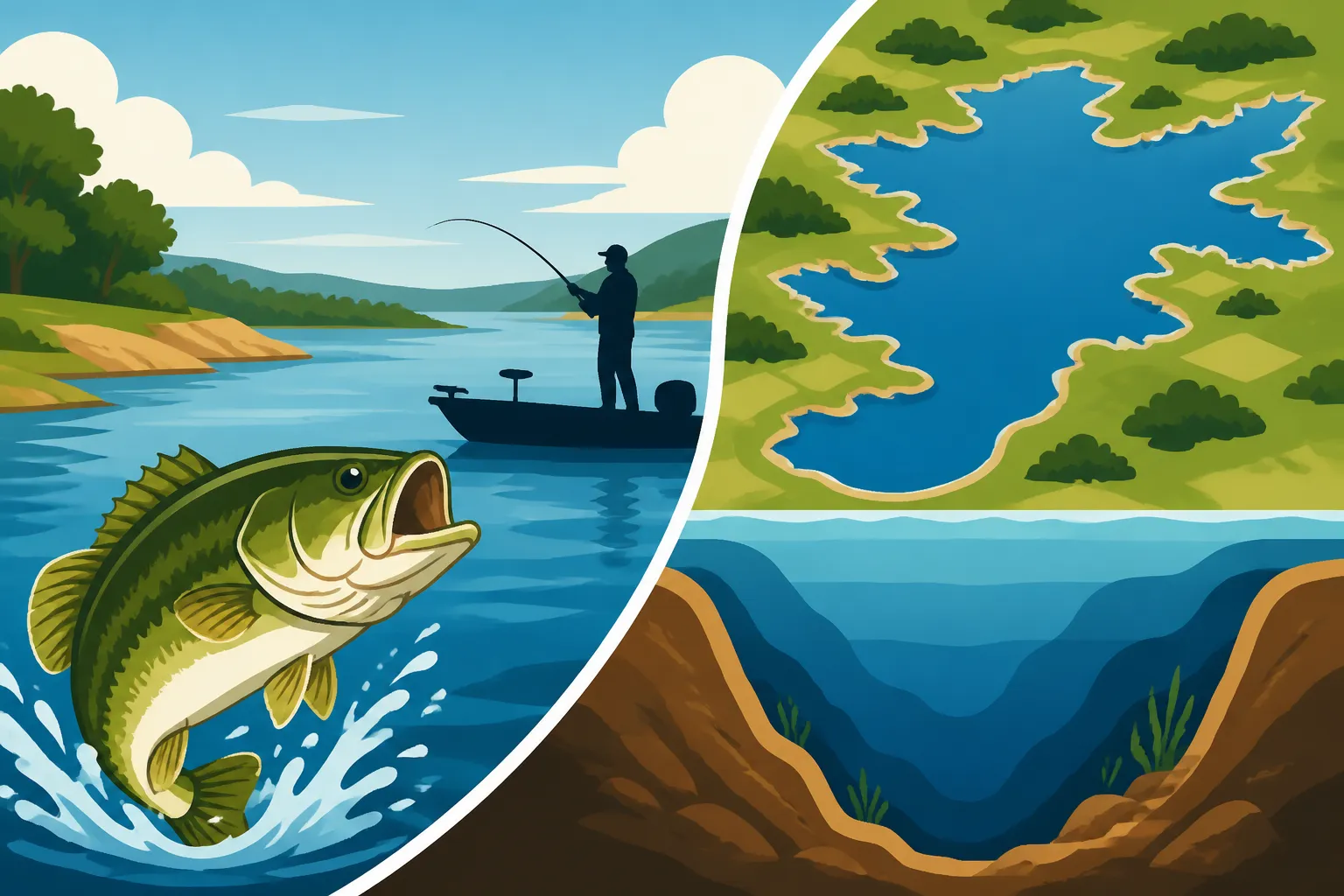
Wilson Lake is one of Kansas's largest reservoirs, boasting an impressive surface area that varies depending on water levels but generally hovers around 9,000 acres. Think about that for a moment: 9,000 acres of open water, hidden coves, submerged timber, and rocky points. This isn't your average farm pond; it's a vast inland sea. This sprawling size means a few things for us as anglers. First, there's a lot of water to explore, which can be both a blessing and a curse. You're never going to "fish out" Wilson Lake in a single day, or even a single season. It offers endless opportunities for discovery. Secondly, a larger lake often means more stable water conditions, better forage bases, and the potential for larger, healthier fish populations. You'll find plenty of room to spread out, whether you're trolling for walleye, chasing white bass boils, or quietly soaking a bait for catfish from the bank. The expansive nature also means that different sections of the lake can fish very differently depending on the season, weather, and target species.
The Depths Below: Average and Maximum Depths of Wilson Lake
Now, let's talk about depth, because this is where the real intrigue for fish behavior lies. While the exact average depth fluctuates, Wilson Lake generally has a mean depth of around 30 to 35 feet. However, its maximum depth plunges considerably further, reaching depths in excess of 60 feet near the dam and in certain old river channel areas. This isn't a shallow, murky bowl; it's a lake with significant vertical structure.
What does this deep water mean for fishing? It means fish have a wide range of thermal layers and cover options throughout the year. In the heat of summer, when shallow waters become too warm and oxygen-depleted, fish can retreat to cooler, deeper sanctuaries. Conversely, in the spring and fall, these deeper sections might hold transitional fish moving between their wintering grounds and spawning areas. Knowing these depths helps you choose the right gear and techniques. For instance, if you're targeting big walleye in the summer, you'll likely be looking at crankbaits that dive to 20-30 feet or employing jigging spoons over deep structure. This deep profile is also why Wilson Lake is a fantastic spot for species like striped bass, which thrive in larger, deeper reservoirs that mimic their oceanic origins. If you're planning a trip and want to tap into local expertise on navigating these depths, services like FishingBooker can connect you with guides who know Wilson Lake like the back of their hand.
Understanding Wilson Lake's Structure: How Depth Influences Fish Behavior
Knowing the numbers is one thing, but truly understanding how Wilson Lake's acreage and, more critically, its depth influences fish behavior is what will elevate your fishing game. Fish aren't just randomly swimming around; their movements and locations are dictated by environmental factors, and depth plays a huge role.
From Shallow Flats to Deep River Channels: Diverse Habitats
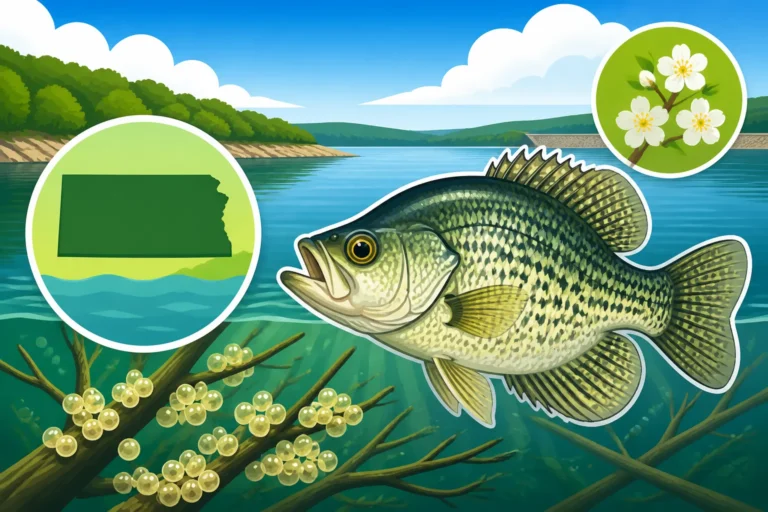
Wilson Lake's underwater landscape is incredibly varied, a direct consequence of its depth profile. You have vast, relatively shallow flats, often with remnants of old timber or scattered rock piles. These areas, particularly in the spring and fall, can be dynamite for crappie and bass, especially when the water temperatures are just right. Fish move onto these flats to feed, warm up, or prepare for spawning. Then, abruptly, these flats can drop off into steep ledges, moving into the much deeper water of the old Saline River channel or its tributaries.
These submerged creek beds and the main river channel are highways and homes for many of Wilson's inhabitants. Catfish, particularly the larger blue and flathead varieties, often patrol these deeper channels, especially during periods of lower light or after dark. Walleye will relate heavily to the edges of these channels, using them as ambush points for baitfish. Understanding that a channel edge might go from 15 feet to 40 feet in a short distance is critical for setting up your boat and presenting your lure effectively. You're not just fishing "water"; you're fishing a specific piece of submerged topography. This complex structure makes it one of the Best Fishing Lakes in Kansas, offering a challenge and reward for anglers of all skill levels.
Thermal Stratification and Oxygen Levels
The significant depth of Wilson Lake also means it undergoes what's called thermal stratification during the warmer months. Basically, the water forms distinct layers: a warmer, oxygen-rich layer on top (epilimnion), a transition zone where temperature changes rapidly (thermocline), and a cooler, often lower-oxygen layer at the bottom (hypolimnion). The thermocline is a vital area for fish, as it often concentrates baitfish and predatory species like walleye, crappie, and white bass.
Knowing the depth of the thermocline (which you can often find using a good fish finder or through online reports from the Kansas Department of Wildlife, Parks and Tourism) can dramatically narrow down your search for fish. If you know walleye are holding at 25 feet, you're not going to waste time fishing in 5 feet or 50 feet of water. This is where investing in a quality Best Fish Finder for Kansas Reservoirs really pays off, allowing you to "see" these thermal layers and the fish relating to them. The presence of these deeper, cooler layers is a primary reason why Wilson Lake sustains healthy populations of hard-fighting striped bass, which are less tolerant of warm water than some other species.
Strategic Fishing: Using Depth and Acreage to Target Specific Species
Armed with the knowledge of Wilson Lake's vast acreage and diverse depths, you can start to develop a strategic approach to your fishing, rather than just casting blindly. Tailoring your tactics to the lake's structure and the target species will make all the difference.
Targeting Walleye and Striped Bass in Deeper Water
Walleye and striped bass, two of Wilson Lake's most sought-after species, are often found relating to deeper water and structure. During much of the year, particularly outside of their spawning periods, these fish will be concentrated along breaklines, humps, and the edges of the old river channel. For walleye, this might mean trolling crankbaits that dive to specific depths, vertical jigging spoons or blade baits over submerged points, or casting soft plastics along rocky drop-offs. The Kansas Walleye Fishing Techniques often revolve around understanding how to effectively present lures at specific depths.
Striped bass, being open-water predators, will often suspend in the water column over deeper areas, chasing schools of shad. Here, a good fish finder is indispensable for locating these schools and the stripers feeding on them. You might be casting swimbaits or topwater lures into active boils, or trolling umbrella rigs at controlled depths to intercept deeper-holding fish. Many anglers find the Wilson Lake Striped Bass Fishing to be particularly thrilling, often requiring precise depth control. If you're new to targeting these deeper-water dwellers, a guided trip booked through a service like FishingBooker can offer invaluable hands-on learning, showing you exactly how and where to fish these depths.
Chasing Crappie and Largemouth Bass in Varying Depths
Crappie and largemouth bass also use the full spectrum of Wilson Lake's depths, but their preferences shift significantly with the seasons. In the spring, crappie will move into shallower coves and brush piles in 5-15 feet of water to spawn, making them accessible to bank anglers and those in smaller boats. During the summer, however, these fish will often retreat to deeper brush piles, submerged timber, or bridge pilings in 15-30 feet of water, seeking cooler temperatures and cover. Knowing these depth transitions is key to successful Kansas Crappie Fishing Techniques.
Largemouth bass, while often associated with shallower cover, will also use deeper structure, especially as the season progresses. They might ambush prey from the edges of weed beds in 10-15 feet, or relate to submerged rock piles and timber in similar depths. Anglers targeting bass will often use depth contours to their advantage, casting parallel to breaklines or pitching jigs into deeper wood. The sheer acreage of Wilson Lake means there are countless coves, points, and flats to explore for both species, making a good map and an understanding of seasonal depth patterns your best friends.
Navigating Wilson Lake: Tools and Tips for Exploring its Depths
With such a large and deep body of water, having the right tools and strategies for navigating Wilson Lake's intricacies is paramount. It's not just about getting on the water; it's about fishing it smart.
Essential Gear for a Large, Deep Lake
When fishing a lake like Wilson, your gear choices become even more critical. For starters, a reliable boat is almost essential for truly exploring its vastness and accessing its deeper, more productive areas. Many anglers opt for larger V-hull or bass boats that can handle the open water and potential chop. Make sure your Kansas Boat Registration Guide is up to date! For those preferring a quieter approach, even a well-equipped fishing kayak can be a great option for targeting specific coves or shoreline structures.
Beyond the vessel, a high-quality fish finder with GPS capabilities is practically non-negotiable. This tool allows you to map contours, mark waypoints on productive spots, identify baitfish schools, and even discern the thermocline. Brands like Humminbird, Lowrance, and Garmin offer excellent units that can drastically improve your efficiency. Matching your rod and reel setups to your target species and preferred techniques is also important. Heavier gear might be needed for striped bass or big catfish in deep water, while lighter, more sensitive setups are perfect for crappie or finesse walleye presentations. Always consult a comprehensive Kansas Fishing Gear Guide before heading out.
Leveraging Local Knowledge and Resources
Even with the best gear, there's no substitute for local knowledge, especially on a lake as dynamic as Wilson. Before you launch, check the Kansas Department of Wildlife, Parks and Tourism (KDWPT) website for the latest fishing reports, stocking schedules, and lake levels. These reports often provide valuable insights into where fish are being caught and at what depths. Additionally, engaging with local bait shops or attending fishing seminars can provide current, on-the-ground information.
If you're looking for a shortcut to understanding Wilson Lake's vastness and depth structure, consider hiring a professional fishing guide. They spend countless hours on the water, mapping contours, tracking fish movements, and experimenting with different techniques. Services like FishingBooker make it easy to find and book experienced Wilson Lake guides who can put you on fish and teach you the nuances of fishing this remarkable body of water. They can show you the best spots around Wilson State Park Fishing Access or hidden honey holes that are hard to find on your own. Remember that even with the best resources, part of the joy of fishing is the continuous learning and discovery.
Maximizing Your Wilson Lake Fishing Experience
To truly make the most of your time on Wilson Lake, synthesize all this information. The lake's 9,000 acres and depths exceeding 60 feet aren't just statistics; they are the canvas upon which your fishing adventure unfolds. Understanding these fundamental dimensions allows you to approach the lake with confidence, adapt to changing conditions, and make informed decisions about where and how to fish.
For instance, knowing the deep-water habitat favored by striped bass means you'll spend less time in shallow coves if that's your target. Conversely, if crappie are on your mind in early spring, you'll focus your efforts on the shallower, timber-laden areas. Always consider the Kansas Fishing Seasons Guide to align your target species with their most active periods and likely locations within the lake's diverse depths.
The beauty of a large, deep lake like Wilson is its resilience and variety. It offers something for everyone, from the casual bank angler hoping for channel catfish to the dedicated tournament fisherman chasing trophy walleye or striped bass. By respecting its size, understanding its depths, and leveraging the tools and knowledge available, you're well on your way to a memorable Kansas fishing experience.
Disclaimer
The information provided in this guide is for general informational purposes only. Fishing regulations, conditions, and fish behavior can change rapidly. Always consult the official Kansas Department of Wildlife, Parks and Tourism (KDWPT) website and local authorities for the most current regulations, licensing requirements, and safety guidelines before planning any fishing trip. Fishing inherently carries risks, and responsible angling practices are encouraged.