El Dorado State Park Fishing Access
Finding a fantastic fishing spot that offers both stunning scenery and consistent action can feel like searching for a needle in a haystack, especially when you're just looking for reliable access without needing a huge boat or complex gear. Many anglers get frustrated trying to figure out where to go, what to expect, and if a location is truly accessible. That's precisely why we're diving deep into El Dorado State Park, a gem in south-central Kansas that boasts incredible fishing opportunities and user-friendly access for everyone.
Discovering El Dorado State Park's Fishing Charms
El Dorado State Park, located just east of the city of El Dorado in Butler County, is truly one of Kansas's crown jewels, offering much more than just a place to cast a line. This sprawling area, centered around the massive El Dorado Lake, provides a diverse aquatic environment that supports a wide array of game fish. What makes it particularly special is its thoughtful infrastructure, designed to make fishing enjoyable and accessible for all skill levels, whether you're a seasoned angler or introducing a youngster to the sport. The park spans thousands of acres, encompassing a mix of mature timber, open grasslands, and miles of picturesque shoreline, all contributing to an exceptional outdoor experience.
The lake itself, formed by the Walnut River, covers over 8,000 acres when full, making it one of the larger reservoirs in the state. Its varying depths, from shallow coves perfect for spring crappie to deeper main lake channels holding trophy wipers and catfish, create a dynamic fishing habitat. While other famous Kansas lakes like Milford Lake are known for their immense size, El Dorado holds its own with a reputation for producing quality fish and providing excellent public access. It's truly a place where you can spend an entire day, or even a weekend, exploring different spots and techniques without feeling like you've seen it all.
A Closer Look at the Waters and Environment
El Dorado Lake is known for its relatively clear water, especially compared to some of the muddier rivers and reservoirs in the region, though conditions can certainly vary with rainfall and season. This clarity can make for exciting sight-fishing opportunities in certain areas, particularly for bass anglers. The lake bed features a mix of rock formations, submerged timber, old creek channels, and expansive flats, providing diverse structures that attract different fish species throughout the year. The Kansas Department of Wildlife, Parks and Tourism (KDWP) actively manages the fishery, conducting stocking programs and monitoring fish populations to ensure sustainable and rewarding fishing. You'll often find discussions among local anglers about the best strategies for dealing with the lake's unique characteristics, making it a great place to learn and adapt your approach.
Beyond the fishing, the natural beauty of El Dorado State Park is undeniable. You'll often see white-tailed deer, wild turkeys, and a variety of waterfowl and songbirds while you're out on the water or exploring the shorelines. This adds an extra layer of enjoyment to any fishing trip, reminding you that you're immersed in a vibrant ecosystem. It’s not just about catching fish; it’s about experiencing the peace and tranquility of nature, which is a big part of what makes fishing so rewarding for so many of us.
Park Amenities Beyond Fishing
El Dorado State Park is incredibly well-equipped, making it an ideal destination for a full family outing or a dedicated fishing expedition. It features numerous camping areas, ranging from primitive sites to those with full RV hookups, making it easy to turn a day trip into an overnight adventure. There are also well-maintained picnic areas, hiking and biking trails, equestrian trails, and even swim beaches. For those interested in more active water sports, areas are designated for boating, waterskiing, and jet-skiing. The park’s commitment to providing a holistic outdoor experience means that if some members of your group aren't avid anglers, there's still plenty for them to do while you're out chasing fish. This blend of activities truly sets it apart, allowing for diverse interests to be met within one beautiful location.
If you're planning a trip and need a guide or want to ensure you hit the best spots, sometimes looking into local services can be a game-changer. You might even find local guides on platforms like FishingBooker who specialize in El Dorado Lake, offering insights into its unique patterns and hotspots. Having that expert knowledge can significantly enhance your experience, especially if you're targeting specific species or visiting for the first time.
Prime Fishing Access Points at El Dorado
One of El Dorado State Park’s biggest strengths is its wide variety of fishing access points. Whether you prefer fishing from the bank, launching a boat, or need accessible options, this park has you covered. The design of the park prioritizes convenience, ensuring that anglers can easily get to the water and enjoy their time without unnecessary hassle. This thoughtful planning is a huge relief for anglers who have experienced the frustration of driving to a lake only to find limited or difficult-to-reach access points.
The park is divided into several distinct areas, each offering unique access and fishing opportunities. The Walnut River arm, for example, feeds into the lake and provides shallower, often murkier water that can be excellent for catfish and carp, especially in the upper reaches. The main lake body, with its deeper channels and open water, is more suited for species like walleye, wipers, and striped bass. Knowing these distinctions can help you plan your day and choose the best starting point for your target species.
Dedicated Bank Fishing Areas and Piers
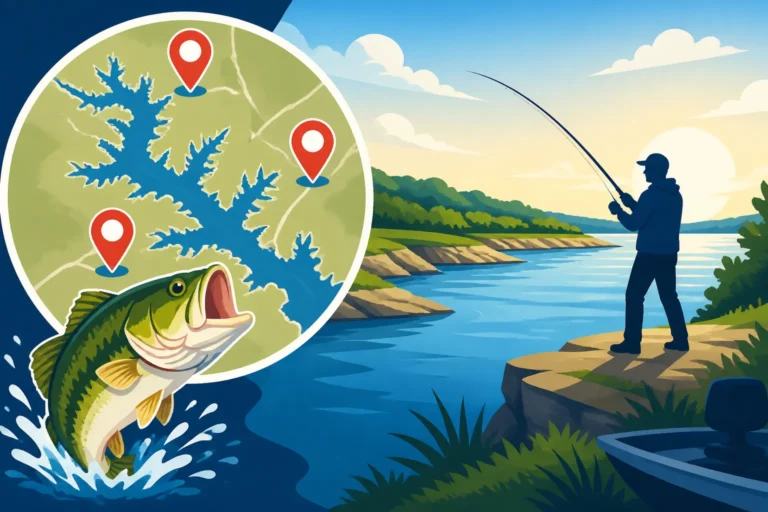
For those who prefer to keep their feet on solid ground, El Dorado State Park offers numerous excellent bank fishing spots. The various coves and points throughout the park provide ample shoreline access. Areas around the Walnut River and Bluestem Point are popular for their easy access and diverse fishing opportunities. These spots are often cleared of heavy vegetation, making casting and landing fish much simpler. Many of these locations also feature picnic tables and shade structures, perfect for a comfortable day of fishing with family or friends. Some of the smaller coves can be especially productive during spring and fall when fish move into shallower waters to spawn or feed.
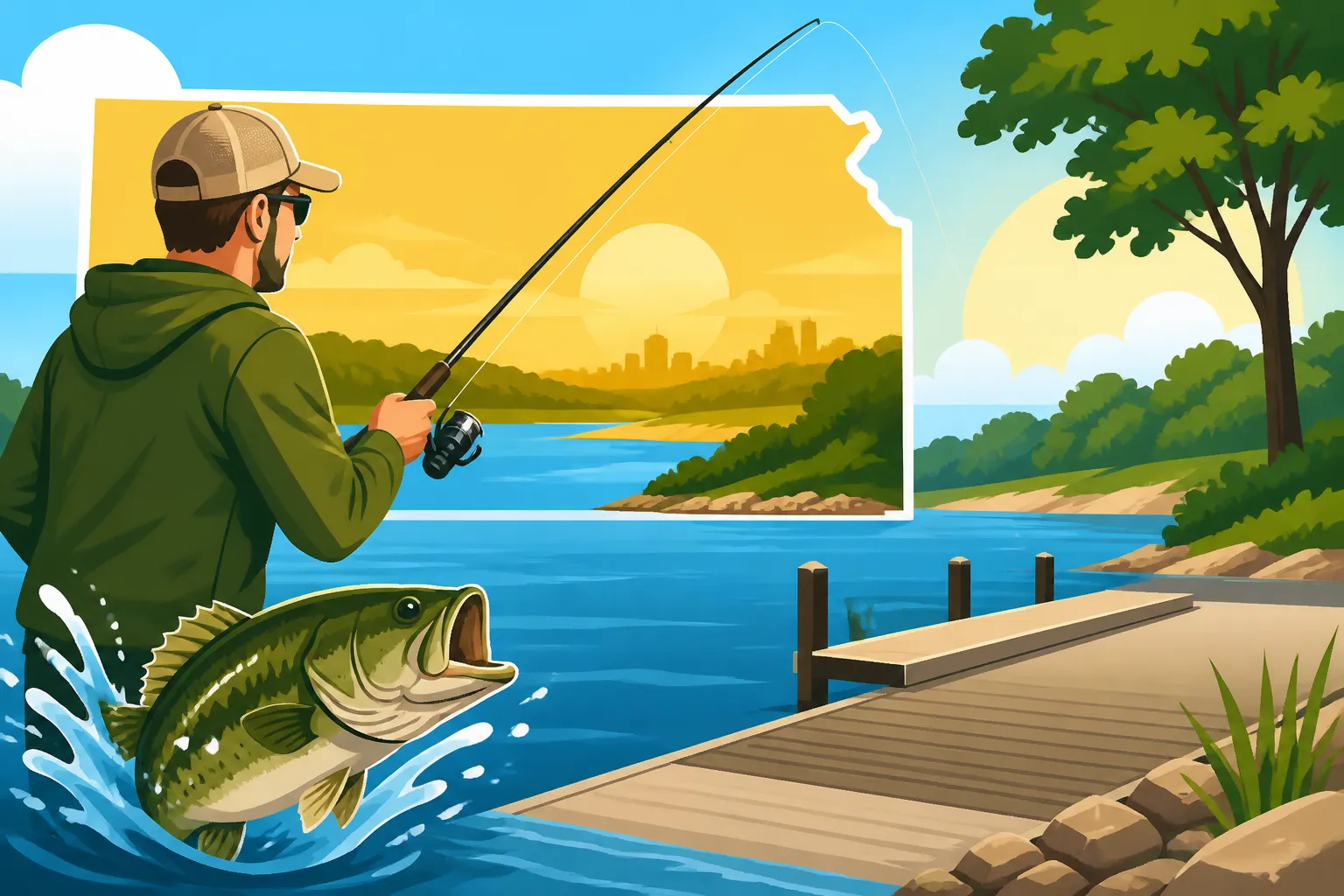
Perhaps most notably, the park has invested in accessible fishing piers, designed to accommodate anglers with disabilities. These piers often extend into deeper water or provide access to prime submerged structures that might otherwise be out of reach from the bank. The West End Multi-Use Trail, for example, provides not only scenic views but also points of access that are ideal for bank fishing. For specific details on where to find these, checking the park map or asking at the park office upon arrival can be very helpful. Remember, knowing the local rules for Kansas State Park Fishing Permit Rules is always a good idea before you head out.
Public Boat Ramps and Marina Facilities
If you're bringing a boat, El Dorado State Park is a dream come true. The park features multiple, well-maintained boat ramps, ensuring that launching your vessel is a smooth process even on busy weekends. Popular ramps can be found in the Bluestem, Boulder Bluff, and Honey Creek areas, among others. These ramps typically offer ample parking for trailers and often have courtesy docks to make loading and unloading easier. For larger boats targeting the deeper waters or open expanses for El Dorado Lake Striped Bass Fishing, these ramps are essential. Make sure your Kansas Boat Registration for Anglers is up to date!
In addition to the ramps, the park also hosts full-service marina facilities. These marinas, like the one at Bluestem Point, provide convenient amenities such as fuel, bait and tackle shops, boat rentals, and sometimes even a deli or restaurant. Having these resources available on the lake is incredibly convenient, especially if you're planning an extended fishing trip or realize you forgot a crucial piece of gear. You can often get up-to-the-minute fishing reports from the folks working at the marina, which can be invaluable for pinpointing where the fish are biting. These services contribute greatly to why El Dorado is considered one of the Best Fishing Lakes in Kansas.
Target Species and Fishing Strategies
El Dorado Lake is renowned for its diverse fishery, boasting healthy populations of several highly sought-after game fish. Anglers visiting the park can expect to find everything from hard-fighting catfish to elusive walleye and energetic striped bass hybrids, often called "wipers." Understanding what species are prevalent and where to find them can significantly increase your chances of a successful outing. The KDWP regularly stocks fish here, maintaining a robust ecosystem that supports both recreational and trophy fishing.
Local fishing reports, often available through bait shops or park offices, are your best friend when planning a trip. Conditions on a large lake like El Dorado can change quickly with weather patterns, water levels, and seasonal fish movements. Keeping an eye on these reports can give you a significant advantage, guiding you to the most productive areas and effective techniques. This insight is particularly useful for targeting specific fish, like during the spring crappie spawn or the summer catfish bite.
Walleye and Their Haunts
Walleye are a prized catch at El Dorado Lake, known for their delicious fillets and challenging fight. These fish prefer rocky structures, points, and humps, especially where current or wind creates favorable feeding conditions. Popular spots often include the main lake points and the deeper humps found in the Bluestem and Boulder Bluff areas. Early spring and late fall are prime times for walleye, as they move shallower to spawn or feed aggressively before winter.
When it comes to Kansas Walleye Fishing Techniques, trolling crankbaits is a highly effective method, especially covering larger areas to locate active fish. During cooler months, jigging spoons or blade baits near bottom structures can also produce excellent results. Many anglers swear by specific colors for their Best Lures for Kansas Walleye, often favoring natural baitfish patterns or bright colors like chartreuse or orange, depending on water clarity and light conditions. Targeting walleye often means focusing on low-light periods, such as dawn, dusk, or even night fishing, as these fish have excellent low-light vision.
Catfish and Crappie Hotspots
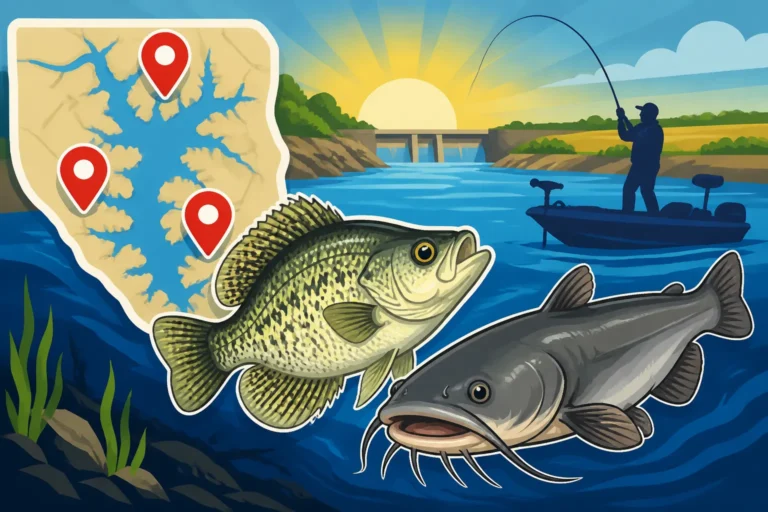
El Dorado Lake is a fantastic destination for catfish anglers, with strong populations of channel catfish, blue catfish, and flathead catfish. The shallower, timber-filled coves and the upper reaches of the Walnut River arm are prime locations for channel cats, especially during warmer months. These fish are often found near submerged brush piles, old creek channels, and muddy flats. Blue catfish tend to prefer deeper, main-lake areas, while flatheads are often ambush predators found near heavy cover like log jams or rock outcroppings.
For Kansas Catfish Fishing Techniques, bottom fishing with prepared baits, cut bait (like shad or sunfish), or live worms is highly effective. Many anglers swear by night fishing for big catfish, especially during the summer. Look for areas with current or natural flow, as catfish often gather there to feed. Crappie fishing is also incredibly popular, particularly in spring and fall. These panfish congregate around submerged brush piles, standing timber, and bridge pilings. The many timbered coves in the Honey Creek and Bluestem areas are known hotspots for both white and black crappie. Light tackle, small jigs, and live minnows are the go-to baits for Kansas Crappie Fishing Techniques, often fished under a bobber or slow-trolled.
Bass and Wiper Action
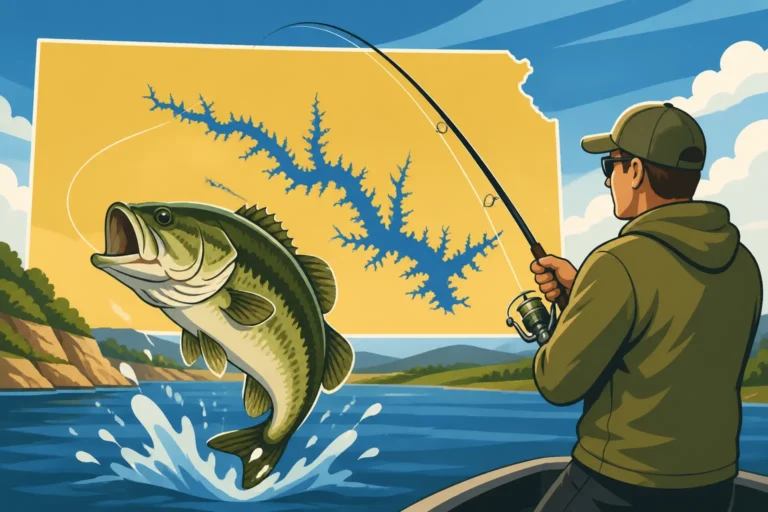
El Dorado Lake offers excellent opportunities for bass anglers, primarily targeting largemouth bass, and increasingly, smallmouth bass in the rockier areas. Largemouth bass will be found in the shallower, vegetated coves and around submerged timber, while smallmouths prefer rocky banks, points, and deeper structure. El Dorado Lake Bass Fishing can be very exciting, especially during the spring spawn when fish move shallow, or in the summer when they might be found schooling on offshore structure. Topwater lures, spinnerbaits, and soft plastics fished around cover are all productive methods.
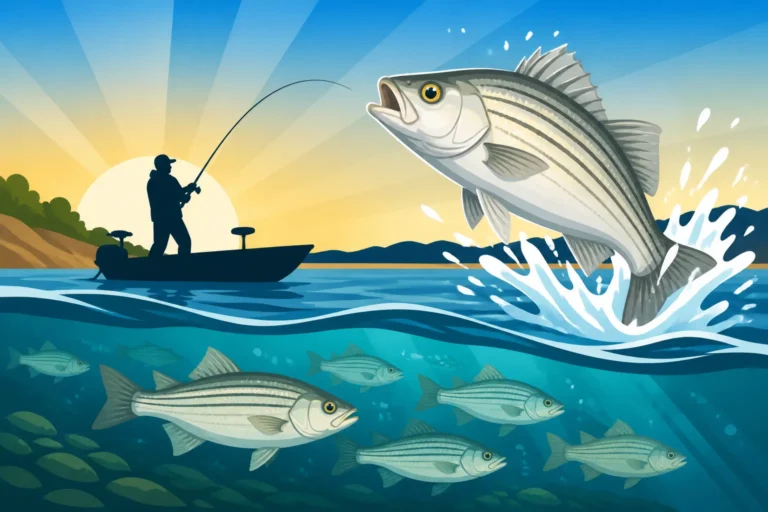
The lake also has a robust population of wipers, which are a hybrid cross between striped bass and white bass. These hard-fighting fish are known for their aggressive strikes and powerful runs. Wipers often school in open water, chasing shad and other baitfish, and can be found near the dam or in deeper channels. El Dorado Lake Striped Bass Fishing (including wipers) is best done by casting spoons, lipless crankbaits, or swimbaits into schooling fish, or by trolling deeper-diving crankbaits. Keep an eye out for surfacing baitfish or birds diving, as these are often indicators of schooling wipers below. Using a fish finder to locate schools of baitfish and predators is also a great strategy.
Essential Tips for a Successful Trip
Preparing for a fishing trip to El Dorado State Park involves more than just packing your rods and reels. A little planning can go a long way in ensuring a safe, enjoyable, and successful outing. From understanding local regulations to packing the right gear and knowing where to find help, these tips are designed to enhance your experience at this fantastic Kansas fishery. Don't let a small oversight spoil what could be a memorable day on the water.
Remember that the park is a popular destination for various activities, so being mindful of other users, whether they are hikers, campers, or other boaters, is always appreciated. Sharing the waters and trails ensures everyone has a pleasant experience. Being prepared also means being flexible; sometimes the fish aren't biting where you expected, and having a backup plan or being willing to try a new spot can make all the difference.
Navigating Regulations and Licensing
Before you even think about casting a line, make sure you're properly licensed. A valid Kansas Fishing License Guide is mandatory for most anglers aged 16 to 64. Depending on what you're targeting or where you're fishing, additional permits might be required, such as a trout permit if you plan to fish in designated trout waters (though El Dorado Lake is not primarily a trout fishery, it's good to be aware for future trips). It's always best to check the current Kansas Fishing Regulations Explained, as rules can change from year to year. These regulations cover everything from length limits and daily creel limits to permissible fishing methods and bait restrictions.
Specific regulations for El Dorado Lake are often listed within the statewide guide, but sometimes special rules apply to individual reservoirs to help manage specific fish populations. For example, walleye might have a slot limit to protect breeding-size fish. Always consult the official KDWP fishing regulations summary, which is usually available online, at license vendors, or at the park office. A quick check can save you from potential fines or having to release a fish you thought you could keep. Ignorance of the law is never an excuse, and responsible angling means knowing and following the rules.
Best Times to Visit and Gear Up
El Dorado Lake offers year-round fishing opportunities, but certain seasons shine for specific species. Spring (April-May) is fantastic for crappie, white bass, and early walleye, as fish move into shallower waters for spawning. Summer brings excellent night fishing for catfish and consistent action for wipers and bass. Fall (September-November) is another prime time, with fish actively feeding before winter, offering great opportunities for walleye, wipers, and crappie. Even winter can be productive for those hardy enough to brave the cold, especially if ice fishing conditions are safe.
When it comes to gear, a medium-action spinning or casting rod paired with 8-12 lb test line is a versatile choice for most species you'll encounter. For catfish, you might want to step up to a heavy-action rod and stronger line. Pack a variety of lures and baits, including crankbaits, jigs, soft plastics, and live bait like minnows or worms. Don't forget essentials like a tackle box, pliers, a measuring tape, and a net, especially for landing larger fish. Sunscreen, a hat, plenty of water, and bug spray are also crucial for comfort, particularly during the warmer months. If you’re considering hiring a guide, remember you can often scout options and read reviews for local experts through platforms like FishingBooker, ensuring you find someone who matches your fishing style and target species.
Safety on the Water and Shore
Safety should always be your top priority, whether you're fishing from the bank or a boat. If boating, ensure you have all required safety equipment onboard, including life jackets for everyone, a throw cushion, a fire extinguisher, and signaling devices. Always check the weather forecast before heading out, as conditions on large lakes can change rapidly, leading to dangerous waves or lightning storms. Inform someone of your float plan, including where you're going and when you expect to return.
For bank anglers, be aware of your surroundings. Watch for uneven terrain, slick surfaces, and venomous snakes that can sometimes be found near water. If you're wading, know the water depth and potential currents. Always handle fish with care, especially those with sharp fins or teeth, and use appropriate tools for hook removal. Having a basic first-aid kit on hand is also a smart move for any outdoor adventure. Taking these precautions ensures that your focus can remain on the joy of fishing, rather than on preventable mishaps.
Disclaimer
The information provided in this guide is for general informational purposes only and is subject to change. Always consult the official Kansas Department of Wildlife, Parks and Tourism (KDWP) regulations, park signage, and local authorities for the most current rules, conditions, and safety guidelines before planning or embarking on any fishing trip to El Dorado State Park or any other fishing location. Fishing conditions and regulations can vary, and it is the individual angler's responsibility to ensure compliance with all applicable laws.