Is Milford Lake Good for Ice Fishing?
The thought of ice fishing in Kansas often brings up a mix of excitement and skepticism. Many of us dream of pulling fish through a hole in the ice, but when it comes to a massive body of water like Milford Lake, the biggest lake in Kansas, questions naturally arise: does it even freeze reliably? Is it safe? And can you actually catch anything worthwhile? This guide aims to tackle these very questions, offering a realistic look at the possibilities and precautions for those brave enough to venture onto Milford's winter waters.
The Reality of Ice Fishing on Milford Lake
Let's be honest, Kansas winters can be finicky. One week you're bundling up, the next you're practically in a light jacket. This variability makes planning an ice fishing trip on a large reservoir like Milford Lake a unique challenge. Unlike smaller, shallower ponds that freeze solid quickly, Milford's sheer size and depth mean it requires a sustained, deep freeze to develop safe, fishable ice.
Understanding Kansas Ice Conditions
Kansas is not Minnesota when it comes to consistent ice. Our winter weather swings can be dramatic, often bringing a few days of bitter cold followed by a warming trend, snow, or even rain, all of which can compromise ice formation. Milford Lake, being the largest lake in Kansas, has a tremendous amount of thermal mass. This means it takes longer for the water to cool down enough to form a thick, stable ice sheet. When it does freeze, the ice can vary wildly in thickness from one area to another, even within a short distance. You might find a few inches of solid black ice in a protected cove, while just around the point, open water or thin, slushy ice persists due to currents or deeper water.
It's this unpredictable nature that makes local knowledge and extreme caution paramount. Many seasoned anglers will tell you that true, reliable ice fishing days on Milford are precious and often short-lived. It’s not uncommon for a good ice fishing window to open for a week or two, only to be shut down by a sudden warm spell, turning eager anglers back to their open-water gear. Always check current conditions and forecasts, and remember that no fish is worth risking your safety over.
Prime Locations for Safe Ice on Milford
While the main body of Milford Lake might remain open or dangerously thin for much of the winter, specific areas offer better chances for safe ice formation. These are typically shallower, more protected coves and bays that are less exposed to wind and current, allowing the water to still and freeze more consistently.
Think about the northern arms and shallower embayments of the lake. Areas like School Creek, Farnum Creek, or some of the smaller coves near Milford State Park tend to ice up sooner and hold safer ice longer than the vast, open expanse of the main lake. These locations often have depths ranging from 5 to 15 feet, which are perfect for panfish and even saugeye. When exploring these spots, pay close attention to the contours of the shoreline. Points and neck-downs can sometimes create currents that keep ice thin, so it's not just about being in a "cove." Even within these generally safer areas, never assume the ice is uniformly thick. A spud bar is your best friend for constantly checking ice thickness as you move. Don't be afraid to walk a little further to find consistently safer ice, or to simply turn back if conditions feel uncertain. Local bait shops are often the best resource for real-time ice reports, so swing by a place like Backyard Outfitters in Junction City before heading out.
What You Can Expect to Catch Through the Ice at Milford
So, once you've found safe ice, what kinds of fish can you realistically expect to reel in at Milford Lake? While it’s primarily known for its excellent open-water fishing, many of those same species can be successfully targeted through the ice, albeit with different tactics and expectations.
Targeting Panfish and Saugeye
For many Kansas ice anglers, panfish are the bread and butter of winter fishing, and Milford Lake holds a healthy population of them. Crappie and bluegill are often the most common catches. These species tend to congregate in schools during the colder months, making them excellent targets once you locate them. You’ll typically find them suspended over old creek channels, near submerged brush piles, or along the edges of weed beds in shallower coves. Small jigs, tipped with wax worms, minnows, or even a small plastic grub, are incredibly effective. A lightweight rod and reel combo, often called an ice fishing combo, will give you the sensitivity needed to detect those subtle winter bites.
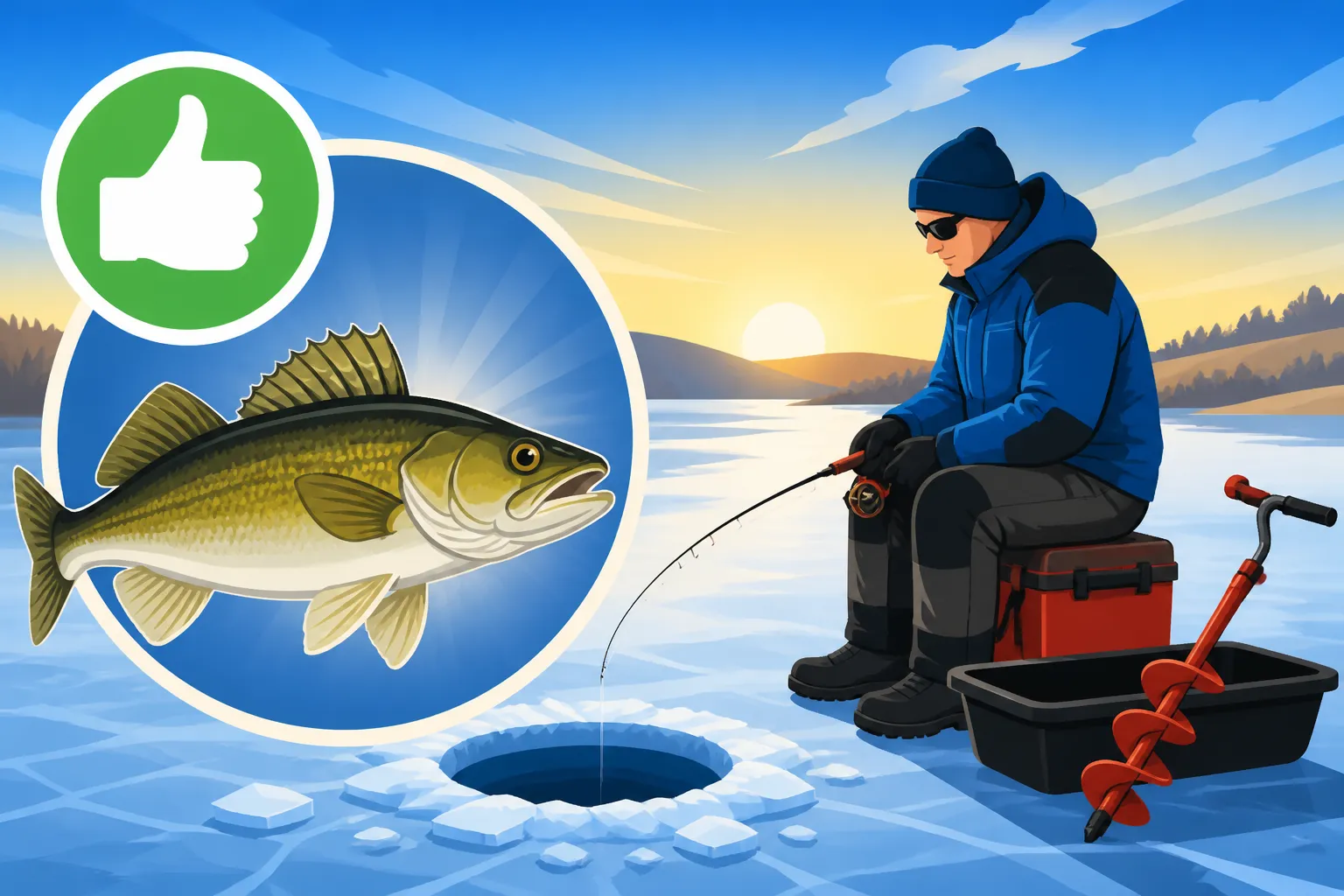
Saugeye, a walleye-sauger hybrid, is another popular species for ice anglers at Milford. These fish are often found near structure, such as submerged humps, points, or rocky bottom transitions. They’re a bit more aggressive than panfish and will hit slightly larger jigs or small spoons. Early morning and late afternoon into dusk are often prime times for saugeye, as they become more active feeders during these periods. It's truly a rewarding experience to feel that distinct saugeye thump on your line, and they make for fantastic table fare.
The Chance for Walleye and Catfish
While less common than panfish or saugeye, dedicated ice anglers do have a chance at catching walleye and catfish on Milford Lake. Walleye, known for their elusive nature, can be targeted near deeper points, submerged rock piles, or along channel breaks. They often prefer live minnows or jigging spoons presented slowly near the bottom. The bites can be extremely subtle in cold water, often feeling like just a slight pressure or a tiny tap, so a sensitive rod is key. Persistence is important when chasing walleye through the ice; they aren't always in a feeding mood, but when they are, the reward is a truly magnificent catch. You might find a guide service listed on FishingBooker that specializes in walleye fishing, and they might have insights into winter patterns.
Catfish, particularly channel catfish, are often a surprising bonus for ice anglers. While not typically targeted specifically through the ice, they are opportunistic feeders and will readily take a piece of cut bait or a minnow meant for other species. They tend to hold in deeper holes or depressions in the lakebed during winter. You might be jigging for crappie and suddenly feel a heavy pull – that’s often a hungry channel cat. Flathead catfish are less common through the ice but certainly not unheard of, especially if you're fishing areas with larger timber or structure. The thrill of hooking into a bigger, unexpected fish while ice fishing adds an extra layer of excitement to an already adventurous pursuit.
Essential Gear and Safety for Milford Ice Anglers
Embarking on an ice fishing adventure on Milford Lake requires more than just a regular fishing pole. Specialized gear and, most importantly, a steadfast commitment to safety are paramount to ensure an enjoyable and secure experience. This isn't just about comfort; it's about survival in potentially harsh conditions.
Must-Have Ice Fishing Equipment
Let's talk gear. First up, you'll need a way to make holes in the ice. A manual ice auger can work for thinner ice, but for the potentially thicker ice on Milford, a power auger (gas, propane, or electric) is a real back-saver. You'll want one with a decent diameter, say 6 to 8 inches, to accommodate larger fish like saugeye or walleye. Next, think about shelter. A portable ice fishing shelter, often called a shanty or hub shelter, can make a huge difference in comfort, especially on windy or very cold days. They trap heat and block the wind, turning a miserable experience into a cozy one.
When it comes to tackle, ice fishing rods are typically much shorter than open-water rods, often ranging from 24 to 36 inches. These provide excellent sensitivity for detecting light bites and are easier to manage in a small shelter. Pair them with small spinning reels spooled with light monofilament or fluorocarbon line, generally 4-6 pound test, which handles the cold well and remains supple. Your tackle box should be stocked with small jigs (1/32 to 1/8 ounce), jigging spoons, and maybe some small Rapala-style baits. Don't forget live bait like wax worms, spikes, or small minnows, which are often irresistible to cold-water fish. Layered clothing is non-negotiable – think thermal underwear, fleece, waterproof outer shells, insulated boots, hats, and gloves. Remember, you're not just fishing; you're operating in an extreme environment, so dress for the elements.
Prioritizing Ice Safety
This cannot be stressed enough: ice safety is not a suggestion; it is an absolute requirement. No fish, no matter how big, is worth risking your life. The Kansas Department of Wildlife, Parks and Tourism (KDWP) strongly advises a minimum of 4 inches of clear, solid ice for safe foot travel. If you're bringing an ATV or snowmobile, you'll need 5-7 inches, and a car or light truck requires 8-12 inches. These are general guidelines, and local conditions can drastically alter ice integrity. Always carry a spud bar to constantly check the ice ahead of you as you walk, especially when moving to new areas or near changes in water depth or current.
Beyond checking ice thickness, you need to be prepared for the worst. Always carry a pair of ice picks around your neck, so they are readily accessible if you fall through. A length of rope and a whistle are also critical safety items. Never fish alone on the ice, and always inform someone reliable of your exact fishing location and expected return time. FishingBooker might have local guides who offer ice safety briefings or even guided ice fishing trips, which can be an excellent way for beginners to learn the ropes safely. It’s also a good idea to stay abreast of the Kansas Ice Fishing Safety Tips and consider wearing a personal flotation device (PFD) under your outer layers for an added layer of safety.
Navigating Regulations and Access for Winter Fishing
Just like any other season, ice fishing on Milford Lake comes with its own set of rules and logistical considerations. Understanding these beforehand will save you a headache and ensure you have a legal and enjoyable time on the ice.
Kansas Fishing Licenses and Special Permits
Before you even think about drilling a hole, make sure your paperwork is in order. Every angler 16 years of age and older needs a current Kansas Fishing License Guide. This is non-negotiable, and fishing without one can lead to fines and penalties. While Milford Lake is not a primary trout stocking location, if you plan to visit any nearby community lakes or state fishing lakes that are part of the winter trout program, you would also need a Kansas Trout Permit Guide in addition to your regular fishing license. Always double-check the KDWP website or a current regulations summary for any species-specific regulations or length limits that apply to your target fish, such as those covered in the Kansas Walleye Length Limits or Kansas Crappie Length and Bag Limits. These rules apply to ice fishing just as they do to open-water fishing.
It’s also wise to familiarize yourself with the general Kansas Fishing Regulations Explained because some methods and equipment might have specific rules, even when ice fishing. For instance, while spearing and snagging are generally prohibited for game fish, ice fishing often permits a certain number of lines or tip-ups per angler. Being a responsible angler means understanding and adhering to these regulations.
Public Access and Practical Tips
Milford Lake offers several public access points that are generally suitable for ice anglers, weather permitting. Milford State Park, for instance, has boat ramps and shoreline access that can be used to get onto the ice in protected coves. Other areas, like those near the major creek arms such as School Creek or Farnum Creek, also provide good points of entry. However, winter conditions, including heavy snowfall, can sometimes make these access points difficult to navigate, especially for vehicles. Always check the road conditions and whether any ramps or parking areas have been plowed if you're driving onto the ice (only advisable with extreme caution and confirmed thick ice).
When planning your trip, think about where the fish will be. Often, the same structures that hold fish in early spring or late fall will hold them under the ice, just deeper. Consider checking out a Milford Lake Fishing Guide for a better understanding of the lake's structure and potential hotspots. Once you find a promising area, don't be afraid to drill several holes and move around until you locate active fish. A portable depth finder or flasher is an invaluable tool for identifying fish and determining water depth beneath the ice. Be respectful of other anglers, keep your area clean, and leave no trace behind. If you're new to ice fishing on Milford, consider connecting with local bait shops or checking online forums; many experienced local anglers are happy to share general tips and recent conditions, though always verify ice safety for yourself.
| Species Targeted | Typical Depth Range (feet) | Preferred Baits/Lures | Common Locations |
|---|---|---|---|
| Crappie | 8-20 | Small jigs, minnows, wax worms | Submerged brush, creek channels in coves |
| Bluegill | 5-15 | Tiny jigs, wax worms, spikes | Shallow weed edges, soft bottom coves |
| Saugeye | 10-30 | Jigging spoons, minnows, plastics | Submerged humps, points, rocky transitions |
| Walleye | 15-40+ | Live minnows, jigging spoons | Deep points, main lake channel edges |
| Channel Catfish | 15-35 | Cut bait, minnows, stink bait | Deep holes, creek channels |
Disclaimer
Fishing conditions, regulations, and ice safety can change rapidly. Always consult the official Kansas Department of Wildlife, Parks and Tourism (KDWP) website for the most current regulations and safety advisories before heading out on the ice. Your safety is your responsibility.