Tuttle Creek State Park Fishing Access
For many Kansas anglers, finding that perfect fishing spot that offers both abundant fish and accessible facilities can feel like a never-ending quest. You spend hours researching, driving, and sometimes, arriving only to find overcrowded ramps or limited shore access. This guide is dedicated to easing that frustration by shining a spotlight on Tuttle Creek State Park, a true gem in the heart of the Flint Hills, and providing you with all the insights you need to make your next fishing adventure there a resounding success.
Unlocking the Angler's Paradise at Tuttle Creek State Park
Tuttle Creek State Park, nestled against the expansive 10,900-acre Tuttle Creek Lake near Manhattan, Kansas, is much more than just a place to launch a boat. It's a diverse outdoor haven that truly caters to anglers of all stripes, from families looking for a relaxing day on the bank to serious tournament fishermen chasing trophy catches. The sheer size and variety of habitat within the lake, combined with the comprehensive amenities of the state park, make it a standout destination.
Why Tuttle Creek Stands Out for Fishing
What truly sets Tuttle Creek apart in the Kansas fishing landscape is its incredible diversity and the balance it strikes between wild, natural environments and angler-friendly infrastructure. Unlike some smaller, more intensely managed community lakes, Tuttle Creek offers vast stretches of natural shoreline, submerged timber, rocky points, and expansive mud flats, creating an intricate ecosystem where numerous species thrive. This reservoir is known for its robust populations of catfish, crappie, walleye, and white bass, offering something for every fishing preference. The upstream reaches of the Big Blue River also feed into the lake, providing additional opportunities for riverine species. Plus, with a reliable infrastructure managed by Kansas Wildlife and Parks, you’re never far from a well-maintained boat ramp, a clean restroom, or a convenient camping spot. It’s this combination of wild opportunity and thoughtful convenience that truly makes Tuttle Creek State Park a premier fishing destination.
Understanding the Park's Layout and Access Points
Tuttle Creek State Park is actually comprised of several distinct units spread around the lake, each offering slightly different vibes and access points. This can be a little confusing at first, but it also means more options! The main units include Tuttle Creek Cove, River Pond, Cedar Ridge, and Fancy Creek. Each unit has multiple boat ramps, ample parking, and varying degrees of bank access.
- Tuttle Creek Cove: This is often considered the main hub and is very popular for families and those seeking easy access. It features multiple boat ramps, a large marina, and extensive shoreline fishing opportunities, especially around the coves and protected areas. The River Pond area within this unit is particularly popular for younger anglers and offers calmer, often stocked waters away from the main lake's currents.
- Cedar Ridge: Located on the western side of the lake, Cedar Ridge offers a more rugged experience with excellent access to the main body of the lake. The boat ramps here are well-maintained, and there are plenty of rocky points and bluff areas that are prime for targeting walleye and white bass, especially during their seasonal runs.
- Fancy Creek: On the eastern side, Fancy Creek provides similar access to the main lake but is perhaps a bit more remote feeling. It's a great spot if you're looking to escape some of the busier areas, particularly during peak seasons. The channels and submerged structures here are fantastic for crappie and catfish.
Knowing which unit to head to can significantly impact your day, depending on your target species and preferred fishing style. For instance, if you're launching a larger boat for a full day of trolling for walleye, a main ramp at Tuttle Creek Cove or Cedar Ridge might be your best bet. If you're planning a quiet afternoon of bank fishing with the kids, the River Pond unit offers a more sheltered experience.
Species, Seasons, and Strategies for Tuttle Creek Anglers
Tuttle Creek Lake truly shines when it comes to the variety of fish you can catch. It’s not a one-species wonder; instead, it offers a diverse fishery that can keep anglers engaged throughout the year. Understanding the behavior of these fish and the optimal times to target them is key to a successful trip.
Targeting Popular Fish Species
At Tuttle Creek, you're most likely to encounter a healthy population of several sought-after species, each requiring slightly different approaches:
- Catfish: Oh, the catfish! Tuttle Creek is practically synonymous with fantastic catfish action. You'll find healthy populations of channel catfish, blue catfish, and flathead catfish. The lake's vast mud flats, timbered areas, and river channels are ideal habitat. Many anglers find success using traditional bottom-fishing techniques with cut bait, stink bait, or live shad. If you're targeting those giant blue cats, fishing the deeper river channels with large cut bait can be incredibly effective. For those who enjoy a more relaxed outing, trotlines and jug lines are also popular and very productive methods here, though be sure to check the specific Kansas fishing regulations explained for these techniques. For those looking to learn more, our guide on Kansas Catfish Fishing Techniques offers comprehensive advice.
- Crappie: Both white and black crappie thrive in Tuttle Creek. You'll often find them congregating around submerged brush piles, standing timber, and bridge pilings. Spring is a prime time as they move to shallower waters for the spawn, but they can be caught year-round. Many anglers use small jigs, minnows, or a combination of both under a bobber or by slow trolling. Check out our Kansas Crappie Length and Bag Limits for the specifics on what you can keep.
- Walleye: While often overshadowed by Milford Lake, Tuttle Creek still offers a respectable walleye fishery, especially for those who know where to look. They prefer rocky points, main lake humps, and the dam face. Trolling crankbaits, jigging with live bait (like nightcrawlers or leeches), or casting swimbaits are popular methods. Early spring and late fall are often the most productive times. Our article on Kansas Walleye Fishing Techniques has more detailed strategies.
- White Bass: These feisty fighters are a blast to catch and are abundant in Tuttle Creek. They are particularly active during their spawning runs up the Big Blue River in spring, creating exciting fishing opportunities. Throughout the summer, you can find them schooling and chasing baitfish on the main lake, often indicated by diving birds. Small spoons, inline spinners, and Kastmasters are excellent choices.
Seasonal Fishing Hotspots and Techniques
The best time to fish Tuttle Creek, and where you should focus your efforts, changes dramatically with the seasons.
- Spring (March-May): This is arguably the most exciting time at Tuttle Creek. The white bass run upstream into the Big Blue River and its tributaries, creating a frenzy of activity. Access near Rocky Ford Bridge or other river access points becomes prime real estate. Crappie move into shallower coves and brushy areas to spawn. Walleye will also be shallow on rocky banks and points. Catfish begin to stir, particularly channel cats in the warming waters. This is when you can really put some numbers in the boat.
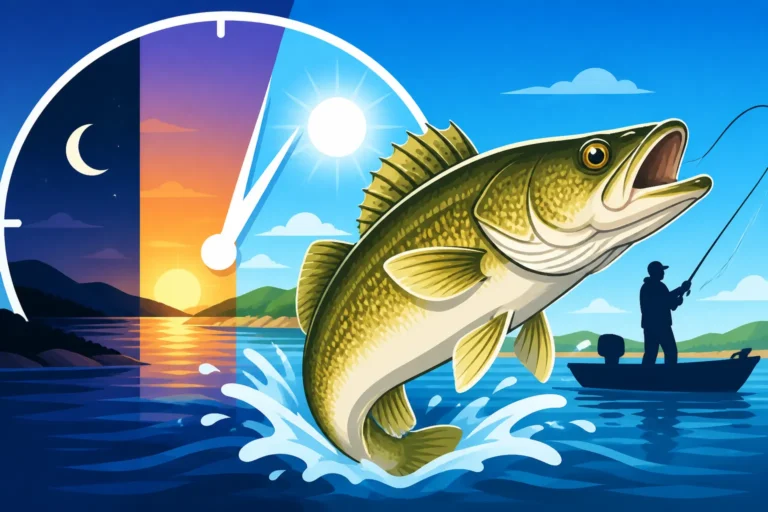
- Summer (June-August): As the waters warm, white bass will school up in the main lake, often busting bait on the surface at dawn or dusk, or deeper during the day. Catfish activity remains high, especially at night or in deeper channels during the heat of the day. Flatheads will often be found in submerged timber. Crappie move to deeper structure and brush piles. Night fishing for catfish and white bass becomes very popular and productive.
- Fall (September-November): The cooler temperatures of fall can reignite a feeding frenzy. Walleye often become very active again on main lake points and humps as they feed heavily before winter. Crappie will school up in larger numbers around deep brush piles and creek channels, offering excellent fishing. White bass continue to feed aggressively, and catfish remain a strong target, particularly the larger blue cats in river channels as they prepare for colder months.
- Winter (December-February): While ice fishing is possible on Tuttle Creek, it's less consistent than on some other Kansas lakes due to its size and exposure. When conditions allow, anglers target crappie and white bass through the ice, especially in more protected coves. If open water prevails, deeper holes for catfish and jigging for walleye can still yield results. Always prioritize safety when considering ice fishing – our Kansas Ice Fishing Safety Tips are a must-read.
Bank, Boat, and Kayak Fishing Opportunities
Tuttle Creek State Park provides ample opportunities regardless of your preferred fishing platform:
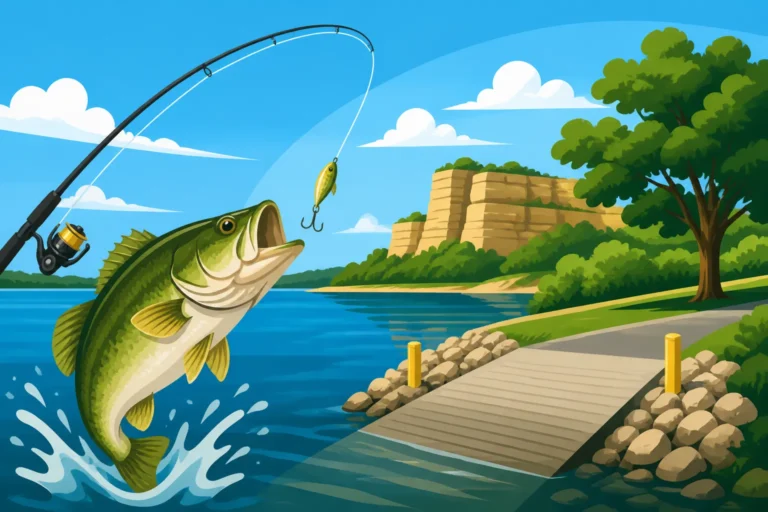
- Bank Fishing: With miles of shoreline across its various units, Tuttle Creek State Park is a fantastic destination for bank anglers. Tuttle Creek Cove and the River Pond areas offer particularly easy access, often with mowed banks and designated fishing piers. You can target panfish, channel catfish, and even white bass close to shore, especially during spring and fall. Areas around the marina and boat ramps also offer good bank access where fish congregate. Remember, even from the bank, a Kansas fishing license guide is a must-have.
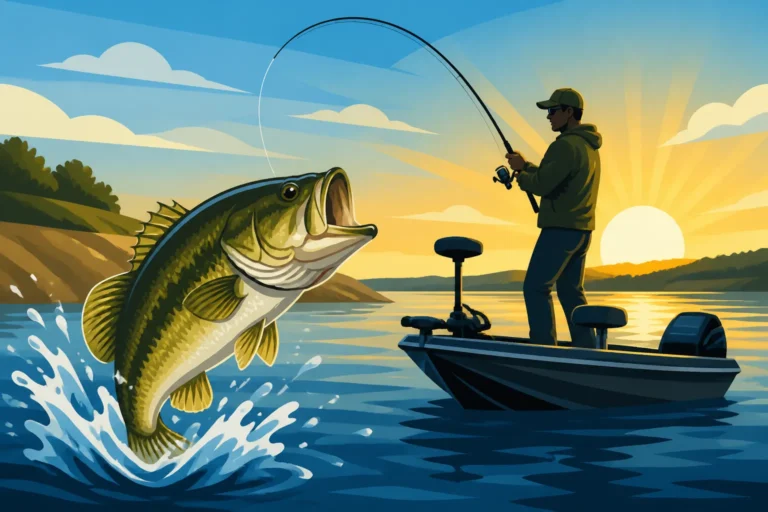
- Boat Fishing: For those with a boat, the lake truly opens up. There are multiple well-maintained boat ramps available in each state park unit. Cedar Ridge and Fancy Creek provide excellent access to the main body of the lake, which is crucial for trolling for walleye or chasing schooling white bass. Anglers with larger boats will appreciate the open water, but always be mindful of changing weather conditions on such a large reservoir. You'll want to review our Kansas Boat Registration Guide to ensure your vessel is ready for the water. If you're looking for a fishing guide to help navigate this expansive water, sites like FishingBooker can connect you with experienced local captains who know the lake inside and out.
- Kayak Fishing: Kayak fishing is growing in popularity, and Tuttle Creek offers some fantastic opportunities. The numerous coves and backwaters provide sheltered areas that are perfect for quiet exploration. Kayakers can effectively target crappie in brushy coves or explore the upstream reaches of the Big Blue River for catfish and white bass. With a kayak, you can reach spots that bigger boats can't, offering a unique advantage. Consider bringing appropriate gear, as outlined in our Kansas Kayak Fishing Gear Guide, to make the most of your trip.
Essential Facilities and Amenities for Your Fishing Trip
A successful fishing trip isn't just about catching fish; it's also about the overall experience, and that includes having access to convenient, well-maintained facilities. Tuttle Creek State Park excels in this regard, offering a wide array of amenities that enhance any angler's visit.
Boat Ramps, Docks, and Marina Services
For anglers bringing their own watercraft, Tuttle Creek State Park provides excellent infrastructure. Across its various units, you'll find numerous concrete boat ramps that are designed to accommodate everything from small jon boats to larger bass boats and pontoons. These ramps are generally well-maintained, with ample parking for vehicles and trailers.
- Tuttle Creek Cove Marina: The marina at the Tuttle Creek Cove unit is a major asset, offering services like fuel, bait, tackle, and sometimes even boat rentals. This makes it incredibly convenient if you forgot something or need to top off your tank without leaving the park. The docks provide easy loading and unloading, and there are often temporary tie-up spots if you need to run into the store.
- Fish Cleaning Stations: Many of the larger boat ramp areas and camping loops feature dedicated fish cleaning stations. These facilities are usually equipped with running water and ample counter space, making the post-fishing cleanup much easier and more hygienic. It's a small detail, but a welcome one after a successful day on the water.
- Launch Fees and Permits: While many state park amenities are included with a Kansas State Park Vehicle Permit (which is required for entry), boat launch fees can sometimes be separate or specific to certain ramps. Always check with the park office or the KDWP website beforehand to understand any applicable costs.
Camping, Picnicking, and Lodging Near the Water
For those who want to make a weekend or even a week-long trip out of their fishing adventure, Tuttle Creek State Park offers a wide range of camping and lodging options. Staying right by the water means you can maximize your fishing time, enjoy sunrises over the lake, and relax after a long day of reeling them in.
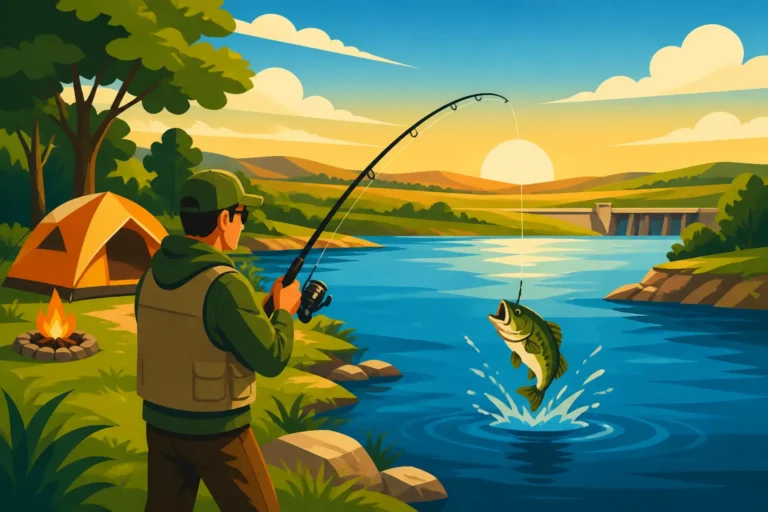
- Campsites: The park boasts hundreds of campsites, ranging from primitive tent sites to full hook-up RV sites with electricity and water. Many of these sites are waterfront or offer lake views, allowing you to literally step out of your tent or RV and be just a short walk from excellent bank fishing. Reservations are highly recommended, especially during peak season or holidays, and can often be made through the KDWP online reservation system.
- Cabins: For those who prefer a bit more comfort, some units of the park, like Tuttle Creek Cove, offer rustic cabins. These typically include beds, air conditioning, and sometimes a small kitchenette, providing a cozy base camp for your fishing adventures without the need for a full RV setup.
- Picnic Areas: Even if you're just visiting for the day, there are numerous picnic areas with tables and grills, perfect for a shore lunch with your freshly caught fish (if allowed and cleaned properly!). Many of these areas are shaded and offer beautiful views of the lake.
- Nearby Lodging: If camping isn't your style, the vibrant city of Manhattan is just a short drive away, offering a wide array of hotels, motels, and vacation rentals. This provides another layer of flexibility for anglers visiting the area.
Accessibility Features for Every Angler
The Kansas Department of Wildlife and Parks (KDWP) has made significant efforts to ensure that fishing opportunities are accessible to everyone, and Tuttle Creek State Park reflects this commitment.
- Accessible Fishing Piers: Throughout the park, you’ll find several accessible fishing piers designed to accommodate individuals with mobility challenges. These piers typically feature smooth, level surfaces, railings, and often offer a wider stance for wheelchairs, ensuring that all anglers can enjoy the sport safely and comfortably. The River Pond area, in particular, has excellent accessible piers.
- Paved Paths and Restrooms: Many of the main areas and facilities, including restrooms, parking lots, and paths leading to key fishing spots, are designed to be wheelchair-friendly. This thoughtful planning ensures that getting to your preferred fishing location isn't an added hurdle.
- Adaptive Programs: While not exclusively at Tuttle Creek, the KDWP often sponsors or supports adaptive fishing programs across the state. These programs provide specialized equipment or assistance for anglers with disabilities, further expanding access to the sport. It’s always a good idea to check with the park office or the KDWP website for any specific programs or resources available during your visit.
Navigating Regulations and Maximizing Your Experience
Fishing at Tuttle Creek State Park, like any body of water in Kansas, comes with a set of rules and guidelines designed to protect the fishery and ensure everyone has a safe and enjoyable time. Understanding these regulations is not just about compliance; it's about being a responsible angler and contributing to the long-term health of this fantastic resource.
Key Kansas Fishing Regulations at Tuttle Creek
Before you even cast your first line, make sure you're properly licensed. A valid Kansas Fishing License Guide is mandatory for most anglers aged 16 to 74 who are Kansas residents, and for all non-residents aged 16 and older. There are various license types, from annual to multi-year to short-term, so pick what fits your trip best.
Beyond the general license, pay close attention to:
- Length and Creel Limits: Tuttle Creek Lake has specific length and daily creel (bag) limits for certain species to ensure sustainable populations. For example, walleye often have a minimum length limit, and crappie have both a minimum length and a daily bag limit. Our detailed guides like Kansas Walleye Length Limits and Kansas Crappie Length and Bag Limits provide all the specifics. These limits can change, so always consult the most current Kansas Fishing Regulations Summary before you head out.
- Allowed Fishing Methods: While rod and reel are standard, methods like trotlines and jug lines are permitted with specific regulations regarding numbering, materials, and check intervals. Bowfishing is also allowed for certain rough fish species during specific seasons. Knowing these rules prevents unintended violations.
- Special Permits: If you plan on fishing in specific areas or targeting certain species (like trout, if stocked in a community pond within the park during winter), additional permits might be required. Although not a primary trout destination, it's always good to double-check.
- Boat Registration and Safety: If you're bringing a boat, it must be properly registered with the state of Kansas. Additionally, all boats must carry required safety equipment, including personal flotation devices (PFDs) for everyone on board. Familiarize yourself with Kansas boating safety regulations to avoid fines and ensure everyone's well-being.
Planning Your Visit and Local Resources
A little planning goes a long way to ensure a smooth and enjoyable fishing trip.
- Weather and Water Conditions: Tuttle Creek is a large lake, and weather can change quickly. Always check the forecast before heading out. Strong winds can make fishing difficult and even dangerous for smaller boats. Water levels and clarity can also impact fish behavior, so checking local fishing reports or calling the park office for current conditions can be very beneficial.
- Bait and Tackle Shops: While the marina at Tuttle Creek Cove often carries basic bait and tackle, consider visiting local shops in nearby Manhattan for a wider selection or specialized gear. These local establishments are also fantastic sources for up-to-the-minute fishing reports and advice from seasoned anglers who know the lake well.
- Guided Trips: If you're new to Tuttle Creek or want to maximize your chances of success, consider hiring a local fishing guide. They can provide invaluable expertise on hotspots, techniques, and current conditions. Platforms like FishingBooker are a great way to find and book reputable guides in the area who specialize in species like catfish or walleye on Tuttle Creek. Their knowledge can turn a good day into an unforgettable one.
- Online Resources: The Kansas Department of Wildlife and Parks (KDWP) website is an invaluable resource. It offers detailed maps, current regulations, fishing reports, and information on special events or stocking schedules.
Responsible Angling and Conservation Efforts
Being a responsible angler means more than just following the rules; it means actively contributing to the health of the fishery and the environment.
- Practice Catch and Release: While keeping fish for the dinner table is certainly part of the fun, consider practicing catch and release, especially for larger breeding-size fish. This helps maintain healthy fish populations and ensures future generations of anglers have plenty to catch. Handle fish carefully, minimize their time out of water, and use proper de-hooking tools.
- Respect Private Property and Other Anglers: While the state park offers extensive public access, be mindful of private land bordering the lake. Always ask for permission if you're unsure about land ownership. Also, show courtesy to other anglers and boaters. Give others space, especially at popular spots or boat ramps.
- Leave No Trace: Pack out everything you pack in, and perhaps even a little more. Dispose of all trash, fishing line, and bait containers properly. Monofilament fishing line, in particular, can be deadly to wildlife if left in the environment. Many parks have recycling bins or special receptacles for fishing line.
- Aquatic Nuisance Species (ANS): Kansas waters, including Tuttle Creek, are constantly monitored for Aquatic Nuisance Species like zebra mussels. Always clean, drain, and dry your boat, trailer, and all fishing gear before moving from one body of water to another. This simple step is critical in preventing the spread of invasive species that can devastate local ecosystems and fisheries. Education on ANS prevention is readily available through KDWP resources.
By following these guidelines and embracing responsible angling practices, you'll not only enhance your own fishing experience at Tuttle Creek State Park but also help preserve this fantastic resource for everyone to enjoy for years to come.
| Fish Species | Primary Seasons | Common Baits/Lures | Preferred Habitat | Daily Creel Limit* |
|---|---|---|---|---|
| Channel Catfish | Spring, Summer, Fall | Stink bait, Cut bait, Worms | Mud flats, River channels, Timber | 10 |
| Blue Catfish | Spring, Summer, Fall | Large cut bait, Live shad | Deep river channels, Main lake humps | 5 (only 2 over 25") |
| Flathead Catfish | Summer, Fall | Live sunfish, Perch, Bluegill | Heavy timber, Logjams, Rock piles | 5 |
| Crappie | Spring, Fall, Winter | Small jigs, Minnows, Spinnerbaits | Submerged brush, Timber, Bridge pilings | 50 (10" minimum) |
| Walleye | Spring, Fall | Crankbaits, Jigs, Nightcrawlers, Leeches | Rocky points, Humps, Dam face | 2 (21" minimum) |
| White Bass | Spring, Summer, Fall | Spoons, Inline spinners, Kastmasters | Main lake schools, River runs | 25 |
*Always check current Kansas Fishing Regulations for specific and updated limits.
Disclaimer
The information provided in this guide is intended for general informational purposes only and is subject to change. Fishing regulations, license requirements, and park amenities can vary and are updated periodically by the Kansas Department of Wildlife and Parks (KDWP). Always consult the official KDWP website or contact park authorities directly for the most current and accurate information before planning your trip. Angling involves inherent risks, and adherence to all safety guidelines and regulations is the sole responsibility of the individual.