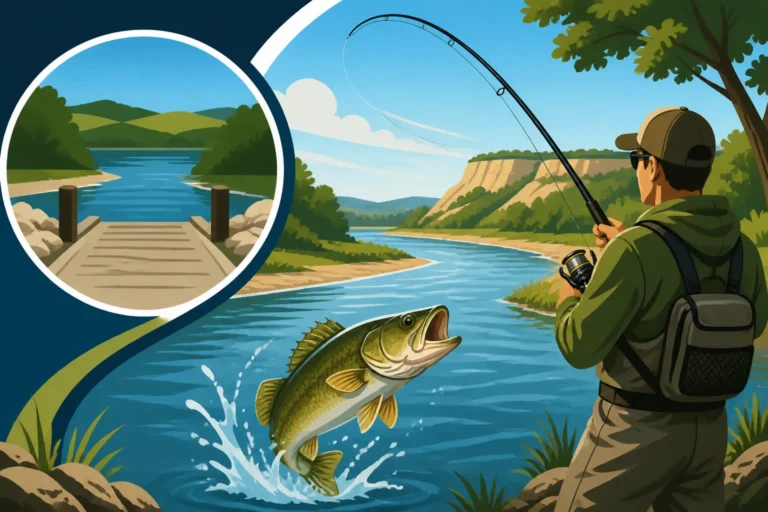
Milford Lake White Bass Run
There's nothing quite like the thrill of the white bass run, that incredible surge of activity when these feisty fish migrate upstream, practically begging to be caught. But if you've ever found yourself wondering where they went, when they'll show up, or what on earth to use to entice them, you're not alone. Many anglers feel a mix of excitement and frustration trying to pinpoint this fleeting, phenomenal event. This comprehensive guide is here to cut through the confusion and equip you with everything you need to successfully navigate the famed Milford Lake white bass run, ensuring you're ready when the fish are.
Understanding the Milford Lake White Bass Run
The white bass run isn't just a simple fishing trip; it's an annual phenomenon that draws anglers from all over Kansas and beyond. It’s a time of year when these energetic fish become incredibly active, offering some of the most exciting and productive fishing experiences you can have. But what makes it so special at Milford Lake, and what are we really talking about when we mention a "run"?
What Exactly is a White Bass Run?
Imagine thousands of fish, driven by an ancient instinct, pushing their way en masse from the deeper, wider waters of a reservoir into the shallower, flowing currents of the rivers and tributaries that feed it. That's essentially what a white bass run is. These aren't just a few stray fish; we're talking about huge schools moving upstream to spawn. During this period, their primary focus shifts from solitary feeding to reproduction, which makes them highly concentrated and often aggressively feeding in preparation, or immediately after, providing a fantastic opportunity for anglers.
This migration typically happens in late winter to early spring, triggered by rising water temperatures and increased flow. The fish are often packed together, making it possible to catch multiple fish in quick succession once you find a hot spot. It’s an almost frantic burst of activity, and if you're there at the right moment, it's an experience you won't soon forget.
Why Milford Lake is a Prime Spot for White Bass
Milford Lake isn't just a good spot for white bass; it's often considered one of the best in Kansas, and for good reason. As the largest lake in Kansas, Milford Lake offers an immense amount of habitat for white bass to thrive during the majority of the year. Its vast network of deep water, submerged structures, and abundant forage fish creates a perfect environment for growing healthy, robust populations.
However, the real magic happens when the Republican River and its various creeks begin to flow into the lake with warmer water. This river system acts like a highway, funneling the eager white bass from the expansive lake into predictable, fishable corridors. The sheer volume of fish that gather in these upstream areas during the run is what sets Milford Lake apart, creating a dense concentration that few other locations can match. The diverse topography of the lake and its feeder streams provide ample staging and spawning grounds, contributing to the consistent quality of the run year after year.
The Life Cycle and Habits of White Bass
Understanding the life cycle of white bass (Morone chrysops) gives you a huge advantage when trying to catch them. These schooling fish are native to many central and eastern North American waters. They are relatively short-lived, typically reaching maturity quickly and living for about 4-7 years, but they grow fast. Their aggressive nature and willingness to strike a variety of baits make them incredibly popular among anglers.
During the spawning run, which is the focus here, adult white bass migrate upstream into rivers and creeks. Unlike some fish that build nests, white bass are "broadcast spawners," meaning they release their eggs and milt randomly into the current. The eggs drift and attach to vegetation or bottom substrate. This upstream journey requires a lot of energy, which is why they feed so heavily before and sometimes even during the spawning process, making them vulnerable to anglers. Post-spawn, they'll gradually make their way back to the main lake, often lingering in deeper holes or current breaks as they recover and resume their normal feeding patterns.
Timing is Everything: When to Catch the Run
You can have the best gear and knowledge, but if you're not there when the white bass decide to run, you're going to miss out. Predicting the exact timing of the Milford Lake white bass run can feel like a guessing game, but it's really about understanding a few key environmental cues.
Predicting the Peak Season for White Bass
While there's no single "on/off" switch for the white bass run, it generally kicks off in late March and can extend well into May. The exact peak, however, is highly variable from year to year, largely dependent on local weather patterns and the subsequent changes in water conditions. Anglers often start seeing increased activity when the water temperature in the Republican River and its tributaries consistently hovers around the 55 to 65-degree Fahrenheit range.
Keeping an eye on local fishing reports, forums, and even talking to bait shop owners around Junction City or Wakefield can give you invaluable real-time insights. Often, the first reports of a strong push come from the river sections, as fish begin to stage and make their move. Don't wait until you hear about it everywhere; start checking conditions early in the spring, because the prime action can be intense but brief. For more general insights into the best times to fish, you might want to check out our Kansas Fishing Seasons Guide.
The Role of Water Temperature and River Flow
These two factors are arguably the most critical in triggering and sustaining the white bass run. As mentioned, water temperature is the primary driver. When the shallow river water warms up faster than the main lake, it signals to the white bass that it's time to move upstream for spawning. A sudden cold snap, however, can put the brakes on the run, causing fish to retreat to deeper staging areas until conditions improve.
River flow is equally important. Consistent, moderate flows are ideal. Heavy rains can lead to high, muddy water conditions, which might disperse the fish, make them harder to locate, and deter them from biting. Conversely, very low flows might limit access to upstream spawning grounds and concentrate fish in smaller, more pressured pools. The sweet spot is a stable period of rising temperatures with clear to slightly stained water and a good, steady current. You'll often hear anglers talking about the "pulse" of the river – those periods of ideal flow after a small rain, where the fish seem to go wild.
Best Times of Day to Hit the Water
While white bass can be caught throughout the day during the run, certain times tend to be more productive. Early morning, right at dawn, and late evening, leading into dusk, are generally considered prime times. The lower light conditions often make the fish more aggressive and willing to feed closer to the surface or in shallower water. If you're wondering about specific times, you might find some useful Night Fishing Tips for White Bass.
However, during the peak of an aggressive run, especially on overcast days or if there’s a steady current, white bass can bite all day long. They are less sensitive to bright sunlight than some other species. Many anglers find success during midday by focusing on deeper holes adjacent to strong currents or shadowed areas where fish might be resting. The key is to be flexible and observe fish activity. If the fish are actively busting on the surface, casting into the commotion can be incredibly rewarding, regardless of the time of day.
Prime Locations for Milford Lake White Bass
Once you know when to go, the next critical piece of the puzzle is where to go. Milford Lake offers numerous spots that can be hot during the white bass run, from the river channels to specific lake structures.
Upstream River Sections and Tributaries
This is where the real action often happens. The Republican River, which feeds into Milford Lake, is the main highway for the white bass run. Anglers often focus on areas upstream from where the river empties into the lake. Specific access points like those near River Pond State Park or upstream towards Junction City can be absolutely phenomenal. The fish will push as far upstream as they can, often stopping at natural barriers or rapids.
Don't overlook smaller tributaries and creeks that feed into the Republican River or directly into the upper end of the lake. These smaller waterways warm up quickly and can attract large numbers of fish, especially if they have good current and gravel bottoms for spawning. Look for bends in the river, deep holes, current seams, and areas with submerged timber or rock piles that offer cover and break the current. These are classic holding areas for staging white bass. Knowing How to Catch White Bass on the Republican River can significantly boost your success.
Key Lake Areas and Current Breaks
While the river sections get most of the attention, the upper end of Milford Lake itself, particularly where the Republican River merges with the main body, can be incredibly productive, especially during the early stages of the run or when fish are falling back post-spawn. Look for points, humps, and submerged roadbeds or creek channels in these transition zones. White bass will stage here, waiting for the optimal conditions to move further upstream.
Current breaks are your best friends. Anywhere the current is interrupted—behind a large rock, a submerged stump, or a sharp bend in the channel—can create a slack water zone where white bass can rest and ambush baitfish. Fishing these areas with vertical jigging presentations or by casting crankbaits through the current seams can be highly effective. The vastness of Milford Lake means these transition areas can be extensive, offering many hidden gems if you're willing to explore with your fish finder. For a broader understanding of fishing Milford, consult the Milford Lake Fishing Guide.
Access Points for Bank and Boat Anglers
Milford Lake is large, covering about 15,700 surface acres at conservation pool, making it prime for both boat and bank anglers. For bank anglers, areas like River Pond State Park, public access points along the Republican River, and designated fishing areas within Milford State Park offer excellent opportunities. These spots often have established paths and good access to the riverbanks where white bass concentrate.
For boat anglers, the options are even more extensive. Public boat ramps at Milford Lake State Park, School Creek, and other areas provide easy access to the main lake. From there, you can motor up into the river sections, or explore the expansive upper lake areas. Be mindful of shallow water and submerged obstacles when navigating the river channels, especially if water levels are low. Many anglers use smaller jon boats or even kayaks to navigate the narrower, shallower river stretches where larger boats might struggle. Before you head out, it's always wise to check current water levels and accessibility.
Essential Gear and Techniques for Success
Having the right tackle and knowing how to use it are crucial for maximizing your catch during the white bass run. These fish are aggressive, but they can also be picky, so a versatile setup is key.
Rods, Reels, and Line Selection
For white bass, you want a setup that offers sensitivity for detecting subtle bites, but enough backbone to handle a powerful fish in current, and the ability to cast light lures a good distance. A medium-light to medium action spinning rod, typically 6 to 7 feet in length, is ideal. This length provides good casting distance and control. Pair it with a 2000 or 2500 series spinning reel that's smooth and has a reliable drag system.
When it comes to line, 6 to 10-pound monofilament or fluorocarbon is a great all-around choice. Monofilament offers good knot strength and shock absorption, while fluorocarbon is nearly invisible underwater and has excellent abrasion resistance, which can be useful around rocky river bottoms. Many anglers prefer braided line (10-15 pound test) for its sensitivity and casting distance, often adding a 2-3 foot fluorocarbon leader for stealth. The choice really comes down to personal preference, but ensuring your line is fresh and free of nicks is far more important than the specific type.
Top Lures and Baits for White Bass
White bass are not overly particular, especially when they're actively running, but some lures consistently outperform others. Small, flashy, and fast-moving baits are usually the ticket.
- Spoons: Chrome or silver Kastmaster, Roostertail, and Little Cleo spoons (1/8 to 1/4 oz) are deadly. Their erratic flash mimics struggling baitfish.
- Jigs: Small lead head jigs (1/8 to 1/4 oz) tipped with a soft plastic grub (chartreuse, white, or pearl are popular colors) are incredibly versatile. You can cast and retrieve them, or vertical jig them in deeper holes.
- Spinners: In-line spinners like Mepps or Panther Martin are always a solid choice. The flash and vibration are irresistible to white bass.
- Small Crankbaits: Shallow-diving crankbaits in shad or crayfish patterns can be effective, especially when fished near current breaks or rocky areas.
- Live Bait: While artificials are popular, small minnows or shiners on a plain hook or under a bobber can be lights out, especially if the fish are finicky.
For a deeper dive into what works, check out our guide on the Best Lures for a White Bass Run. Experimentation is key; what works one day might not the next, so always have a variety of options.
Effective Fishing Strategies for the Run
During the white bass run, your strategy needs to be adaptive. The fish are moving, and their location and aggression levels can change rapidly.
- Cast and Retrieve: This is the most common method. Cast your chosen lure upstream and retrieve it at a steady pace, allowing the current to impart natural action. Vary your retrieve speed until you find what triggers bites.
- Vertical Jigging: If you've located a school of fish holding in a deeper hole or channel, especially from a boat, vertical jigging can be incredibly effective. Drop a jig or spoon straight down to the fish, then lift and drop it rhythmically. This works exceptionally well when fish are concentrated.
- Current Seams: Always target current seams – the line where fast water meets slow water. Fish often sit just out of the main current, waiting for baitfish to be swept by.
- Look for Birds: Diving birds, especially gulls, can be a dead giveaway for schooling white bass pushing baitfish to the surface. Where there are birds, there are often fish.
- Shoreline Pounding: If fishing from the bank, systematically work stretches of river, casting to any likely looking structure or current break. Don't be afraid to move if you're not getting bites.
Remember, white bass are schooling fish. If you catch one, there are almost certainly more nearby. Keep casting to the same spot! Many anglers find local guides through platforms like FishingBooker who specialize in the white bass run, providing invaluable local knowledge and increasing your chances of finding those hot spots.
Navigating Regulations and Ethical Angling
As exciting as the white bass run is, it's vital to remember that we share these resources. Adhering to regulations and practicing ethical angling ensures that the run remains strong for future generations.
Kansas Fishing License Requirements
Before you even think about casting a line, you need to ensure you're properly licensed. In Kansas, most residents and non-residents aged 16 through 74 are required to have a valid fishing license. There are specific exemptions, for instance, for very young or very old anglers, or during designated free fishing days. However, for the majority of us, that annual permit is a must.
Licenses can be purchased online through the Kansas Department of Wildlife, Parks and Tourism (KDWPT) website, at various retail agents like Walmart or local bait shops, or even by phone. It's a straightforward process, and the revenue from these licenses goes directly back into conservation efforts, habitat restoration, and stocking programs that directly benefit fisheries like Milford Lake. Having your license in hand isn't just a legal requirement; it's an investment in the future of Kansas fishing. For a complete overview, be sure to read our detailed Kansas Fishing License Guide.
Daily Creel and Length Limits for White Bass
Kansas has specific regulations in place to manage fish populations, including white bass. These regulations are designed to prevent overfishing and maintain healthy numbers for sport and ecological balance. For white bass, there's typically a generous daily creel limit, allowing anglers to keep a good number of fish during the prolific run. However, these limits can vary by specific water body or change year to year, so it's paramount to check the most current Kansas Fishing Regulations Summary before you head out.
While white bass generally don't have a minimum length limit in most waters, it's still good practice to be aware of the sizes you're catching. Releasing smaller fish allows them to grow and contribute to future spawning runs. Always consult the Kansas Daily Creel Limits by Species for the most up-to-date information. Understanding these rules ensures you're fishing legally and responsibly.
| Species | Daily Creel Limit | Length Limit | Notes |
|---|---|---|---|
| White Bass | 25 | None | Generous limit due to prolific breeding. |
| Wiper | 5 | 18-inch minimum | Hybrid between white bass and striped bass. |
| Striped Bass | 2 | 21-inch minimum | Distinct from pure white bass. |
Note: Always verify current regulations with KDWPT as they are subject to change.
Practicing Catch and Release and Responsible Harvesting
Even with generous creel limits, ethical angling means making smart choices about what you keep. White bass are delicious, and many anglers enjoy harvesting a good mess of them. However, consider keeping only what you'll realistically eat, and practice catch and release for any fish you don't intend to consume. When releasing fish, handle them gently, minimize their time out of water, and use appropriate de-hooking tools to reduce stress and injury.
Responsible harvesting also means respecting private property if you're fishing near landlocked areas and properly disposing of all trash, discarded line, and fish entrails. Leaving the fishing spot cleaner than you found it is a golden rule for any angler. Milford Lake is a treasure, and preserving its natural beauty and bountiful fisheries is a responsibility we all share. For more in-depth information about all regulations, a review of the Kansas Fishing Regulations Explained is always a good idea.
Planning Your Milford Lake White Bass Trip
A successful white bass trip to Milford Lake involves more than just knowing where and when to fish; it's also about planning the logistics of your adventure.
Local Accommodations and Amenities
Milford Lake is a popular recreation area, so there are plenty of options for staying overnight if you're coming from out of town. Milford State Park offers numerous campsites, from primitive to those with electrical and water hookups, many with direct lake access. There are also cabins and yurt rentals available, which can be a great option for families or those seeking a bit more comfort.
Nearby towns like Junction City and Wakefield provide a range of lodging options, from motels to vacation rentals, as well as essential amenities like grocery stores, bait shops, and restaurants. It's always a good idea to book accommodations in advance, especially during peak fishing seasons or popular holiday weekends, as spots can fill up quickly. Many of these towns also have local tackle shops where you can get up-to-the-minute fishing reports and local advice.
Hiring a Guide for the Best Experience
For many anglers, especially those new to Milford Lake or chasing the white bass run for the first time, hiring a local fishing guide can be an invaluable investment. A professional guide brings years of experience, intimate knowledge of the lake and river systems, and a wealth of tactical expertise. They know the current conditions, where the fish are holding, and what baits are working best on any given day.
Guides can also provide all the necessary gear, teach you effective techniques, and ensure you're fishing legally and safely. This is particularly helpful when trying to locate moving schools of white bass in a vast area like Milford Lake. Platforms like FishingBooker are excellent resources for finding reputable, experienced guides who specialize in the Milford Lake white bass run, offering reviews and booking options to help you choose the perfect fit for your trip.
Weather Considerations and Safety Tips
Kansas weather, particularly in spring, can be notoriously unpredictable. A beautiful, sunny day can quickly turn into a cold, windy, or even stormy one. Always check the forecast before you head out, and be prepared for sudden changes. Dress in layers, wear appropriate rain gear, and bring sun protection. Even on cooler days, the sun reflecting off the water can lead to sunburn.
Safety on the water is paramount. If you're fishing from a boat, ensure all required safety equipment is on board, including life jackets for everyone, a whistle or horn, and a fire extinguisher. Pay attention to river currents, especially if you're venturing upstream, and be aware of any submerged hazards. If bank fishing, be cautious of slippery banks and swift currents. Let someone know where you're going and when you expect to return. The white bass run is an exhilarating experience, but always prioritize safety to ensure it's a memorable one for all the right reasons. For those venturing out, consider reviewing a general Kansas Summer Fishing Guide or Kansas Fishing Techniques for Beginners for broader tips that apply year-round.
Disclaimer
The information provided in this guide is for general informational purposes only and is subject to change. Always consult the official Kansas Department of Wildlife, Parks and Tourism (KDWPT) regulations before engaging in any fishing activities. Fishing conditions, including water levels, temperatures, and fish activity, can vary greatly based on weather and seasonal changes.