Best Handicap-Accessible Fishing Piers in Kansas
Finding the perfect fishing spot can be a joy, but for many anglers with mobility challenges, the simple act of getting to the water's edge can feel like an impossible hurdle. It’s incredibly frustrating when you just want to cast a line and enjoy the tranquility of nature, but access issues consistently stand in your way. This guide is dedicated to shedding light on the best handicap-accessible fishing piers and spots across Kansas, ensuring that everyone has the opportunity to experience the peace, excitement, and therapeutic benefits of fishing.
The Importance of Accessible Fishing Opportunities
Fishing is more than just catching fish; it's about connecting with nature, finding peace, and creating lasting memories. Unfortunately, for too long, many prime fishing locations were designed without considering the needs of all individuals. We've all seen those amazing fishing spots that require navigating steep, uneven terrain or long walks over rough ground, making them virtually impossible for someone using a wheelchair, walker, or even just dealing with limited mobility. It's a real shame when passion is limited by physical barriers. The push for truly accessible fishing piers isn't just about compliance; it's about fostering genuine inclusivity and ensuring that the joy of angling is available to every Kansan.
Breaking Down Barriers for All Anglers
Accessible fishing spots are crucial for dismantling the physical barriers that prevent many people from participating in an activity they love. Imagine the frustration of someone who grew up fishing, only to find their favorite spots inaccessible after an injury or as they age. Or a parent who wants to introduce their child with a mobility impairment to the wonders of the outdoors, but struggles to find a safe and easy-to-navigate location. These aren't just minor inconveniences; they're significant roadblocks to enjoyment and connection.
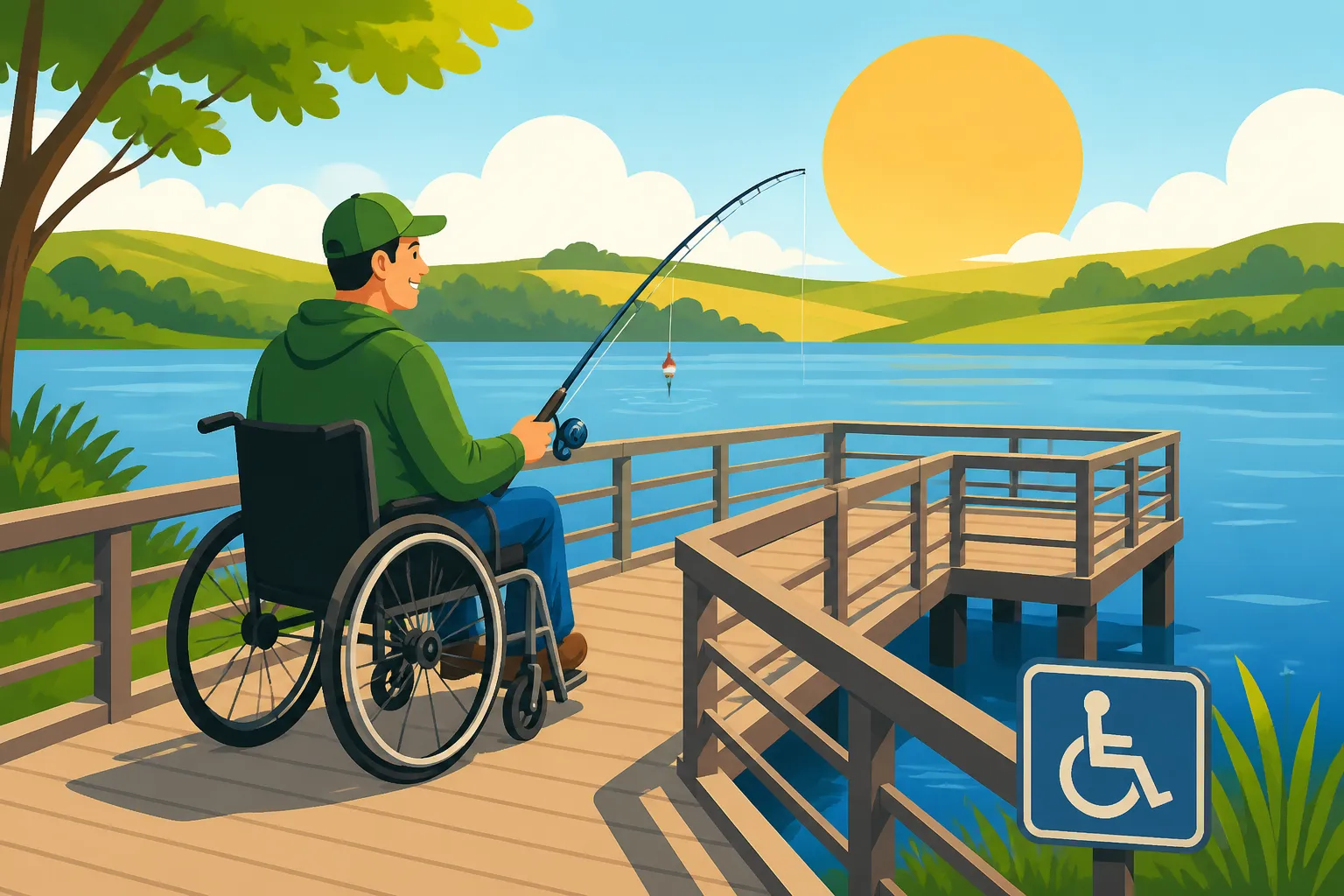
When piers are designed with accessibility in mind, it means wider paths, gentler slopes, stable non-slip surfaces, and railings that allow for clear views and easy casting from a seated position. It’s about more than just a ramp; it’s about a holistic approach that considers the entire experience from parking to the actual fishing platform. This thoughtful design allows anglers of all abilities to focus on the thrill of the bite rather than the struggle of getting into position.
Benefits Beyond the Catch
The advantages of accessible fishing piers extend far beyond simply enabling someone to catch a fish. They foster community by allowing families and friends of varying abilities to enjoy an activity together, strengthening bonds and creating shared experiences. Think about a multi-generational family outing where grandma, who uses a walker, can comfortably fish alongside her grandkids. This wouldn't be possible without proper accessibility.
Moreover, engaging in outdoor activities like fishing has proven mental and physical health benefits. It reduces stress, improves mood, and provides gentle exercise. For individuals facing physical challenges, having accessible avenues to pursue these benefits is invaluable. It offers a sense of independence and accomplishment, boosting self-esteem and overall quality of life. These spots become vital community assets, promoting well-being and a love for the outdoors for everyone. Many anglers even look for accessible boat rentals, which can often be found through services like FishingBooker, enabling them to explore deeper waters with ease.
Top Handicap-Accessible Fishing Piers Across Kansas
Kansas is making strides in creating more inclusive fishing opportunities, and it's exciting to see more and more locations upgrading their facilities. While the list continues to grow, there are several standout locations that truly go the extra mile to provide excellent accessible experiences. These spots have been designed with thoughtful consideration, aiming to remove as many barriers as possible so anglers can focus on enjoying their time on the water.
Northeast Kansas Gems
Northeast Kansas, with its rolling hills and bustling communities, offers some fantastic accessible fishing options that are often close to urban areas, making them incredibly convenient.
Shawnee Mission Park Lake (Johnson County): This is one of the crown jewels for urban fishing in the Kansas City metro area. The lake boasts multiple accessible fishing piers, complete with wide, paved paths leading from designated handicap parking. The piers themselves are typically wide, with low railings in sections, making it easy to cast a line whether you're standing or in a wheelchair. Restrooms nearby are also accessible. Beyond the piers, the park offers paved trails for a pleasant experience even if fishing isn't the only goal. You might even find some excellent trout fishing opportunities here during the winter months, so be sure to check the specific Kansas Trout Permit Guide for seasonal rules.
Wyandotte County Lake (Kansas City): Another excellent option close to the city, Wyandotte County Lake has made significant improvements to its fishing access. Several areas around the lake feature accessible parking, paved routes to spacious fishing piers, and accessible restrooms. The piers often have benches, but critically, also offer plenty of open space for wheelchairs to maneuver comfortably. This lake is known for its diverse fish population, including channel catfish, crappie, and bass, offering a variety of targets for anglers.
Clinton Lake (Lawrence): Just west of Lawrence, Clinton Lake is a massive reservoir known for its excellent fishing. While not all areas are universally accessible, the Bloomington East Park area, specifically near the marina, offers a well-maintained accessible fishing pier. This pier provides a solid, level surface and accessible parking in close proximity. The views are beautiful, and it's a popular spot for catching crappie, white bass, and channel catfish. It’s a great example of how large reservoirs can integrate accessible features. Anglers often consult resources like FishingBooker to find local guides who are familiar with the best accessible spots and current fishing conditions on Clinton Lake.
Central Kansas Favorites
Moving into the heart of the state, Central Kansas provides a blend of large reservoirs and smaller community lakes, many with thoughtful accessible features.
Marion Reservoir (Marion County): This expansive reservoir near the town of Marion offers a truly serene fishing experience, and thankfully, it includes accessible options. The Cottonwood Point recreation area has accessible parking and a paved path leading to a floating fishing dock that is generally wheelchair-friendly. Floating docks adapt to water levels, which can be a huge benefit for consistent access. The lake is known for its walleye and crappie fishing, making it a popular destination. Before you head out, always remember to check the current Kansas Fishing Regulations Explained for catch limits and sizes.
Cheney Reservoir (Wichita area): As one of Kansas's largest lakes, Cheney Reservoir attracts anglers from all over the state. While it's vast, certain areas are equipped for accessibility. The West Shore Park area has accessible restrooms and paved pathways leading to fishing access points, and some ramps facilitate easier bank access for those with mobility aids. While not all fishing areas are perfectly accessible, efforts have been made in high-traffic spots. You can find detailed information about Cheney Reservoir Fishing Guide to plan your trip effectively, often highlighting accessible points.
Milford Lake (Junction City/Manhattan area): The largest lake in Kansas, Milford Lake, offers some truly impressive accessible fishing opportunities. The Milford State Park area has multiple accessible fishing piers, especially near the marina and day-use areas. These piers typically feature wide, stable platforms with accessible parking and pathways. Some even have benches and covered areas for shade, which is a huge plus on hot Kansas summer days. Milford is renowned for its catfish, walleye, and white bass, ensuring a diverse fishing experience. Looking for a guide for an accessible outing? FishingBooker can connect you with experienced captains in the Milford Lake area who understand specific needs.
Southeast Kansas Havens
Southeast Kansas, known for its smaller, often picturesque lakes and state parks, also offers a variety of accessible options for anglers seeking a calmer experience.
Big Hill Lake (Labette County): Located near Parsons, Big Hill Lake is a beautiful Army Corps of Engineers lake that has invested in accessible facilities. The Mound Valley Recreation Area features an accessible fishing pier that's well-maintained, offering a sturdy platform and easy access from parking. This lake is a great spot for crappie, bass, and catfish, making it a versatile choice for anglers.
John Redmond Reservoir (Coffey County): Another Army Corps of Engineers project, John Redmond Reservoir, situated near Burlington, provides good accessible fishing opportunities. The Riverside West area has an accessible fishing pier with designated parking and a paved path. These facilities are generally kept in good condition, allowing for a comfortable fishing experience. The reservoir is popular for its catfish and crappie populations.
Fort Scott Lake (Bourbon County): This smaller city lake often gets overlooked but offers a quiet, accessible fishing experience. The lake features at least one accessible fishing pier with a wide, stable surface and easy access. These smaller lakes are fantastic for a peaceful day of fishing, often less crowded than the larger reservoirs, and they’re great for targeting panfish, bass, and catfish. Before you visit, it's always wise to check the Kansas Community Fishing Lake Rules as they can sometimes have specific regulations.
Western Kansas Wonders
While vast and often rugged, Western Kansas also provides some excellent accessible fishing locations, especially within its state parks and reservoirs.
Cedar Bluff State Park (Trego County): Split into two distinct areas, Cedar Bluff offers accessible fishing at both the North Bluff and South Bluff units. The South Bluff area, particularly, has accessible parking and paths leading to fishing access points. While not always a traditional "pier," some areas offer paved or hardened bank access that is wheelchair friendly. The unique bluffs provide a stunning backdrop for catching walleye, crappie, and catfish.
Wilson Lake (Russell County): Often called "Kansas's Most Beautiful Lake," Wilson Lake isn't just scenic; it also strives for accessibility. The Lucas Park area, for example, offers accessible parking and concrete paths leading to various fishing spots. Some areas provide stable, level ground for bank fishing, and efforts are ongoing to improve pier access where feasible. Known for its striped bass, walleye, and smallmouth bass, Wilson Lake is a premier fishing destination. Check out our in-depth Wilson Lake Fishing Guide for more details on specific spots.
Kirwin Reservoir (Phillips County): This north-central Kansas reservoir is a quieter option but provides excellent fishing. While details can vary, the Corps of Engineers often provides accessible facilities at its managed recreation areas. Kirwin is known for its walleye, crappie, and catfish. Look for areas near boat ramps or designated recreation zones for the most likely accessible access points.
Summary of Accessible Fishing Piers and Features
To help you plan your next outing, here's a quick overview of some highlighted accessible fishing locations and their general features. Please remember that conditions can change, so always verify current information with KDWP or the specific park office before heading out.
| Location | Key Accessible Features | Primary Fish Species | General Location |
|---|---|---|---|
| Shawnee Mission Park Lake | Paved paths, wide piers, low railings, accessible restrooms | Trout, Catfish, Crappie, Bass | Northeast (Kansas City Metro) |
| Wyandotte County Lake | Paved paths, spacious piers, accessible restrooms | Catfish, Crappie, Bass | Northeast (Kansas City) |
| Clinton Lake | Paved path to pier (Bloomington East), accessible parking | Crappie, White Bass, Catfish | Northeast (Lawrence) |
| Milford Lake | Multiple wide piers, paved paths, accessible parking, shade | Catfish, Walleye, White Bass | Central (Junction City/Manhattan) |
| Marion Reservoir | Paved path to floating dock (Cottonwood Point) | Walleye, Crappie, Catfish | Central (Marion) |
| Big Hill Lake | Accessible pier, paved access, accessible parking | Crappie, Bass, Catfish | Southeast (Parsons) |
| Wilson Lake | Paved bank access in some areas, accessible restrooms | Striped Bass, Walleye, Smallmouth | Western (Russell) |
What Makes a Fishing Pier Truly Accessible?
It's one thing for a location to claim "accessibility," and another for it to truly meet the needs of all anglers. We've all encountered those frustrating situations where a single step or a patch of rough gravel renders an otherwise promising spot unusable. True accessibility goes beyond just a sign; it's about thoughtful design and maintenance that removes as many barriers as possible.
Key Features to Look For
When you're scouting for the perfect accessible fishing pier, here are some critical features that make a world of difference:
- Paved, Stable Pathways: The journey from your vehicle to the pier should be smooth and firm. Look for concrete or asphalt paths that are at least 36 inches wide, with minimal slope. Gravel or uneven dirt paths are immediate red flags. A smooth transition is key, whether you're using a wheelchair, a walker, or have unstable footing.
- Accessible Parking: Designated handicap parking spaces should be plentiful and located very close to the accessible path leading to the pier. Nobody wants to navigate a long distance just to get to the fishing spot.
- Wide, Stable Piers: The pier itself needs to be wide enough for someone in a wheelchair to turn around easily, and for multiple people to fish comfortably without feeling cramped. The surface should be non-slip and stable, like composite decking or concrete, not wobbly planks.
- Appropriate Railing Heights: This is huge! While safety railings are essential, they shouldn't obstruct the view or make casting difficult. Look for piers with sections of lower railings (typically 34 inches or less from the deck) or horizontal railings that allow a clear line of sight and comfortable casting for seated anglers.
- Curb Cuts and Ramps with Gentle Slopes: Any changes in elevation should be handled with ramps that have a gentle grade, not steep inclines. Curb cuts at transitions prevent jarring bumps.
- Accessible Restrooms: While not directly on the pier, accessible restrooms in close proximity are vital for a comfortable and extended fishing trip.
- Shade and Seating: While not strictly accessibility features, shade structures and benches can greatly enhance the comfort and duration of an outing, especially for individuals who might tire easily or be sensitive to direct sun. Some accessible piers incorporate these thoughtful amenities.
Planning Your Accessible Fishing Trip
Even with great accessible options available, a little planning goes a long way to ensure a smooth and enjoyable trip. Don't just show up hoping for the best.
Do Your Homework: Before you leave, check the specific park or lake website. Many Kansas Department of Wildlife, Parks and Tourism (KDWP) managed areas have detailed maps and facility descriptions online. You can often find information about accessible amenities directly from these sources. You might also find details about other important regulations, like those covered in the Kansas Fishing Seasons and Limits guide.
Call Ahead: When in doubt, call the park office or the KDWP district office responsible for the area. Ask specific questions about the path from parking to the pier, the pier's width and railing height, and the accessibility of nearby restrooms. Speaking to a park ranger or staff member can provide invaluable, up-to-the-minute information about conditions. If you're using a service like FishingBooker to find a guide, they often have intimate knowledge of accessible spots and can confirm details for you.
Consider the Time of Year and Day: While accessibility makes a spot physically usable, external factors still matter. High water levels might impact floating docks or bank access. Extreme heat or cold can make a trip uncomfortable for anyone, especially those with certain health conditions. Plan your visit for temperate times of day and year when possible. For instance, if you're targeting trout, understanding the Kansas Winter Trout Fishing Guide can help you plan your trip when the conditions are best for both fish and comfort.
Pack Smart: Bring any necessary mobility aids, sun protection, water, and snacks. Don't forget your fishing license! You can easily manage your license by knowing how to complete your Kansas Fishing License Online Renewal. Being prepared means you can relax and focus on the fishing.
Disclaimer
The information provided in this guide is for general informational purposes only and is subject to change. While efforts have been made to ensure accuracy, conditions at fishing locations, including accessibility features, can vary due to maintenance, weather, and facility upgrades. Always verify current information with the Kansas Department of Wildlife, Parks and Tourism (KDWP) or the specific park or lake management before planning your trip. Fishing regulations and license requirements are also subject to change, so always consult official KDWP resources for the most up-to-date rules.